

In the late 1890s, Queensland Courts began granting probation orders, and regional police stations and lockups started to record the released offenders with photographs and detailed descriptions.
The photographs here are from a collection at the Queensland State Archives, Photographic records and descriptions of released male prisoners – Police Station, Longreach, 01/01/1889 – 31/12/1899. Many of the pictures are taken in police stations, presumably by the police or turnkeys. Others were taken off-site, and credited to photographic studios throughout Queensland.
Undoubtedly a few regional photographers blessed the criminal classes for giving them work every time the Circuit Court rolled into town. And photographing forgers, bigamists and thieves probably made an exciting change from capturing the likenesses of grim-faced local worthies in ill-fitting collars.
Most of the professional photographers photographed the head and torso of the offender, with both hands in front for further identification. The results could be striking.
Professional mug shots


H Goode of East Street Rockhampton followed the torso and hands in front rule, but also managed to produce images that give the viewer an impression of the personality of the sitter.
Throughout the Colony, small photographic studios used the template to photograph released prisoners:
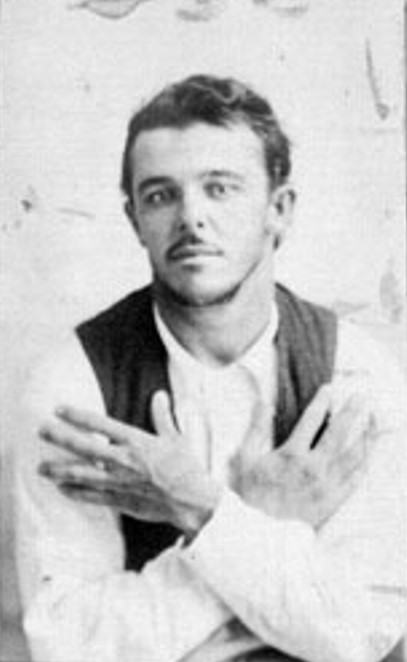
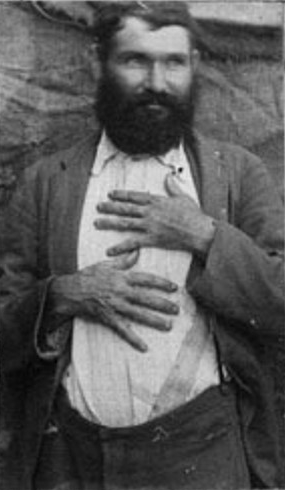
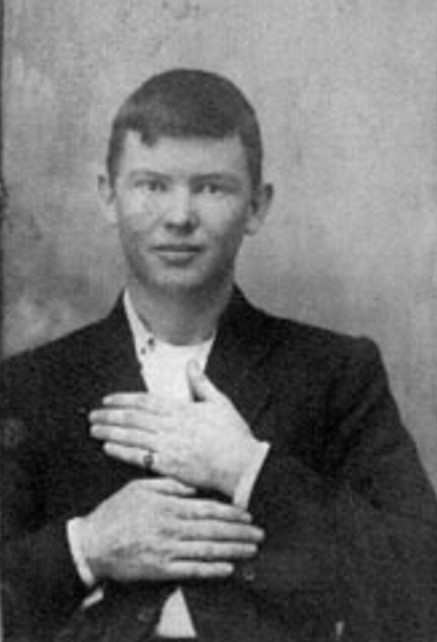

From left: Charles Fox by Lamberto Bacchi, Longreach. John Devereux by William Troup, Charleville. William Cornish by A.B. Clinton, Townsville. George Harwood by “Tosca,” Charters Towers.
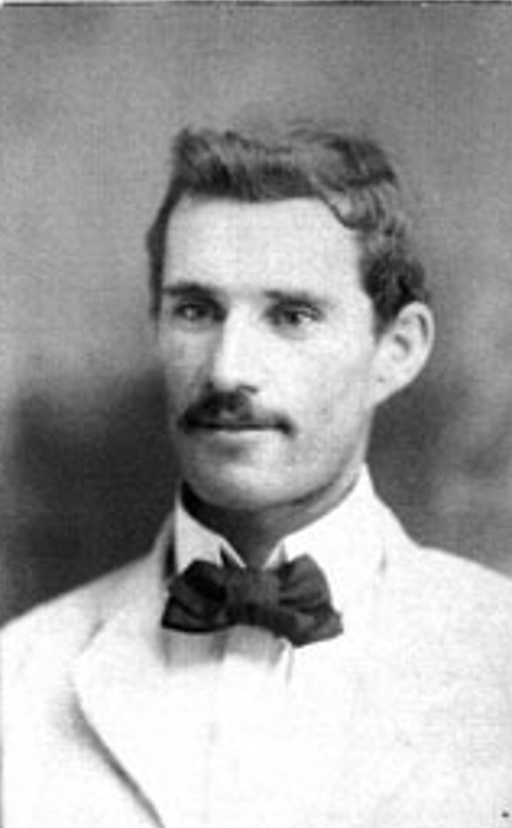

F.A. Whitehead of Brisbane Street, Ipswich appears to have been the probation-release photographer of choice for your more respectable class of offender. The photographs he took of Joseph McKenna and Walter Schonfeldt could have been framed and placed on mother’s mantelpiece, or used in a carte de visite.
Watchhouse photographs
The Police Station photographs are equally striking. These appear to be taken the very moment when the gravity of the situation hits the offender, with the exception of a jockey named George Barry, who was clearly quite used to having the plod take his picture. And didn’t mind one bit.


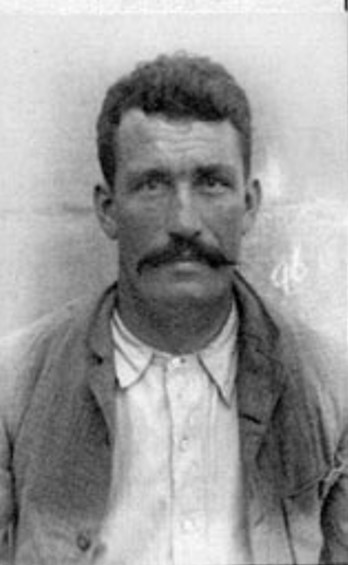

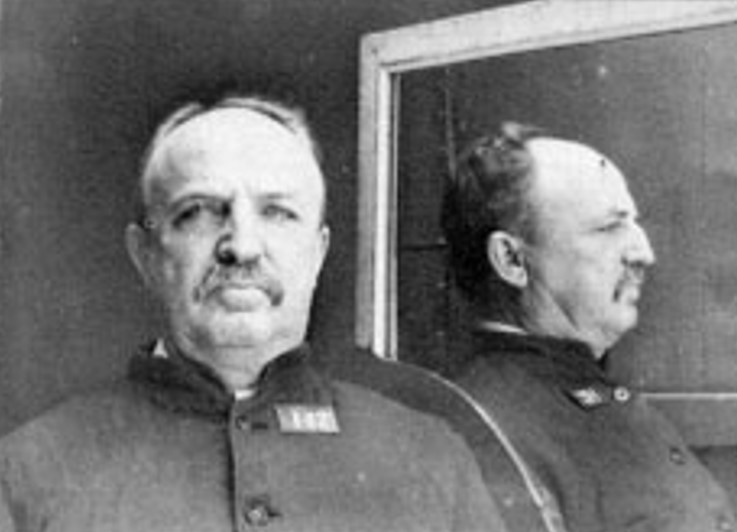
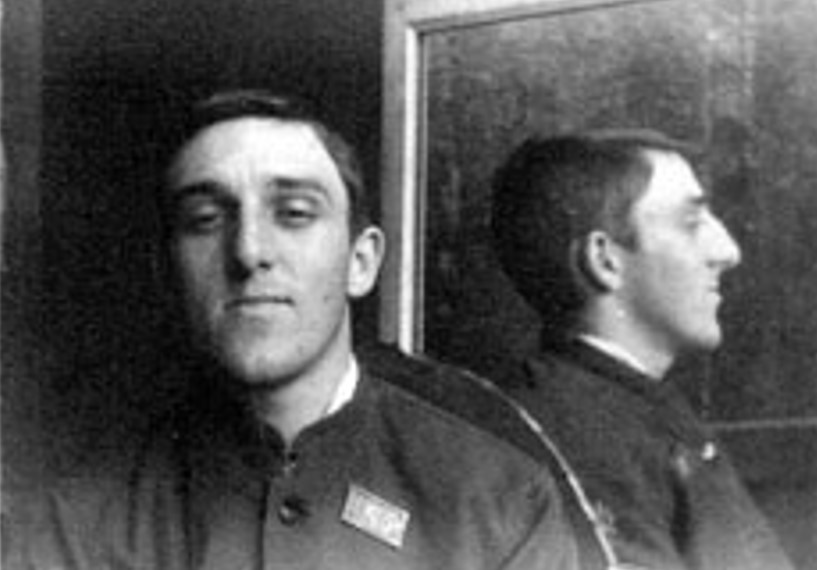
OTHER PARTICULARS
Of course, photographs of prisoners couldn’t tell the whole story. There were other characteristics, and/or markings on their bodies that provided assistance in identifying the person.

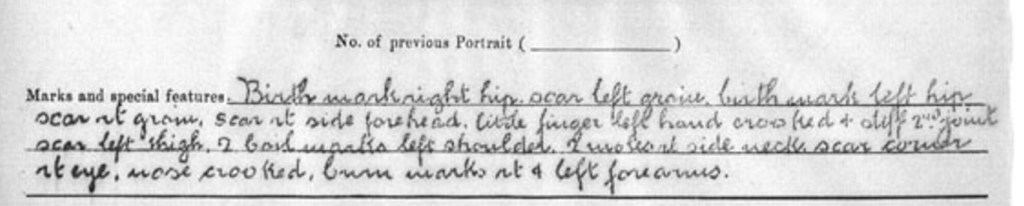

There are some remarkable stories behind the Longreach collection, and some of them will make up Part 2 of the post.
 Moreton Bay and More