
From a bush hotel on the way to the beach to an inner-urban suburb.
In 1864, Thomas Hayselden advertised for a Publican’s License to turn his property on the Sandgate Road into an “Inn or Public House” under the sign of the Albion Hotel.
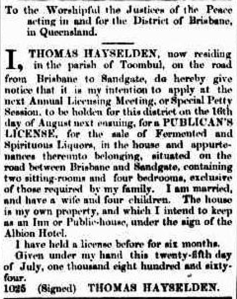
Sandgate was a popular seaside hamlet, but it was a deuced long carriage ride from Brisbane – around twenty miles on the Sandgate Road. A place to stay on the way, or at least dine on the way, was sorely needed. Thomas Hayselden saw the need, and “the Albion” became the hotel, and eventually, the name for the area.
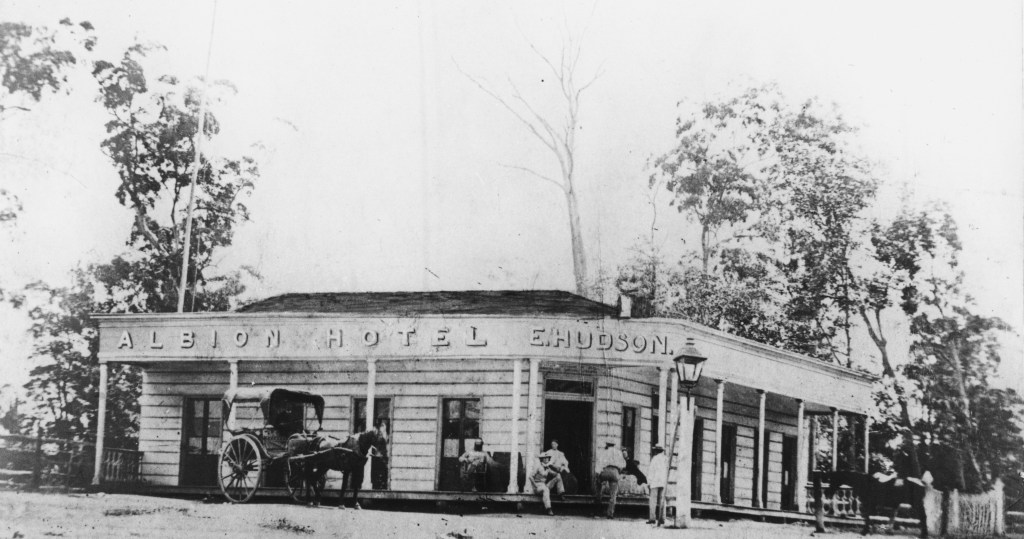
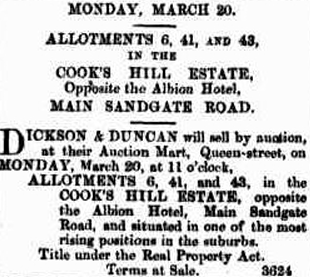
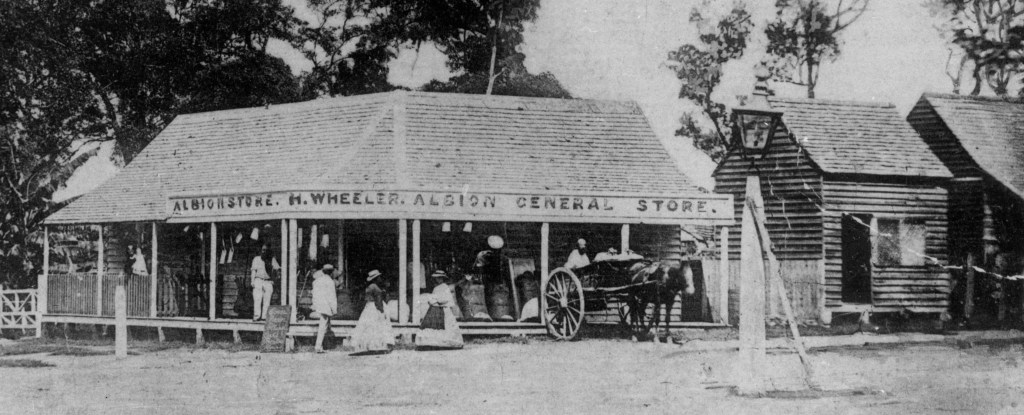
Throughout the next decade, the area around the hotel was colloquially known as “the Albion.” Country estates were built there, notably “Whytecliffe” and “Moolooburrum.”
By 1880, residents of Lutwyche and Albion were petitioning to be recognised under the Local Government Act.
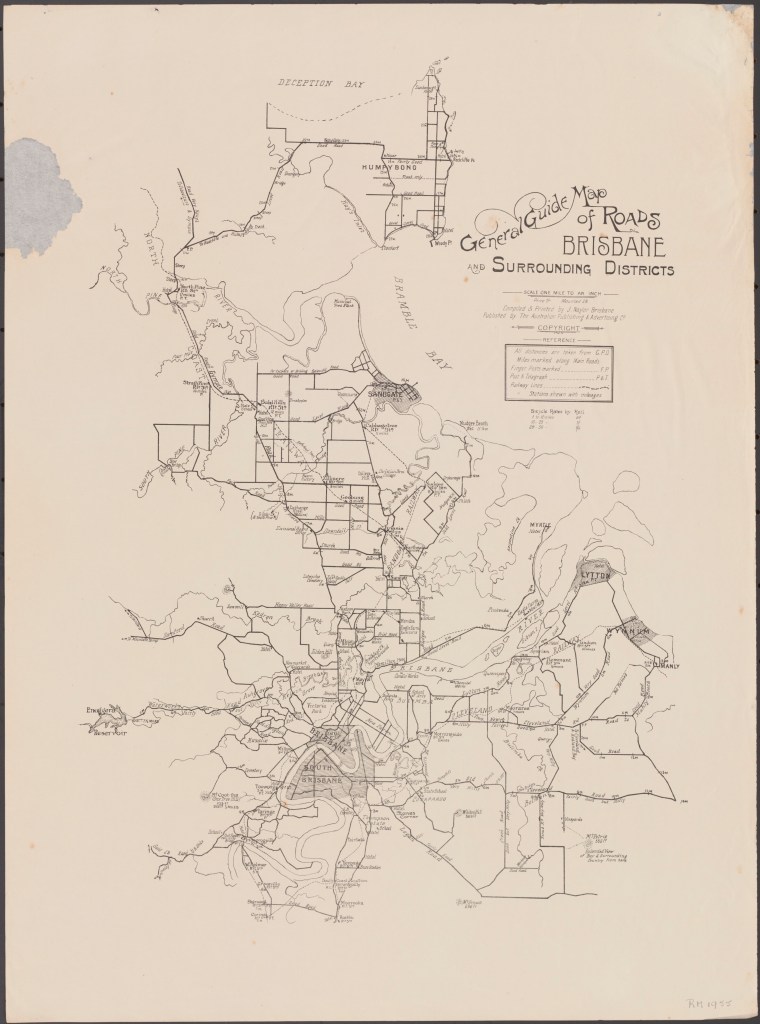
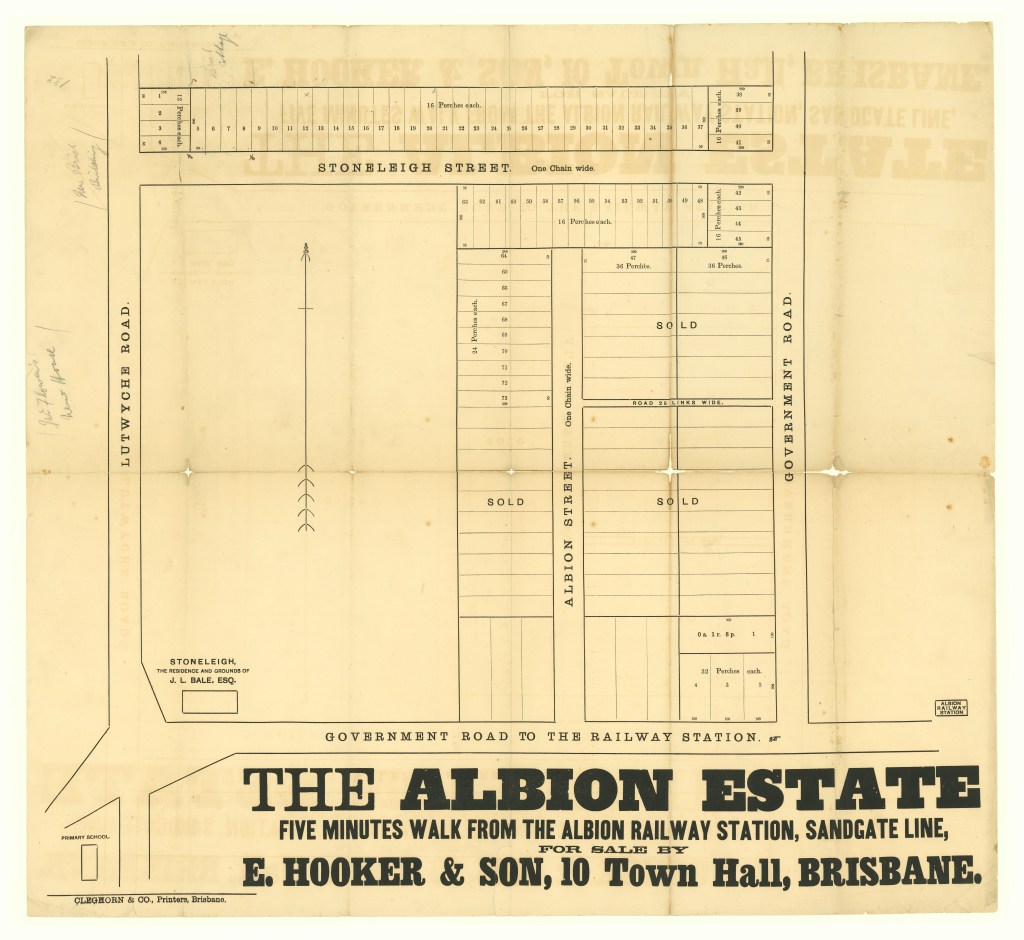
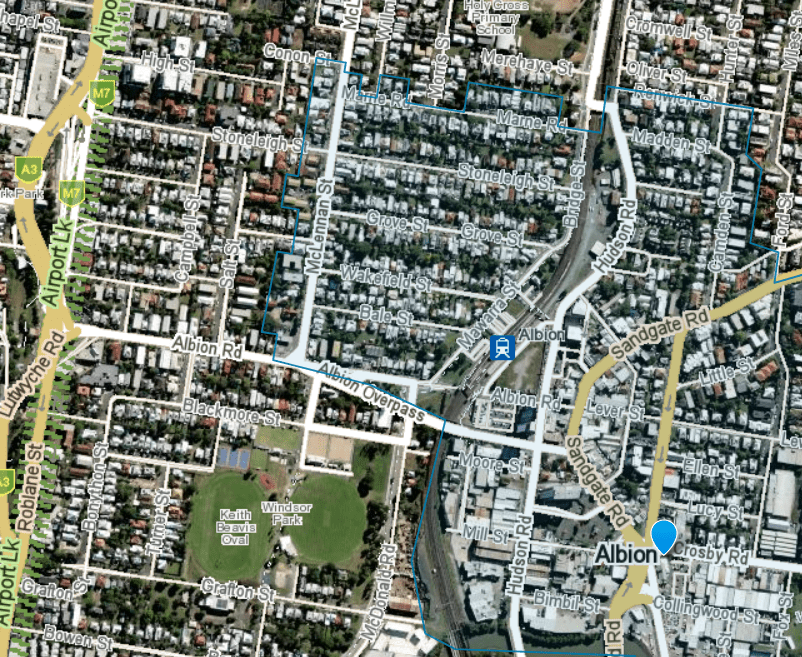
How the area around Stoneleigh Street looked in 1884, and in 2024 (right).
Brisbane’s expansion, the addition of the tramway stops, and the racecourse helped create the Albion we know today.
Life in Albion in Pictures
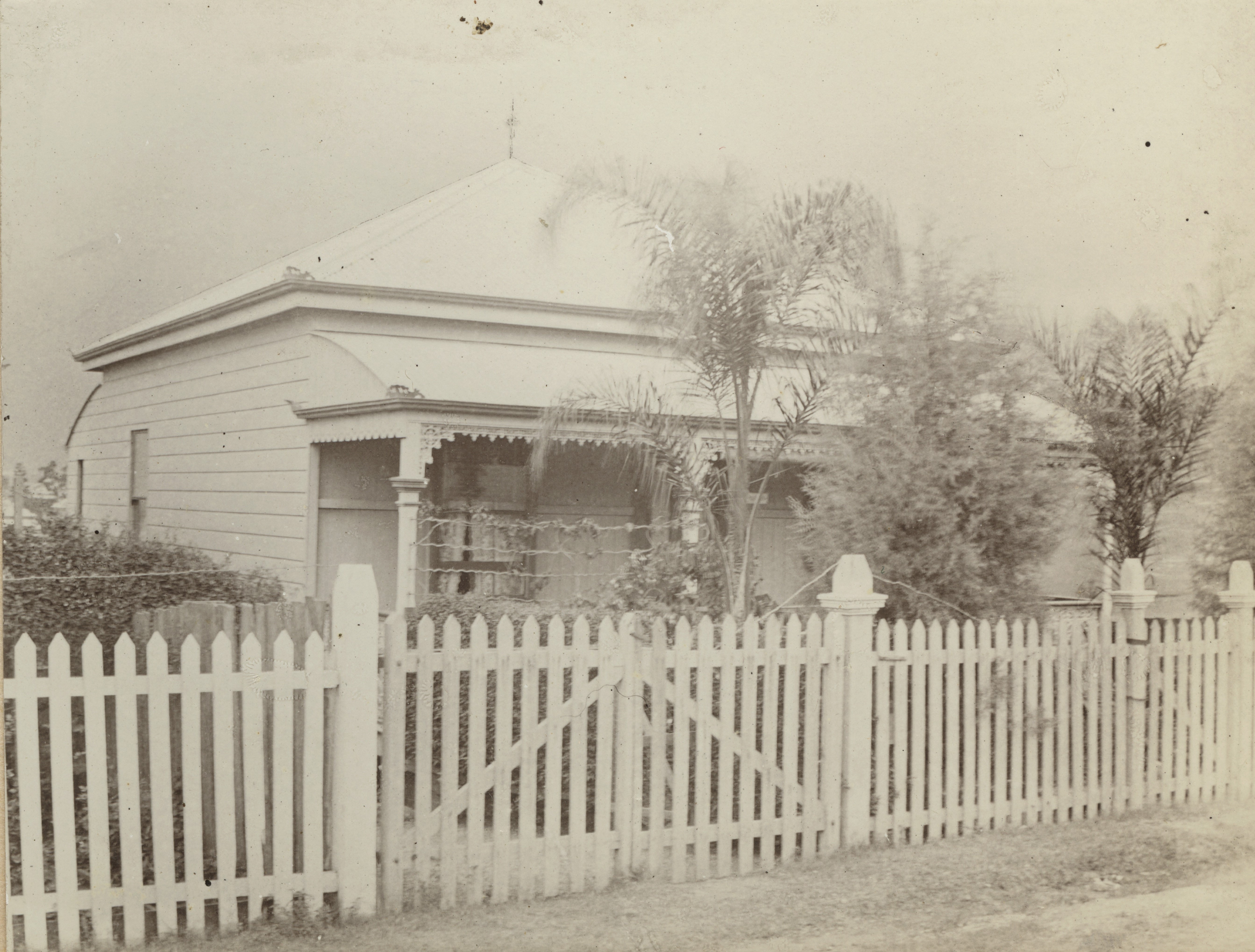
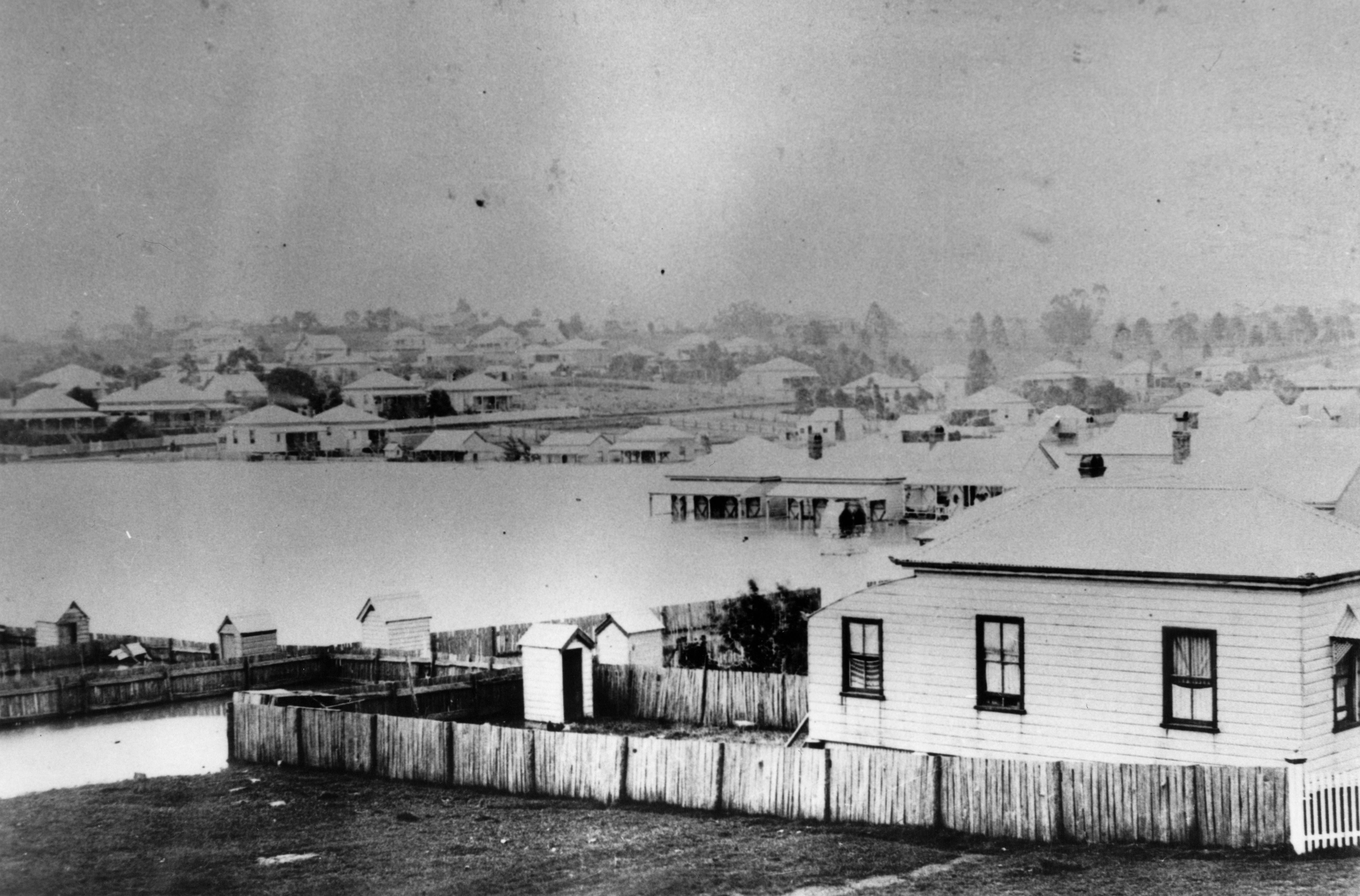
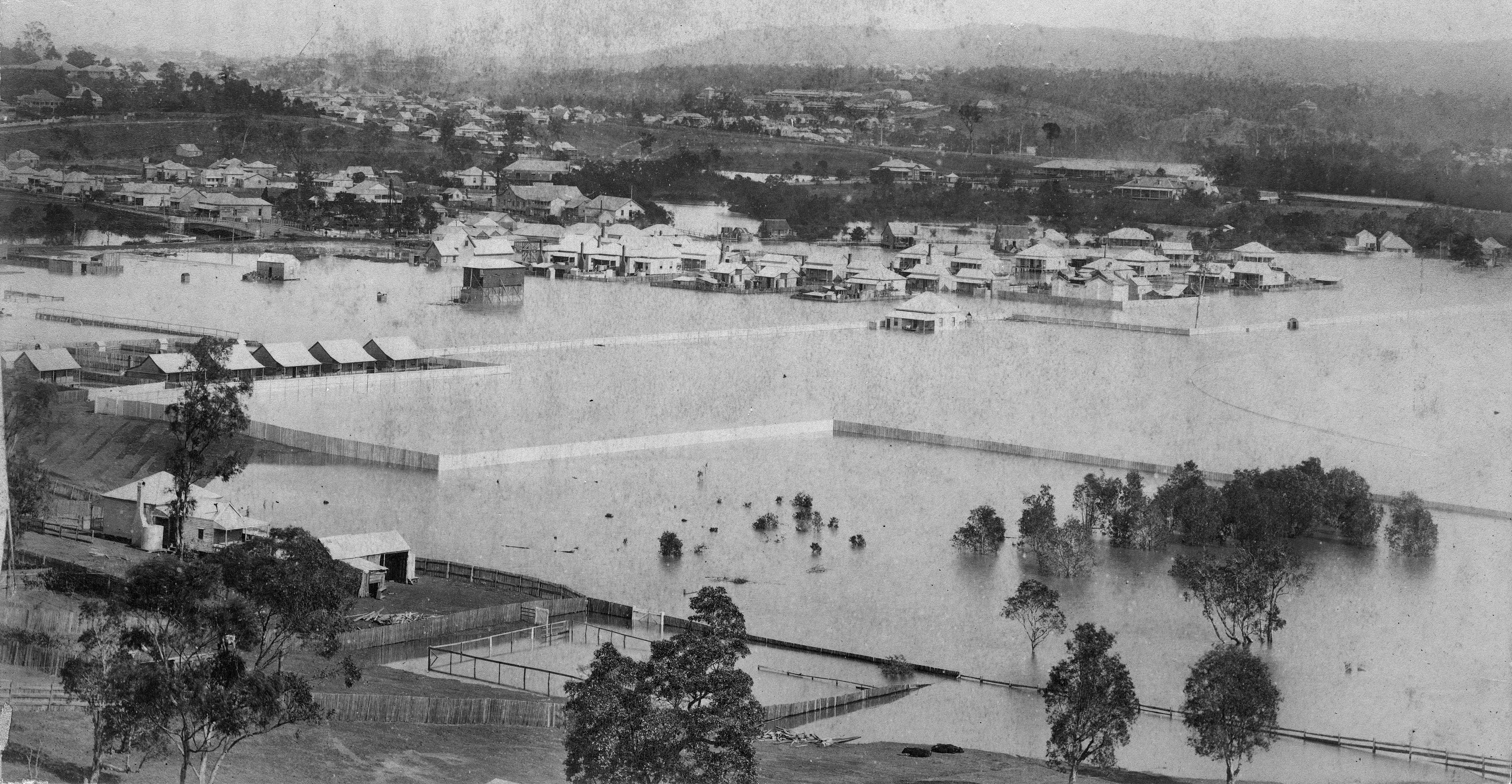
Left: Mr J Jordan’s residence in Stoneleigh Street. Right (top): Floods at Albion. Right (bottom): Albion Park Racecourse in flood in 1890.
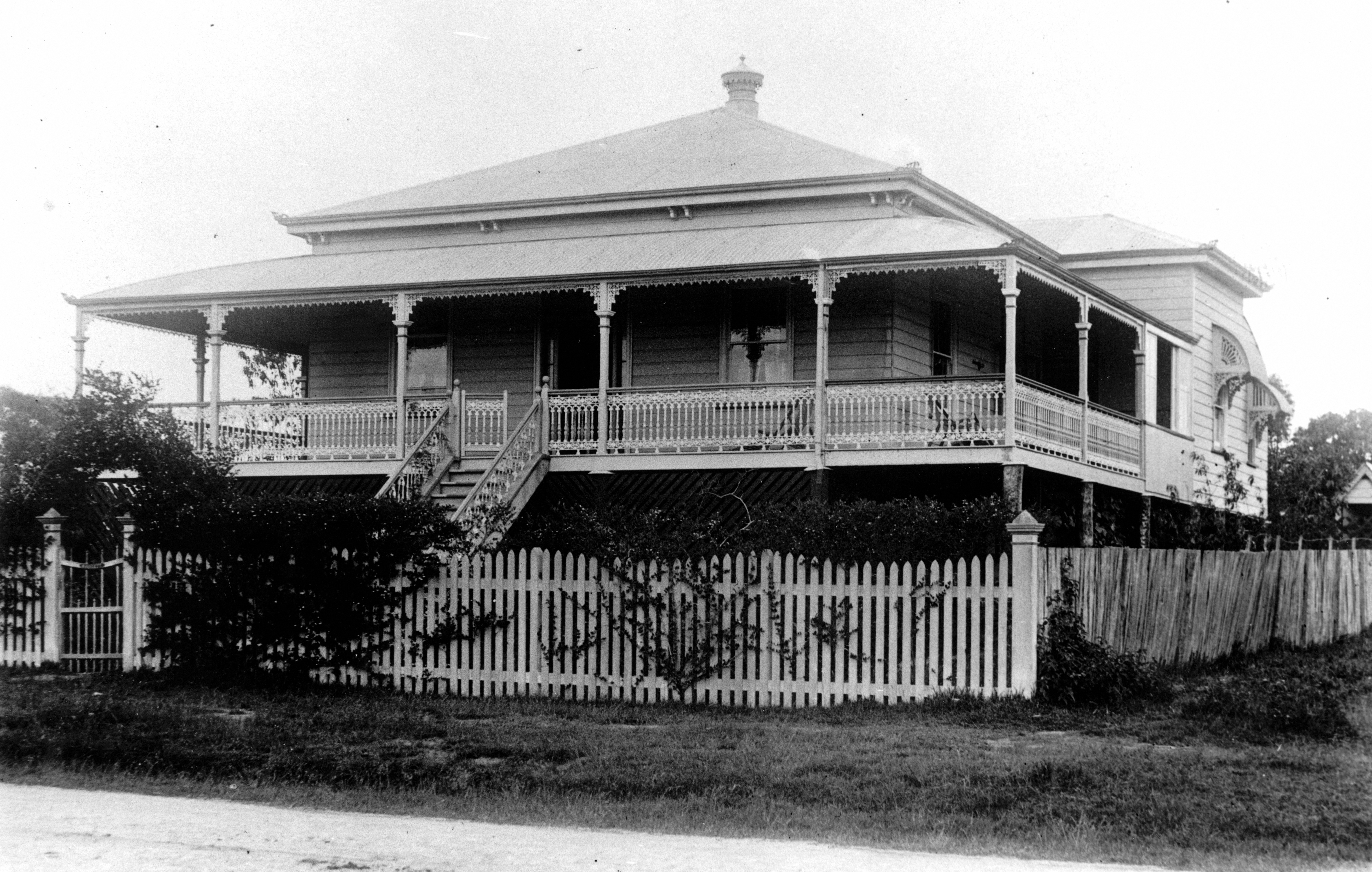
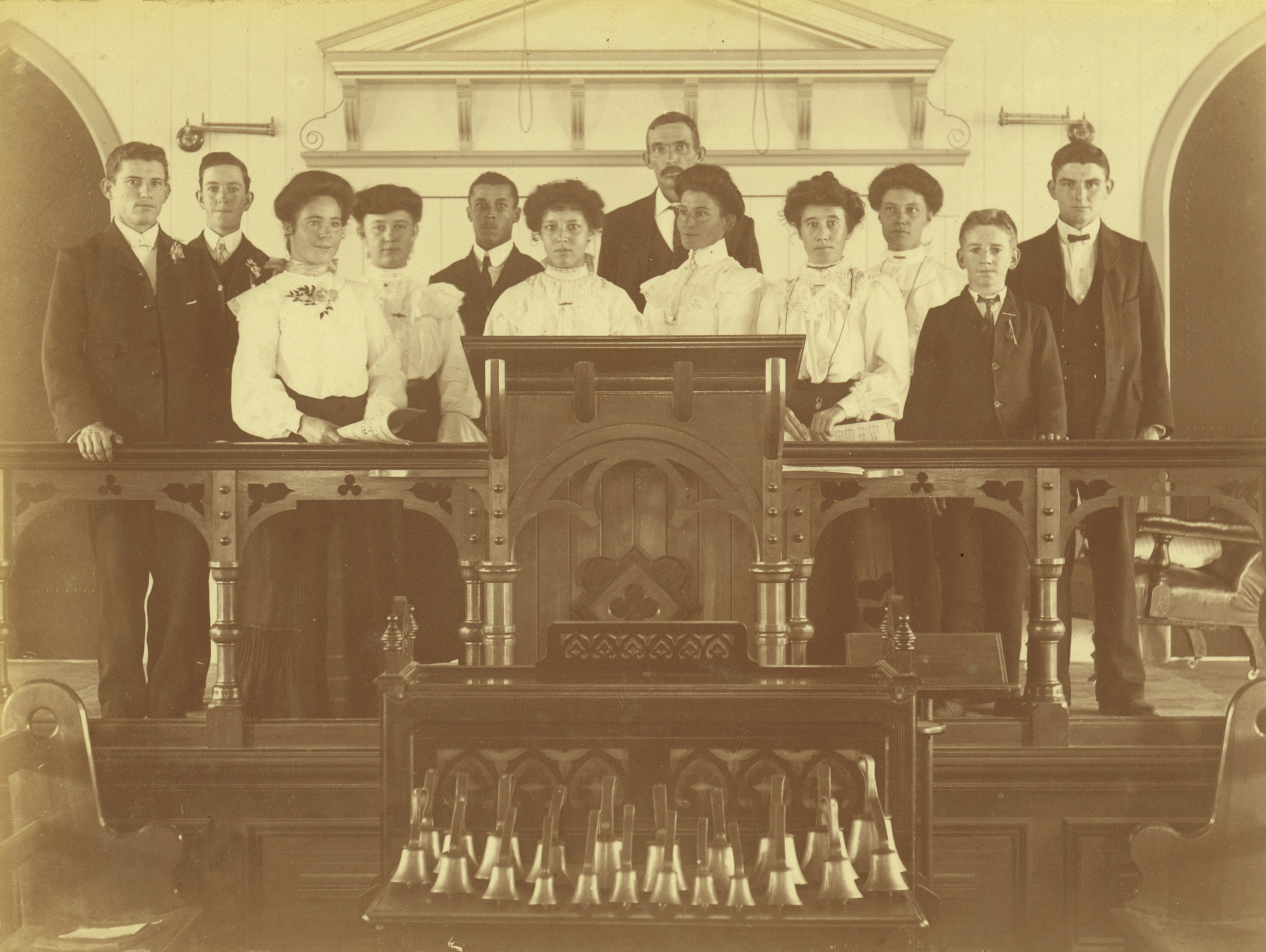
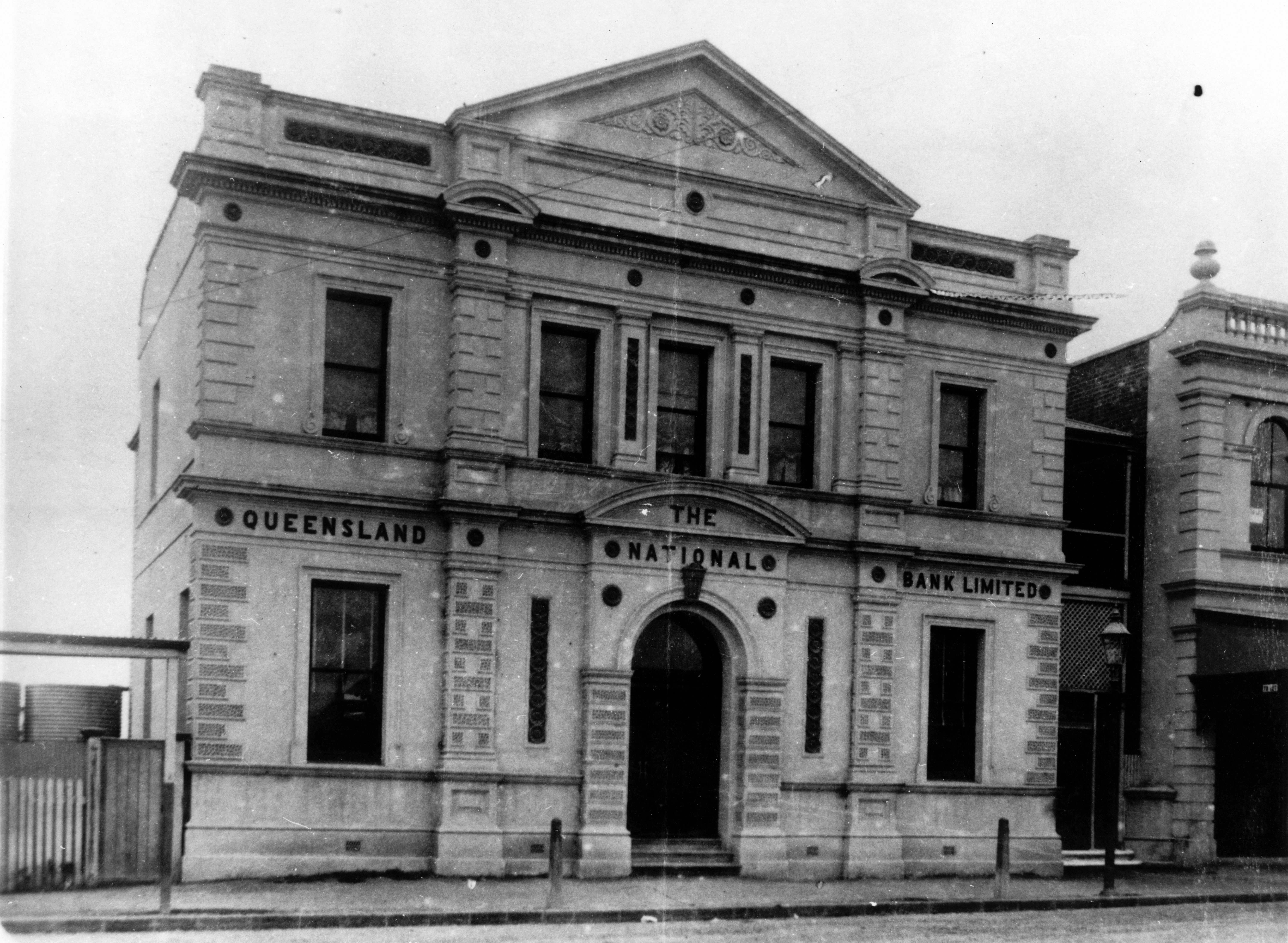
Queenslander-style house in Albion. Top right: The Albion Baptist Church Bellringers. Bottom right: The Albion branch of the Queensland National Bank.
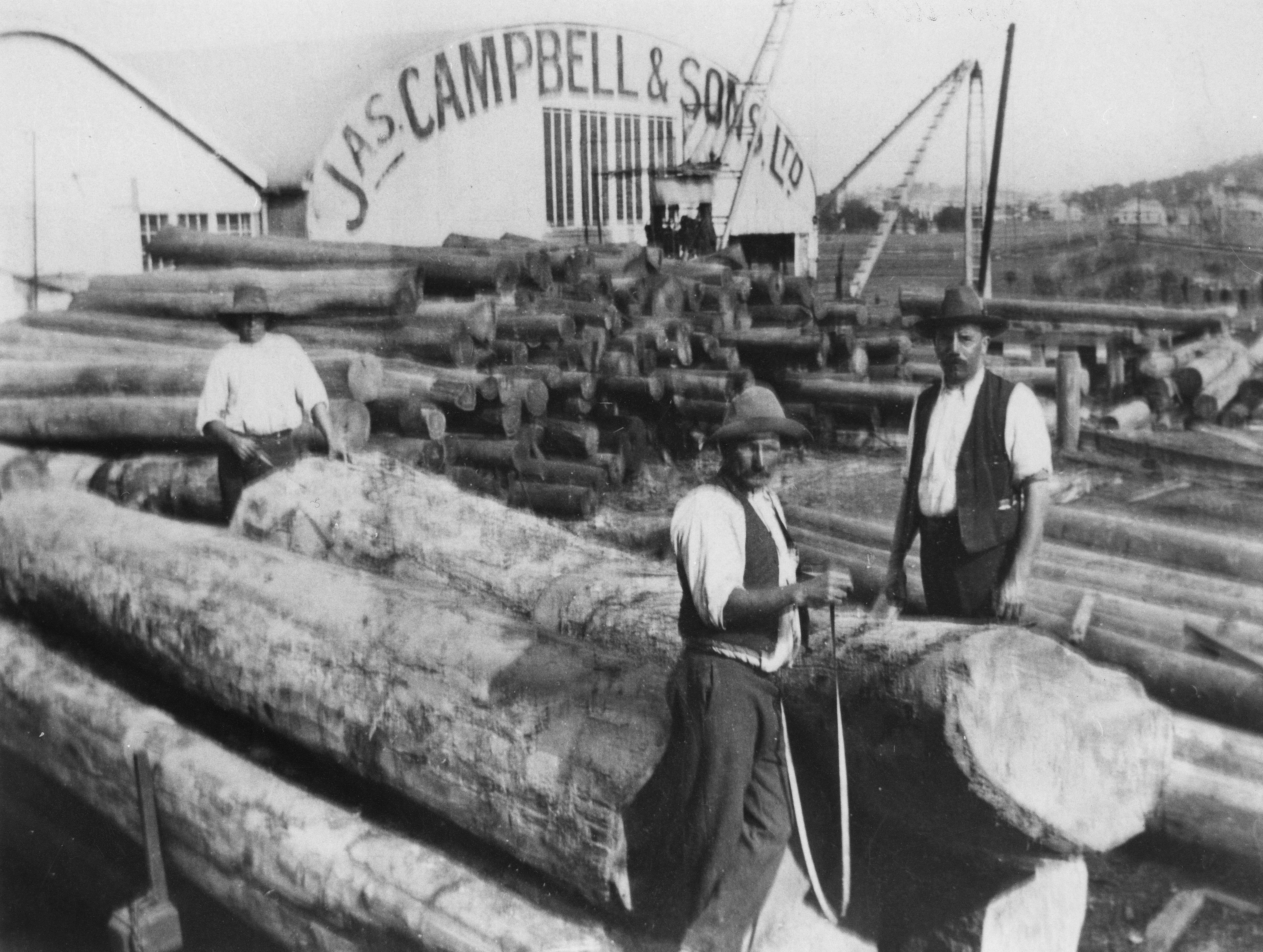
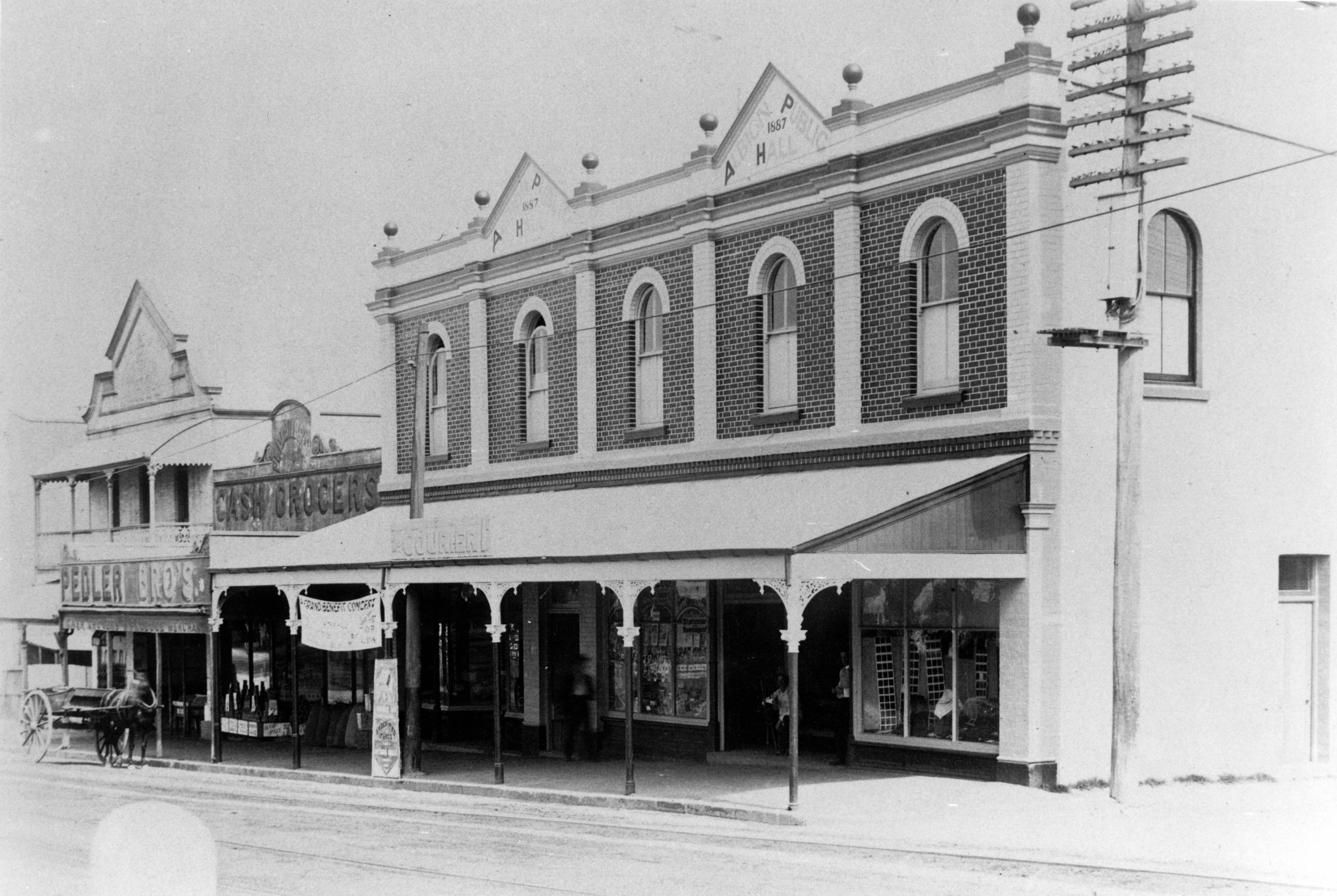
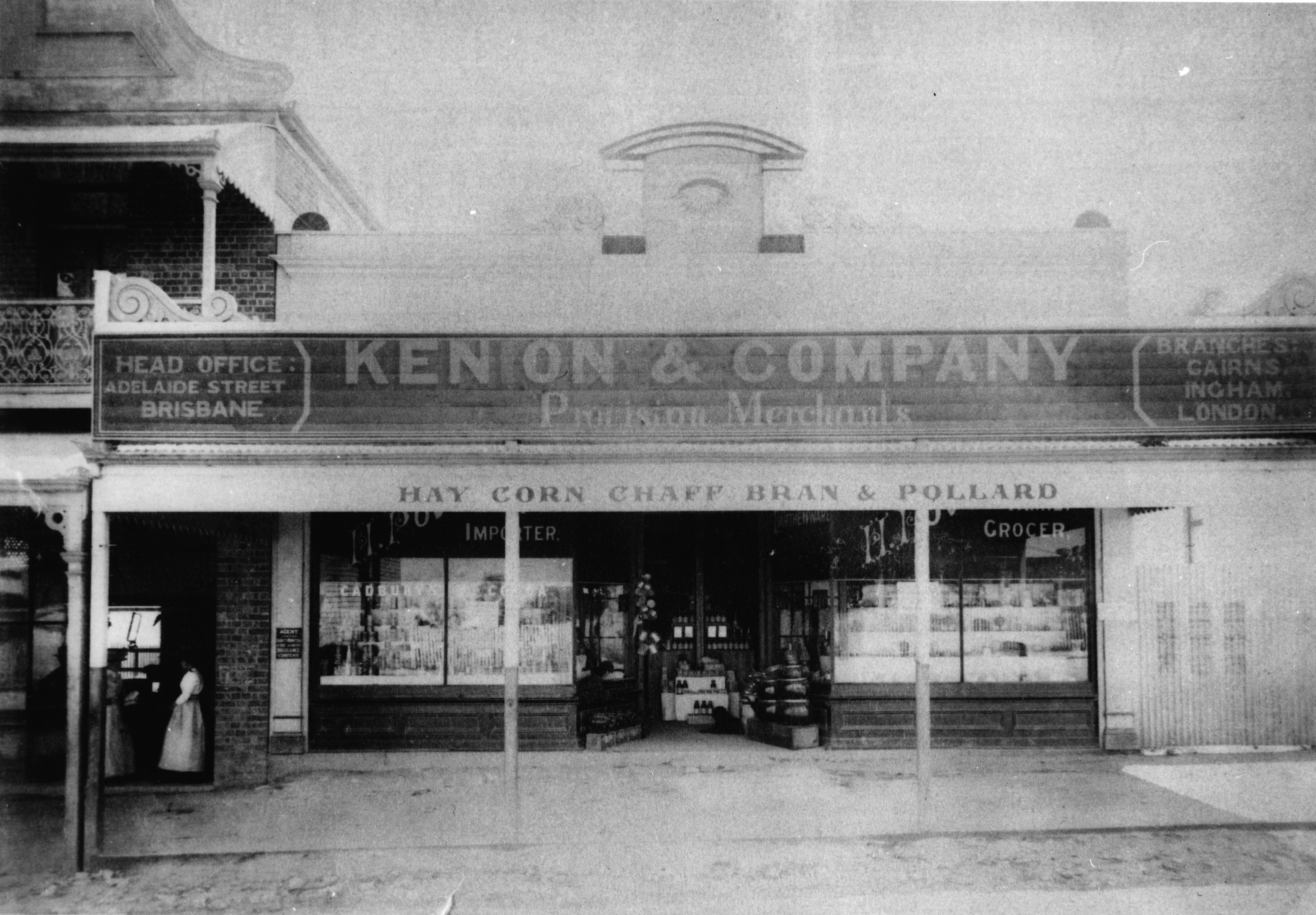
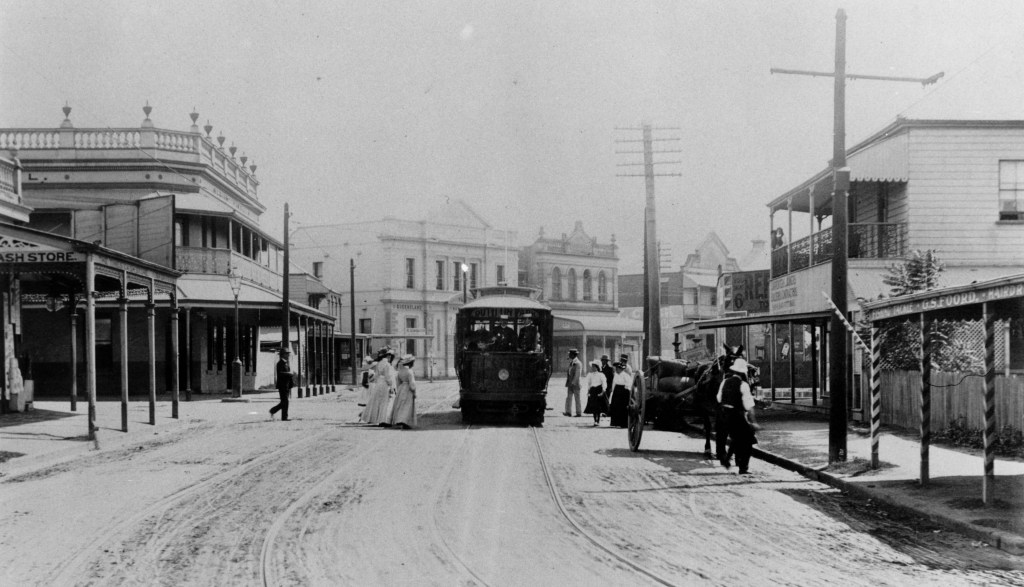
Main photo: Jas. Campbell & Sons Sawmill. Top right: Shops in Albion, turn of the century. Bottom right: Provisions Store in Albion, late 19th century.
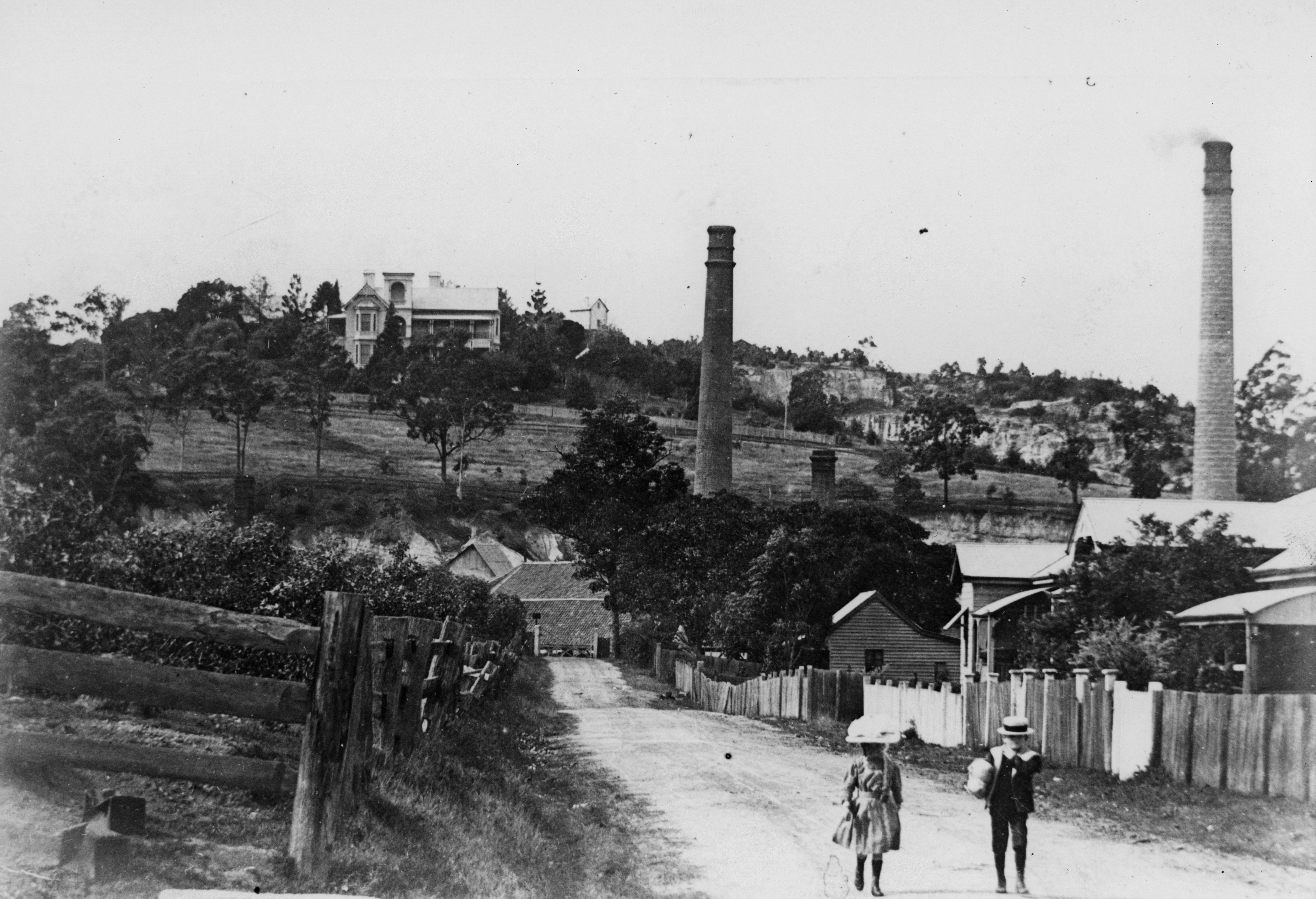
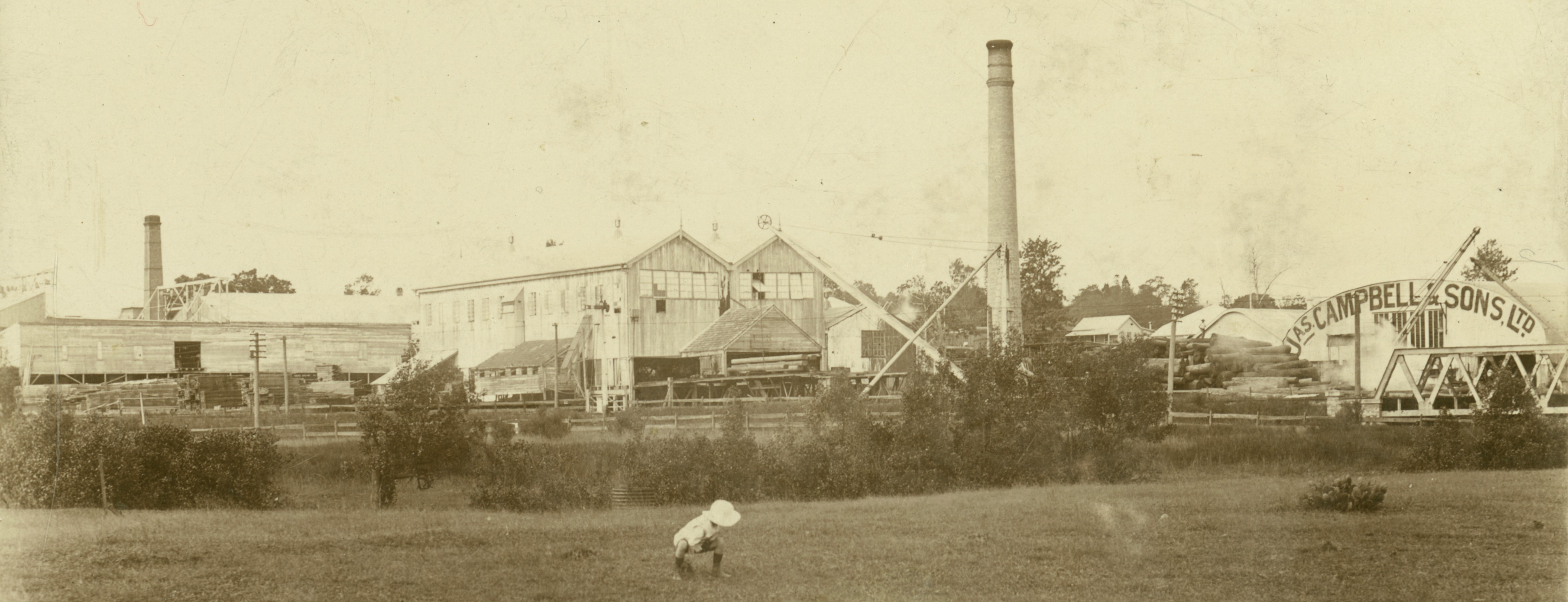
Left: Boy and girl walking up Lever Street. Right: Another view of Jas. Campbell & Sons’ Sawmill.
 Moreton Bay and More