
Mrs. Bailey
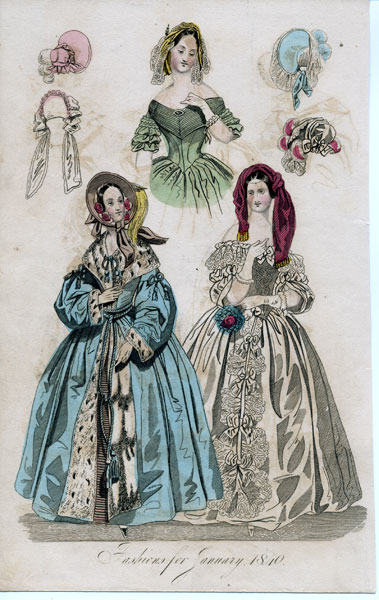
In the late 1840s, and for just a year or so, Brisbane Town had its own silk crinoline-wearing demi-mondaine. Not for long, but she certainly made an impression on Regimental morale. My post about her is here.
Dr Ballow.
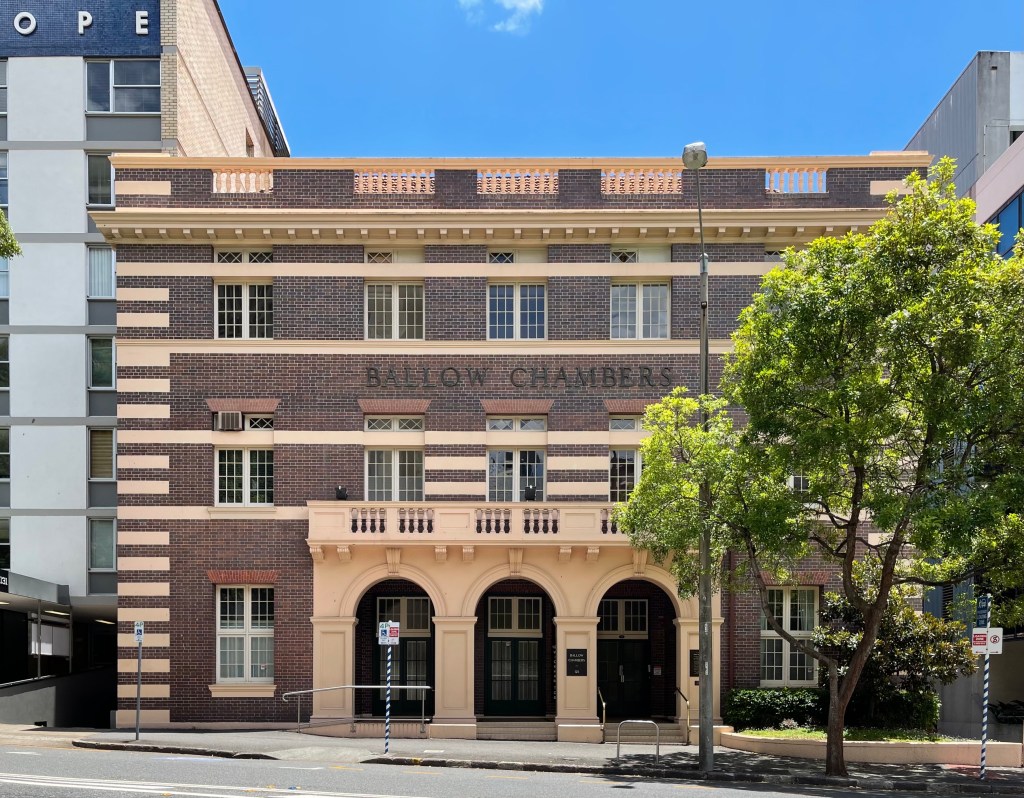
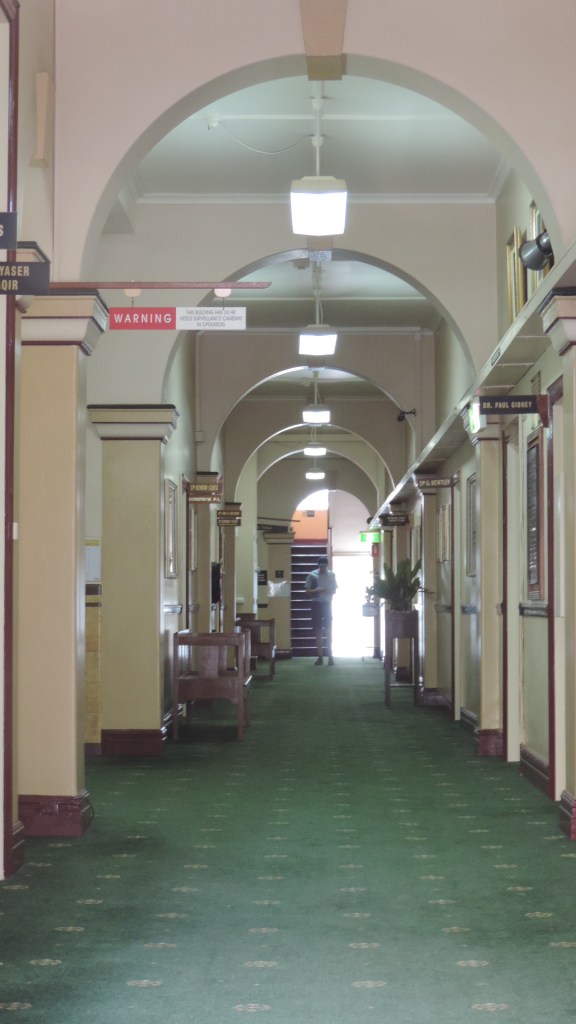
Dr David Keith Ballow is, 175 years after his passing, still part of Brisbane. The landmark Ballow Chambers houses some key names in today’s Brisbane’s medical profession. A plaque commemorates Ballow’s courage during the typhoid outbreak at the quarantine station, and the picture-lined corridors are a mini-museum of early 20th century Wickham Terrace, as well as Ballow’s connection to the House of Stuart.
Barracks.
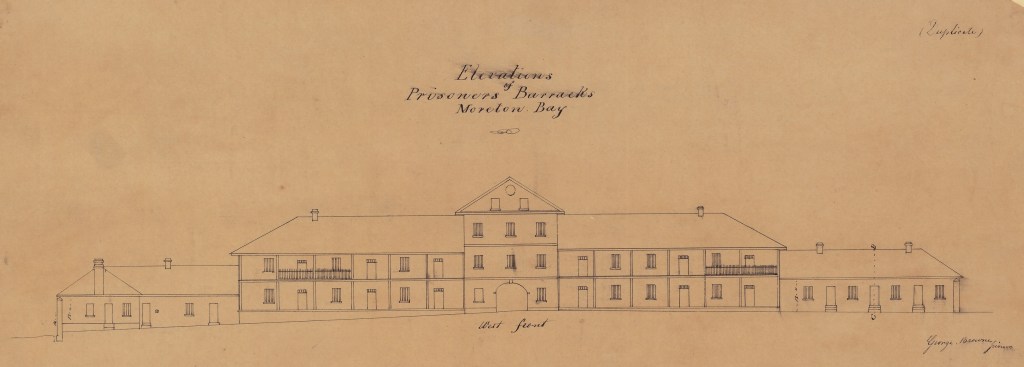
The Convict Barracks were in use from the Logan era to the end of the convict settlement in 1839. They were, briefly, a temporary accommodation for new arrivals in town, and went on to be the Supreme Court, until the late 1870s. Seen as a crumbling and unwelcome relic of a time best forgotten, the building was then demolished. This building had housed thousands of convicts, been the site of murders and attempted murders, and had been the setting for Brisbane’s only convict era executions (Fagan and Bulbridge).

Bishop, Captain
Peter Bishop (d. 1846) was the second Commandant of the Moreton Bay Convict Settlement, succeeding Lieutenant Henry Miller. Under Bishop’s command, the settlement moved from Redcliffe Point to Brisbane. He planned the buildings of the settlement, which were completed when Captain Logan took command in 1826. Prior to his service at Brisbane, Bishop had seen action at a small skirmish called Waterloo.
Blackall, Sir Samuel

Sir Samuel Blackall, an Irish politician and colonial administrator, was the second Governor of the colony of Queensland (between August 1868 and his death in office in January 1871). His tenure was dominated by a crisis in the local parliament. Apparently one of the parties was defeated in an election, and refused to accept the result. Imagine that. Blackall was a quiet, reasonable man and chose to follow a constitutional path, but no doubt the turbulent state of the colony contributed to his failing health. A new cemetery was being opened in the distant suburb of Toowong in 1870. Governor Blackall visited the site, and, knowing that he had very little time left, he chose a gravesite. His memorial stands on the highest point of the cemetery, watching over the turbulent place where he ended his days.
Botanical Gardens.
The first Brisbane Botanical Gardens evolved from the convict-era Government Gardens under the devoted stewardship of Walter Hill. Tom Dowse would recall its first iteration, a wonderland of exotic fruit trees and bamboo forests, seen on his arrival in 1842. A laissez-faire attitude on the part of local officials saw Brisbane Town’s residents pasturing their cows, goats and sheep there, until there was very little greenery left.
Walter Hill would take the Gardens from a barren grazing ground to the lush sub-tropical gardens seen below.
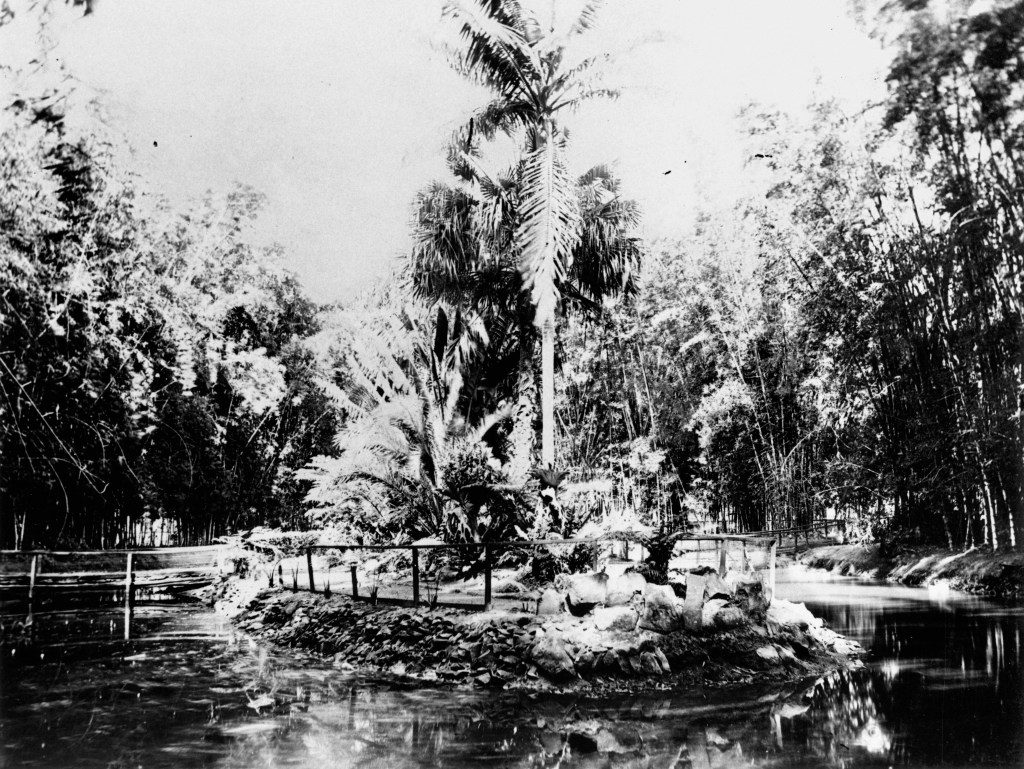
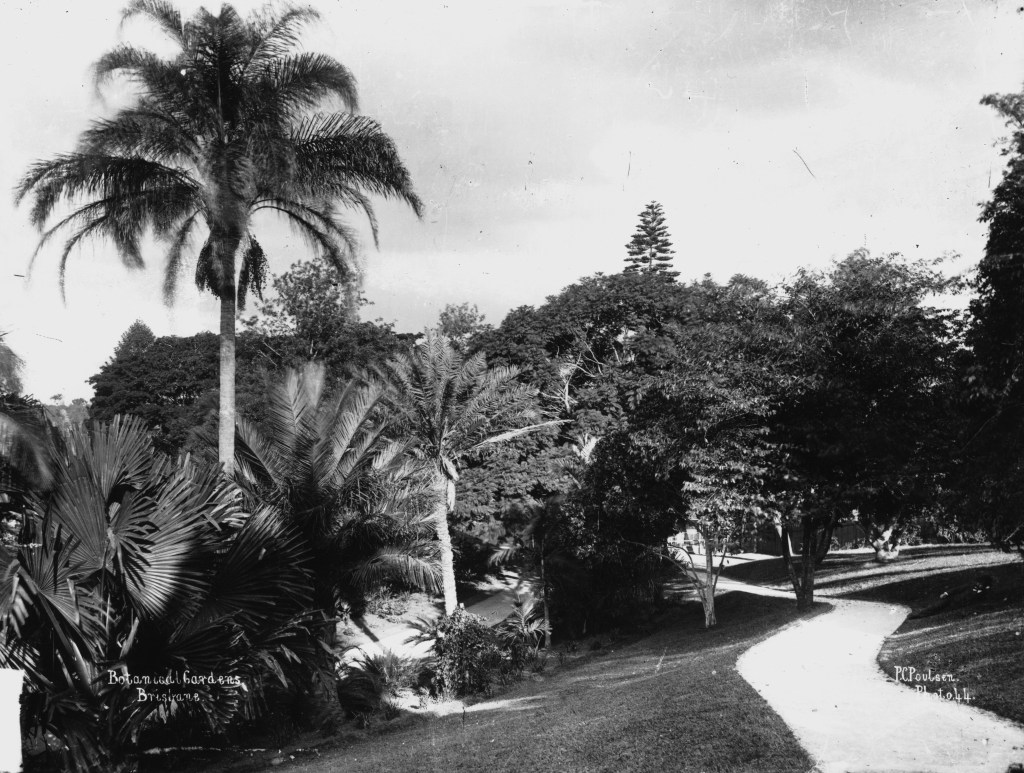
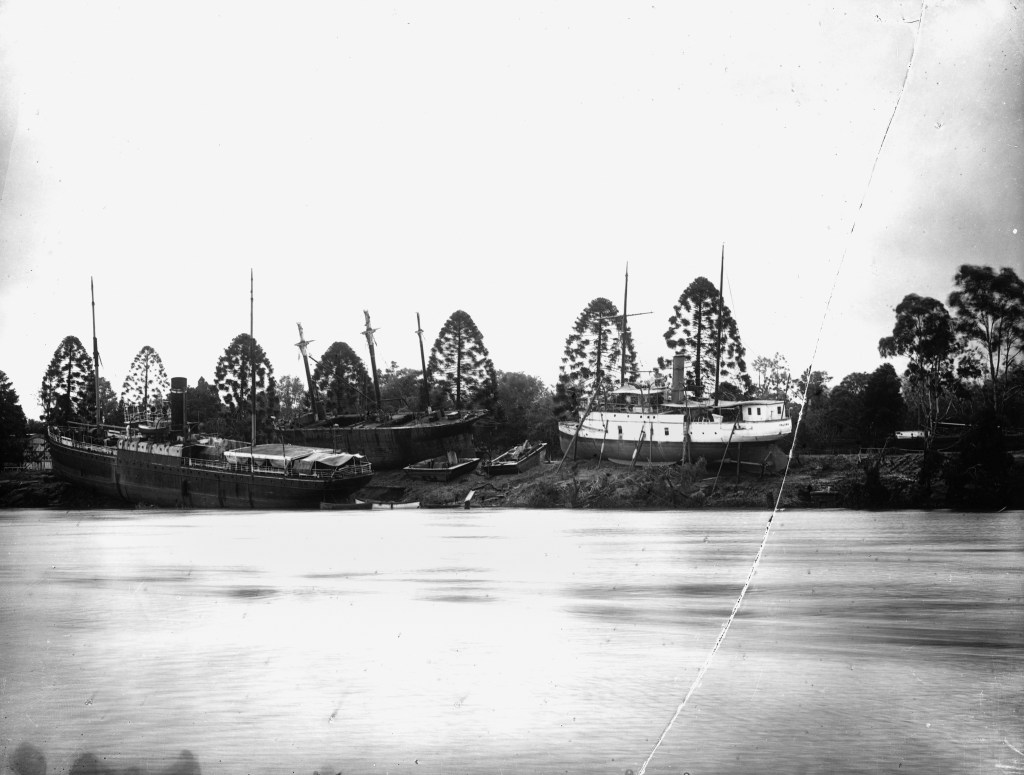
The location, just by the river, could pose a bit of a problem sometimes…
Bowen, Lady (Diamantina) and Bowen, Sir George.
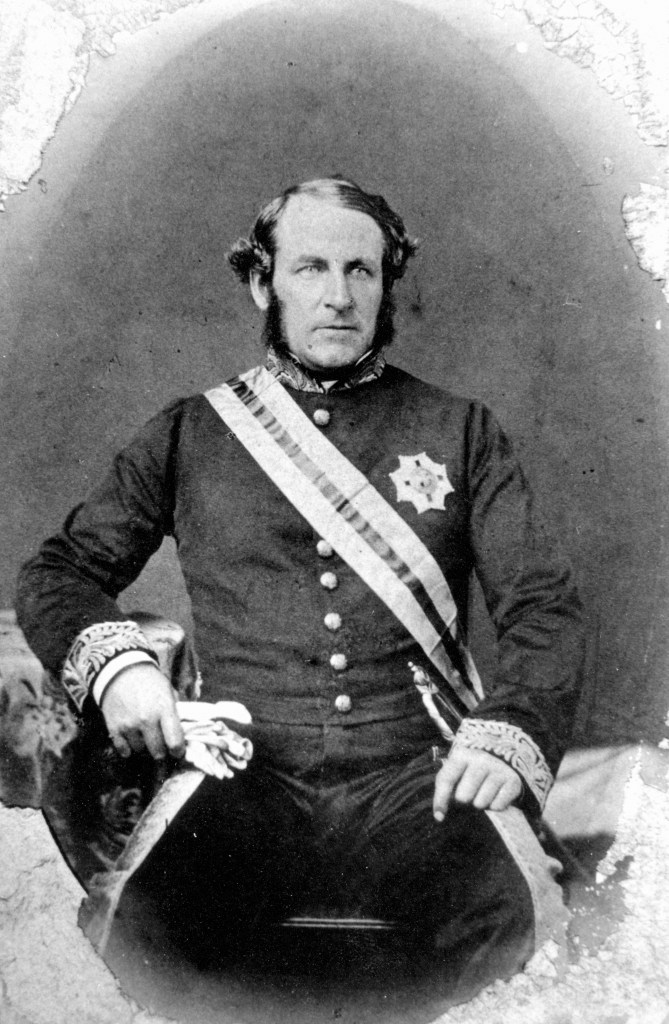
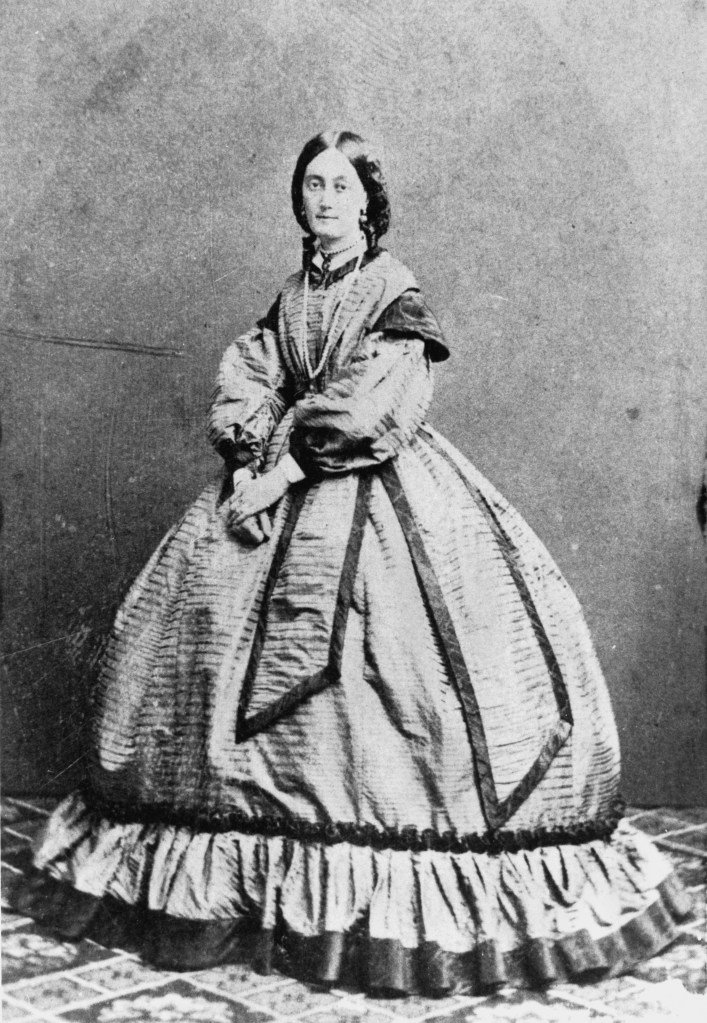
Our first Governor after Separation. He was married to an Italian aristocrat from Greece. We loved, loved, loved, to name things after them.
Bracewell, David.
David “Wandi” Bracewell was a runaway convict, who was located by Andrew Petrie’s 1842 Mary River expedition, along with James Davis “Duramboi.” The gregarious Bracewell is not as well remembered as Davis, except where he has been woven into the Eliza Fraser story. He probably had a lot to do with inserting himself into a scenario he had nothing to do with, but wouldn’t have believed how far later writers took the tale.
Unlike the taciturn Davis, Bracewell didn’t mind recalling his time with the indigenous people of southern Queensland, and might have provided an interesting account to newspapers and journals, had he lived. Bracewell was working at Wacol with Dr Simpson in 1844, when he was killed by a falling tree.
Brisbane Gaol
Brisbane used to be a gaol. From 1824 to 1839, Brisbane Town housed only recidivist convicts and the military officers in charge of them. When Brisbane opened up to free settlers, and some of them required custodial sentences, we had a problem. No gaol. People sentenced to 14 days’ imprisonment had to be sent to Sydney to serve their term.
An arduous campaign of pleading with the Colonial Secretary resulted in a desperately underfunded and ramshackle “repair” to the female factory.
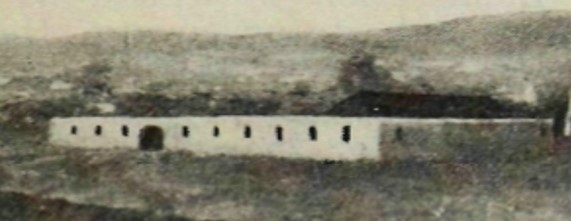
Brisbane Gaol, Version 1 (the former female gaol in Queen Street)
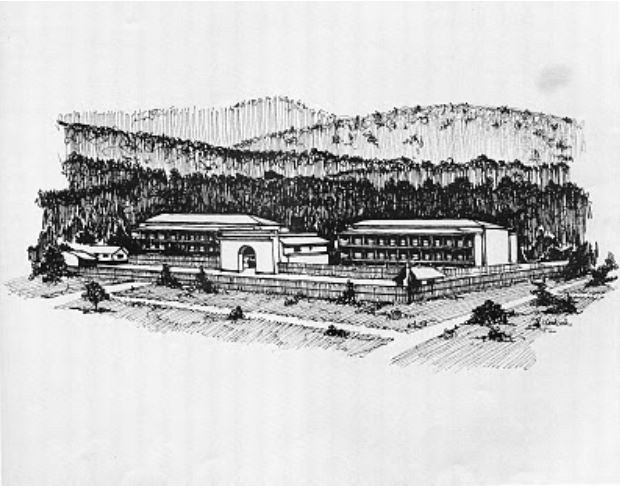
Brisbane Gaol, Version 2. Petrie Terrace Gaol.
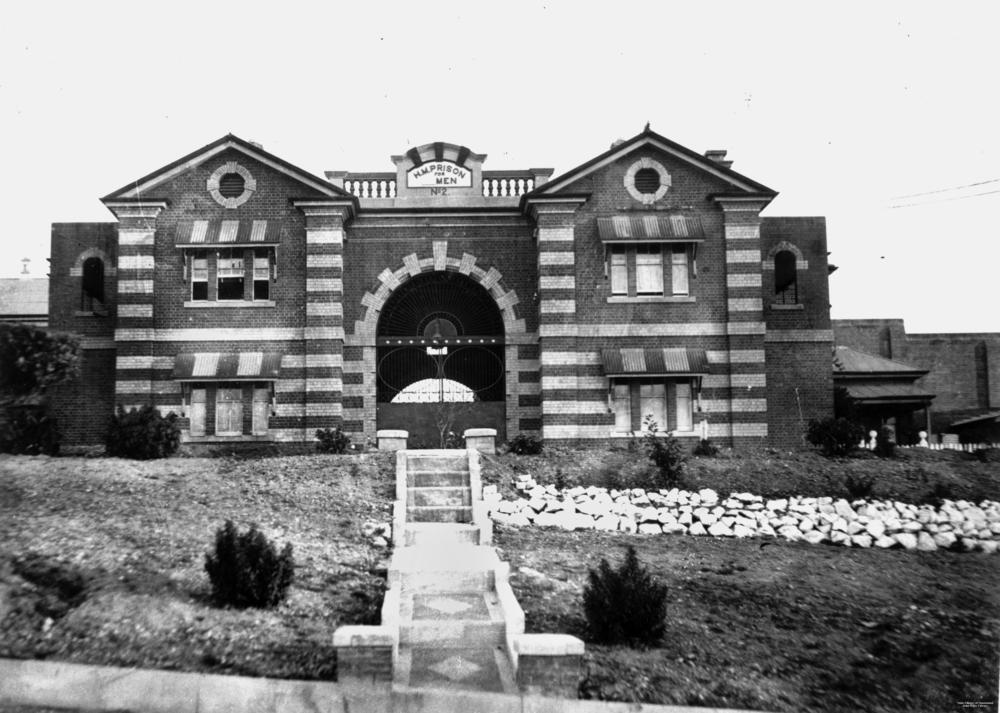
Brisbane Gaol, Version 3. Boggo Road Gaol.
All images are from the State Library of Queensland Digital Collection and are out of copyright, with the exception of:
- Hallway of Ballow Chambers, Wickham Terrace, 2015 by Kerry Raymond – own work. From Wikipedia.
- Ballow Chambers Brisbane, 2020 by Kgbo – own work. From Wikipedia.
- Elevation of Prisoners Barracks, Moreton Bay Convict Settlement. Queensland State Archives Digital Reference: DR 5257.
Information of Sir Samuel Blackall has been taken from Wikipedia and the Australian Dictionary of Biography.
 Moreton Bay and More