
“Like most of his class, he continued constantly drinking.”
Moreton Bay Courier, 1847
Henry Caldicott’s life was looking up. He had some money in his pocket, a ticket of leave, and some time off. He’d come from a station on the Logan after boiling down season and was in Limestone (Ipswich), and ready for a drink. Butchering was a hard job, especially in the season.
He was 36 years old, and his troubled past was behind him. He’d been 25 when he committed a robbery in Berkshire and was transported to New South Wales. His ticket of leave meant that he could earn his own living, free of obnoxious overseers and masters.
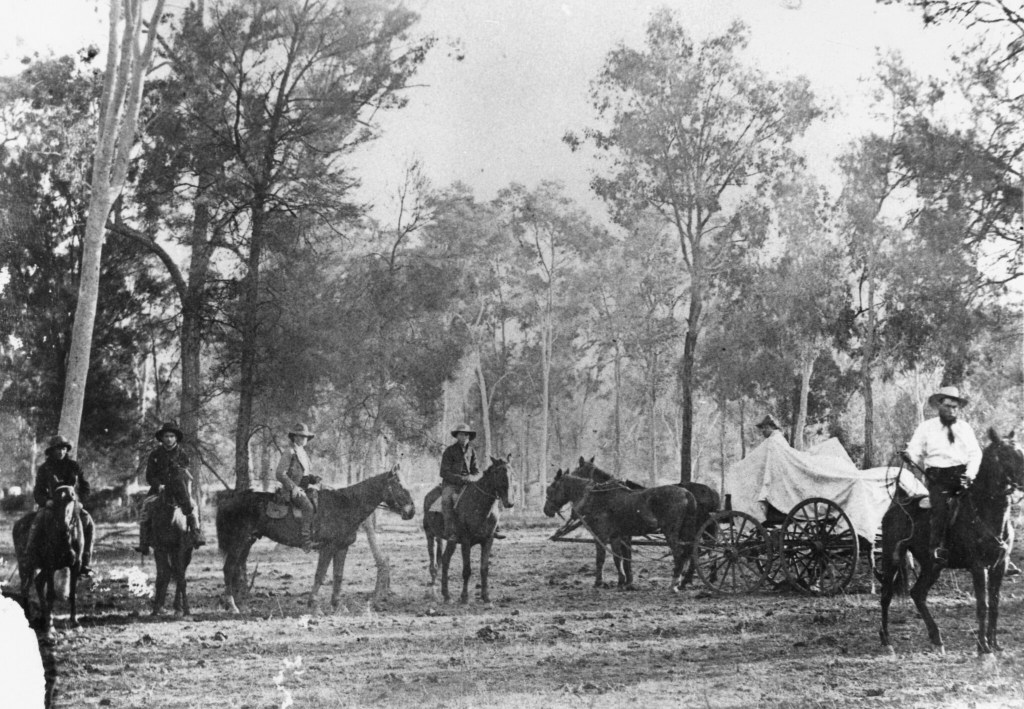
Speaking of obnoxious, there was an Irishman hanging around the door of a butcher’s shop, trying to get people to drink with him. Henry had been drinking since he got to Limestone, but something about this fellow rubbed him the wrong way.
Henry told the Irishman didn’t want a drink – he’d had enough. The man persisted, and asked him, “Is it on account of my country you will not drink with me?”
Henry said, “No, I’ve had enough.” Then he couldn’t resist adding, “I will not drink with you, nor with any man of your bloody country.”
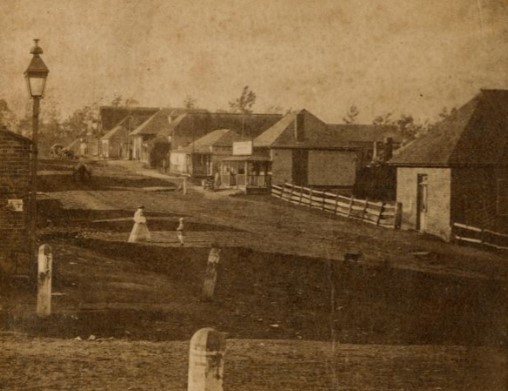
The Irishman was insulted, as Henry had intended. Then he started throwing things. Whatever came to hand. And, because he was at a butcher’s shop, bones were close to hand.
Three bones were pitched at Henry. The first missed and shattered to pieces against a wall. He’d hurled that bone hard. The other two missed, and Henry, disgusted, went to the hut he was staying in.
The Irish fellow stayed outside, shouting and threatening, and Henry couldn’t resist coming out of the hut to laugh at him. The fourth bone the Irishman threw hit Henry on the left side of his head. Hard. He staggered and bit, and hit the ground. He lost consciousness forever.
People were surprised when they learned that Matt Horrigan had killed a man. He was on his way to a station to work the next day. He’d always borne a fairly good character – he liked a drink, but who didn’t?
Horrigan had a thirst on him that day – he’d been round to see William Holt at the butcher’s shop, and asked him if he fancied a drink. William was butchering a couple of sheep for a customer and couldn’t oblige.
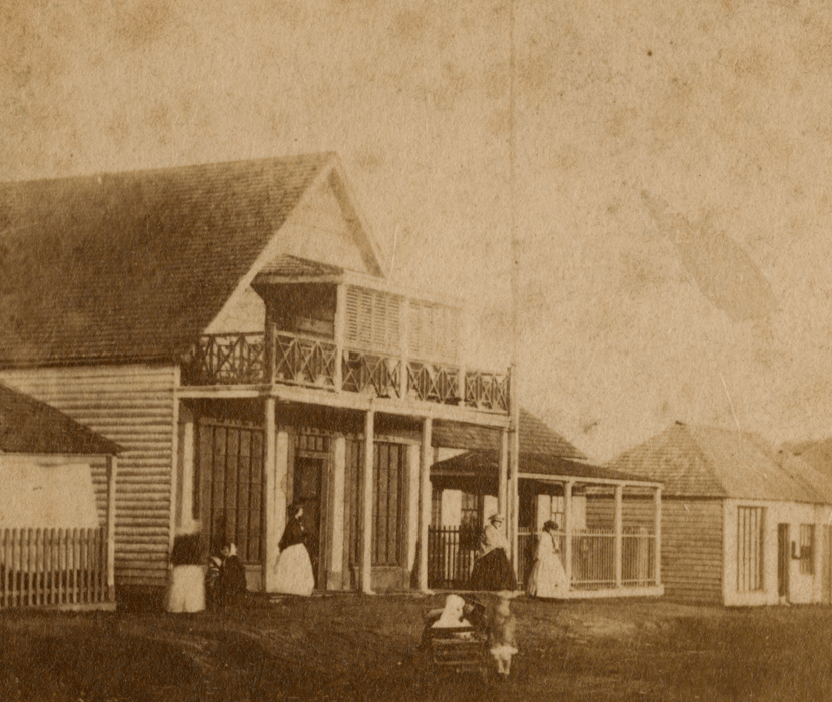
Holt remembered the fellow who refused to drink with Horrigan. Matt had been his usual friendly self, and had greeted the stranger and invited him for a drink. The stranger had been rude. The men had argued, and Matt, who was already in his cups, had started throwing the biggest bones he could find in the yard at the man. It was unlucky that the last bone hit the chap on that part of his head, and hit it so hard. It was a terrible business all round.
Constable Henry Foley went looking for Matt Horrigan. He found him walking on the edge of town. Foley wasn’t armed, but pretended that he was, in the hope of intimidating Horrigan into surrendering without trouble. Horrigan was reluctant, but came peaceably enough. He said he knew nothing about any dead man.
The next morning, Matthew Horrigan stood before the body of the Englishman he’d thrown the bone at. Dr Stephen Simpson and Dr Dorsey conducted an inquest. William Holt, the constable, and a few bystanders came in and testified about the incident. The man who died was named Henry Caldicott, he discovered. Dr Dorsey said he’d died of bleeding on the brain, after a blow to the left side of his head.
Matthew Horrigan said he knew nothing about the incident. He didn’t want to say anything. He was by turns angry and terrified because he knew he was going to be charged with killing the man. The man he hadn’t wanted to kill. Hadn’t meant to kill. And the drink had well and truly worn off.
The inquest finished, and he was charged with murder. Next time they took him to court, it was manslaughter. He could still hang for that.
The police took him under escort to Sydney, and he found himself in front of the Chief Justice of New South Wales, Sir Alfred Stephen. The judge’s face was by turns aloof and oddly kindly. The jury found him guilty of manslaughter but recommended him for mercy. Perhaps he wouldn’t swing for that Englishman.
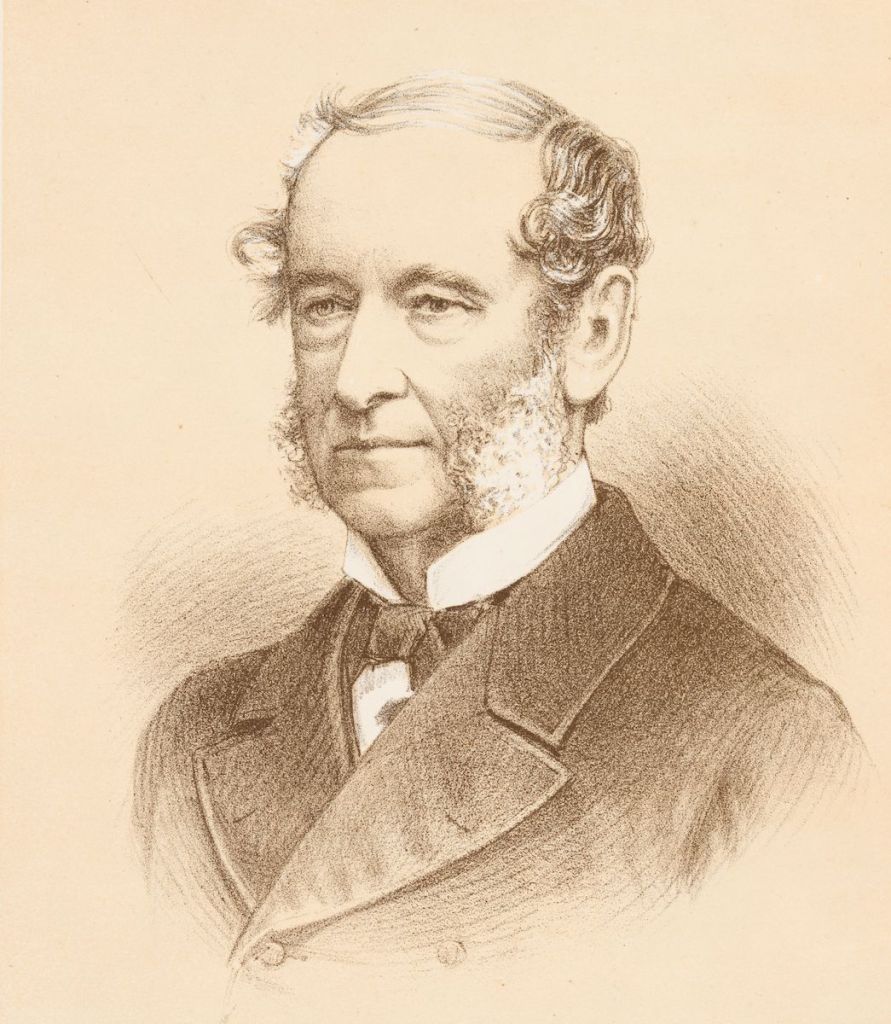
Sir Alfred didn’t put on a black cap. Matt Horrigan started breathing again. The judge said that it was as close to a murder as could be, but the sentence would be five years on the roads, the first three in irons.
Matthew was just relieved that he would live. Over the years, he would look back, and wonder how his life would have been if the fourth bone had missed. If he hadn’t been so drunk. If the Caldicott fellow hadn’t been so snooty. If.

 Moreton Bay and More