

Female Factory, Queen Street
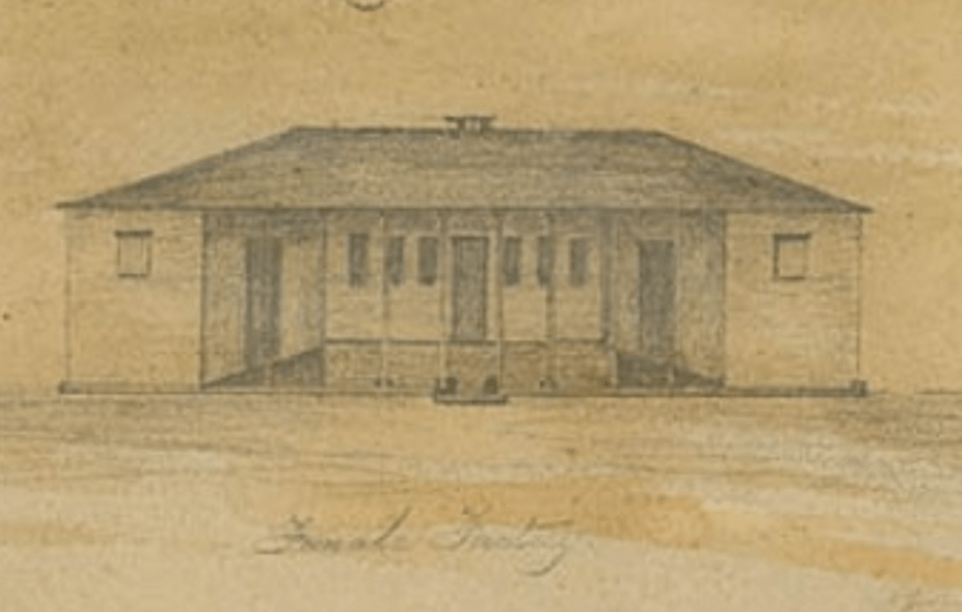
The Female Factory was built during the Logan era of the Moreton Bay Penal Settlement to house the unruly female offenders that Sydney was dying to get rid of. Security in the Queen Street facility was somewhat wanting, and, in order to protect the female convicts from unwanted attention from male convicts and soldiers, the ladies were sent out to Eagle Farm to pay for their sins.
After years of neglect, the building was refurbished (cheaply and poorly) to become the Brisbane Gaol. That establishment proved unfit for purpose, and another gaol was built a decade after the Queen Street Gaol opened.
The area once occupied by the Female Factory is now home to the Brisbane GPO and the Macarthur Centre.
Ferries
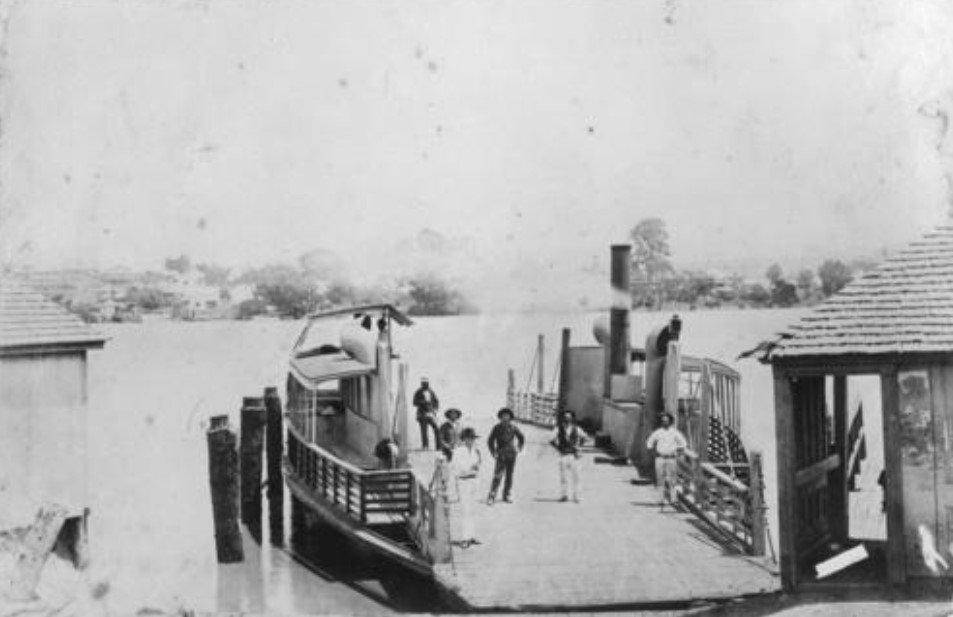
Before Brisbane became a city of bridges, it was a township that relied on ferries to get from South to North. John Williams was an early ferry-boat operator, as was Thomas Dowse before he found his footing as an auctioneer. In the very early years, the ferry service was as haphazard as everything else in town. The Moreton Bay Courier moaned incessantly about the irregular service, and the dues collected by the government in Sydney from the long-suffering river crossers of old Brisbane. There is a story, which I desperately want to be true, that Andrew Petrie’s pet parrot learned to squawk out the cry of “Over,” thus summoning the ferryman across the river, where he would find no passengers on landing.
Figaro
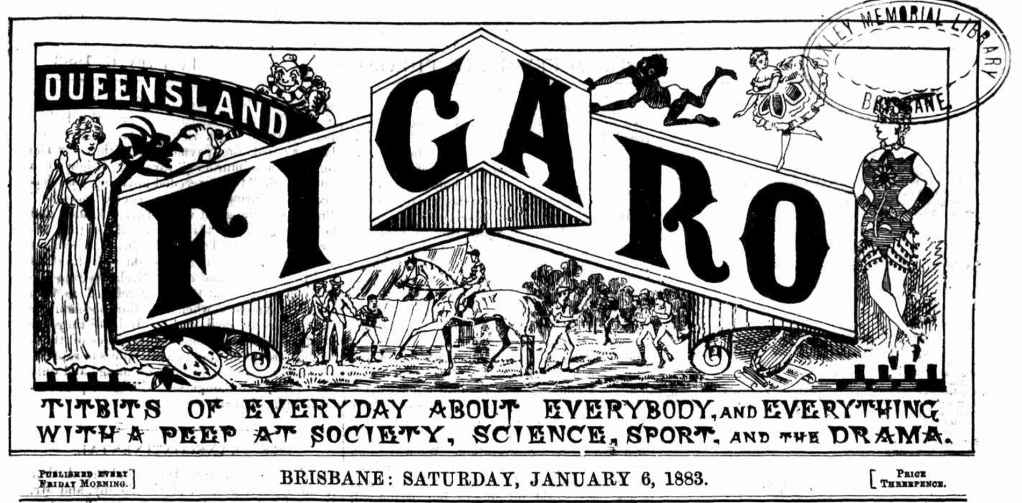

The Queensland Figaro (later Queensland Figaro & Punch) was first published in January 1883. That first edition’s editorial proclaimed a new and independent journalistic voice that would examine society’s ills and “speak evil of none.” Presumably, the Figaro felt that Chinese people, South Sea Islanders, Indigenous Australians and Sir Samuel Griffith didn’t count, and spoke as much evil of them as it jolly well pleased.
Fires
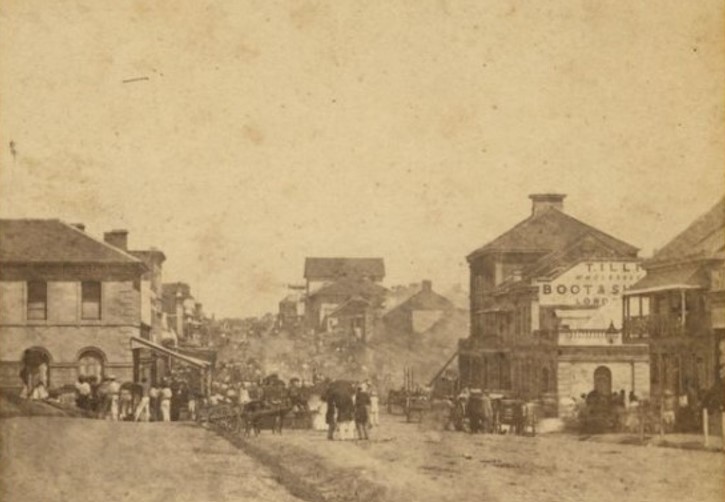
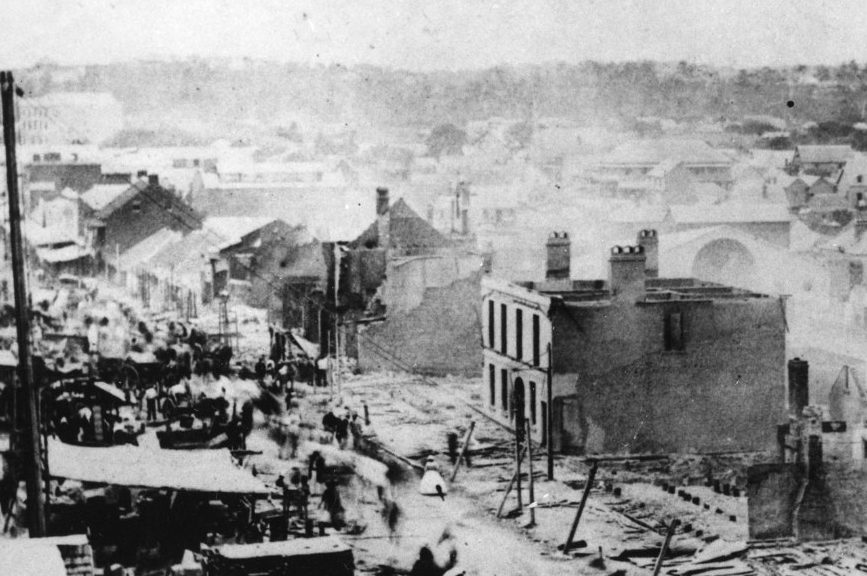
Brisbane had a lot of jerrybuilt wooden houses and stores in the early days – all crammed cheek by jowl along Queen Street. In 1864, there were two catastrophic fires, and haunting photographs of them show the devastation they caused.
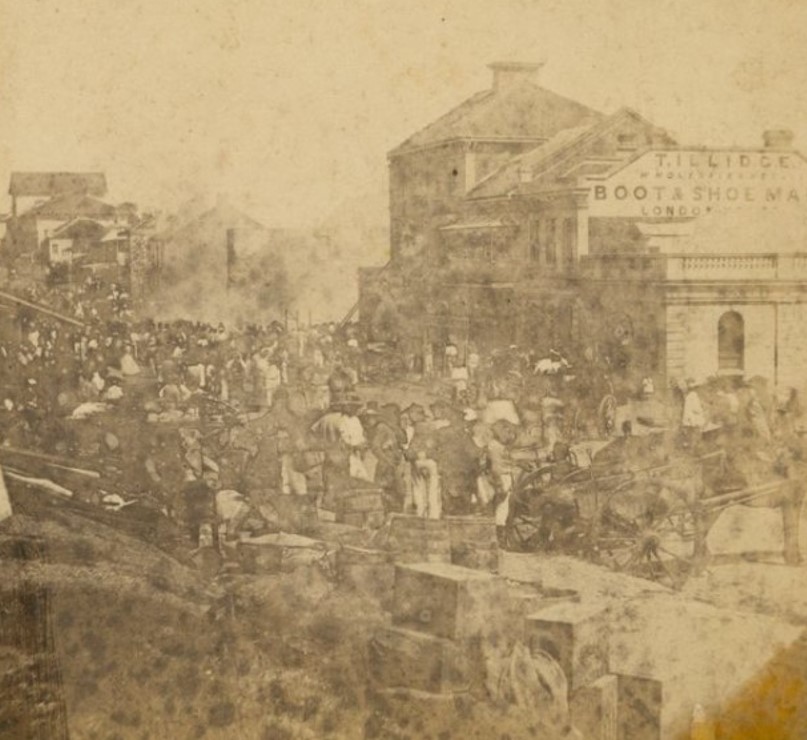
Brisbane Courier (Qld.: 1864 – 1933), Saturday 17 December 1864, page 6
Floods
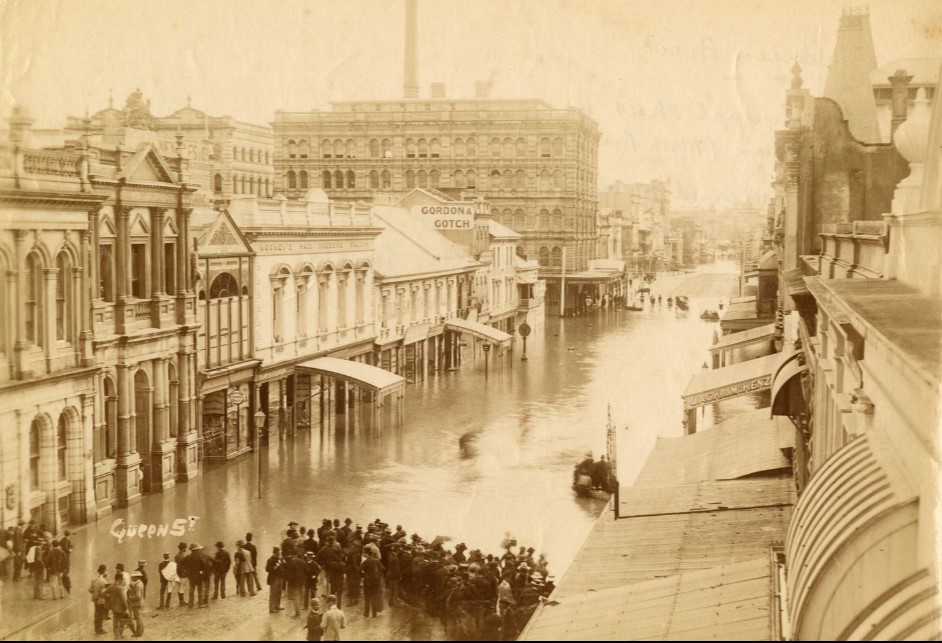
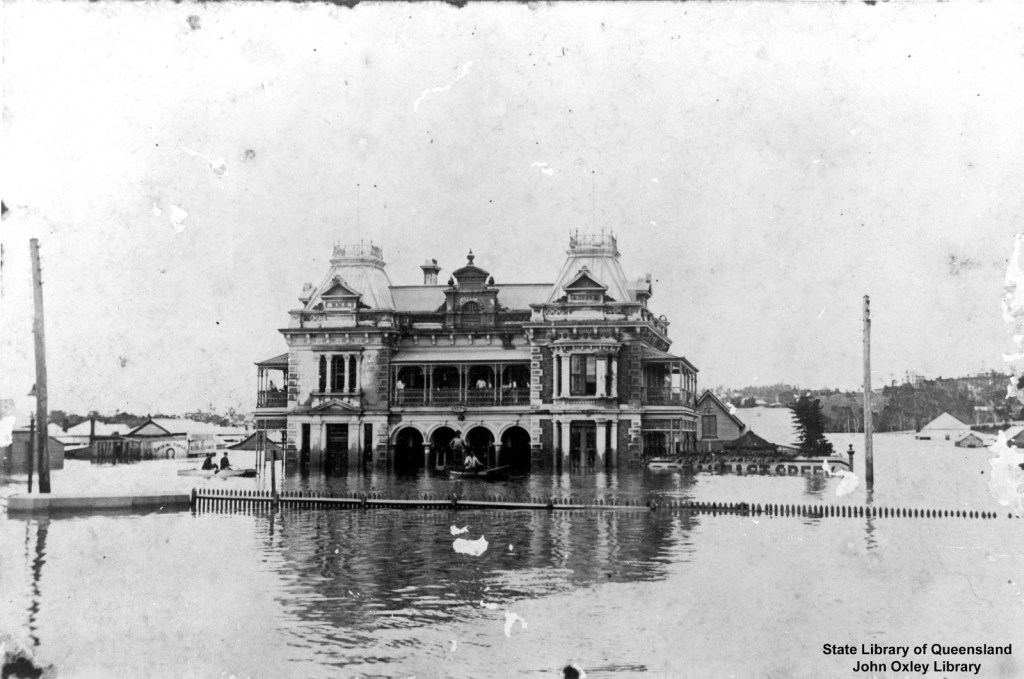
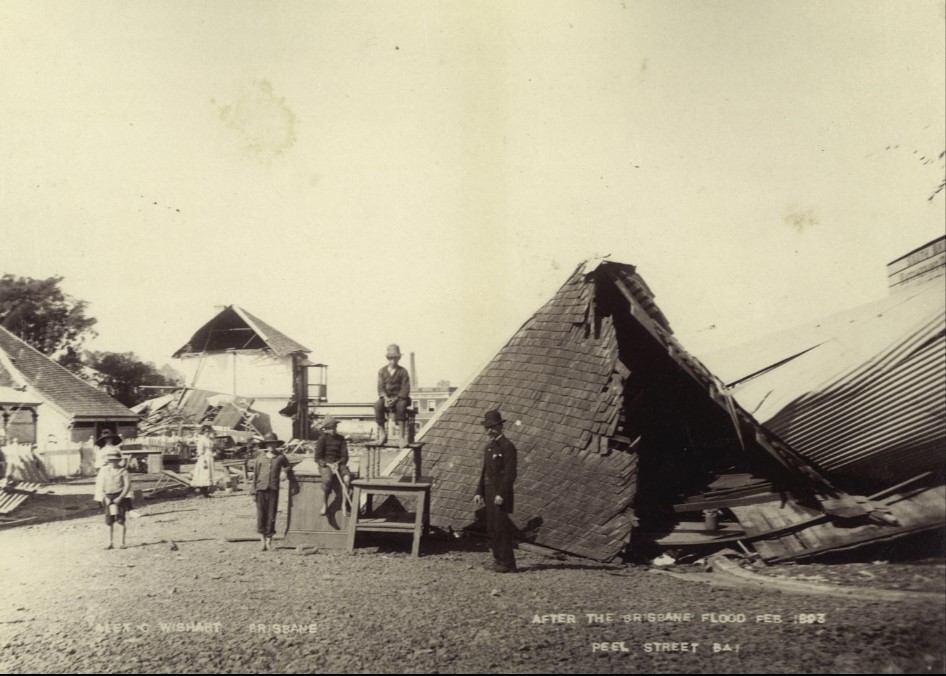
Was Brisbane a city with a river problem, or a river with a city problem? (I can’t remember where I heard that saying, but it’s brilliant, and true.) The Brisbane River is prone to severe flooding, with 1893, 1974 and 2011 seen as the worst examples. Here’s the famous early flood of 1893, and its impact on both sides of the river.
Flying Pieman / Foot races
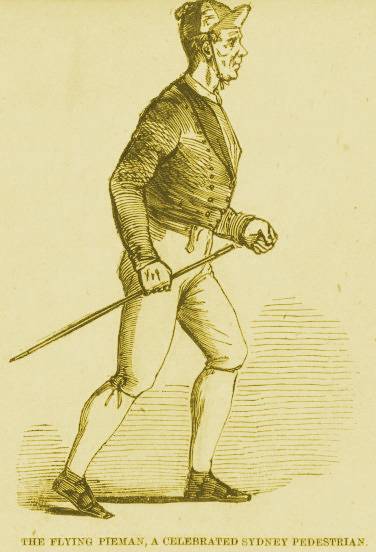
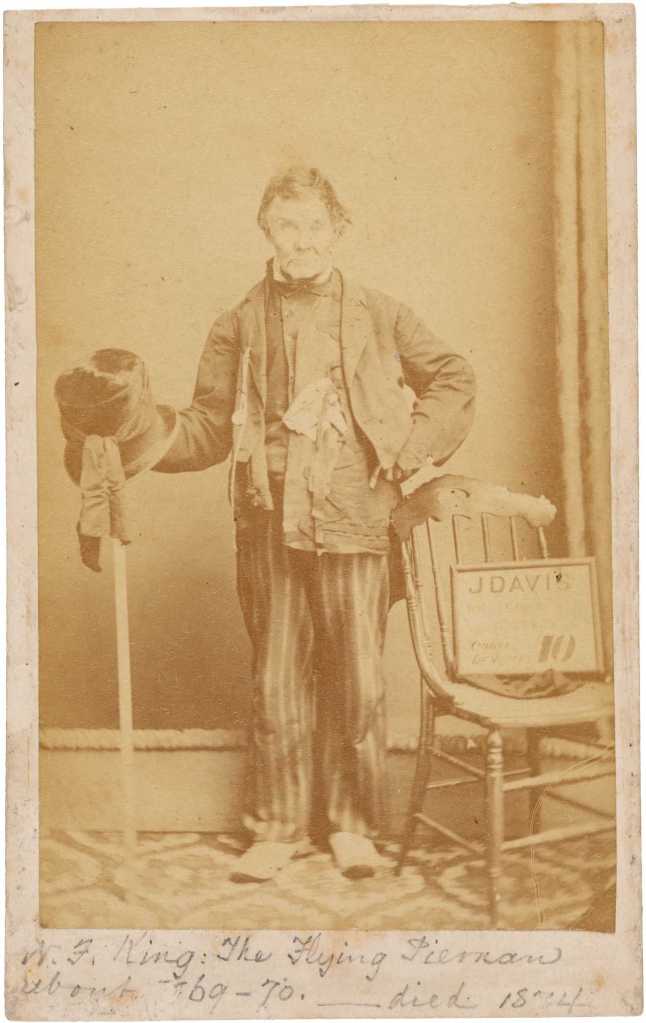
Pedestrianism as a sport (and spectator sport) was hugely popular in first half of the 19th century. Walking great distances rather quickly was much admired, and the most famous pedestrian of all, the Flying Pieman (aka William King), came to Brisbane and Ipswich in November 1848. Ipswich residents were impressed when William King walked the latest edition of the Moreton Bay Courier to their town on the day of its publication, beating the river steamer by hours.
Whilst in Ipswich, he offered to “draw any lady, weighing from 10 to 14 stone, for one mile, in a gig or spring chaise-cart.” Sadly, history doesn’t record whether there was any lady of those particular dimensions willing to (a) admit to their weight, and (b) be dragged around a village by a pastry cook in the name of amusement. King returned to Sydney, growing quite eccentric as he slowed down, before he passed away in 1874 in the Liverpool Asylum for the Destitute.
Frog’s Hollow
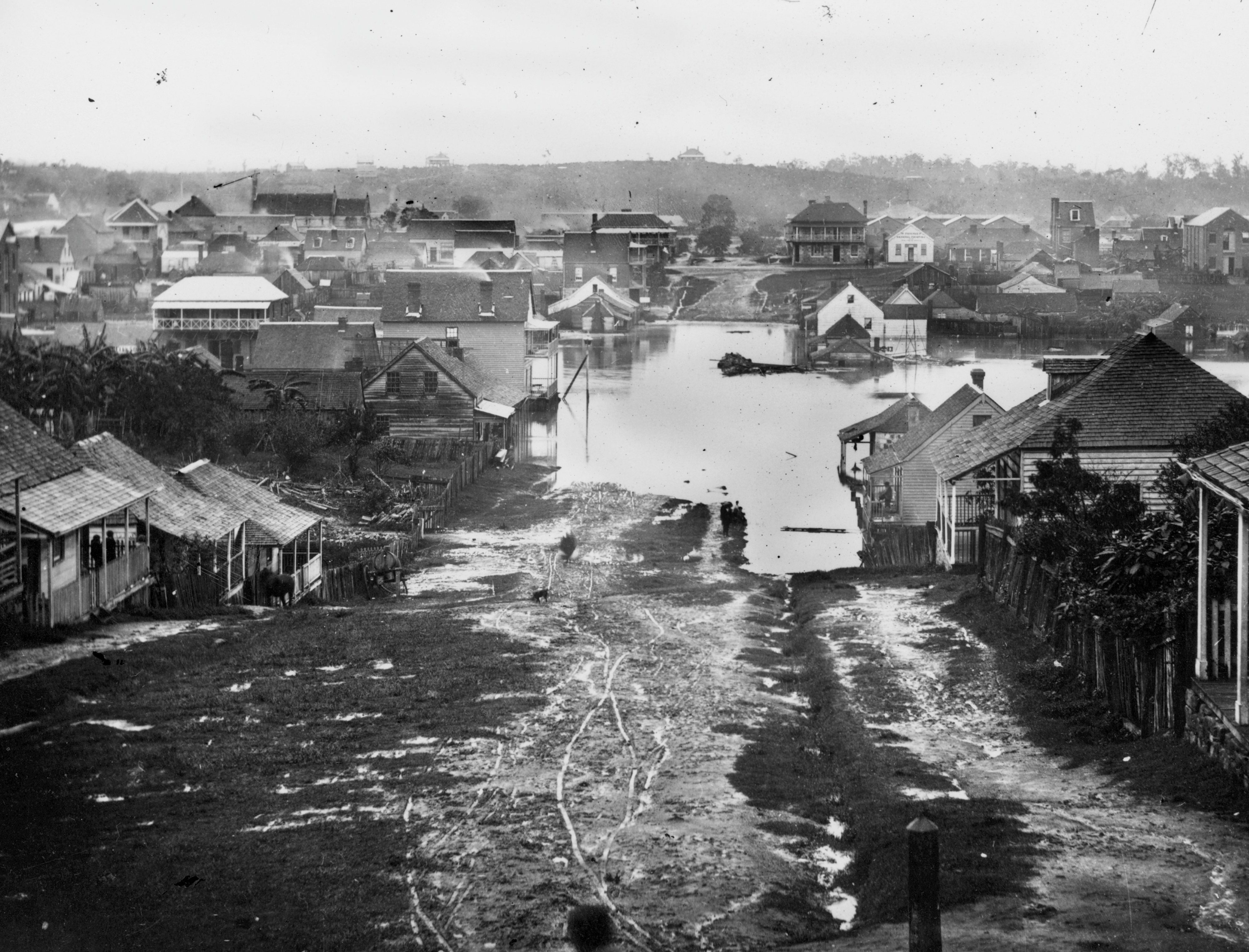
Those were the days, also the nights, when the persistent nocturnes of a million frogs woke the echoes in the vicinity of Frogs’ Hollow, a malarial swamp situated on a hollow site now occupied by lower Albert-street and its adjoining thoroughfares. Where Baker’s Stadium now supplies exercise for the lungs of barrackers the chorus of croakers was most concentrated. Finally, at some time near 1860, John Petrie took a contract to fill in the hollow and banish the amphibious choirs.
The Early History of Queensland, Truth (Brisbane, Qld.: 1900 – 1954), Sunday 31 January 1915, page 12.
Frog’s Hollow was a low-lying part of Brisbane, poorly drained and prone to flooding. Its festering ponds attracted mosquitos and the aforementioned frogs. Landlords did not care to spend money on housing that was doomed to be damp, and until 1860, there was no city council to be held responsible for roads and drains. The poorest of the poor gathered in Frog’s Hollow for decades, and vice flourished there. After the drains were sorted, the area became Brisbane’s first Chinatown, home to a number of prominent Chinese businesses.
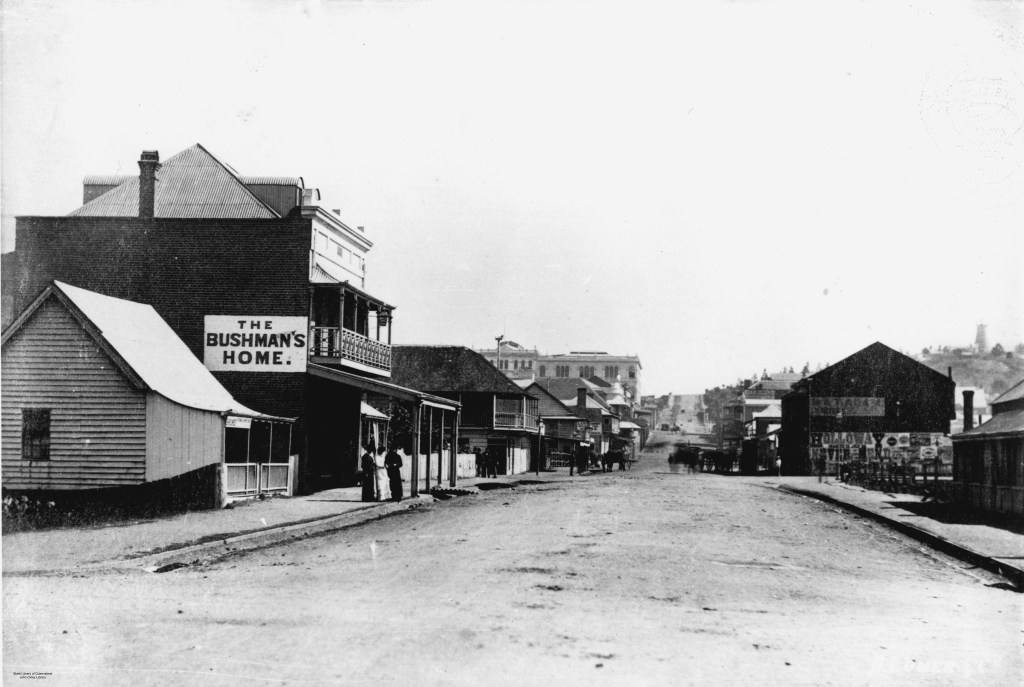
All images are taken from the digital collection of the State Library of Queensland.
 Moreton Bay and More