
More “G” Stories from Old Brisbane.
Governors and their legacies.
Sir George Bowen

Sir George Ferguson Bowen (1821-1899) was the first Governor of Colonial Queensland. He took the usual route to success for a gentleman of his time – Charterhouse, Trinity College (Oxford), Lincoln’s Inn, the navy and the Colonial Service. One of his first posts was Corfu, where he was inspired to write three books: the timeless classics “Ithaca in 1850,” “Mt Athos, Thessaly and Epirus,” and “A Handbook for Travellers in Greece.” He married Contessa Diamantina Roma, supported Gladstone, and was given the new Colony of Queensland to administer. The arrival of a genuine glamour couple on the township of Brisbane caused a sensation, and just about everything that needed a name was christened after them. Bowen’s governorship ended with the kind of acrimony that would mark Queensland politics for the next century or two. He went on to ruffle feathers in New Zealand and Victoria, before taking up posts in Mauritius and Hong Kong.
Sir Samuel Blackall

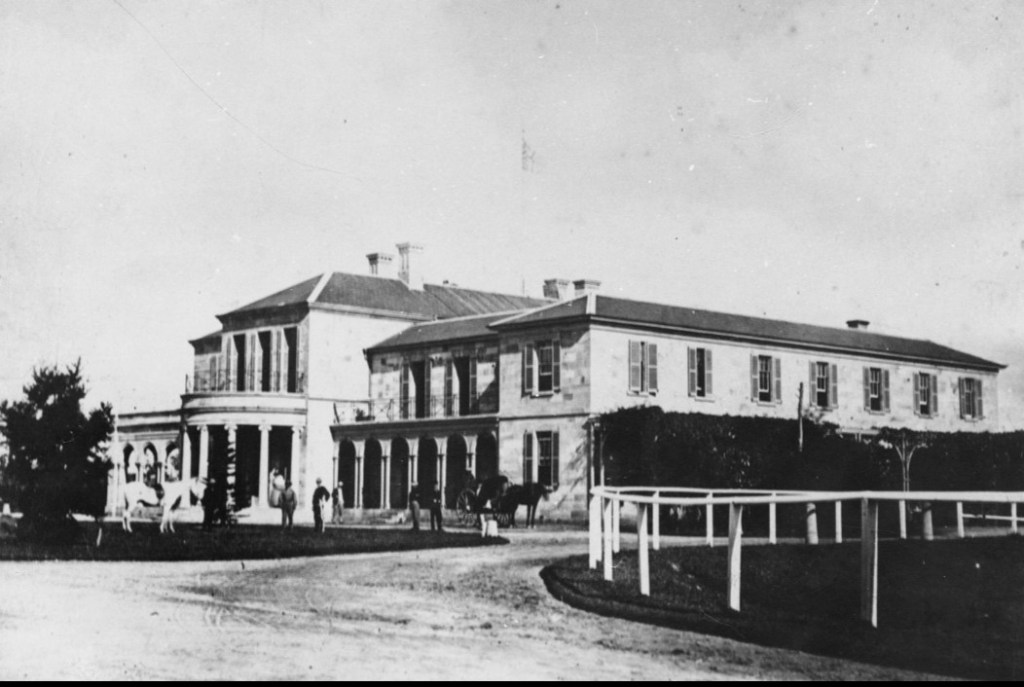
Sir Samuel Blackall, another member of the Irish gentry via the British Army, was appointed to succeed Sir George Bowen. He took over residence in the recently built Government House and inherited the appalling political situation that had tormented Bowen. Blackall battled on, trying to keep the peace between various factions of squatter nabobs, until his health broke down. When it became clear that he was not going to live, he chose a lofty gravesite at the new Toowong Cemetery and quietly passed into history on 2 January 1871.

The Marquess of Normanby
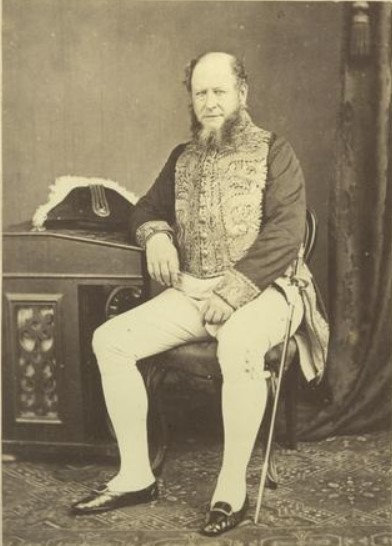
Following the death of Sir Samuel Blackall, the 2nd Marquess of Normanby, one George Augustus Constantine Phipps (1819-1890) took over the reins of colonial Queensland. Phipps had previously been the Captain of the Honourable Corps of Gentlemen-at-Arms, a House of Lords position that has been held by people with names like Henry Chetwynd-Talbot, St Andrew St John and Robert St Clair-Erskine. His arrival was anxiously waited for in Brisbane. He loitered in Victoria and New South Wales for an age, then took the better part of a week to get from Cape Moreton to Queen’s Park for his reception. After all that, he turned out to be quite an affable chap. Very posh, but affable.

Sir William Cairns
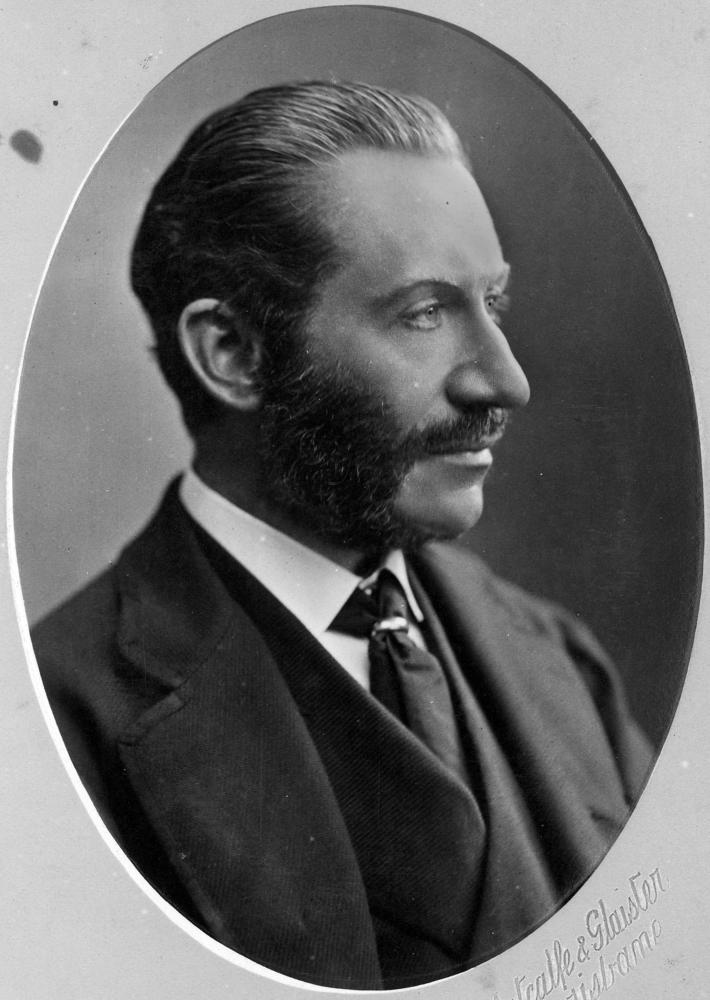
Sir William Wellington Cairns KCMG (Knight Commander of the Order of St Michael and St George or “Kindly call me God”) was a scion of the Irish landed gentry. Cairns went into the colonial civil service, which was perhaps rather foolish of him, because he abhorred the heat and kept getting sent to tropical places. Cairns struggled through 25 whole days of an appointment as Governor of Trinidad, before going home feeling quite unwell. He was appointed as Governor of Queensland in 1875 and lasted two years in the position. He suffered through until a position came up in South Australia, which was a good deal cooler. Queensland chose to name a tropical city after him. I’m sure he was thrilled.
Sir Arthur Kennedy
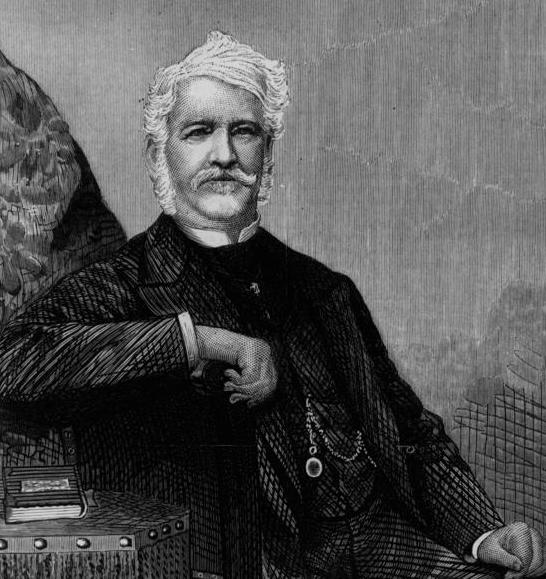
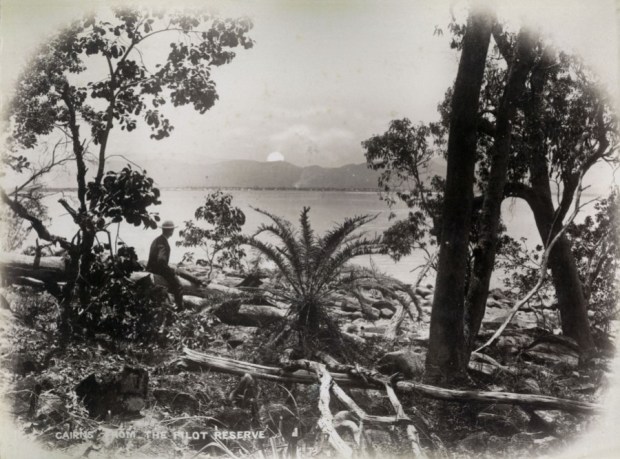
Sir Arthur Kennedy (1809-1883) survived his term as governor of Queensland, only to die on his journey back to England. He was buried at sea near Aden. He had been a Poor Law administrator in Ireland and was horrified by the poverty he saw. The County Clare landlord didn’t see it that way, and the two men clashed. He went into the Colonial Service. He tried to suppress corruption in Sierra Leone (unpopular move), he upset the entire colony of Western Australia with his high-handed ways and then governed Vancouver Island into an economic depression. After some time governing the West African settlements, he went to Hong Kong and created the Hong Kong dollar and was quite nice to everyone. Queensland followed, and he was quite nice to everyone here too. Queenslanders were genuinely sad to see him go (or genuinely glad to have an opportunity to hold a banquet or two in his honour) and greeted news of his death with great sadness.

Sir Anthony Musgrave
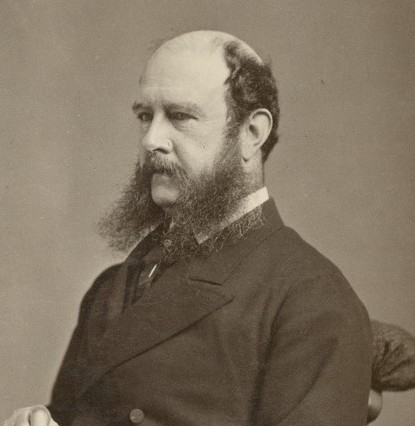
Sir Anthony Musgrave (1828-1888) was born at Antigua in the West Indies to a Colonial administrator, in whose footsteps he followed assiduously. Sir Anthony held administrative positions in the Leeward Islands, Antigua, Nevis, St Vincent, Newfoundland, British Columbia, Natal, South Australia, Jamaica, and Queensland. He arrived in Queensland in 1883 with a lot of new-fangled ideas of being decent towards indigenous people and encouraging Australian Federation. In 1888, he was considering retirement when Sir Thomas McIlwraith was elected Premier. Musgrave despised McIlwraith, clashed with him, tried to go over his head and lost. Sir Anthony died suddenly in Brisbane on 9 October 1888, probably of complications of a heart attack.

Sir Henry Norman
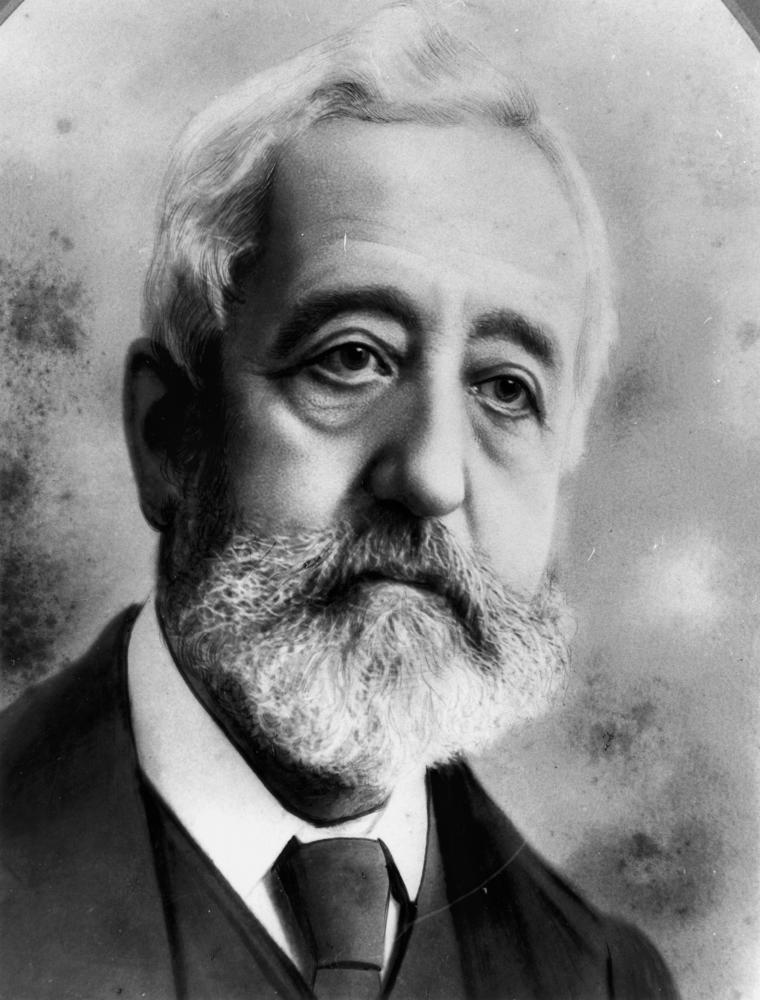
Field Marshal Sir Henry Wylie Norman, who served in a lot of colonial governorship positions after spending his youth suppressing all sorts of Indian mutinies. Apart from the military honours, Sir Henry was a GCB (Most Honourable Order of the Bath), a GCMG (Most Distinguished Order of Saint Michael and Saint George aka God Calls Me God), and a CIE (Most Eminent Order of the Indian Empire). He got along well with the various Queensland politicians he encountered, possibly because dealing with overwrought colonial legislators was quite relaxing when compared to suppressing rebellion in the Kohat Pass.

Lord Lamington
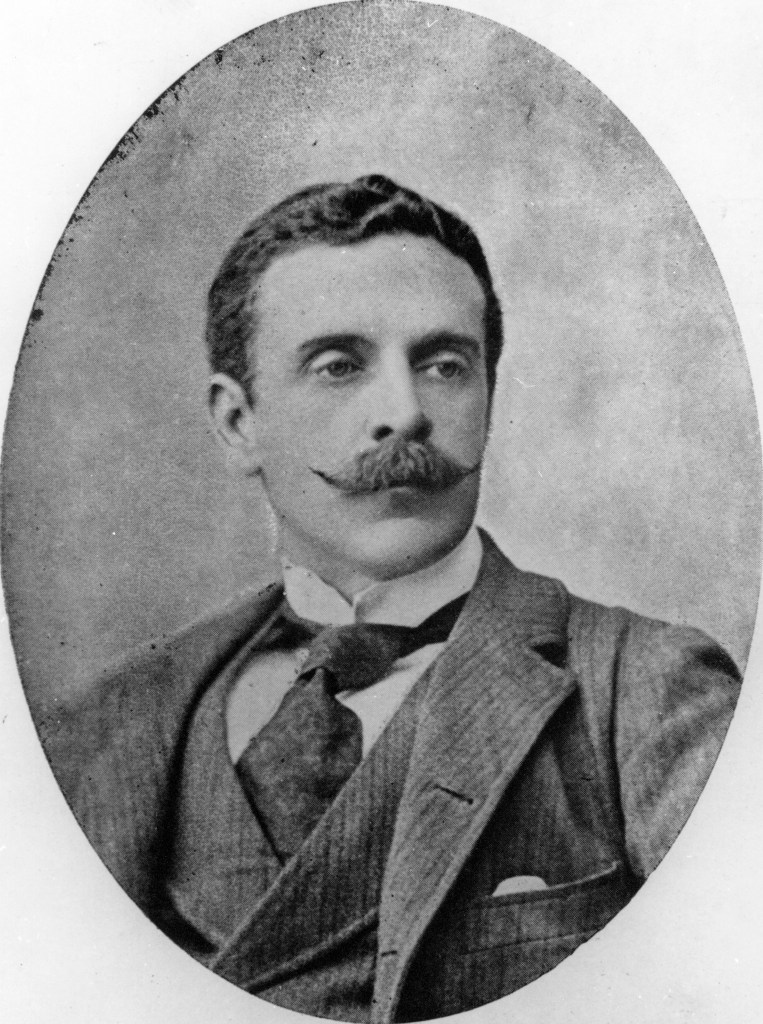
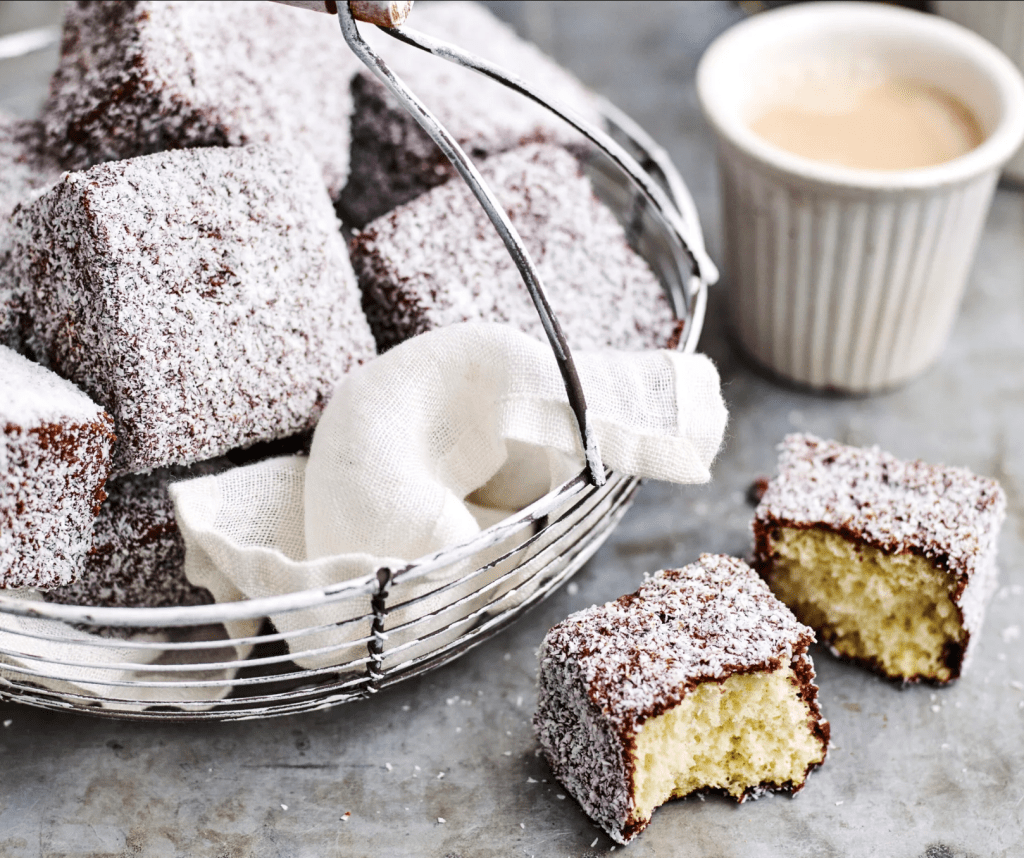
Charles Wallace Alexander Napier Cochrane-Baillie, Lord Lamington, (1860-1940) was the last colonial Governor of Queensland. Lamington arrived in Queensland in 1896 following a surprising political career. Surprising, that is, when he actually turned up in the Commons or the Lords. Handsome, aristocratic, and with a charming young family, Lamington was exactly the chap to ease Queensland from colonial to State status. His name lives on in a sponge cake variant allegedly made up on the spur of the moment by his cook at Government House after a planned recipe failed. The truth behind Great Lamington Origin Story is only slightly less obscure than Loch Ness Monster lore.
Gaols
Brisbane started off as a penal establishment – one rather large gaol. The Prisoners’ Barracks was our first gaol inasmuch as it housed the thousands of convicts who passed through the settlement.
Our first designated gaol in the era of free settlement was the former Female Factory, which was turned, at no particular expense, into the first Brisbane Gaol. The building was already decrepit in 1850, and it was no longer fit for purpose by 1860.
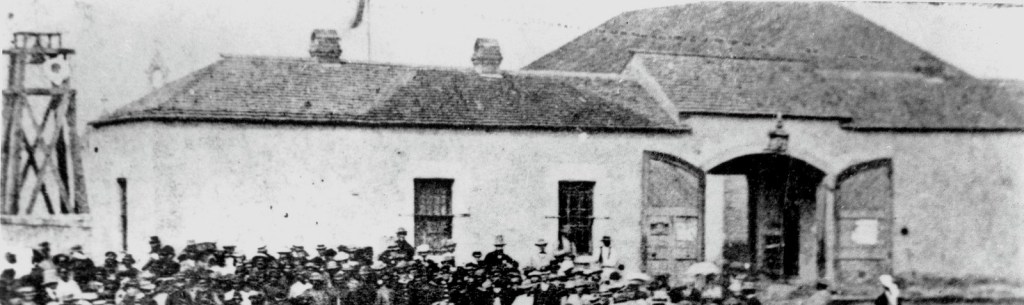

The new Brisbane Gaol was built at Petrie Terrace, and operated through the 1860s and 1870s. Almost immediately after its opening, it proved to be inadequate to the task of containing Queensland’s criminal element. As a result, a prison hulk, Proserpine was pressed into service to house some of the men. This in turn proved inadequate, and a penal station was built at St Helena Island.

By 1880, a new gaol at South Brisbane was erected. It remained open until 1992, and is now home to a prison museum. A number of prisons now operate in the South-East Queensland region, all well out of the way of suburban areas.

George Street
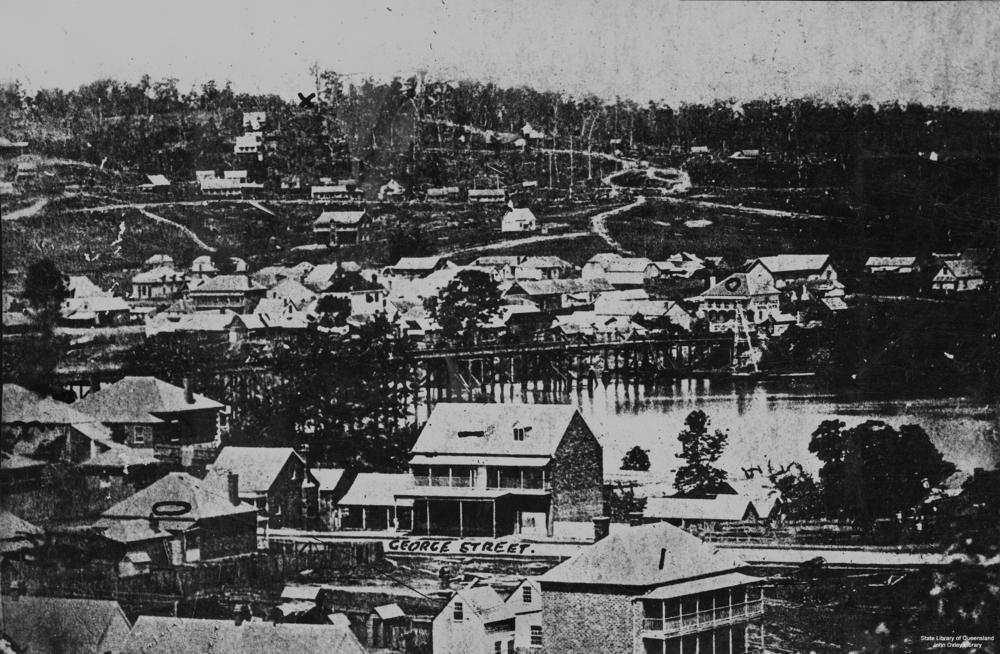
One of the oldest streets in Brisbane, George Street has been the political precinct of Brisbane, and home to various iterations of the Supreme and District and Magistrates Courts. It was the street where James Davis had his crockery shop, and where the Bellevue Hotel stood until 1979.
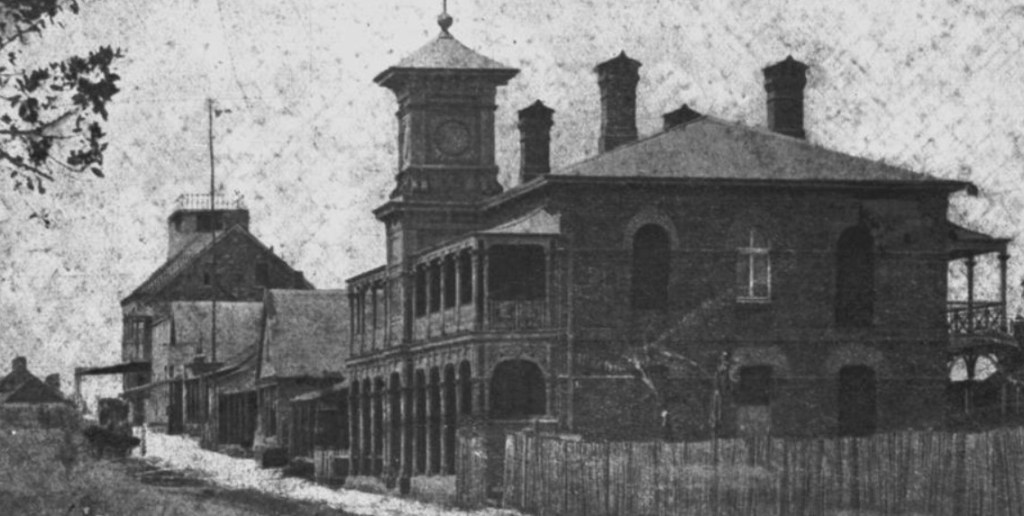
Some of the famous old sites on George Street include – Old Government House, The Mansions, The Queensland Club, the old Government Printing Office, the Lands Building, the Treasury Hotel, McDonnell & East’s Building, the Transcontinental Hotel and Parliament House. All miraculously still standing.


All images are taken from the digital collections of the State Library of Queensland, apart from the Lamingtons (Australian Women’s Weekly website) and Bowen Hills (Must Do Brisbane website). Information from the articles are from the Australian Dictionary of Biography and previous research for other articles on Queensland Governors.
 Moreton Bay and More