
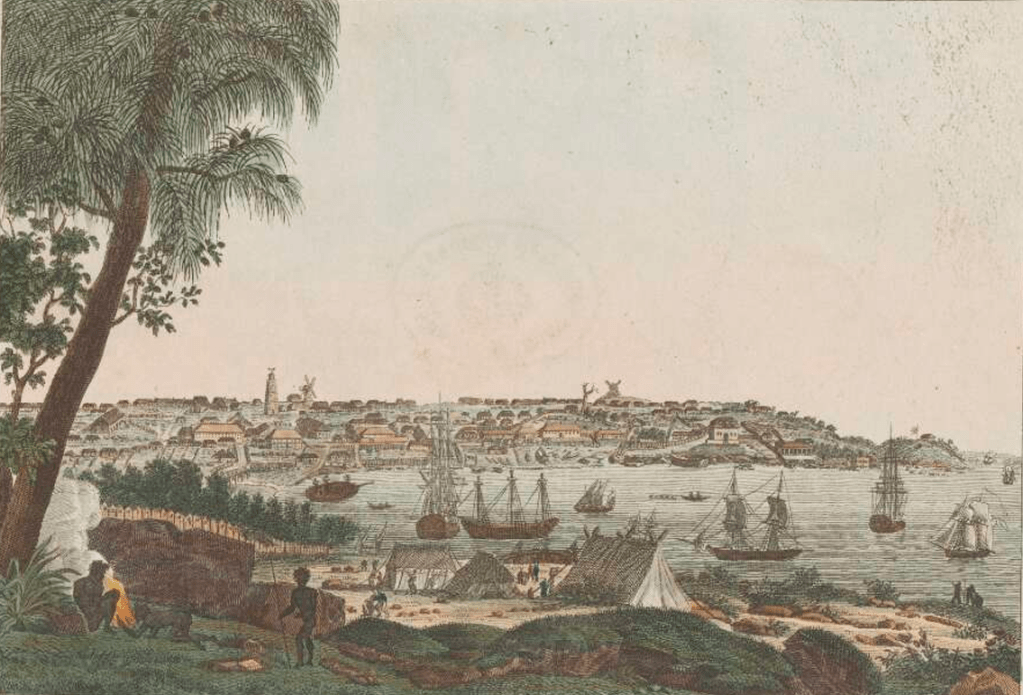
Assistant Commissary Bowerman and family.
The Bowerman family arrived in Sydney in 1825, where Henry Boucher Bowerman had been assigned as Assistant Commissary General. He spent time working at Port Macquarie, then Parramatta, where Frank Sydney Bowerman joined the family on 7 March 1828.
Henry Bowerman senior became part of the colonial gentry, with good connections to the people who mattered, and a growing portfolio of valuable land. Bowerman Senior was also a talented artist and draftsman, who created the first image we have of Brisbane Town in 1835.
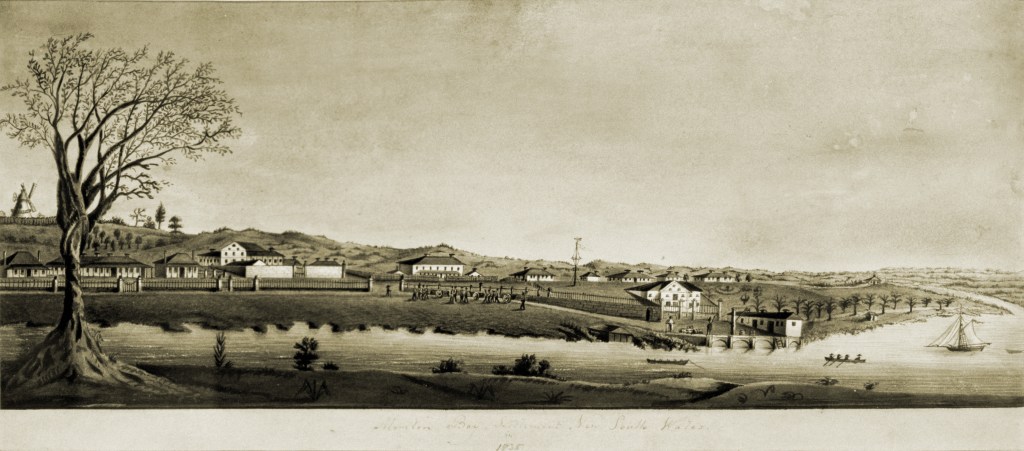
In pursuit of landed gentry status in his new home country, Henry expanded his interests to the growing Port Phillip region. Bowerman was on a return voyage to Sydney in November 1839 when his ship disappeared in rough seas. The family endured months of uncertainty and grief as ships plying the Southern Ocean returned with reports of debris, but no survivors.
Marian Bowerman was aware of the need to protect the interests of her minor children, particularly in relation to her husband’s interests in land. Older son Henry was the heir-at-law, and Marian initiated several actions in 1840 and 1841 to protect his rights.
When his father disappeared in such tragic circumstances, Frank Sydney Bowerman was 11 years old. Undoubtedly, this painful time left a lasting impact on his character. His older brother was entrusted with the land claims, and Frank began to see his inheritance in terms of a right to certain position in society.
The Post Office
According to later depositions, young Frank was educated in England and Germany, returning to Sydney at the end of his teens to seek a career. He was hired as a junior clerk in the Sydney Post Office 1 June 1848. Living at home with his mother allowed him to use his small salary as pocket money, and, although the hours were long in the Post Office, he was able to live a fairly comfortable life for a young man.
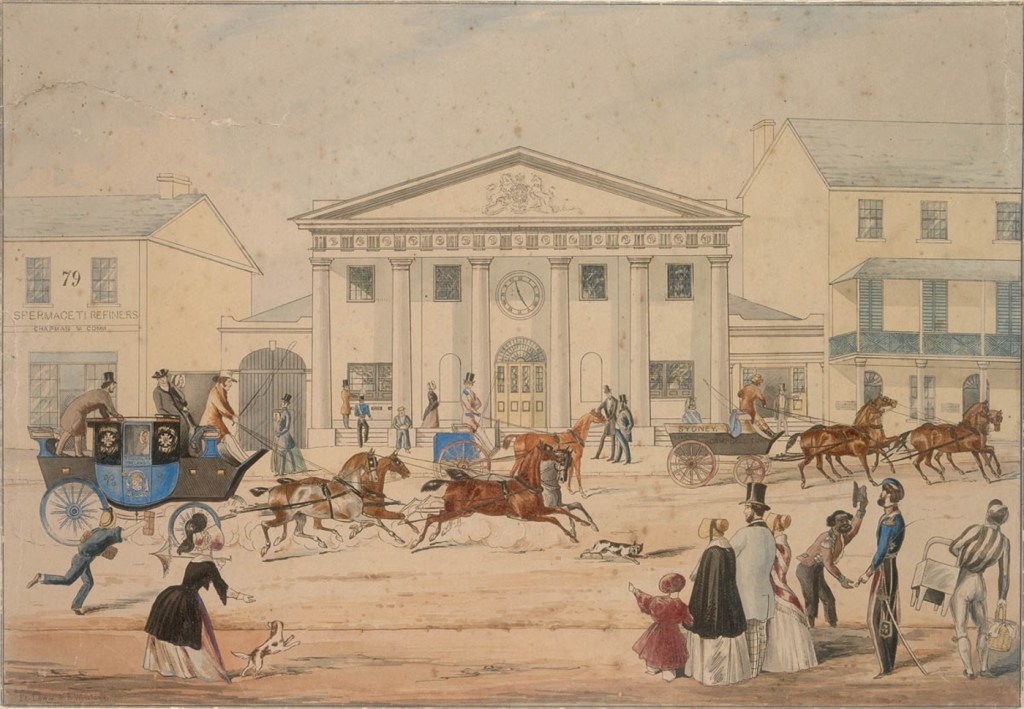
There was a minor scandal at the Post Office in April 1849, when two £10 notes to be sent as a money-letter disappeared from an unlocked and unsupervised drawer in the office. A clerk named Bailey Allan was eventually charged, and the clerk who relieved him, Frank Bowerman, was called as a witness. The case against Bailey Allan was dismissed at his trial in June 1849, because there was no certainty as to exactly who had served the complainant, or who might have had the opportunity to extract the cash from the unlocked drawer.
“In other words, that Mr. Raymond or Mr. Hunt (Postmaster General and Deputy) had the same opportunities of abstracting a letter without fear of discovery as Mr. Allen, Mr. Bowerman or the ten or twelve other young men who exercise a jurisdiction over the epistolary correspondence of the country.”
Bell’s Life in Sydney 9 June 1849 p 1.
Presumably the embarrassment of having lax cash procedures exposed in open court was enough to have the Sydney Post Office tighten up its procedures, but no culprit was ever found.
In 1850, Frank Bowerman was promoted to the position of Senior Assistant Clerk and immediately began a campaign to obtain a situation elsewhere in the Civil Service. He claimed that his health had been impacted by the long hours of sedentary work in the GPO, and his medical adviser had suggested that a country job would be better for his health. More crucially still, Bowerman wrote to the Postmaster General,
“That the residence of my mother (who has returned to the Country) in Sydney which has hitherto enabled me with my small salary to keep up the appearances necessary to my station in life has been discontinued, and I am thrown entirely on my own resources.”
Oh dear.
When the usual “we’ll get back to you” reply came, Mrs Bowerman wrote to the Governor via the Colonial Secretary, to respectfully submit that she had found an ideal candidate for an exchange of positions with her son Frank Sydney Bowerman. A Mr Abbott was Clerk to the Bench at Drayton and would be amenable to returning to Sydney, and young Frank could take his job. [The eldest son of the Bowerman family, Henry, had taken up a pastoral run on the Darling Downs, named Coorangah, and was a Justice of the Peace for the area.]
When the Colonial Secretary asked the Postmaster General for his Views on that idea, Mr Raymond responded that he objected not to Mr Bowerman receiving a promotion in due course, but he did object to persons seeking a job transfer going behind the back of the 1850s version of Human Resources. The Colonial Secretary decided to follow up on whether there was any evidence that Mr Abbott had agreed to the exchange, as had been claimed. There was none.
In February 1851, still managing on his own resources presumably, Frank Bowerman was promoted to Clerk of Third Class, having passed an examination in “Orthography[i], English Grammar and Arithmetic” and writing the prescribed memorandum in nine minutes.
The Goldfields.
Once he had impressed the Board of Appointment with his grasp of the three Rs, Frank finally made it to the country, as a Clerk to the Assistant Commissioner at the Goldfields. The Assistant Commission was one Mr Massie, who would be a crucial figure in his future in Queensland. The two men did not appreciate each other.
“I must state that my acquaintance with that gentleman was by no means of a Cordial or friendly nature,” recalled Bowerman in later years.
In 1852, Frank became a Sub-Commissioner (collector of royalty) at Louisa Creek, “His Excellency the Governor deeming an active life in the Saddle more suitable to my years and temperament than that of a Sedentary one in an Office.” His Excellency was Governor-General Sir Charles Fitzroy, who had kindly admitted young Bowerman to his circle of friends and acquaintances, and encouraged his ambitions.
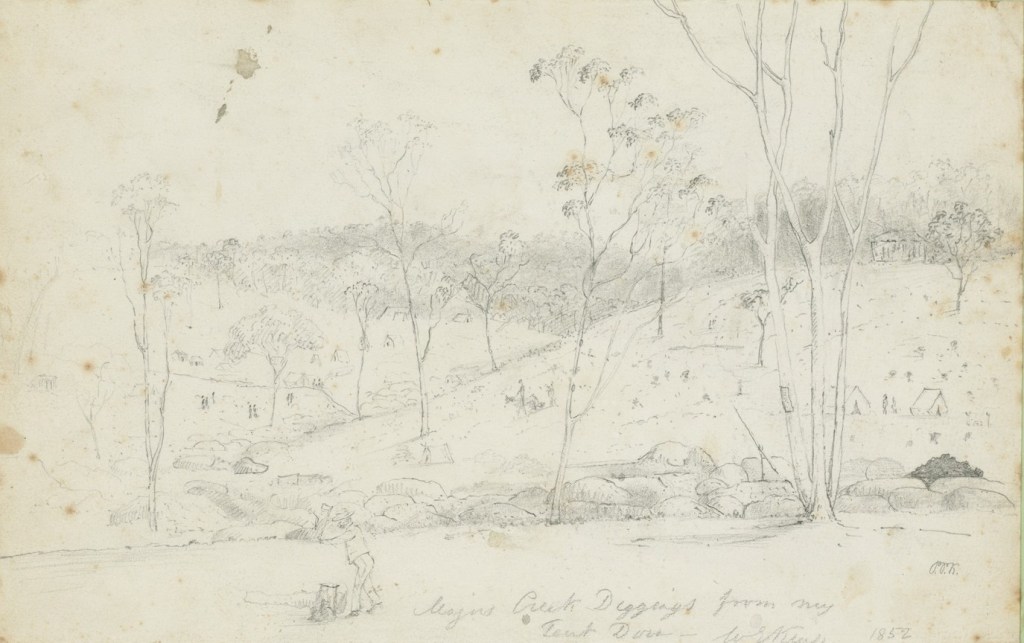
It was one thing to impress the Governor-General, it was another thing entirely to impress William Essington King, Gold Commissioner to the Southern Districts, who received a letter advising of Bowerman’s appointment as his Clerk of Petty Sessions and Gold Receiver at Major’s Creek in 1855.
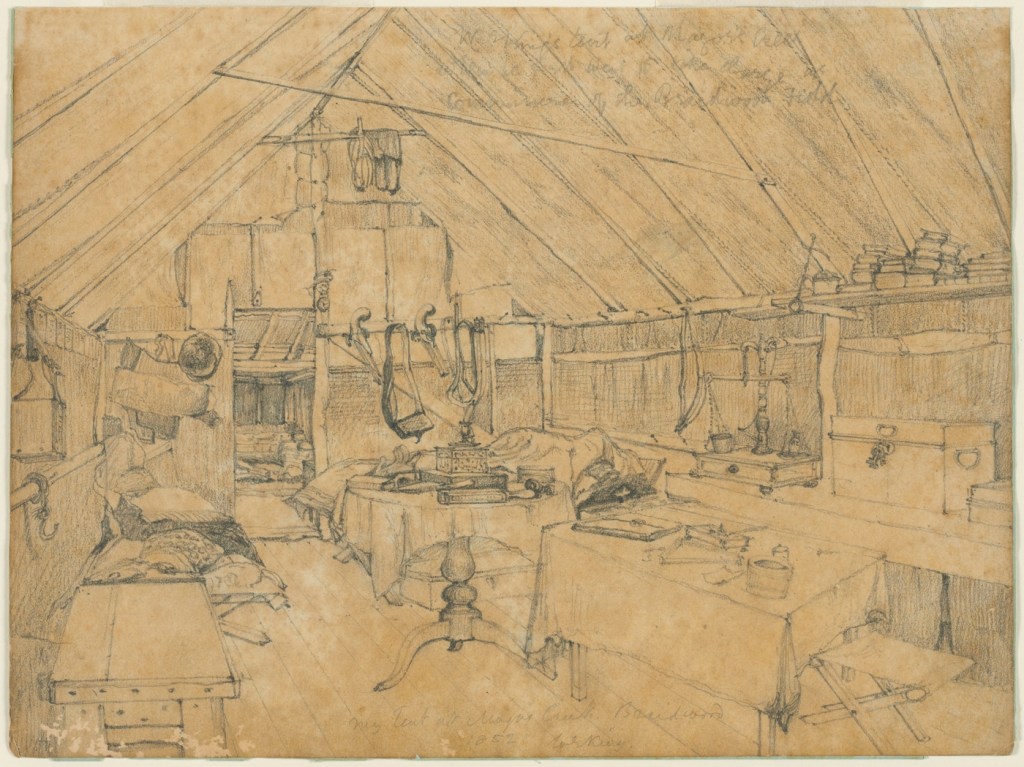
King wrote to the Colonial Secretary that he “found it necessary to state that his (Bowerman’s) conduct is reputed to be very unsatisfactory, and from representations made to me of the irregularity of his habits, I fear he is not a fit and proper person to fill a responsible position on the Goldfields.” The problems he had experienced with two recent clerks, “has made me cautious in accepting a person of doubtful reputation.” The Colonial Secretary noted that the information was second-hand, but “Bowerman must be warned that any irregularity will cause his immediate dismissal.” Clearly the image Frank Bowerman had of himself as a rising star in the public service was somewhat at odds with the views of others.
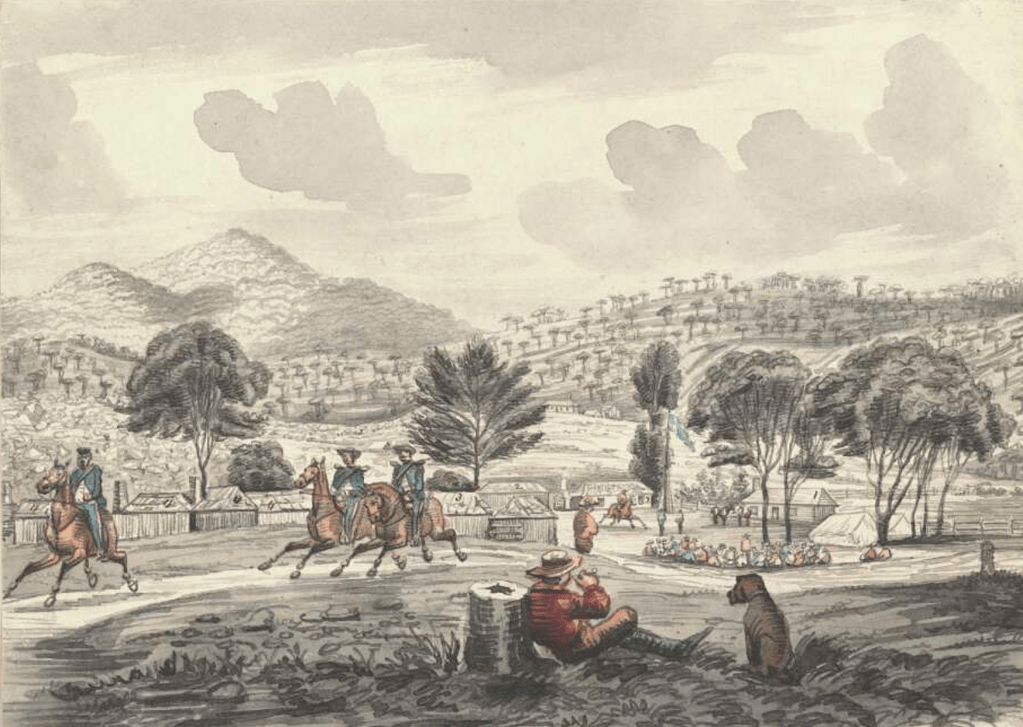
In March 1855, Bowerman was called upon to find sureties for the due performance of his duties, which was a normal requirement for those who would be handling large amounts of gold in the course of their work. Frank had a couple of people to propose – David Forbes and George Forbes (sons of the late Sir Francis Forbes, and soon to be in-laws of Bowerman’s).
The bond was to be set at £400. It would take an awfully long time to arrive. Months. Eventually, a reduced bond was paid, as Bowerman was to be Clerk of Petty Sessions at Sofala. The onerous responsibilities of gold-handling seem to have been removed from his list of duties, for no officially-stated reason.
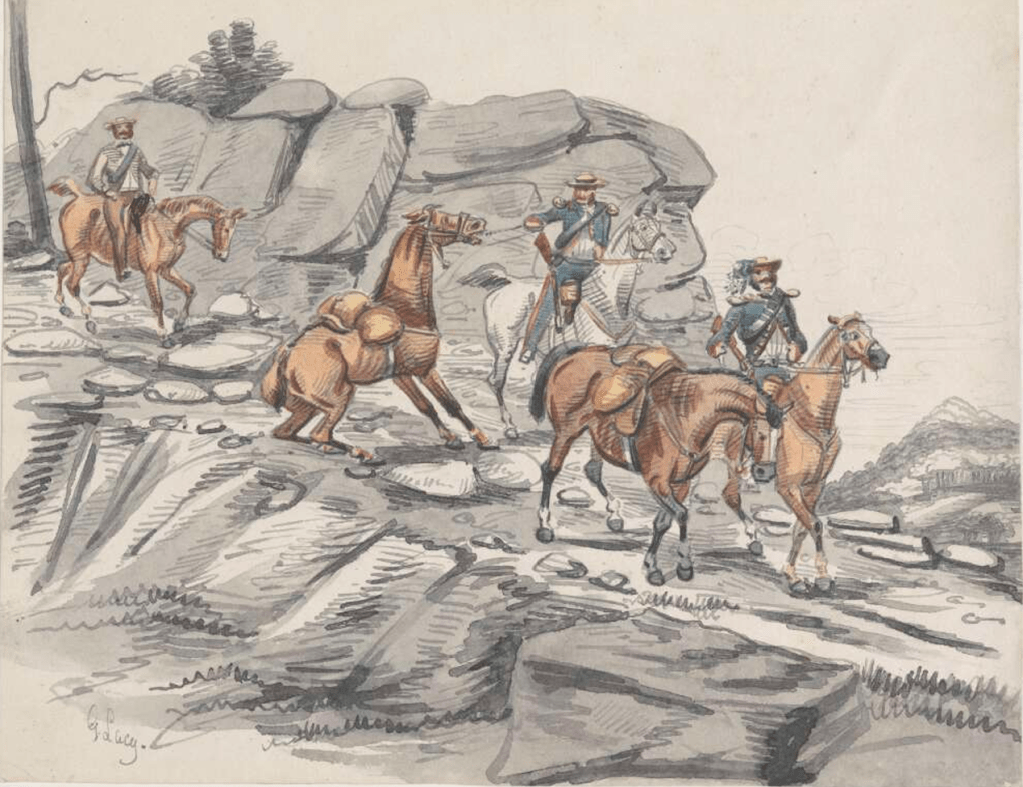
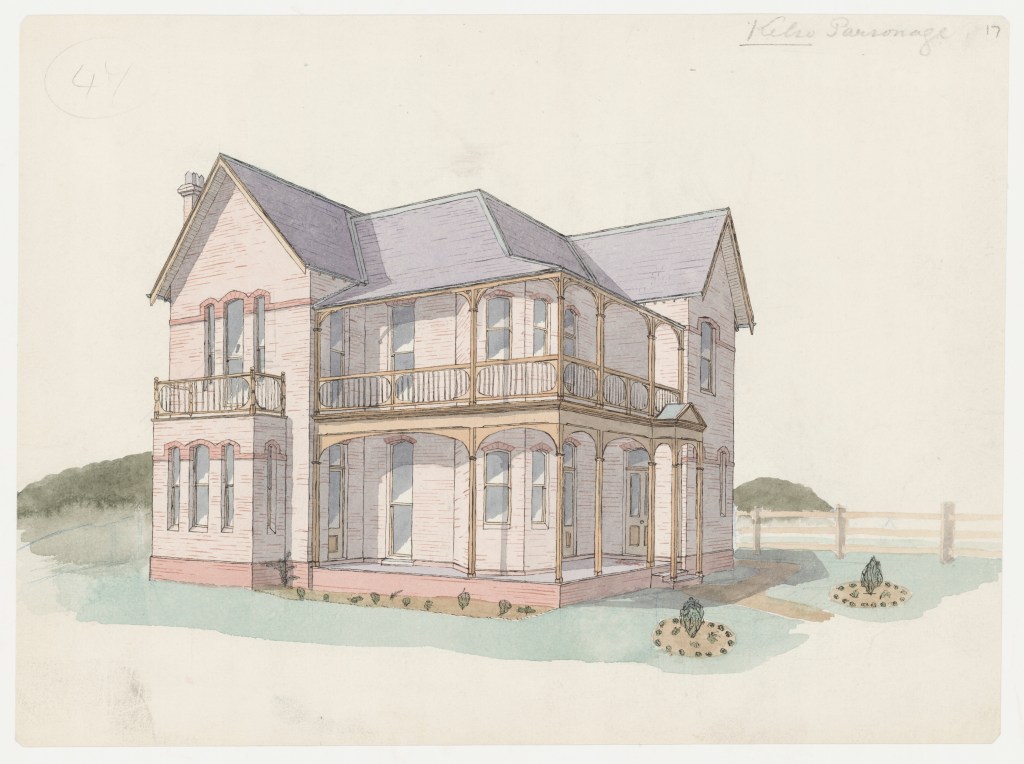
Frank married Cordelia S Suttor, at Kelso, New South Wales in 1855, which made him a brother-in-law to the distinguished Forbes family, and son-in-law of a highly respectable landed family in New South Wales. Things were looking up. Until they weren’t.
[i] Writing words with the proper meaning according their standard usage. (Merriam-Webster).
New South Wales Colonial Secretary’s Papers – State Records Office of New South Wales. (1848-1860)
Queensland Colonial Secretary’s Papers – State Library of Queensland. (1850-1878) Contains some of the NSW correspondence as well.
Newspaper Sources:
Sydney Morning Herald (NSW: 1842 – 1954), Tuesday 5 June 1849, page 3.
Bell’s Life in Sydney and Sporting Reviewer (NSW: 1845 – 1860), Saturday 9 June 1849, page 1.
Darling Downs Gazette and General Advertiser (Toowoomba, Qld.: 1858 – 1880), Thursday 28 November 1861, page 3
Brisbane Courier (Qld.: 1864 – 1933), Thursday 9 January 1868, page 3
The Brisbane Courier (Qld.: 1864-1933) Monday 23 March 1868, Page 4.
Dalby Herald and Western Queensland Advertiser (Qld.: 1866-1879) Saturday 18 April 1868, Page 2.
The Darling Downs Gazette and General Advertiser (Toowoomba, Qld.: 1858-1880) Thursday 14 May 1868, Page 2.
Darling Downs Gazette and General Advertiser (Toowoomba, Qld.: 1858 – 1880), Tuesday 2 June 1868, page 3
The Darling Downs Gazette and General Advertiser (Toowoomba, Qld.: 1858-1880) Tuesday 4 August 1868, Page 3.
Warwick Argus and Tenterfield Chronicle (Qld.: 1866-1879) Wednesday 23 September 1868, Page 4. Warwick Argus and Tenterfield Chronicle (Qld.: 1866 – 1879), Wednesday 7 October 1868, page 2.
Warwick Examiner and Times (Qld.: 1867-1919) Saturday 10 October 1868, page 2.
Warwick Examiner and Times (Qld.: 1867 – 1919), Saturday 10 October 1868, page 2.
Queensland Times, Ipswich Herald and General Advertiser (Qld.: 1861 – 1908), Saturday 17 October 1868, page 3.
Warwick Examiner and Times (Qld.: 1867 – 1919), Saturday 7 November 1868, page 2
The Brisbane Courier (Qld.: 1864-1933) Monday 9 November 1868, page 2.
The Brisbane Courier (Qld.: 1864-1933) Monday 16 November 1868, page 2.
Warwick Examiner and Times (Qld. : 1867 – 1919), Saturday 21 November 1868, page 2
Darling Downs Gazette and General Advertiser (Toowoomba, Qld.: 1858 – 1880), Wednesday 25 November 1868, p 2
Brisbane Courier (Qld.: 1864 – 1933), Wednesday 25 November 1868, page 2
Queensland Times, Ipswich Herald and General Advertiser (Qld.: 1861 – 1908), Thursday 26 November 1868, page 3
Brisbane Courier (Qld.: 1864 – 1933), Saturday 12 December 1868, page 4
Brisbane Courier (Qld.: 1864 – 1933), Wednesday 16 December 1868, page 3
Brisbane Courier (Qld.: 1864 – 1933), Wednesday 23 December 1868, page 2
Queensland Times, Ipswich Herald and General Advertiser (Qld.: 1861 – 1908), Saturday 2 January 1869, page 4
Brisbane Courier (Qld.: 1864 – 1933), Thursday 21 January 1869, page 2
Warwick Examiner and Times (Qld.: 1867 – 1919), Saturday 13 February 1869, page 3
Queensland Times, Ipswich Herald and General Advertiser (Qld.: 1861 – 1908), Tuesday 26 January 1869, page 5.
The Brisbane Courier (Qld.: 1864-1933) Wednesday 3 March 1869, Page 2. The Courier.
Queensland Times, Ipswich Herald and General Advertiser (Qld.: 1861 – 1908), Saturday 13 March 1869, page 3
Queensland Times, Ipswich Herald and General Advertiser (Qld.: 1861 – 1908), Saturday 3 April 1869, page 3.
Queenslander (Brisbane, Qld.: 1866 – 1939), Saturday 10 July 1869, page 4
Brisbane Courier (Qld.: 1864 – 1933), Thursday 23 September 1869, page 3
Dalby Herald and Western Queensland Advertiser (Qld.: 1866 – 1879), Saturday 28 May 1870, page 2
Queenslander (Brisbane, Qld.: 1866 – 1939), Saturday 13 August 1870, page 8
Brisbane Courier (Qld.: 1864 – 1933), Thursday 15 December 1870, page 2
Toowoomba Chronicle and Queensland Advertiser (Qld.: 1861 – 1875), Saturday 2 May 1874, page 3
Telegraph (Brisbane, Qld.: 1872 – 1947), Friday 16 February 1877, page 2
The Warwick Argus and Tenterfield Chronicle (Qld.: 1866-1879), Thursday 22 February 1877, page 2.
Brisbane Courier (Qld.: 1864 – 1933), Friday 2 March 1877, page 2
Brisbane Courier (Qld.: 1864 – 1933), Saturday 2 March 1878, page 4
Toowoomba Chronicle and Darling Downs General Advertiser (Qld.: 1875 – 1879), Tuesday 5 March 1878, page 3
The Telegraph (Brisbane, Qld.: 1872-1947), Thursday 7 March 1878, page 2. Shipping Intelligence.
Western Star and Roma Advertiser (Qld.: 1875 – 1948), Saturday 23 March 1878, page 3
The Telegraph (Brisbane, Qld.: 1872-1947), Monday 6 May 1878, page 2. Shipping Intelligence.
The Telegraph (Brisbane, Qld.: 1872-1947), Tuesday 18 June 1878, page 2.
Brisbane Courier (Qld.: 1864 – 1933), Monday 5 August 1878, page 2
Dalby Herald and Western Advertiser (Qld.: 1866-1879), Saturday 10 August 1878, page 2.
The Darling Downs Gazette and General Advertiser (Toowoomba, Qld.: 1858-1880), Saturday 17 August 1878, page 4.
The Brisbane Courier (Qld.: 1864-1933), Monday 2 September 1878, page 2. Shipping.
Toowoomba Chronicle and Darling Downs General Advertiser (Qld.: 1875 – 1879), Tuesday 25 March 1879, page 2
Morning Bulletin (Rockhampton, Qld.: 1878 – 1954), Wednesday 21 May 1879, page 2
Morning Bulletin (Rockhampton, Qld.: 1878 – 1954), Tuesday 3 June 1879, page 2
Warwick Argus (Qld.: 1879 – 1901), Saturday 1 November 1890, page 3
Australian Star (Sydney, NSW: 1887 – 1909), Thursday 29 November 1894, page 5
Telegraph (Brisbane, Qld.: 1872 – 1947), Saturday 1 December 1894, page 5
Maryborough Chronicle, Wide Bay and Burnett Advertiser (Qld.: 1860 – 1947), Monday 3 December 1894, page 2
Toowoomba Chronicle and Darling Downs General Advertiser (Qld.:1881 – 1902), Tuesday 4 December 1894, page 3
Daily Telegraph (Sydney, NSW: 1883 – 1930), Friday 7 December 1894, page 3
Mackay Mercury (Qld.: 1887 – 1905), Tuesday 2 January 1900, page 2
Illustration sources:
Sydney:
Sydney between1825 and 1830. Copy after an engraving “Vue de la partie meridionale de la ville de Sydney” by Victor Pillement. Plate 38 in “Voyage de decouvertes aux terres australes,” Atlas / Francois Peron. National Library of Australia.
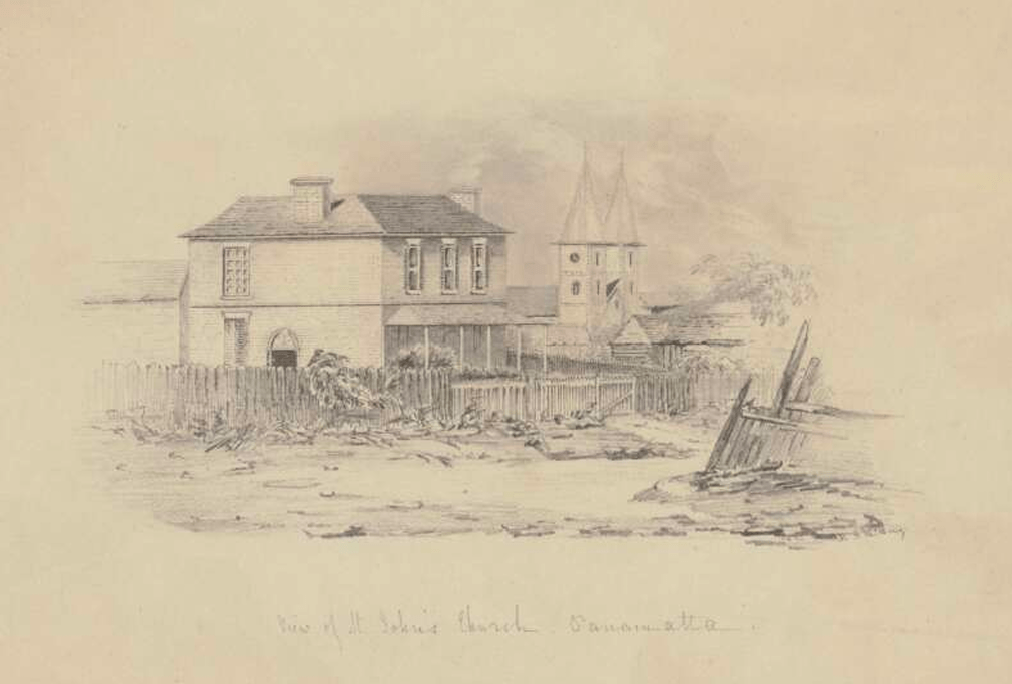
St John’s Parramatta “View of St. John’s Parramatta,” pencil, by M.A. McHarg, 1842. National Library of Australia.
General Post Office “New Post Office, George Street, Sydney,” 1846, hand-coloured lithograph by F.G. Lewis and Edward Winstanley, Dixson Galleries, State Library of New South Wales
Majors Creek pictures
“My tent at Majors Creek, Braidwood,” 1852, pencil, by William Essington King, State Library of New South Wales.
“Majors Creek Diggins from my tents,” 1852, pencil, by William Essington King, State Library of New South Wales.
Sofala pictures
“Commissioners barracks at Sofala, diggers waiting for licences,” watercolour, 1852 by George Lacy, National Library of Australia.
“Mounted escort from Avisford to Sofala, gold carried in saddle bags, Sub Gold Commissioner in charge,” watercolour, 1852 by George Lacy, National Library of Australia.
Kelso:
Kelso parsonage, part of Series 03 Part 2: Churches – Country (N.S.W.), C-Ma volume 2, Architectural and Technical Drawings, State Library of New South Wales.
Dalby images:
Wooden Hotel Building, Dalby. Black and white photograph, State Library of Queensland.
View of the town of Dalby. Black and white photograph. State Library of Queensland.
Bamford & Watt Auctioneers, Dalby. Black and white photograph. State Library of Queensland.
J Clark’s Universal Store, Dalby. Black and white photograph. State Library of Queensland.
Leyburn images:
Charles Bell’s Commercial Store, Leyburn. Black and white photograph. State Library of Queensland.
Leyburn Courthouse. Black and white photograph. State Library of Queensland.
James Mahony’s Store and residence, McIntyre Street, Leyburn. Black and white photograph. State Library of Queensland.
Brisbane:
Frederick Orme Darvall. State Library of Queensland.
Sir Augustus Charles Gregory. State Library of Queensland.
William Thornton. State Library of Queensland.
William Street view with detail of CS office:
William street in Brisbane in 1865. Black and white photograph. State Library of Queensland.
Detail of William Street in Brisbane in 1865, showing Colonial Secretary’s Office on the left. Black and white photograph. State Library of Queensland.
Arthur Wilcox Manning
Arthur Wilcox Manning. Black and white photograph. State Library of Queensland.
Old Convict Barracks now used as Supreme Court
Brisbane Gaol and St Helena
St Helena at Low Tide. State Library of Queensland.
Sydney Botanical Gardens
Botanic Gardens, Sydney, N.S.W. 1890s [rustic bridge over Botanic Gardens Creek]. Author / Creator: Coxhead, F. A. (Frank Arnold), 1851-1919. Black and white photograph. State Library of New South Wales.
Gaol Description and Entrance Book photograph: Frank Sydney Bowerman, 1916. State Records Office of New South Wales.
 Moreton Bay and More