The A-Z of Old Brisbane: from Gaythorne to Gumdale.
Gaythorne.
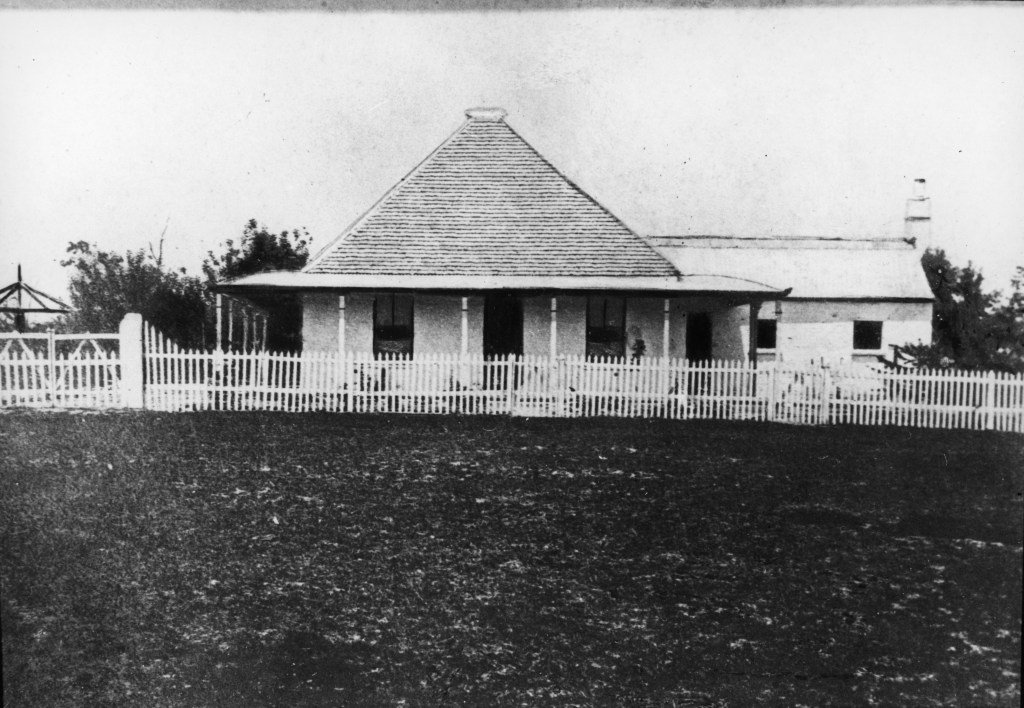
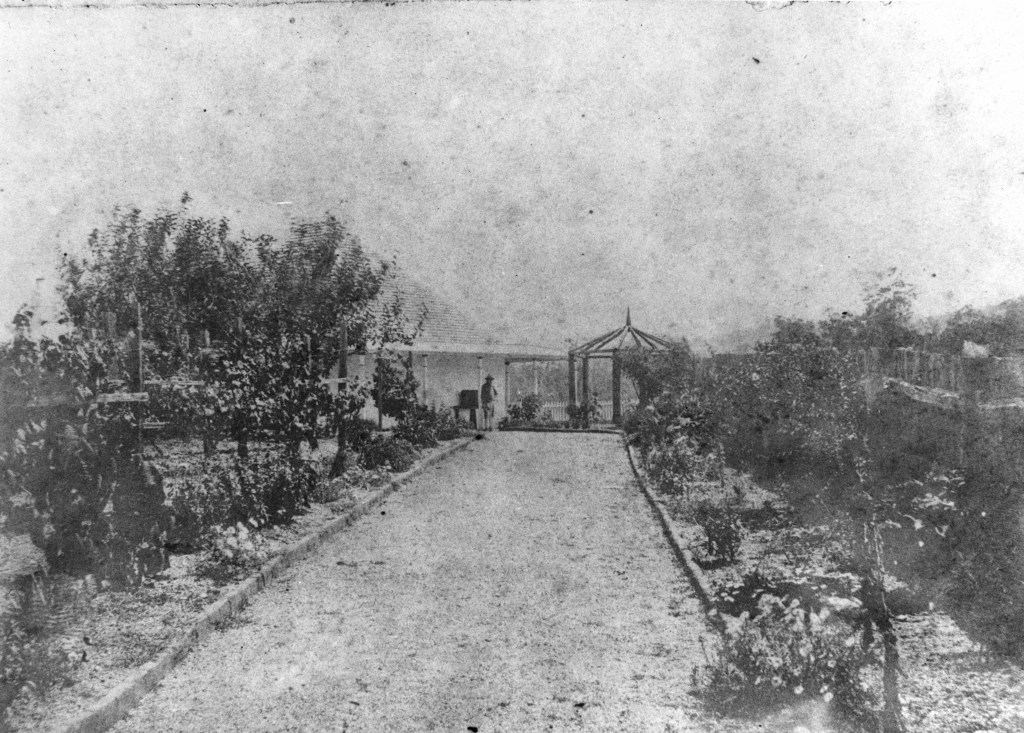
Gaythorne, on Brisbane’s north side, nestles between Enoggera and Mitchelton. Over the years, it grew from homestead farms to modern suburbia. The Pickering family established their homestead and farm, “Rosehill” there, and grew a family of five, some rather fine grapes, and wine from those grapes (the quality of the wine is lost to history, alas).
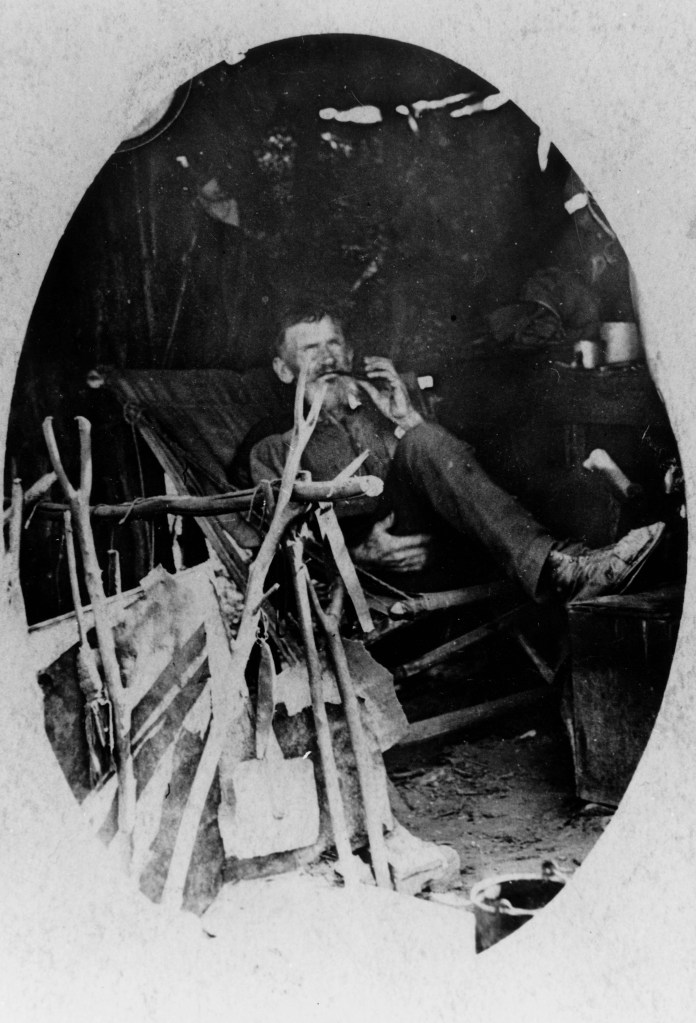
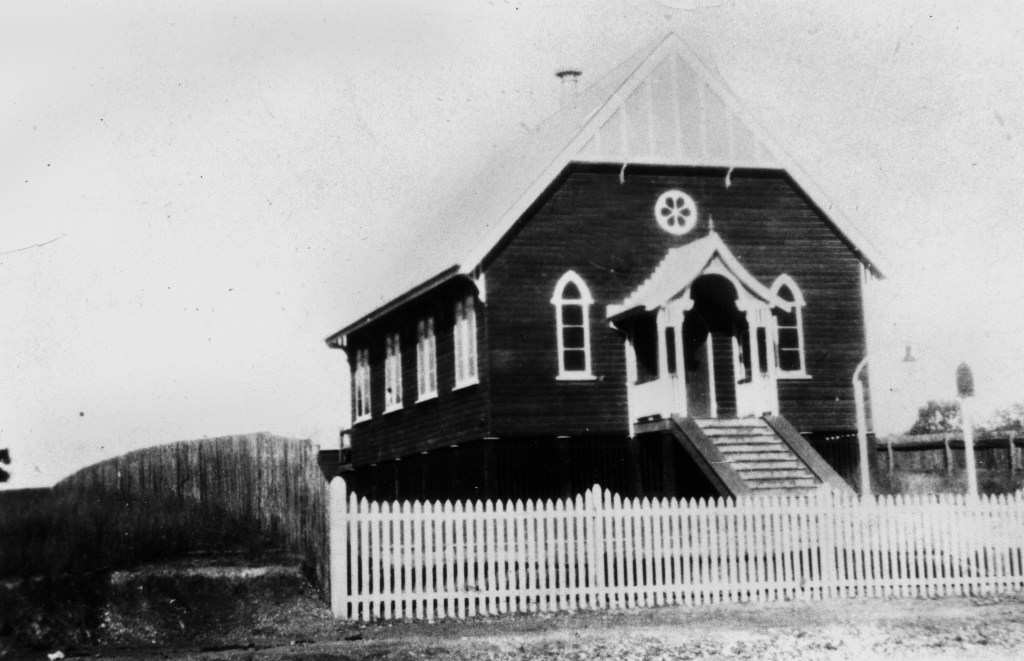
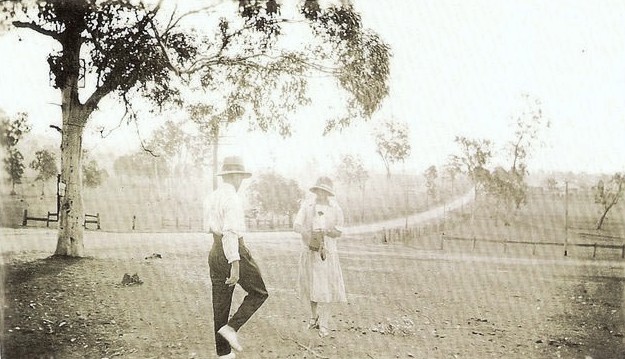
An undated photo from the State Library, identified as “Old timer camped in a humpy near a creek at Gaythorne.” The old timer may have set up his humpy at any time from the late 19th century to the Depression in the 1930s. He seems reasonably content in his bijou accommodation.“Rosehill,” home to Edward and Hannah Pickering in the early 1870s. The homestead was set up close to the site of today’s Gaythorne Railway Station.The garden at “Rosehill” in 1870. Here are the vines from which “Rosehill” wine was made.The Enoggera Presbyterian Church at Gaythorne, 1915. Sadly, this charming building was too large for the Presbyterian population of the area.Gaythorne retained a bit of semi-rural charm as late as the 1930s, as this photo of the corner of Prospect and Taylor streets shows.
Above: The butcher shop on Samford Road, Gaythorne through the years. At left: 1914. Centre: 1920. Right: 1940.
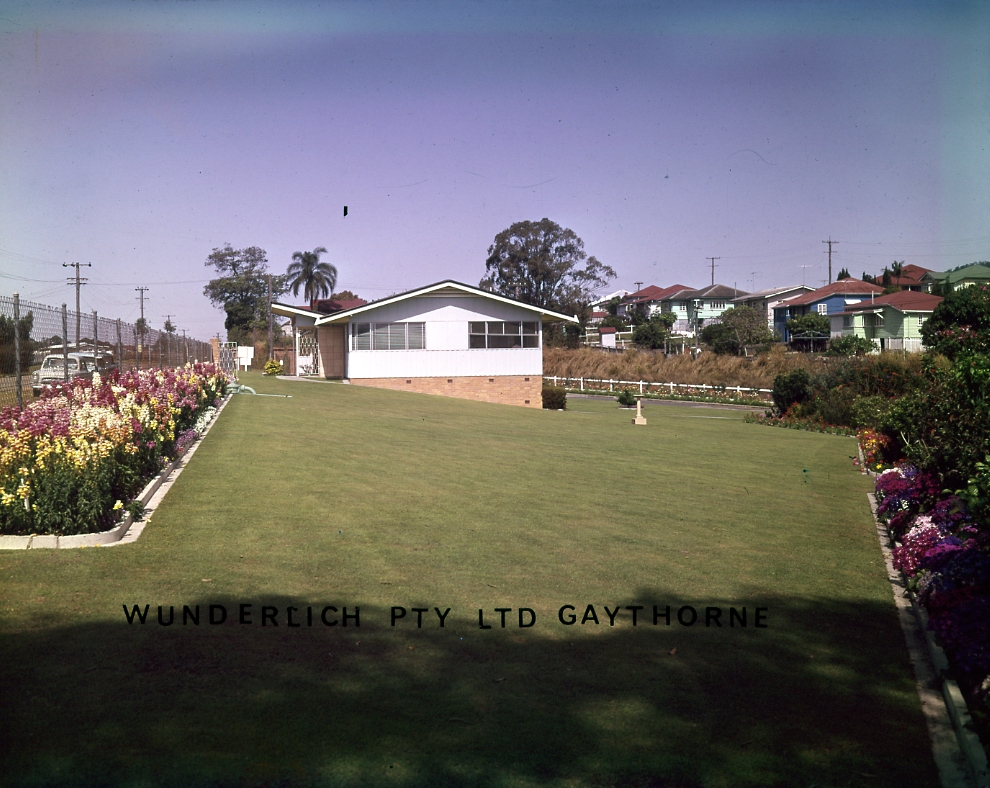
And in 1963, this disciplined patch of grass with decorative edges was a competitor in the Courier-Mail Gardens competition. Not a weed in sight. One suspects that the owner was either (a) childless, or (b) the parent of some incredibly well-behaved and tidy children.
Geebung.
Geebung was essentially a 20th century suburb, growing up around, and named after, the Geebung Railway Station.
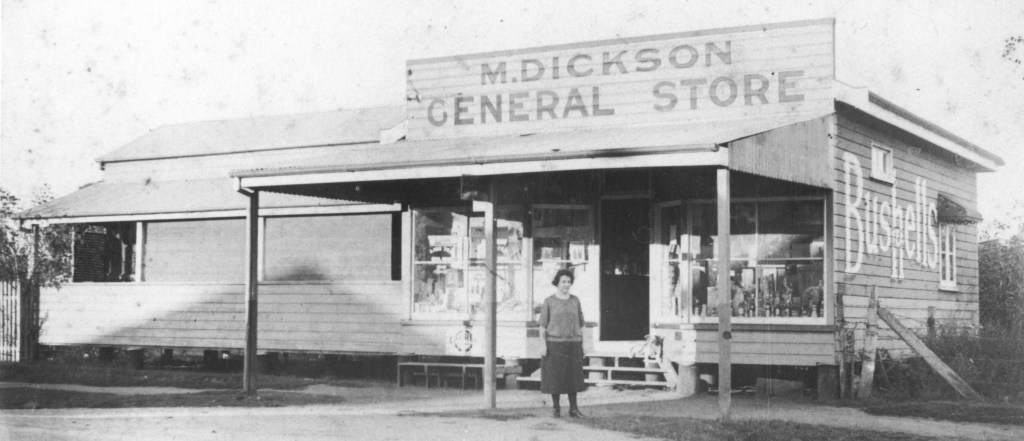
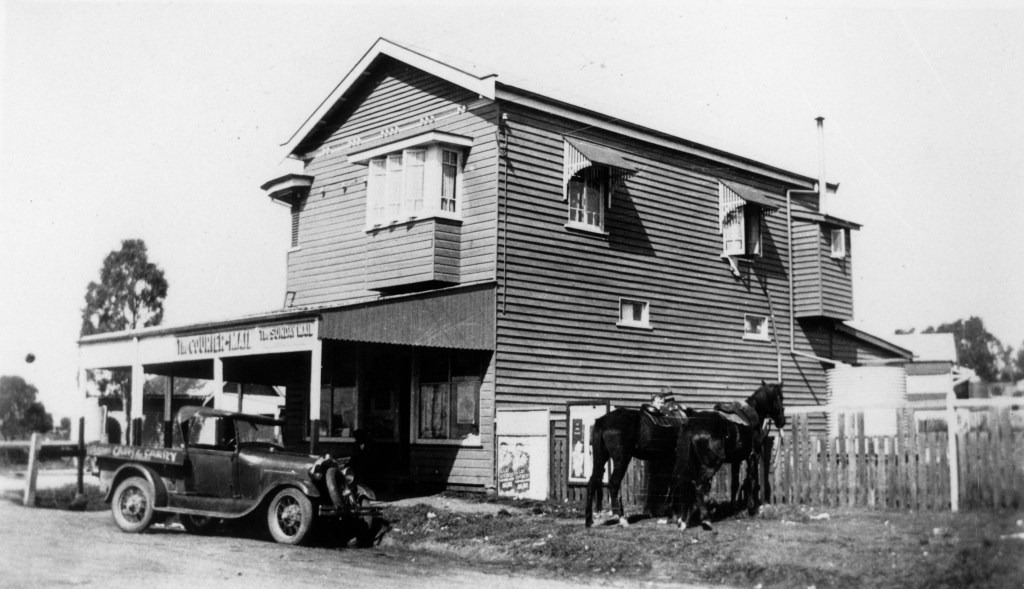
Miss Dickson outside the Dickson General Store. Undated, but looking at the clothing style, one suspects late 1920s – early 1930s.Torpie’s Cash and Carry shop at Geebung. They could deliver using both kinds of horsepower, but probably not at the same time. Clearly, Geebung in the 1930s could sustain two mixed businesses.
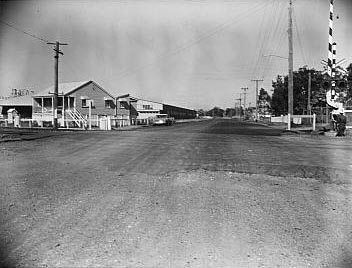
The level crossing at Geebung Railway Station in the 1960s.
Geebung was also home to the Golden Circle Factory, here shown bottling up their fruit juices.
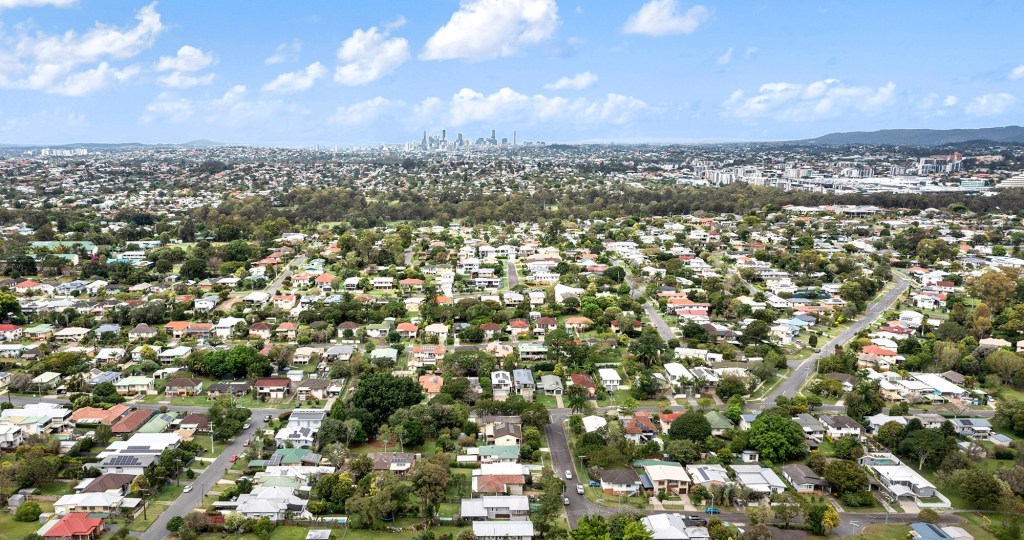
Because the early years of Geebung weren’t terribly well-documented by photographers, I’ve included a 21st century overlook view of the suburb, with the Central Business District in the distance.
Gordon Park
The name of this suburb was chosen to honour General Gordon (of Khartoum fame). Lots in the Gordon Park Estate began being sold as early as 1886 and 1890, but the suburb did not start to come into its own until the early 20th century. It has been somewhat overshadowed by its larger and more populous neighbouring suburbs, Lutwyche, Kedron and Stafford.
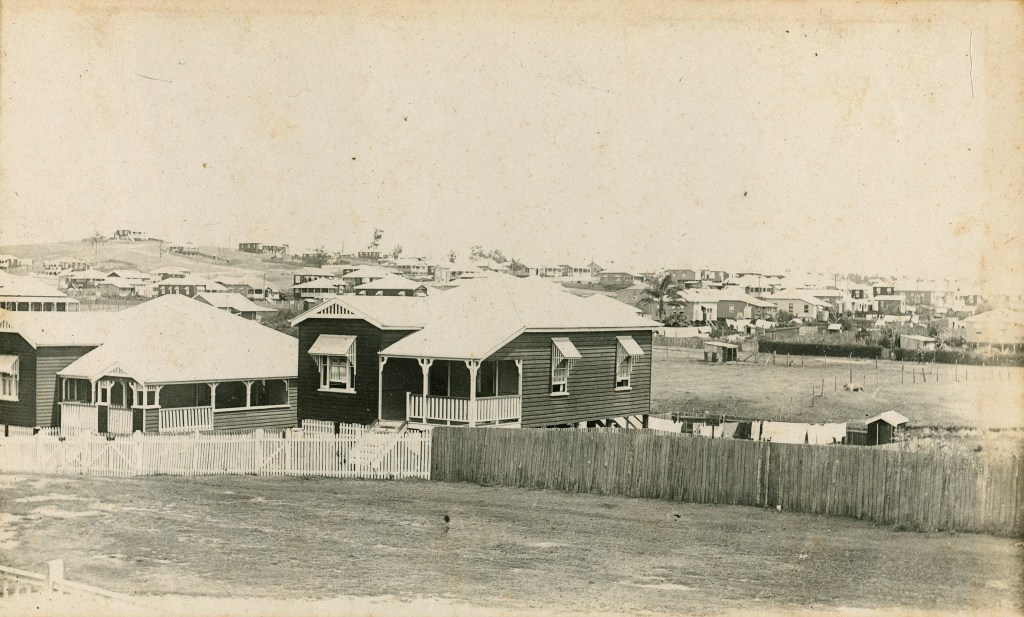
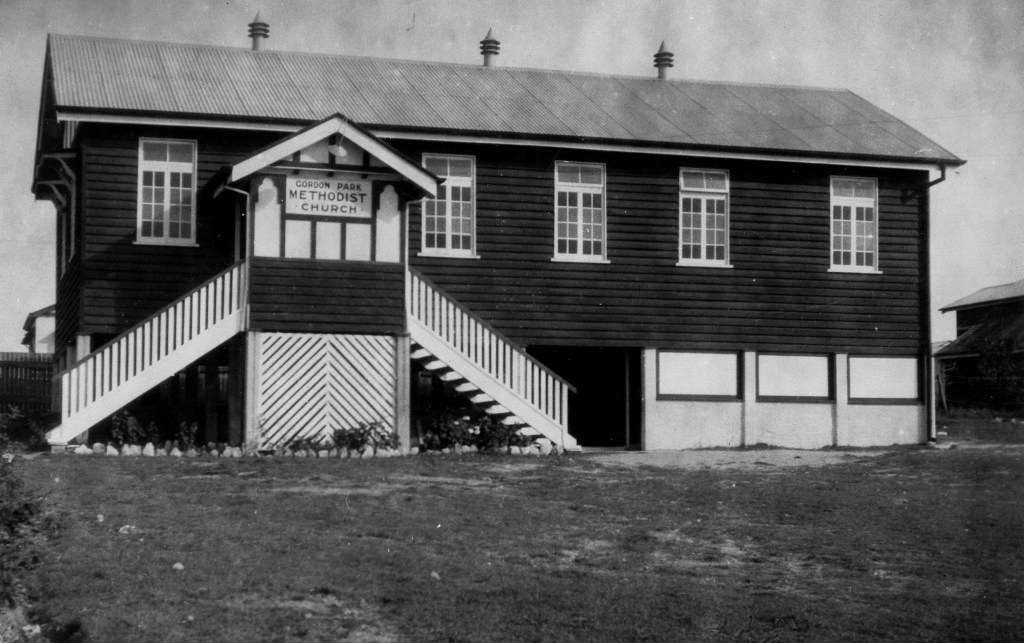
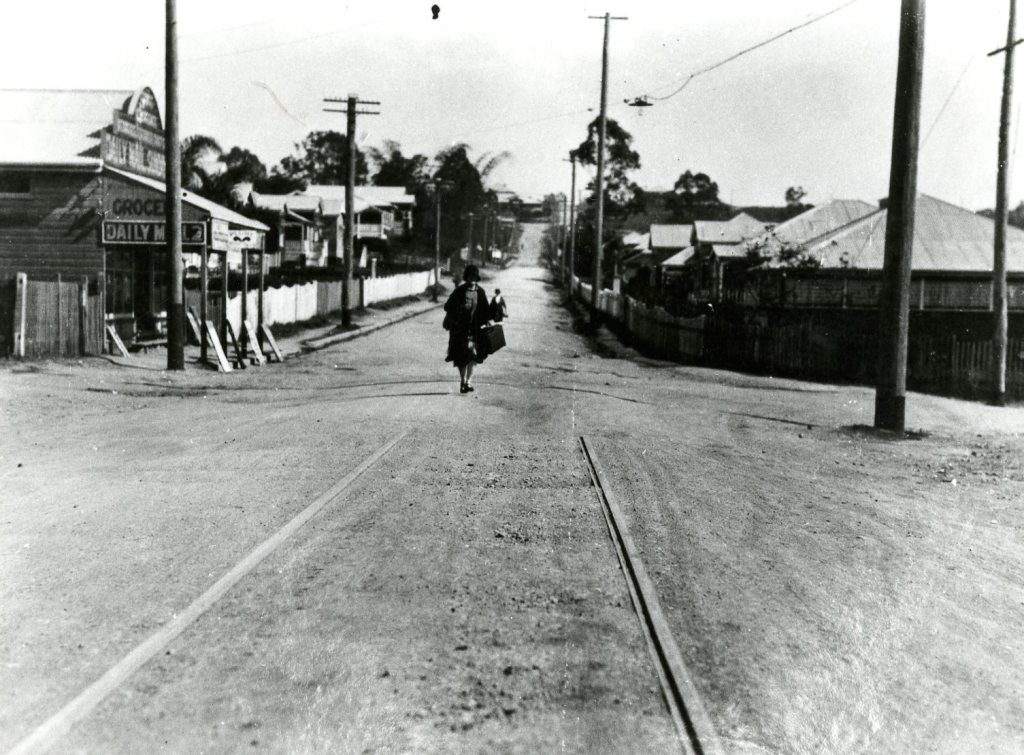
Gordon Park Estate, 1924Gordon Park Methodist Church 1931. A very similar style to the Gaythorne Presbyterian Church. No word on whether there were sufficient Methodists in Gordon Park in 1931 to make this a going concern.
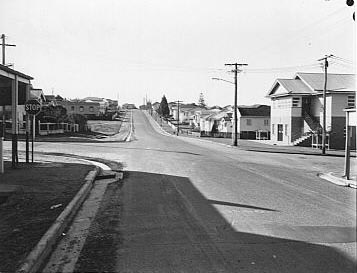
Khartoum Street, Gordon Park, 1968.
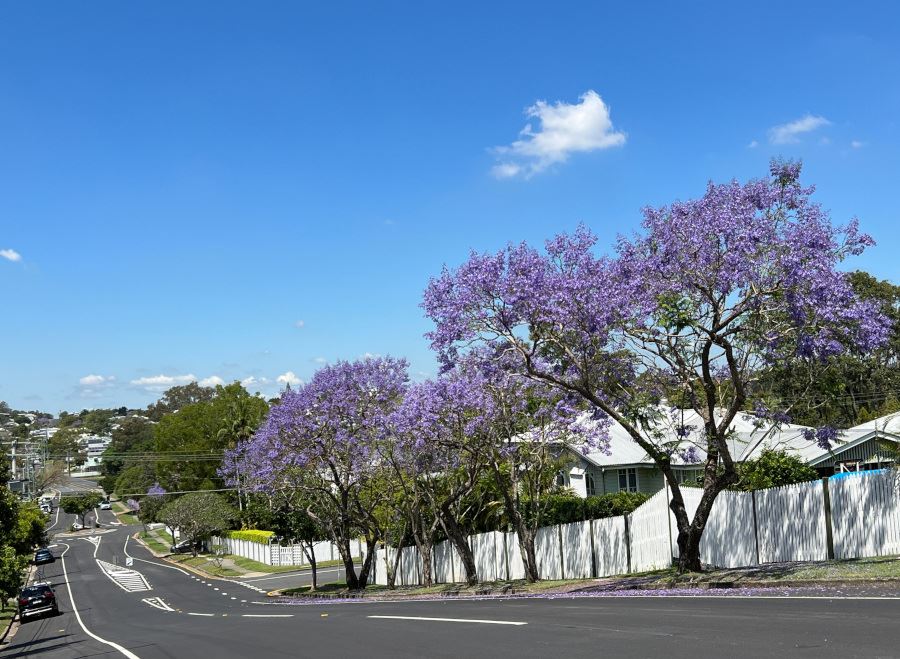
And because the old-time photographers didn’t do it justice, here is a modern rendering of Gordon Park.
Graceville
European settlement at Graceville dates back to the 1860s, with the establishment of a Baptist chapel on Oxley Creek. Due to lack of other facilities, or an unusually ecumenical spirit, local Methodists and other denominations also worshipped there for a time.
The suburb was named for its railway station, which in turn was named for the daughter of Samuel Grimes MLA.
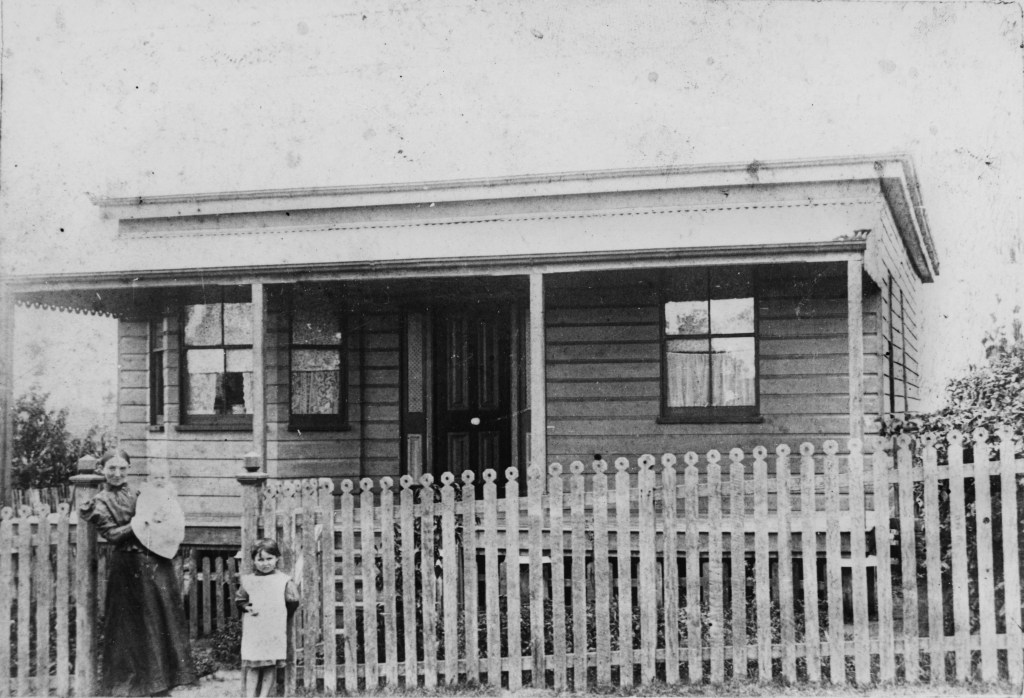
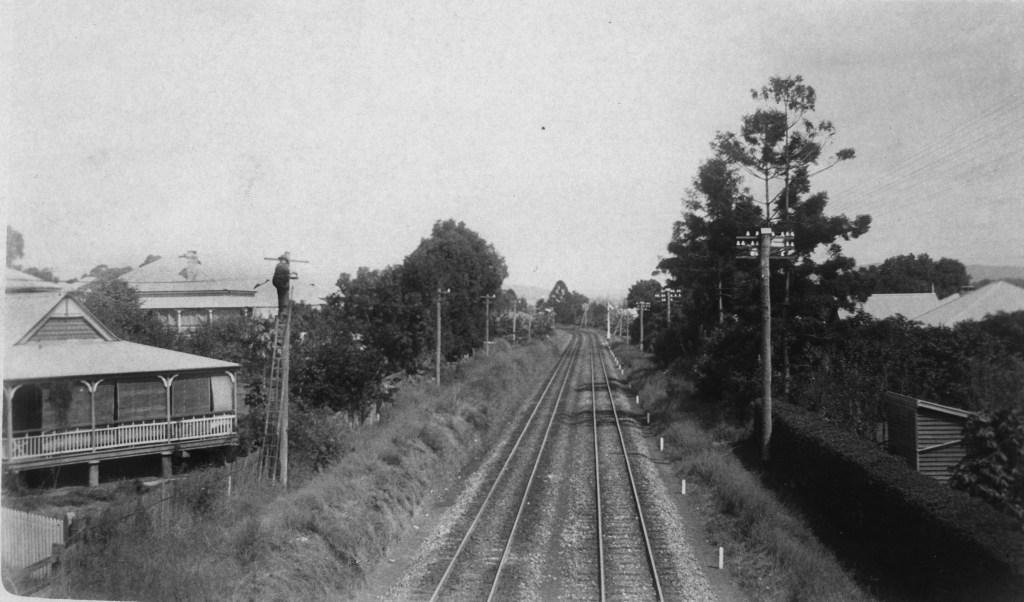
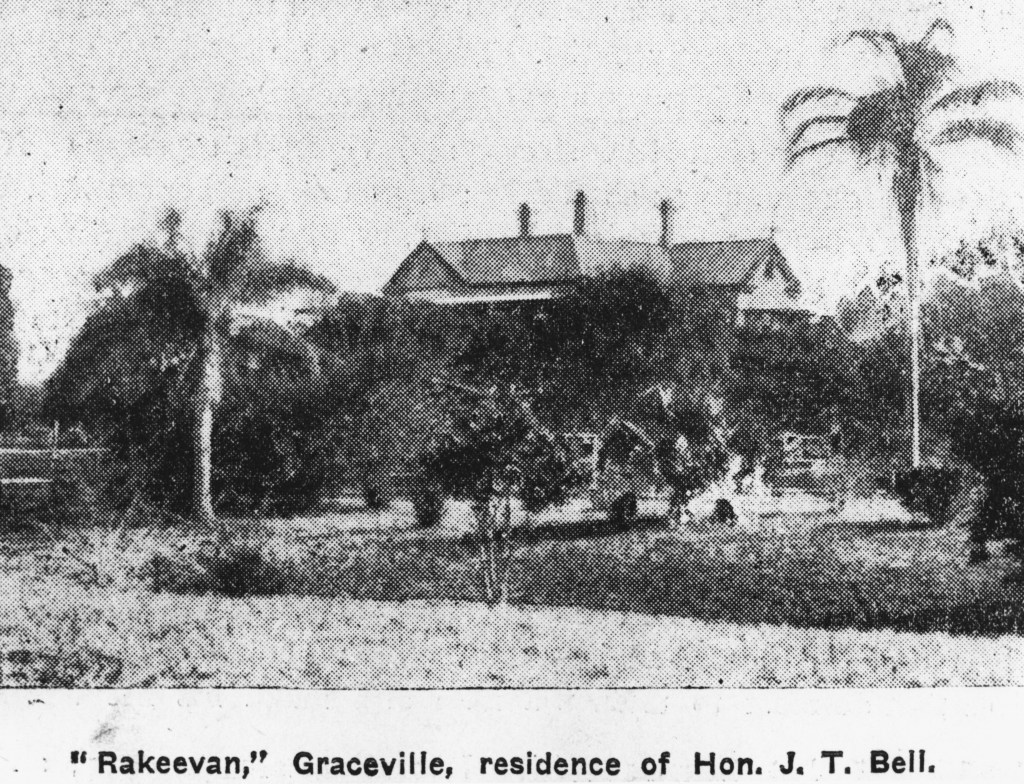
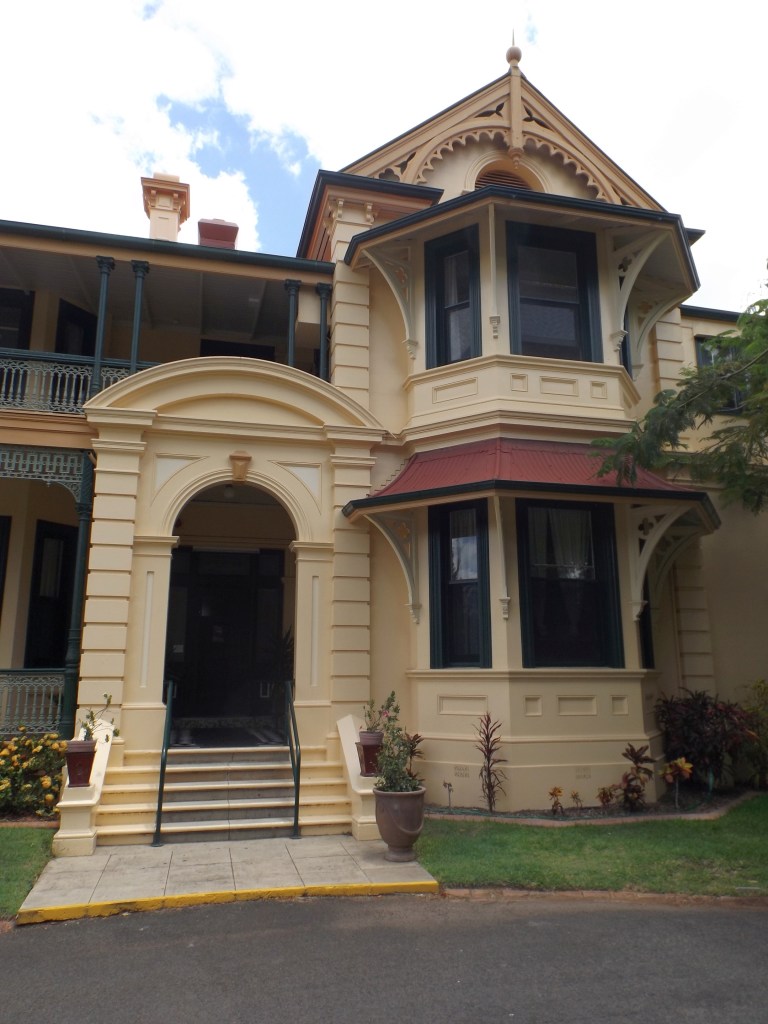
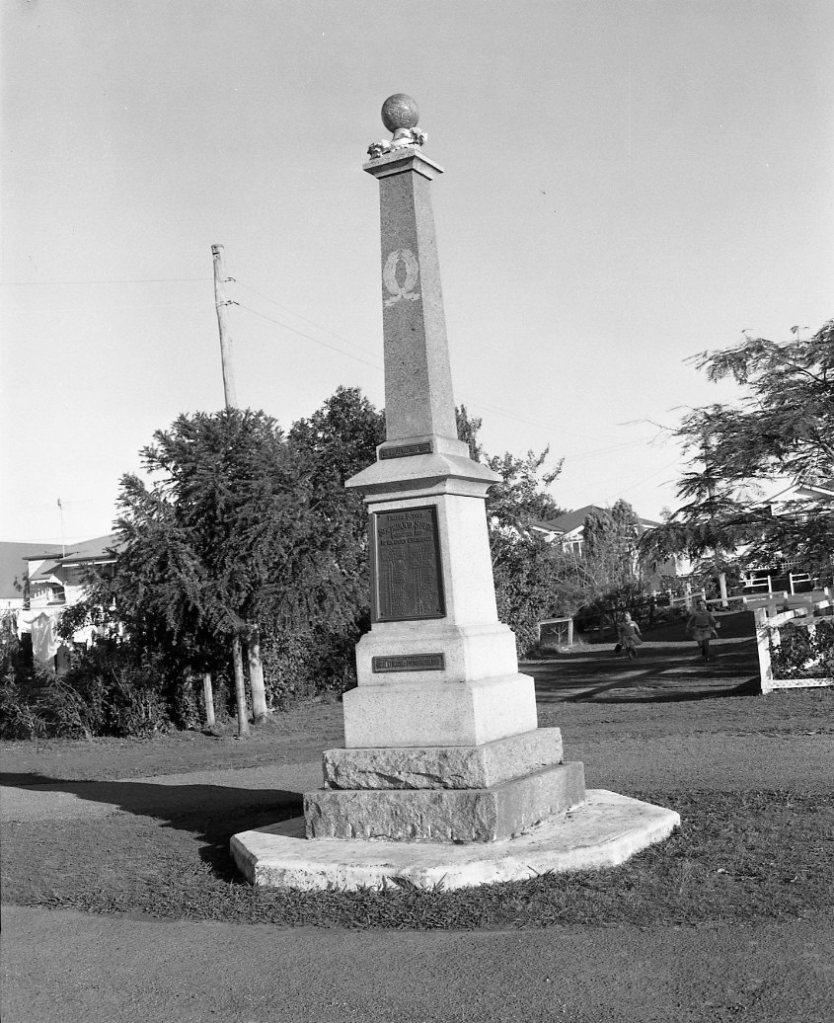
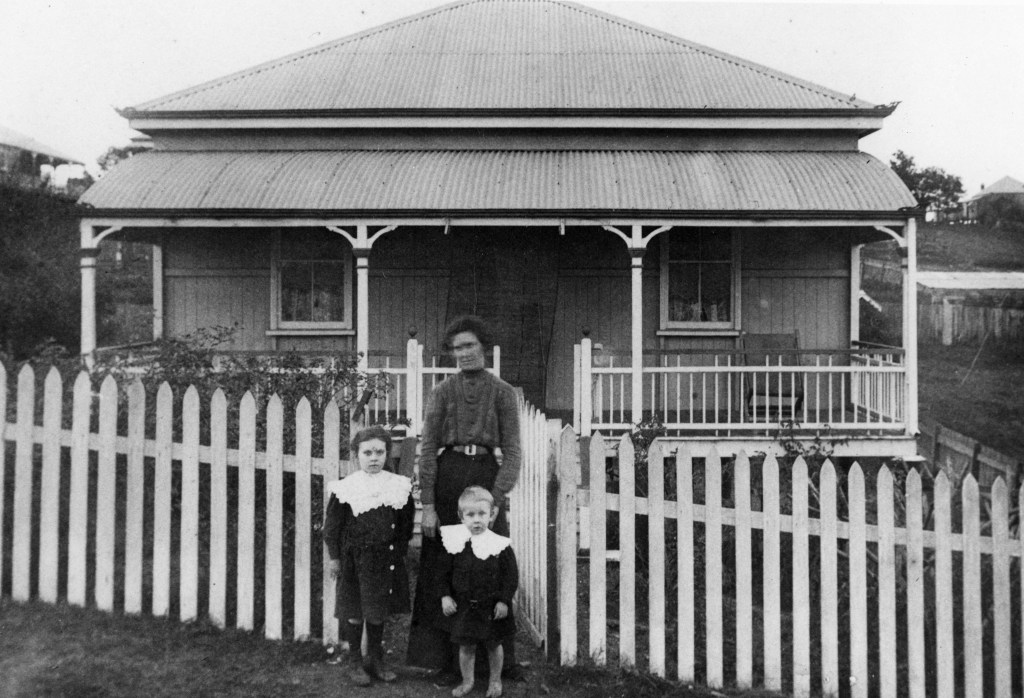
Advertisement for allotments in Graceville, c 1888The Chamberlain Cottage, Graceville, 1897.Graceville railway Station, 19151906: Rakeevan house.Today: the entrance to Betheden (formerly Rakeevan)Graceville War Memorial
Grange.
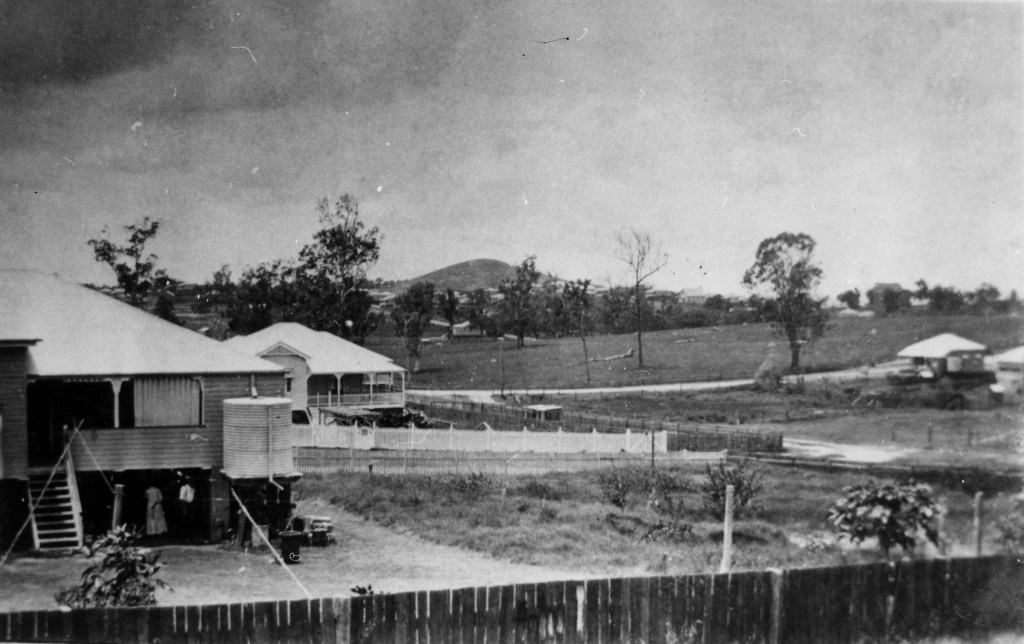
Grange began with the Grange Tannery and Fellmongery in the 1860s, and developed into a charming, hilly suburb in the following decades.
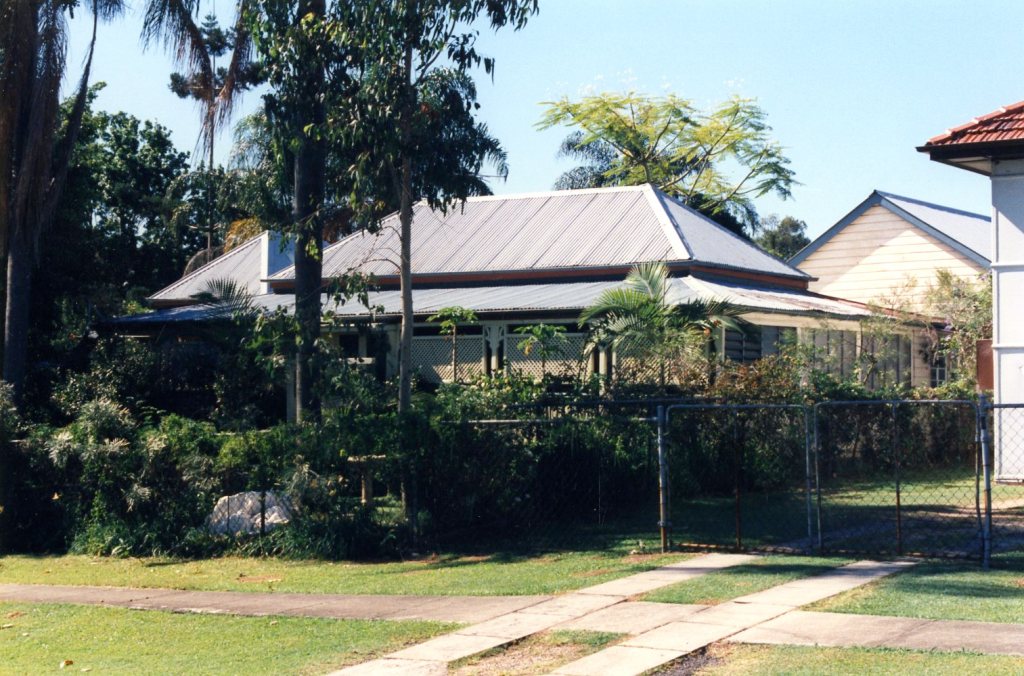
A worker’s cottage at the Grange, c 1917.New houses along Grange Road, 1916Homes at (the) Grange, 1964.Grange tram terminus on Days Road in 1929.House in the Grange in 1998.
Greenslopes
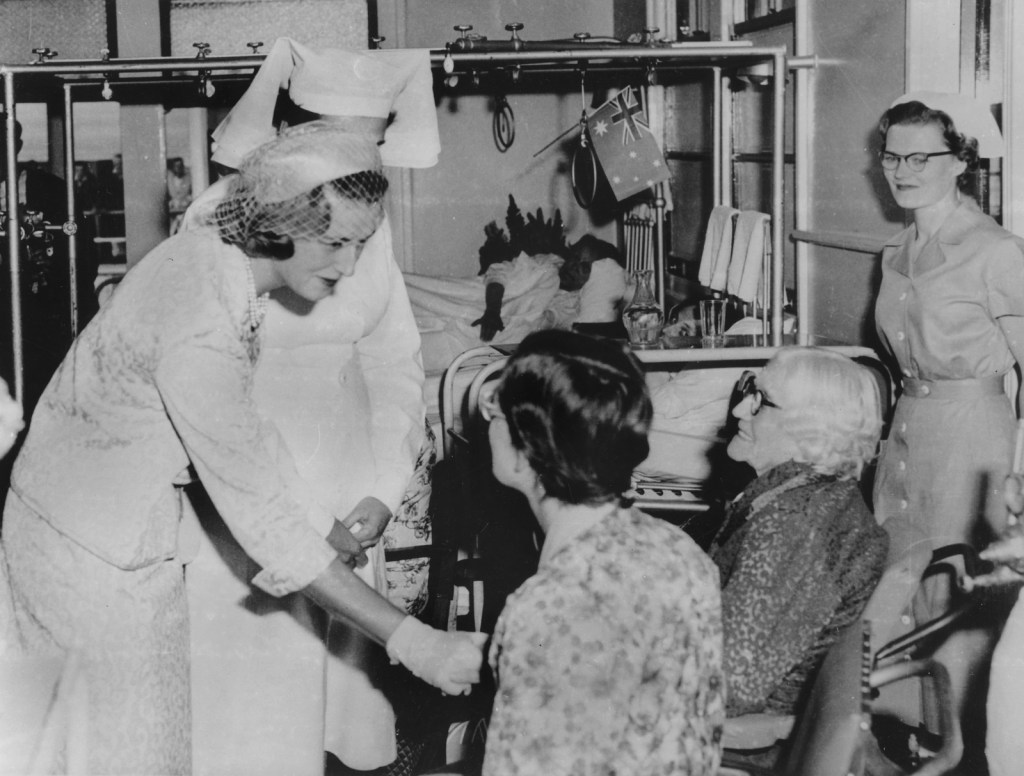
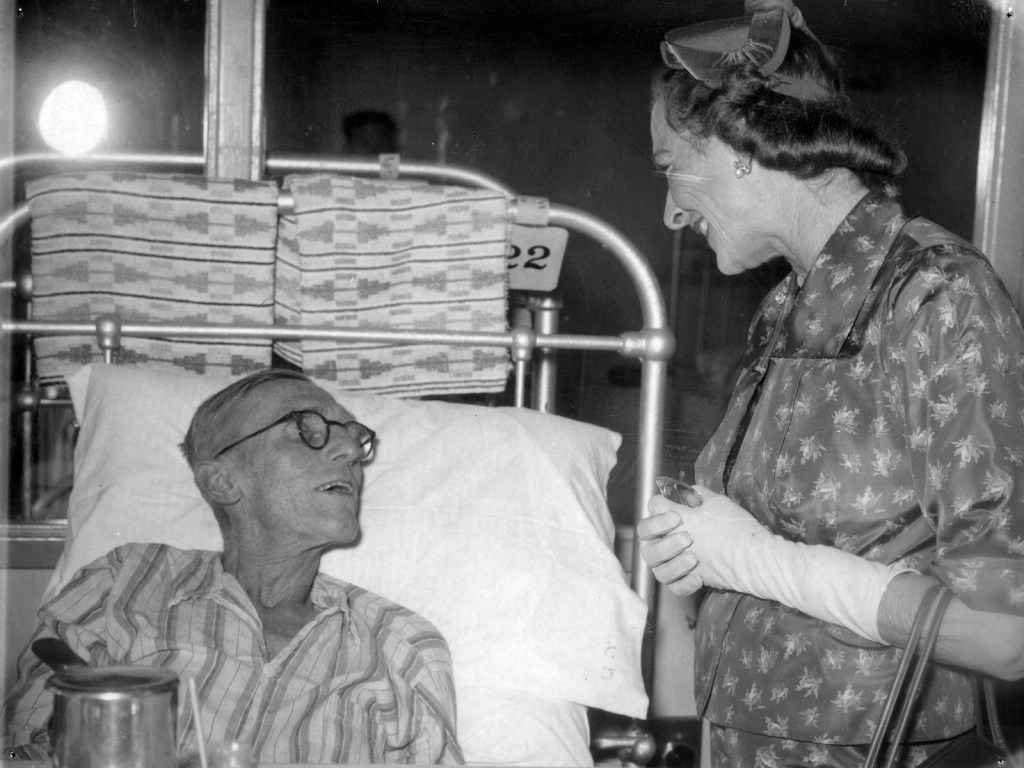
Thanks to the Greenslopes Repatriation General Hospital, (or Repat, as anyone with a returned service person in the family knew it), we have our first celebrity photographs in this series.
Left: Princess Alexandra greeting families at Greenslopes Hospital, 1959. Right: Edwina, Lady Mountbatten, with a patient at Greenslopes.
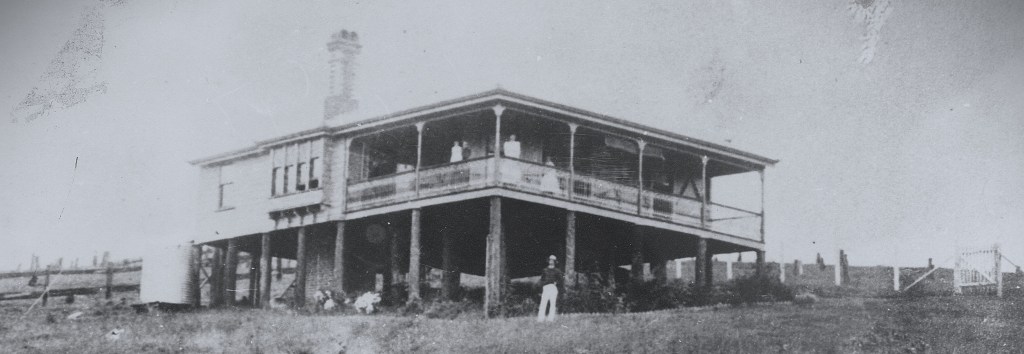
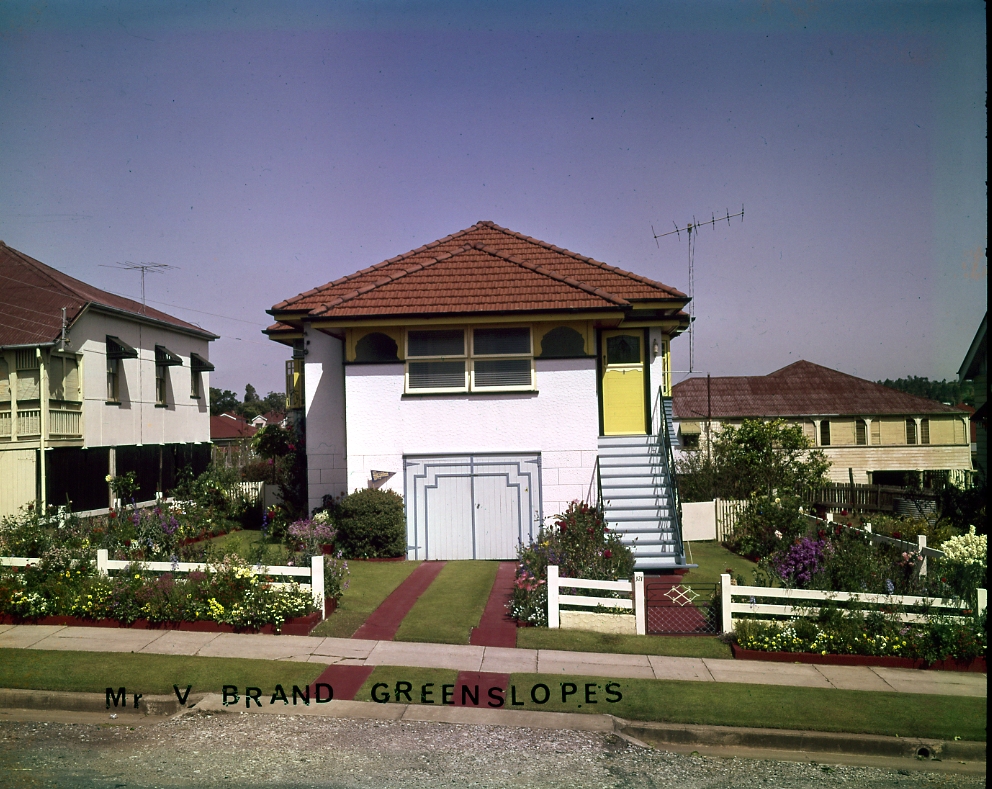
Myoora homestead at Greenslopes in 1892. It probably wasn’t as crooked as it looked in this image.Mr V Brand’s Courier-Mail Gardens Competition entry in 1963. Mr V Brand liked his garden neat and tidy. He liked his carport doors neatly painted (with trim, even). He liked his driveway and path neatly paved and painted. He permitted himself a moment of exuberance with his choice of paint colour on his front door.
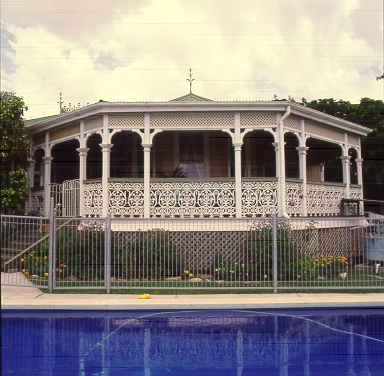
A Queenslander-style house in Greenslopes in 1981. Pools were particularly sapphire blue in those days, apparently.
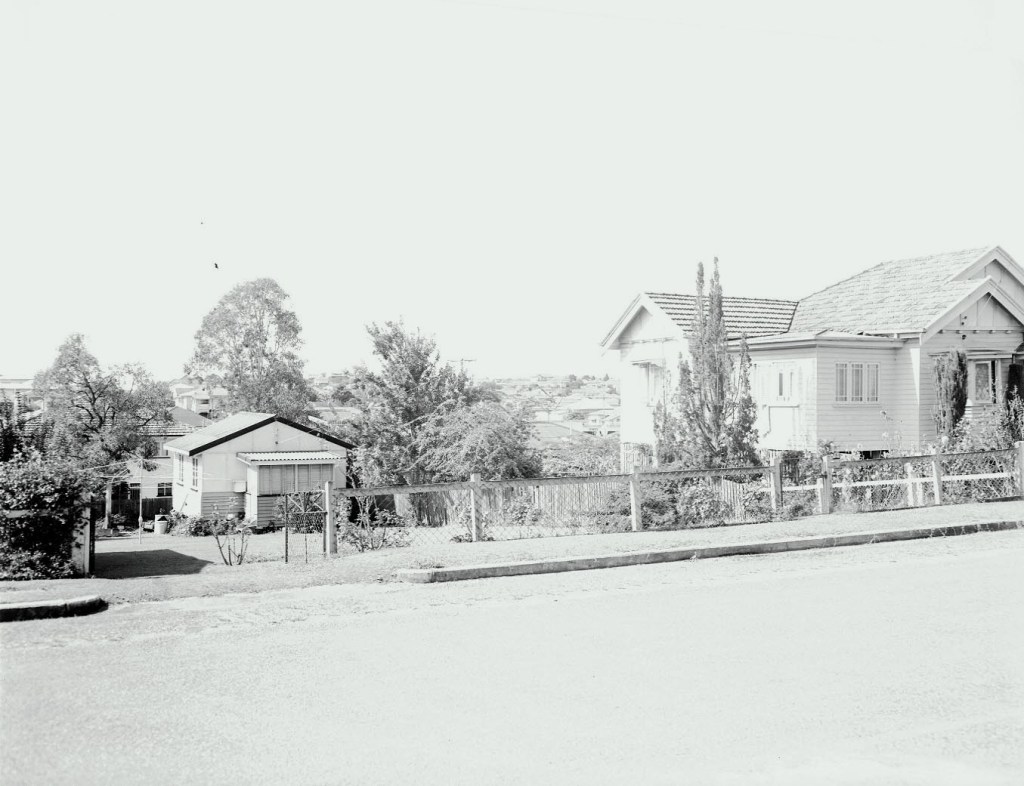
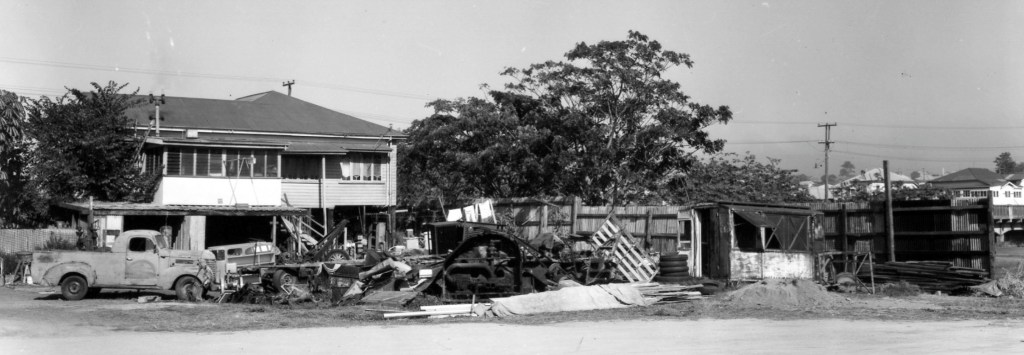
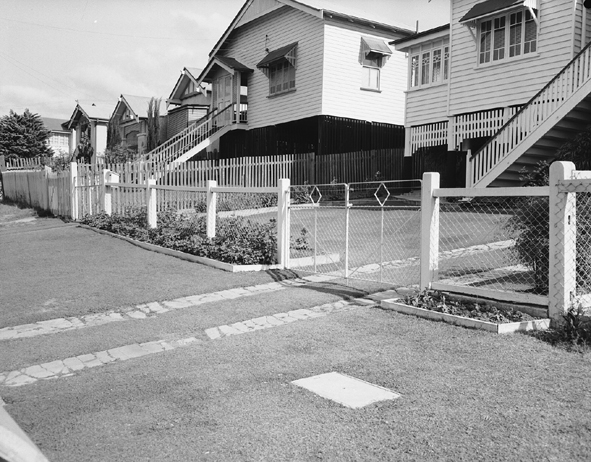
In 1965, an alert Brisbane City Council Officer photographed this residence in Greenslopes. No doubt with a view to issuing a stern letter requiring the resident to remove all that clutter from the front yard and footpath area. Neater homes in Greenslopes in 1958. Not quite as discerning in the matter of driveway paving as Mr V Brand would be five years later.
Gumdale.
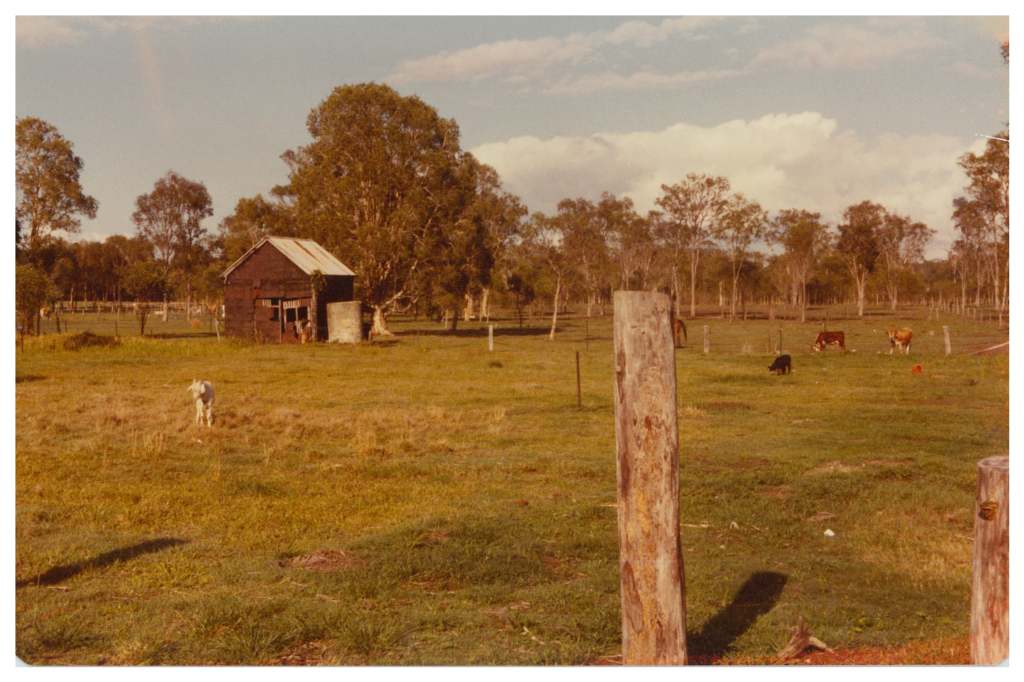
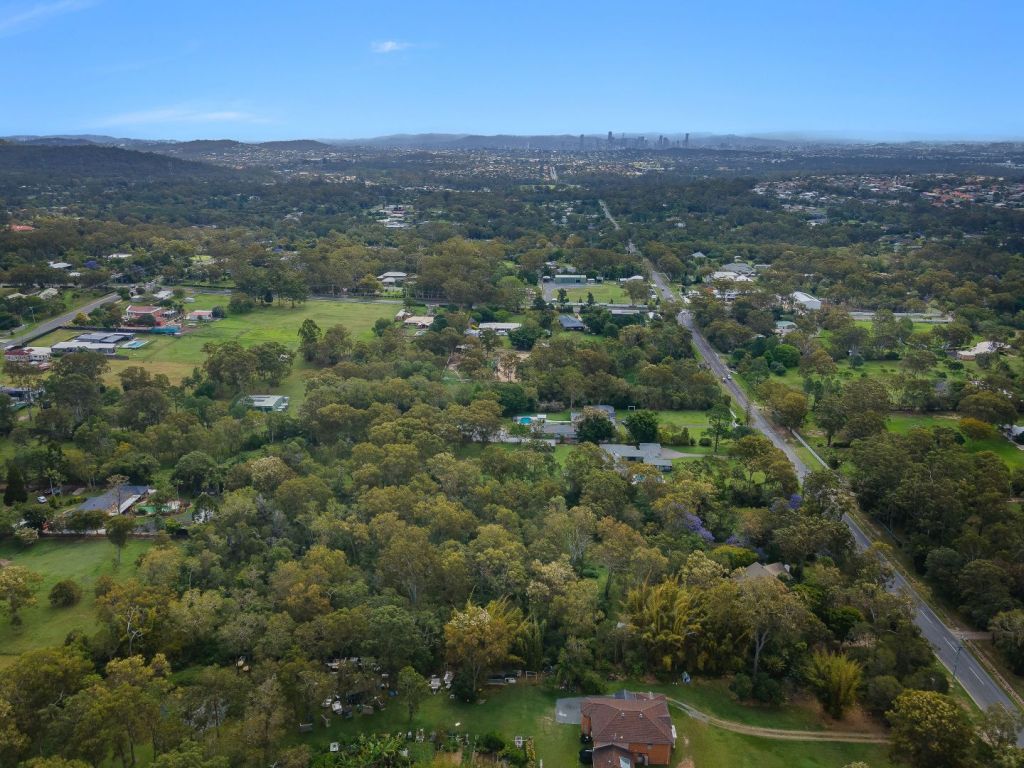
Gumdale is an outer suburb of Brisbane that has always been acreage-based. It was first settled by Europeans in the late 19th century, and has retained a semi-rural flavour over the years.
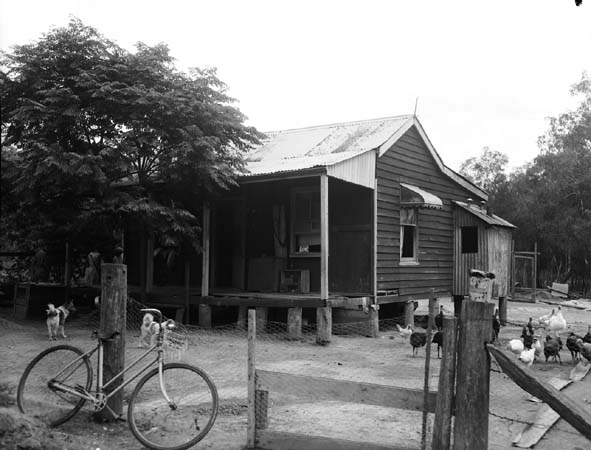
In 1959, a BCC photographer captured this old Gumdale home. Would he or she have been more concerned about the dogs or the poultry? Perhaps the carelessly-parked bicycle drew their attention.In the 1970s, the Brisbane City Council was back, recording a “kerosene tin house.” Presumably, this des res was constructed of kerosene tins? Sounds smelly, if not flammable. At any rate, the livestock were untroubled.Gumdale today, showing how leafy it still remains. No trace of unconventional building materials or carelessly-parked bicycles. (Domain real estate).
Images: Images are taken from the Brisbane Images photographic library of the Brisbane City Council, and the out of copyright images from the State Library of Queensland.
Attribution for other images:
Jacarandas in full bloom, Gordon Park, 2021 by anonymous, published by Royal Geographic Society of Queensland under CC-BT-4-0 licence.
Princess Alexandra meets patients at the Repatriation Hospital, Greenslopes, 1959. Details: Original version photographic print : black & white, 21 August 1959, Negative number: 30158 Copyright status In copyright.





 Moreton Bay and More