
Kallangur
Kallangur, derived from the Kabi word Kalangoor (good place) was a mainly rural area with a few stores along what became Anzac Avenue. It grew into a suburb when Anzac Avenue linked the routes to Redcliffe and Brisbane. And it’s technically not in the Brisbane Council area, but I let Jimboomba in, so…
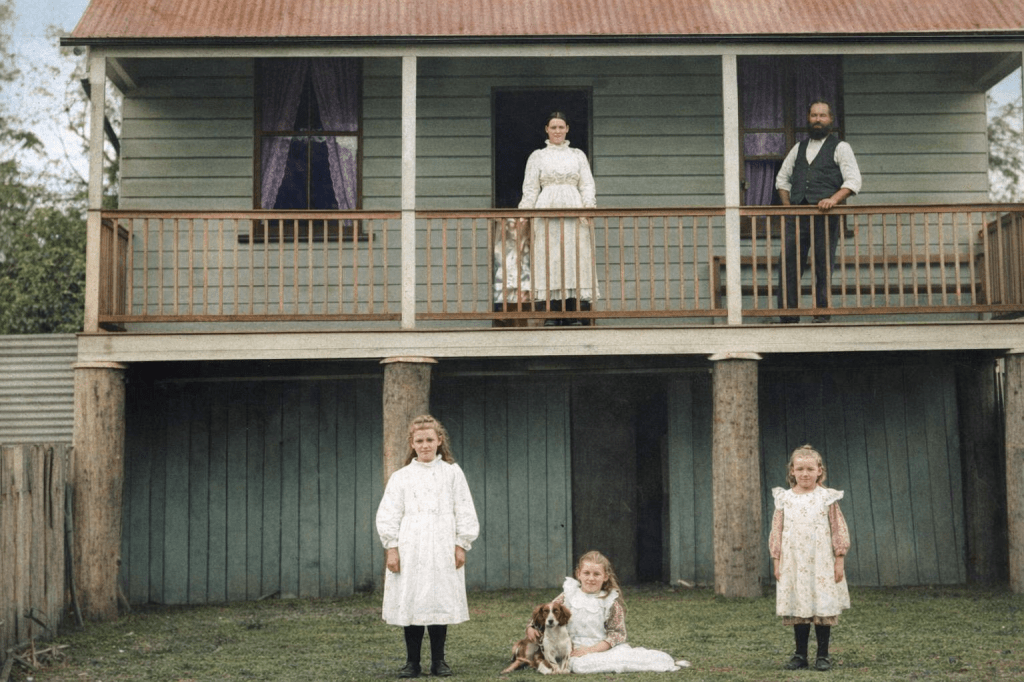
If only one member of the family could have been prevailed upon to toddle over to the left-hand window, my itch for symmetry would have been scratched. Nonetheless, it’s a charming photo of a young family in very early Kallangur.
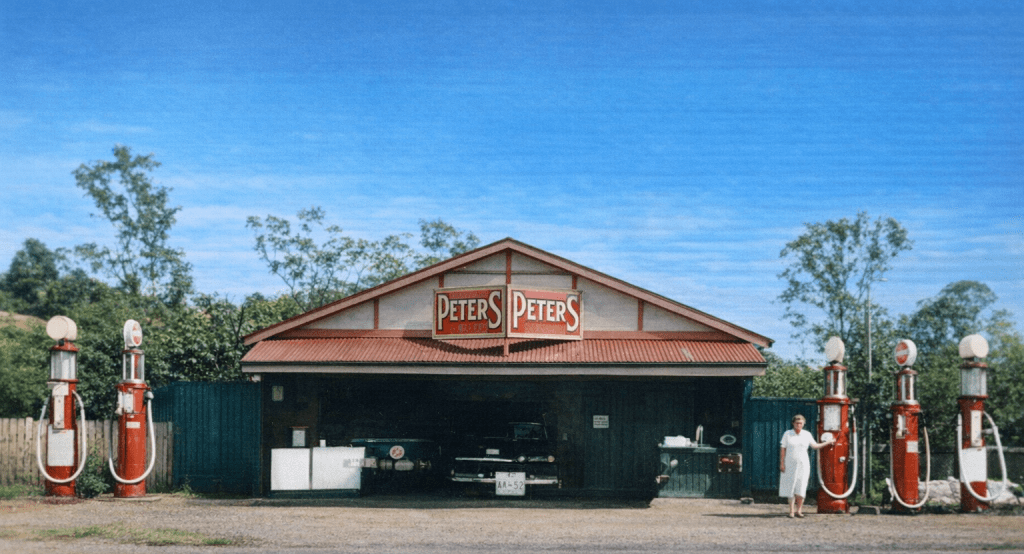
The information on the State Library of Queensland website dates this picture as 1910s, but I’d respectfully suggest that the number of petrol pumps and the height of Mrs Brewer’s hemline would indicate the 1930s. I don’t think Edwardian travellers would feel comfortable patronising the store of someone whose ankles were so shamelessly on display.
Kangaroo Point.
This is one of Brisbane’s oldest neighbourhoods, just across the river from the town. A lot of local worthies and notables lived there from the early 1840s onwards, and the camera recorded their lives and the suburb’s scenes.
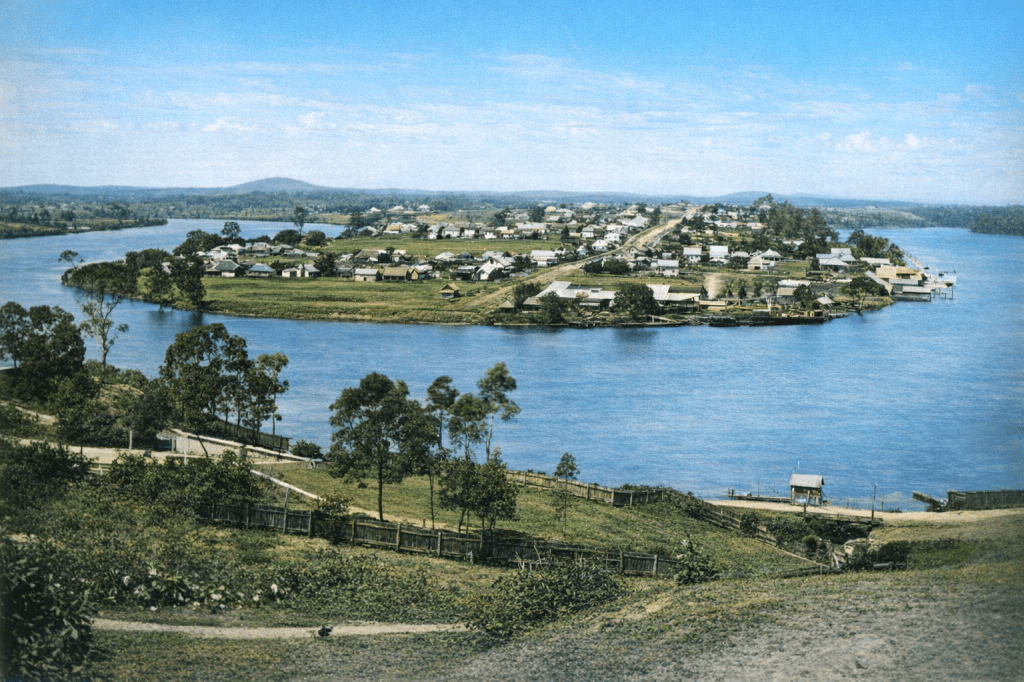
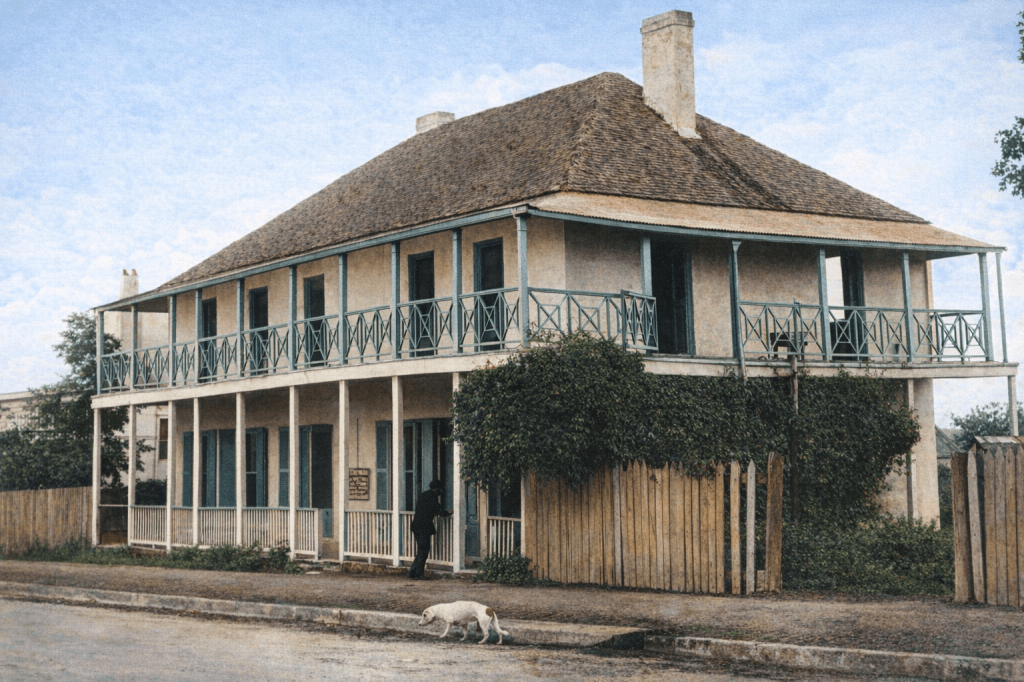
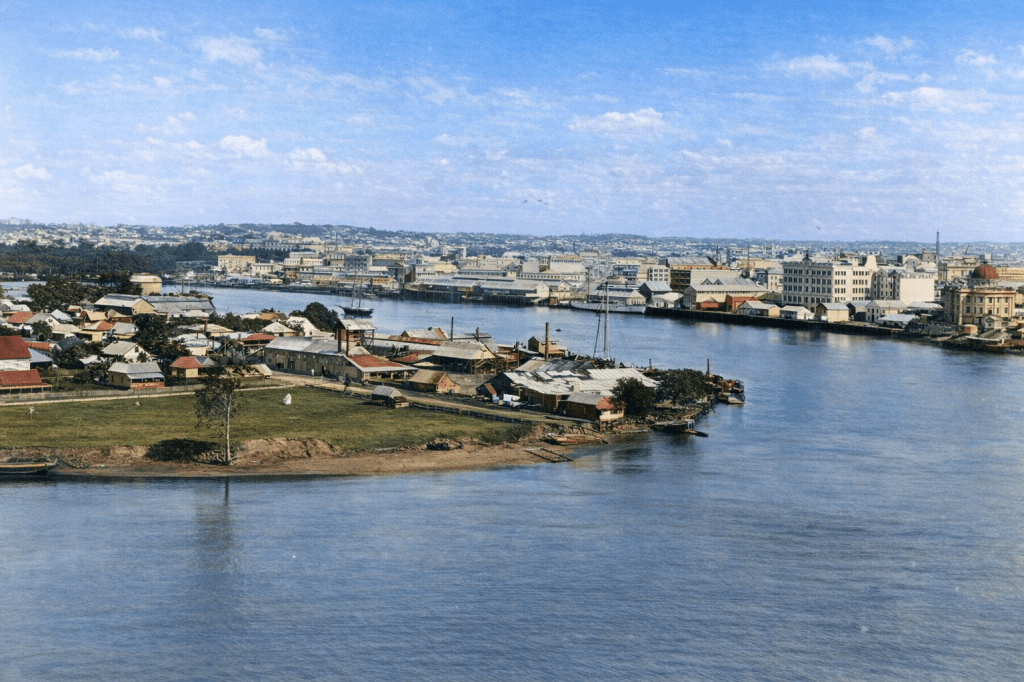
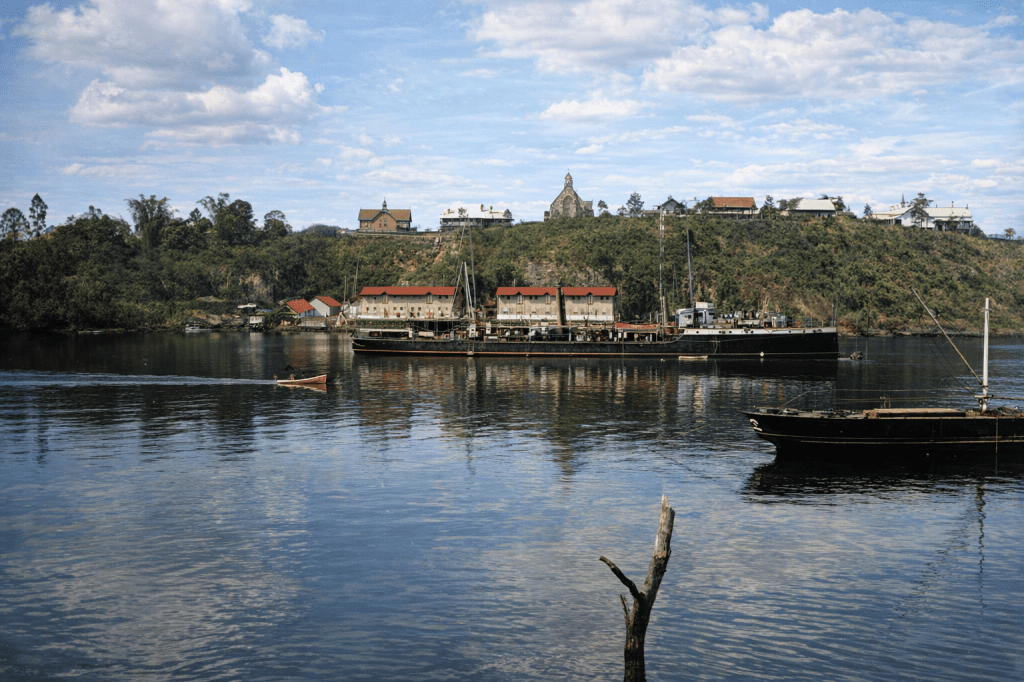
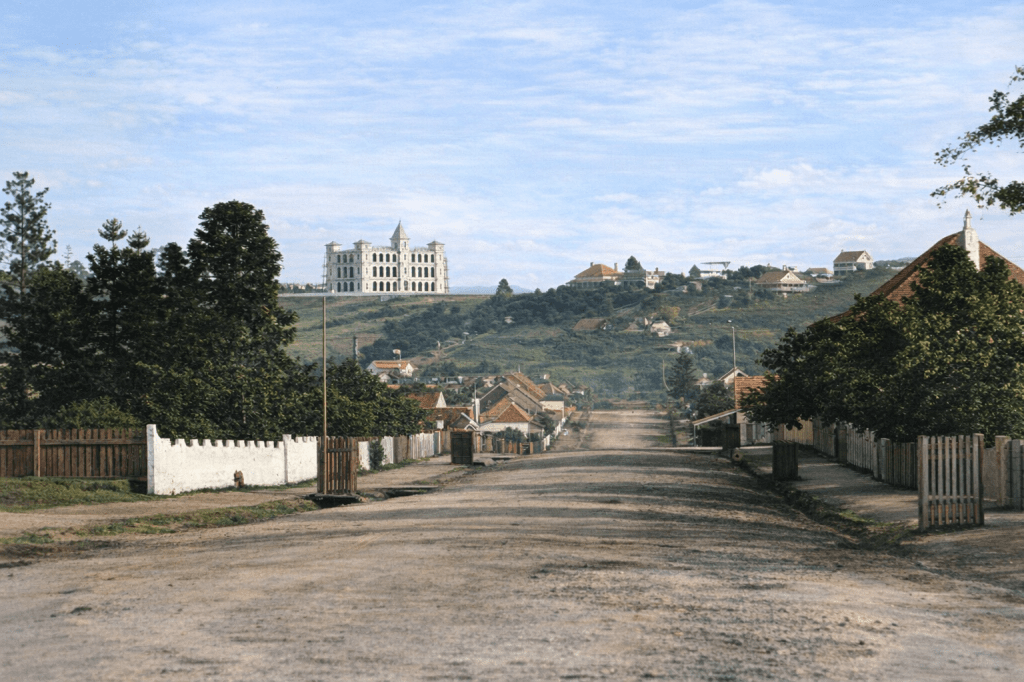
The Queensland Heritage Register contains the following sites for Kangaroo Point:
The Kangaroo Point Cliffs, Leckhampton (residence), Sunnyside (residence), St Mary’s Anglican Church, Shafston House, St Nicholas Russian Orthodox Cathedral, the Naval Stores, the Holman Street Ferry Terminal, the Raymond Park Air Raid Shelters, Home (residence), Silverwells (residence), Cliffside Apartments (residences), the Story Bridge, the Scott Street Flats (residences), and the Yungaba Immigration Depot. Some of the historical houses are opened for visitors at certain times of the year.
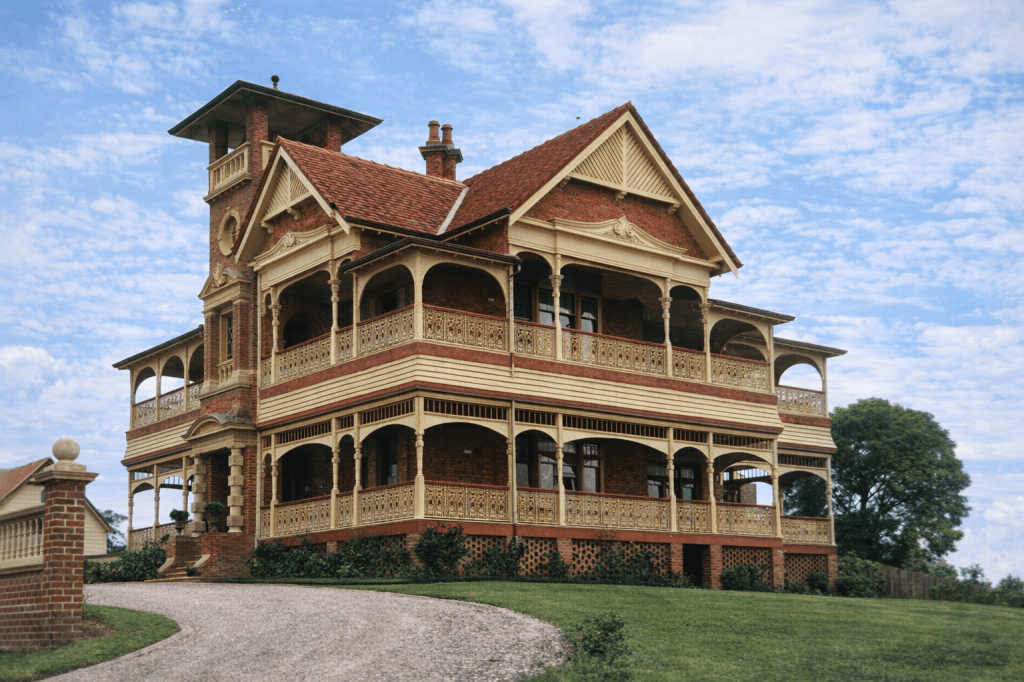
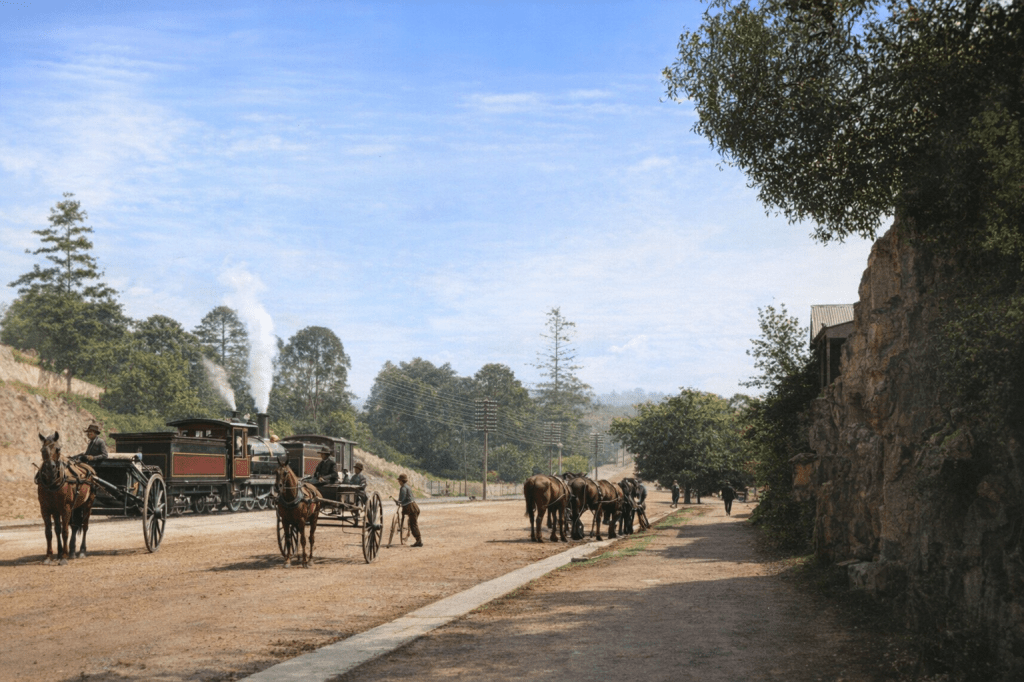
Notable residents of Kangaroo Point.
James (Duramboi) Davis had a blacksmith’s shop there, and spent his early married years there with Feisty Wife Number 1. He appeared as a witness and interpreted for some indigenous residents at the celebrated murder trial of William Fyfe in 1848.
Silvester Diggles, the music teacher, musician and artist, made his residence at Kangaroo Point. There he worked on his exquisite illustrations for Birds of Australia.
Samuel Duffy, the Bay fisherman who worked with a team of indigenous fishermen, lived at Kangaroo Point after an extraordinary early life that included a stint at Norfolk Island.
Kedron
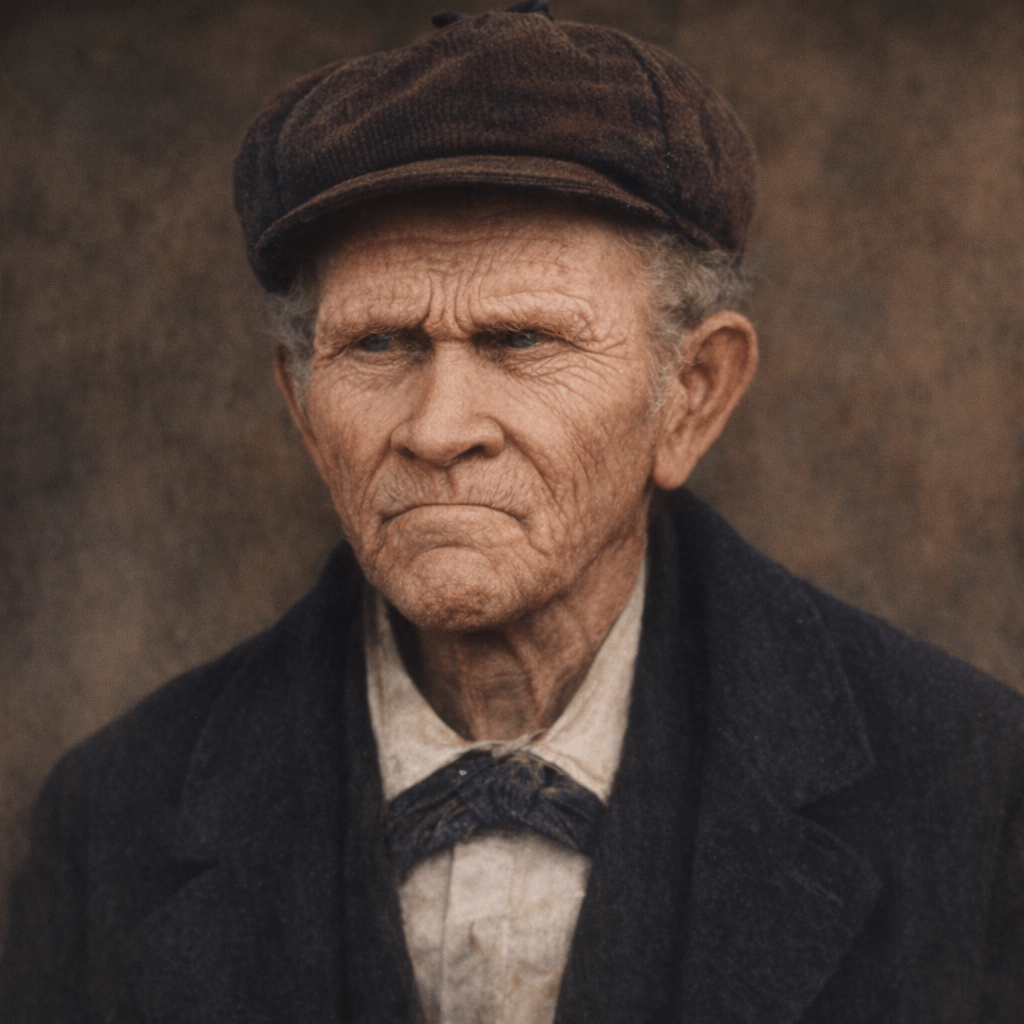
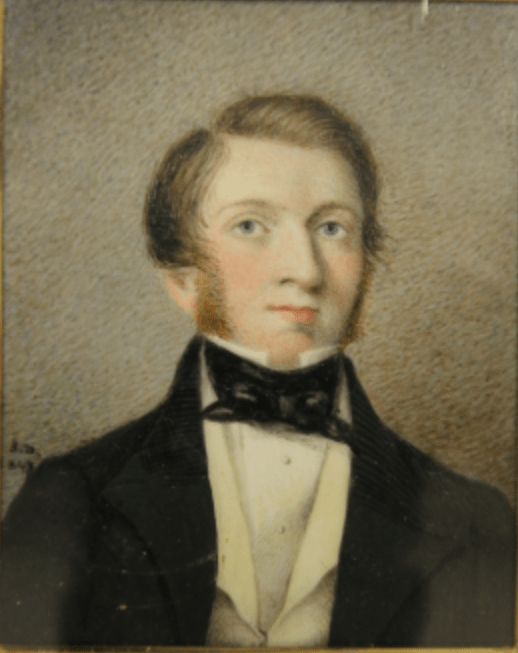
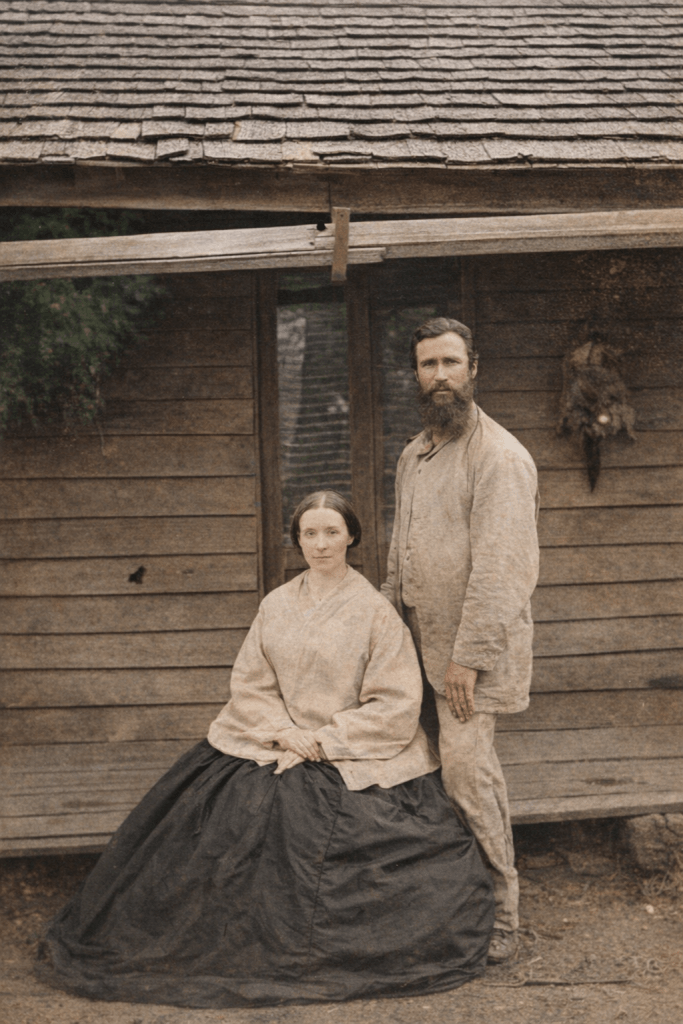
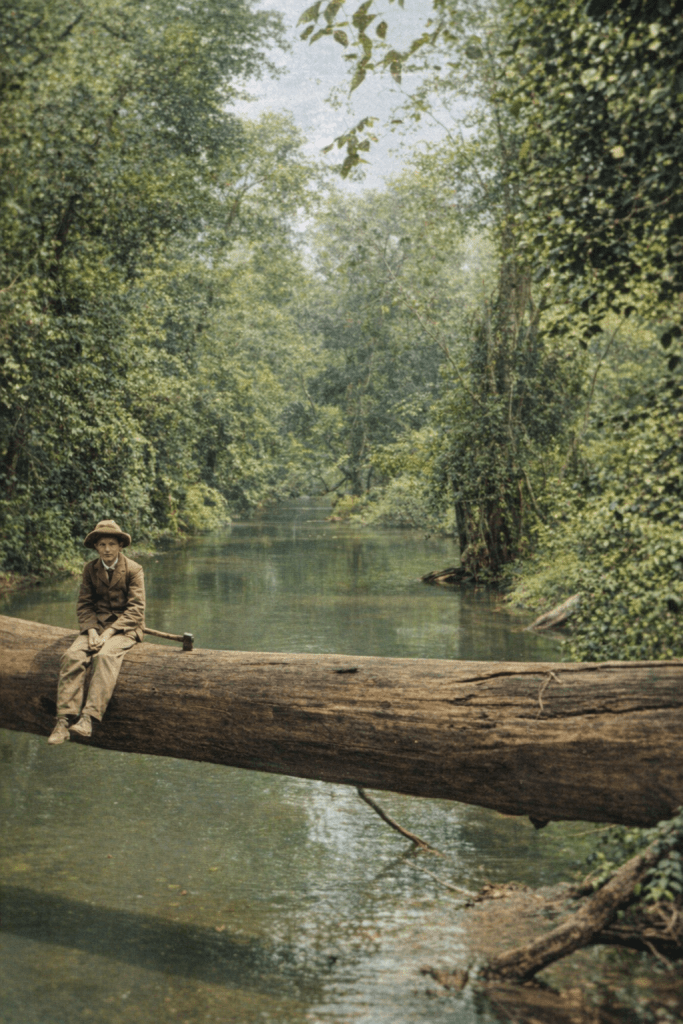
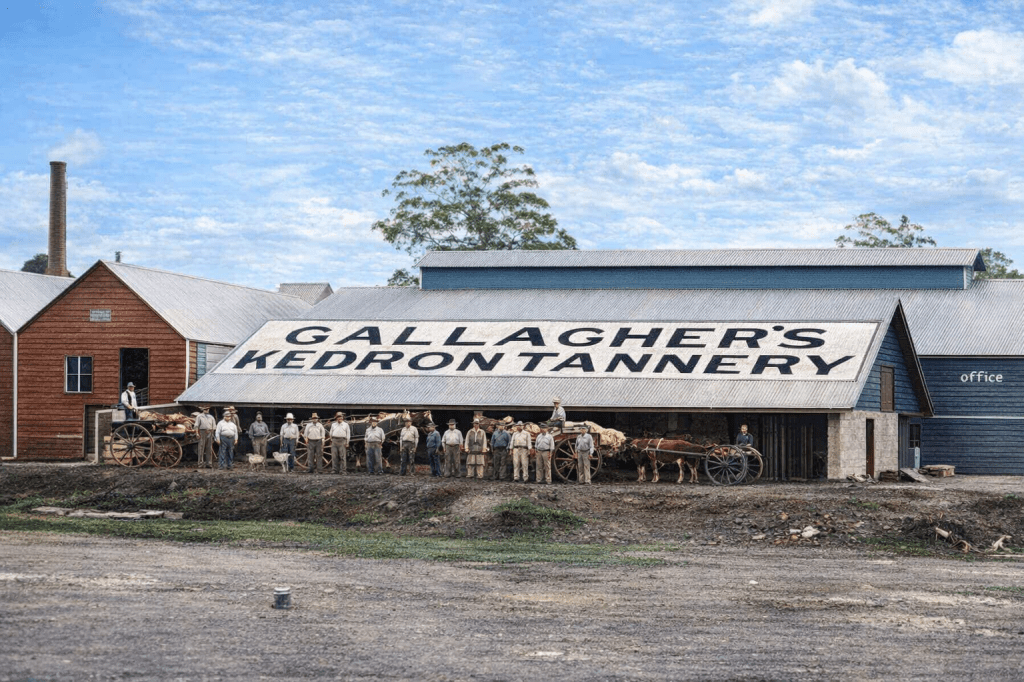
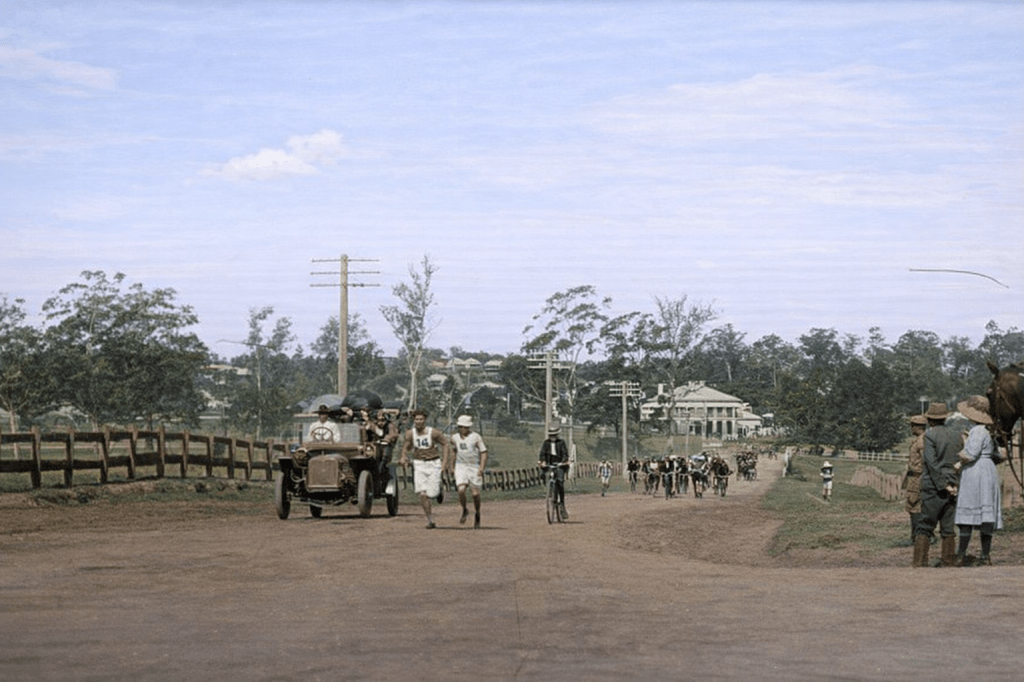
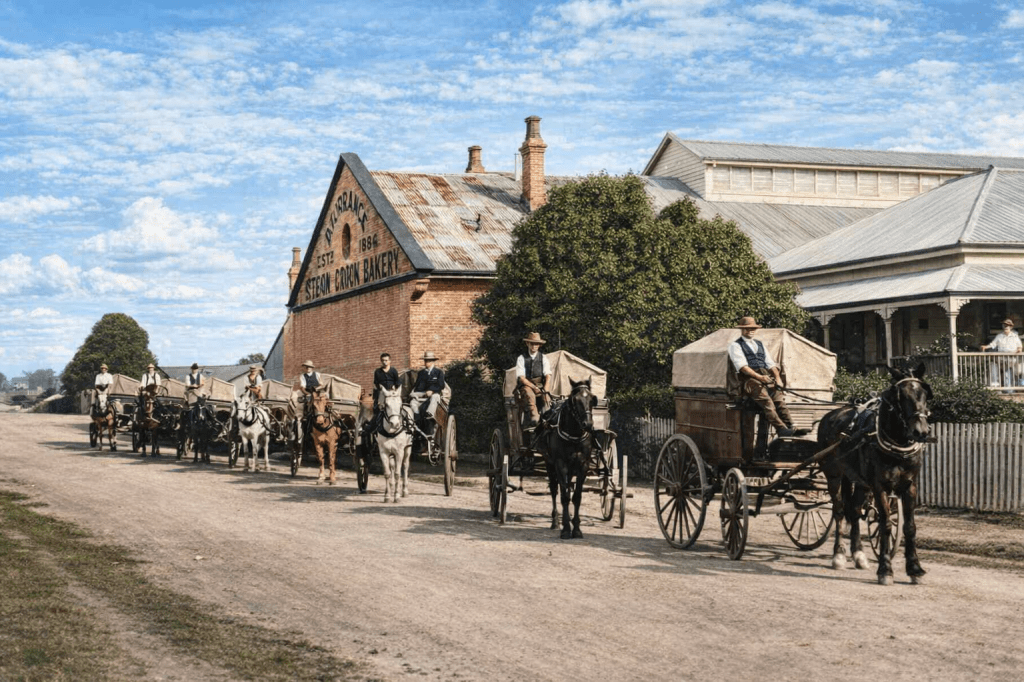
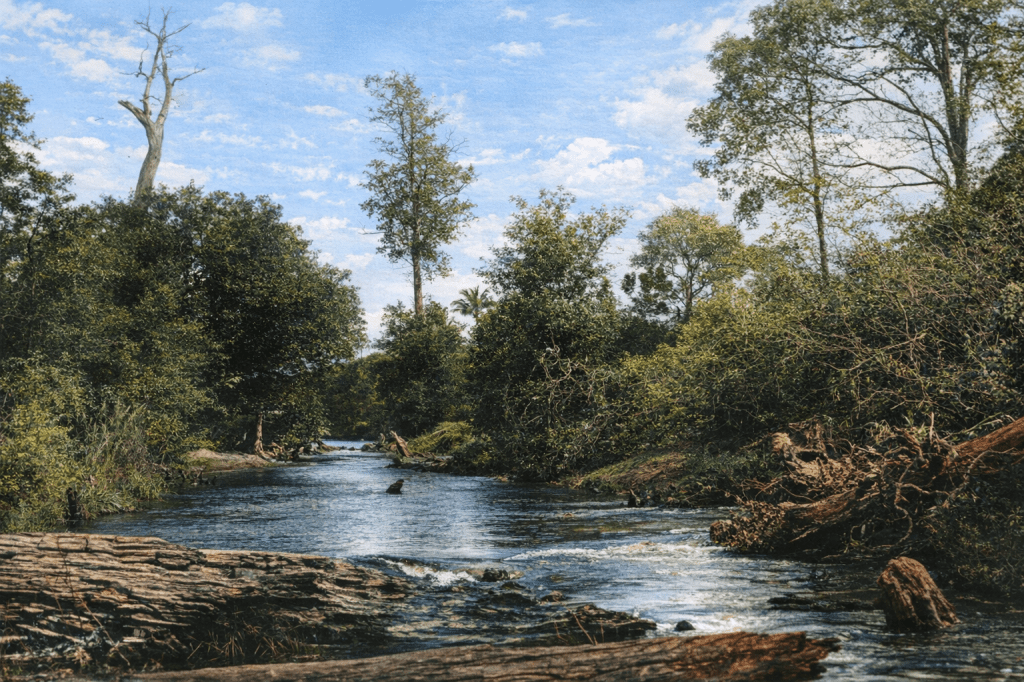
Kedron became Kedron because of the German Mission to the indigenous Australians in the last days of convict settlement. While the mission was located at Nundah, the mission was granted land along a pleasant stream nearby. The missionaries named it Kedron Brook after the Kidron Valley near Jerusalem. Chief Justice Lutwyche (after whom neighbouring Lutwyche was named) built Kedron Lodge in 1862 when it was considered to be in Kedron. It is now considered to be in neighbouring Wooloowin. The Lutwyche Cemetery was built at Kedron…. Oh, I give up!
Kelvin Grove
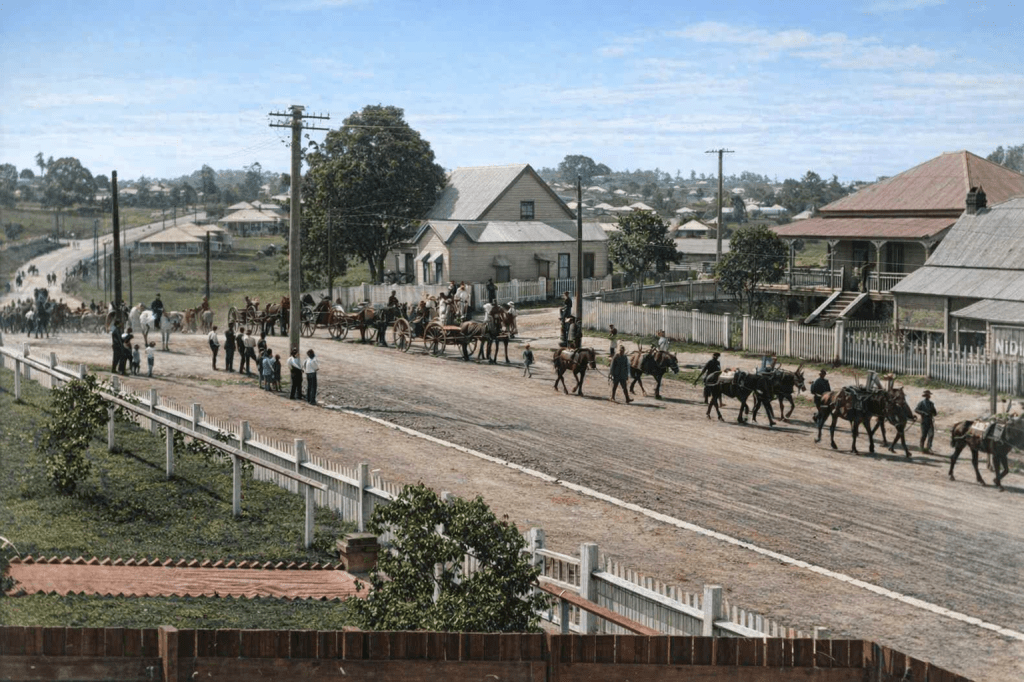
Kelvin Grove is, like Kangaroo Point, very close to Town, and therefore developed into a suburb earlier than more distant “K” places. The suburb takes its name from a house built by Dr Joseph Bancroft in the mid-1860s. The suburb has a pleasant, hilly aspect, and boasts a long connection with the armed forces, as the photo of soldiers riding off to war along Kelvin Grove Road in 1915 shows.
Kenmore
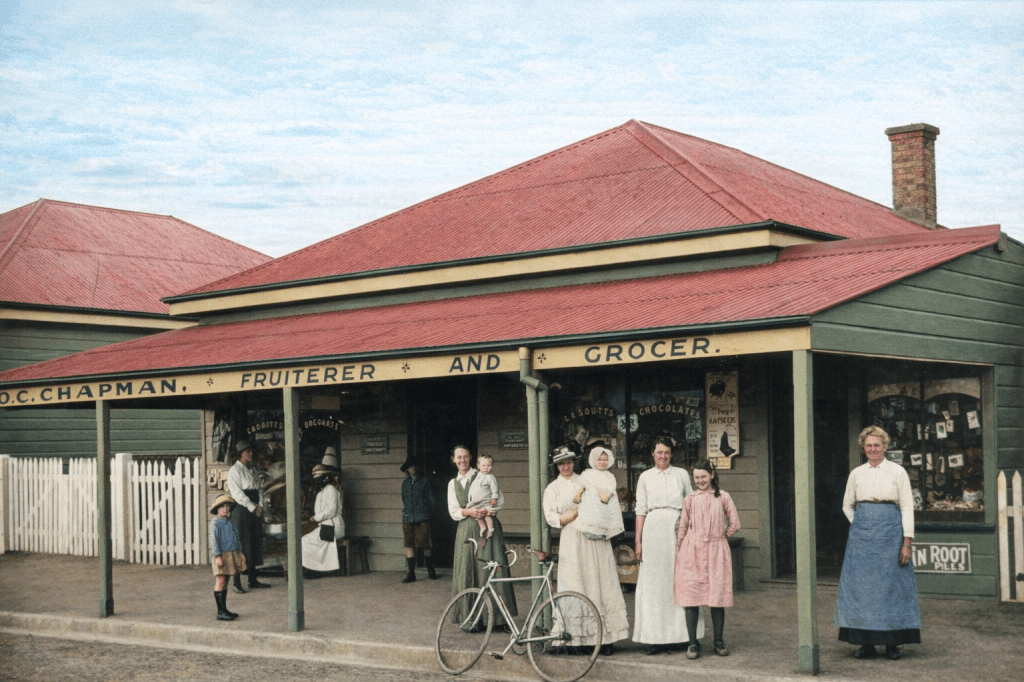
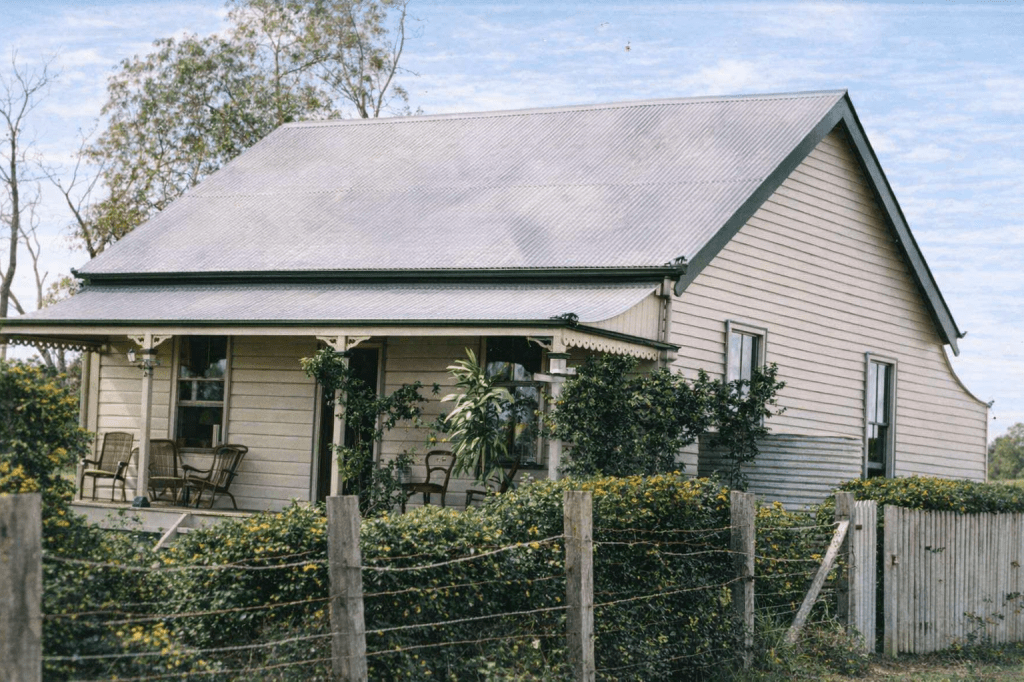
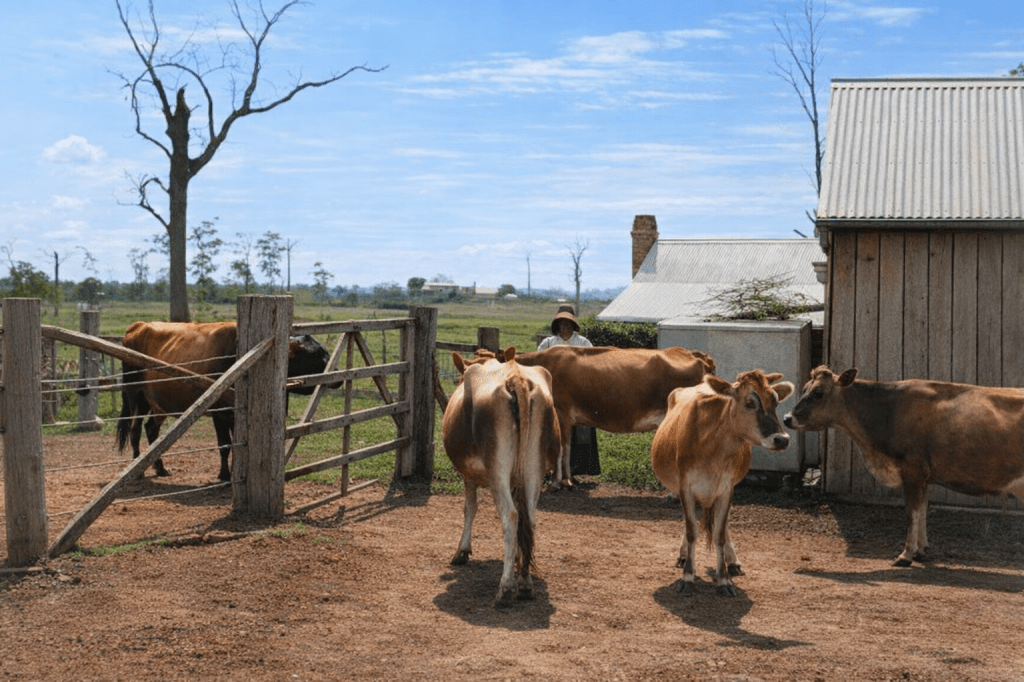
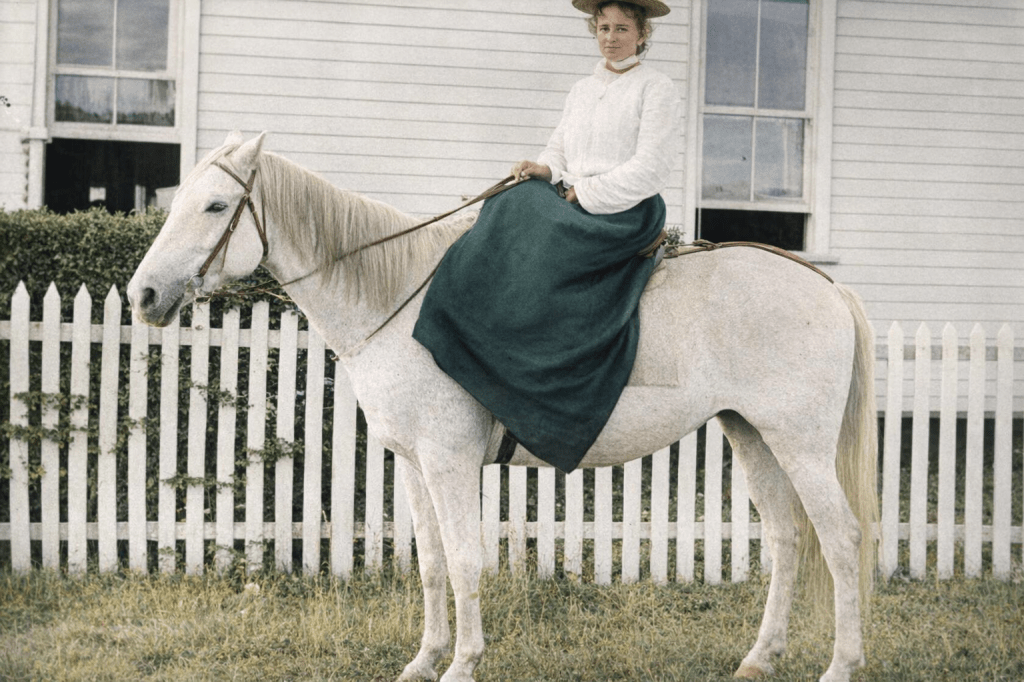
Tucked along the Brisbane River and Moggill Creek, Kenmore was mainly farmland in the 19th and early 20th centuries. A suburb was developed in the mid-20th century. There are still a lot of acreage properties and charming semi-rural areas. And the list of notables from Kenmore is pretty impressive: Bernard Fanning (lead singer of Powderfinger and solo artist), David David McCormack, lead singer of Custard and the voice of Bluey’s dad, Oscar-winner Geoffrey Rush, and television staple Sigrid Thornton.
Keperra
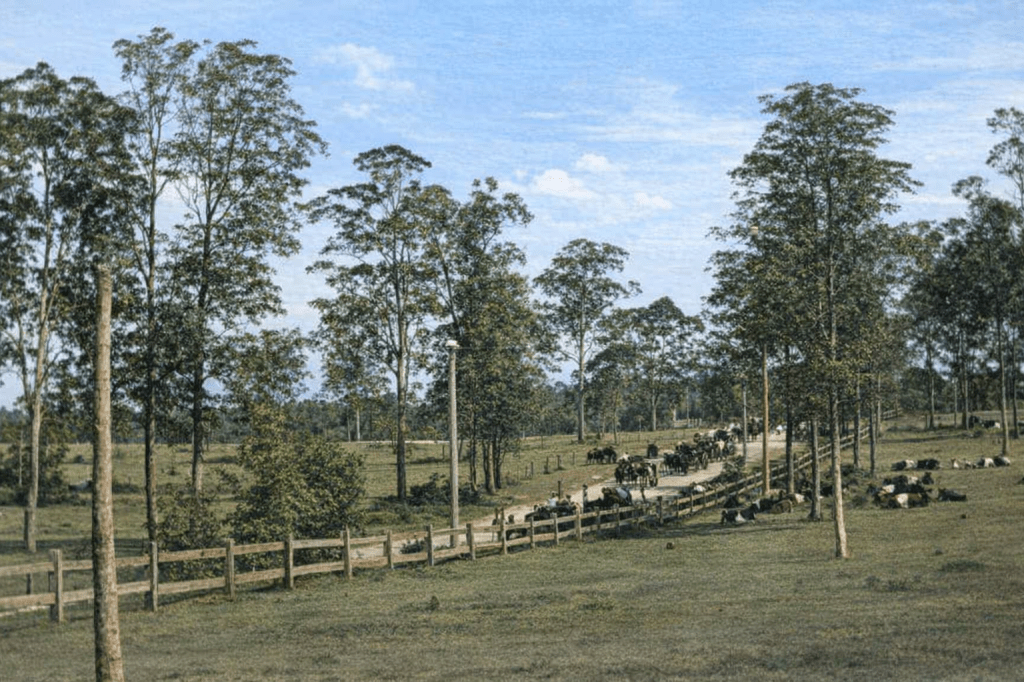
The suburb of Keperra has risen up over an area of great meaning for the Yuggera people. Before the Europeans came, it contained two bora rings for the initiation of young men, and Keperra takes its name in part from the word Kippa for young man. The Nicholsons, also mentioned in the Kedron section, donated land for the building of St Matthews Anglican Church, which was in Grovely, then was considered Keperra, and now in Mitchelton. I think.
All images are taken from the State Library of Queensland’s collection.
AI colouring by CoPilot.
Information from the Queensland Places website, the Queensland Heritage Register and Wikipedia.
 Moreton Bay and More