The A-Z of Old Brisbane: from New Farm to Nundah in colour.
New Farm
New Farm is one of Brisbane’s oldest suburbs, close to the city and on the river. Many of the early New Farm residents were politicians. Sir Richard Jones, the first representative of Brisbane in the NSW Parliament to actually live in Brisbane, started the trend. Premiers Sir Robert Mackenzie, Sir Samuel Griffith and Sir Arthur Palmer lived there, as did Thomas Welsby, MLA.
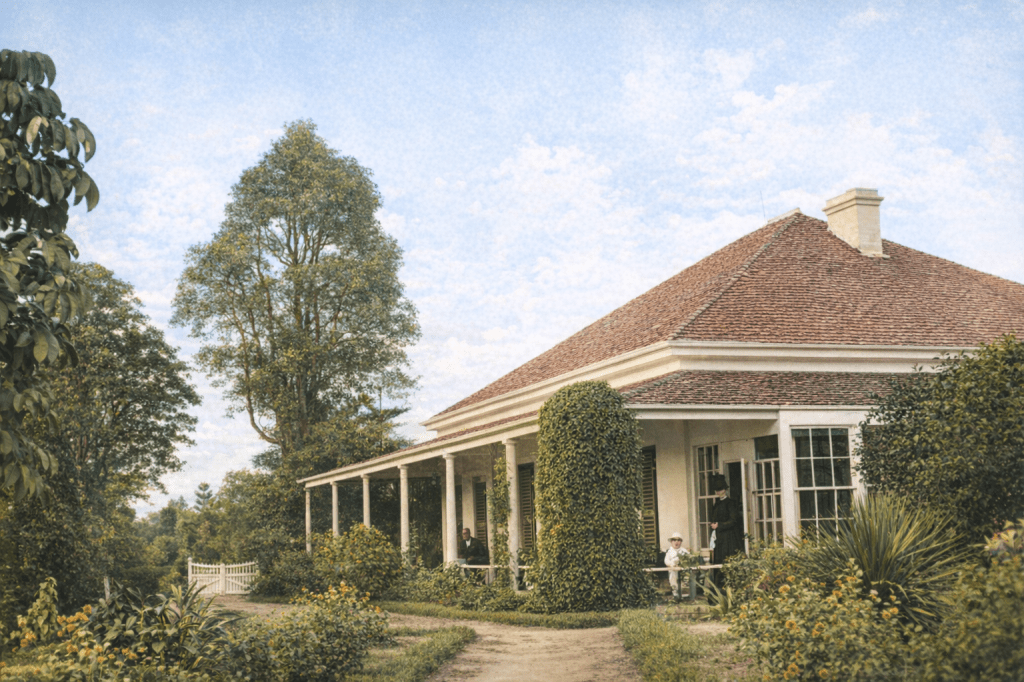
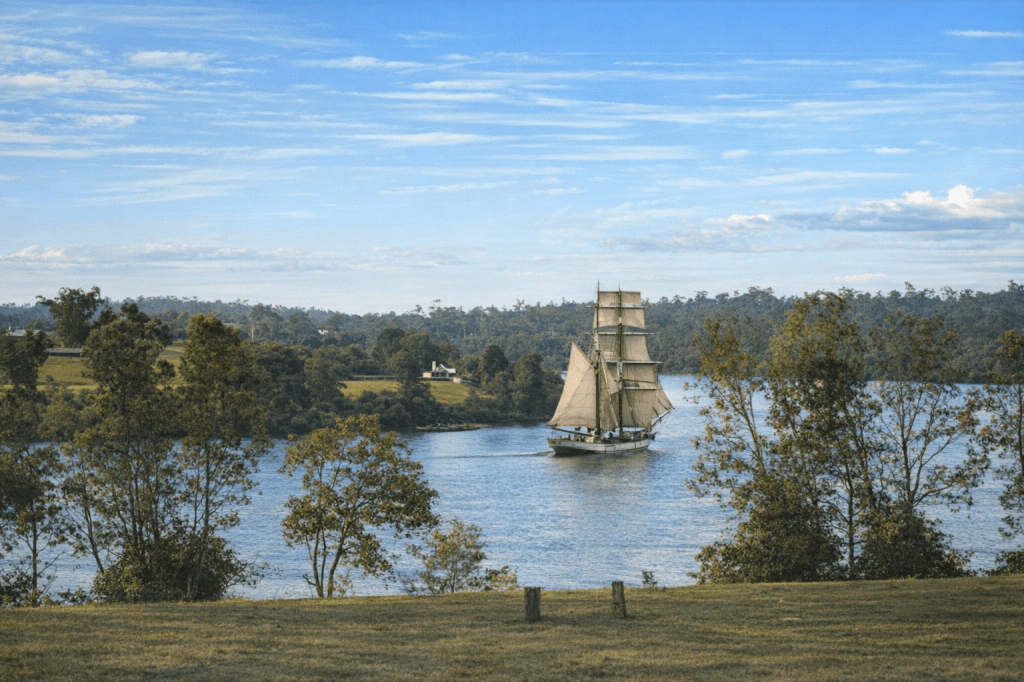
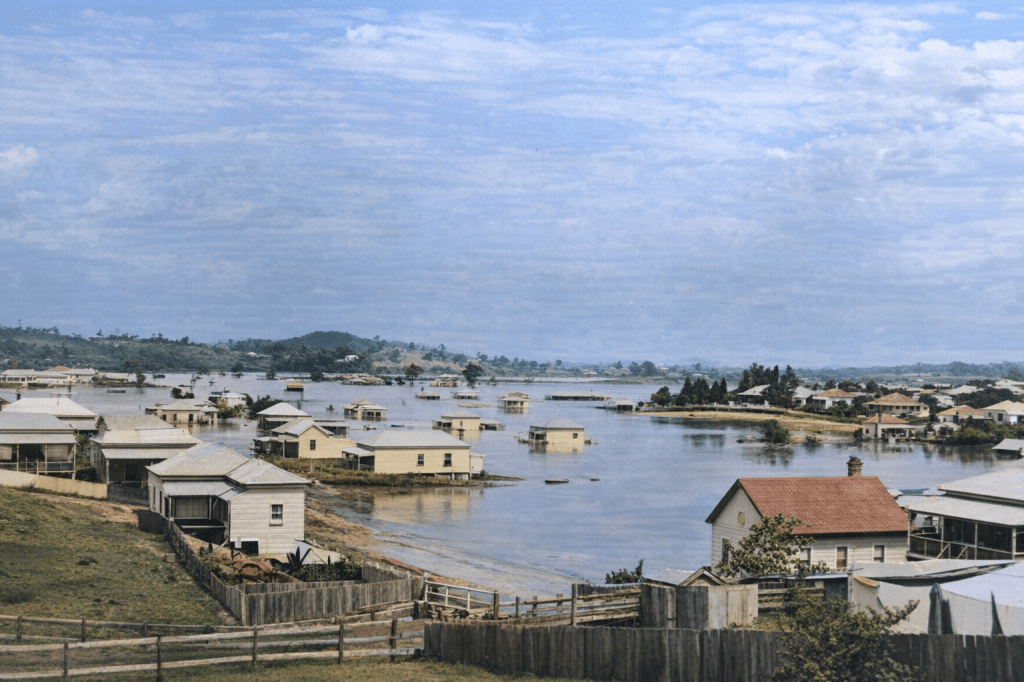
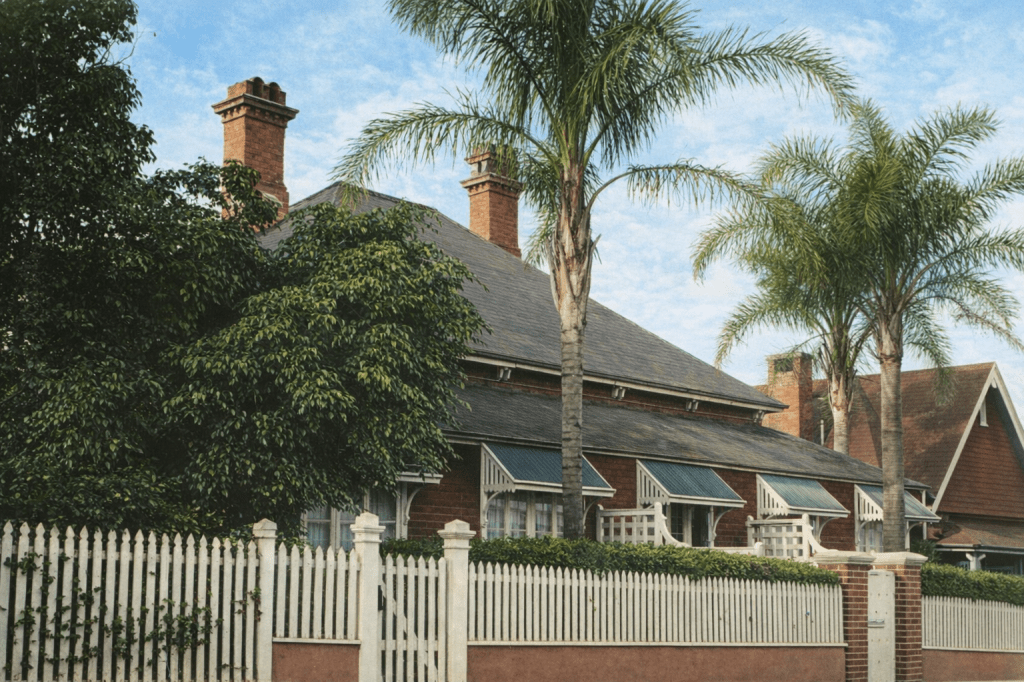
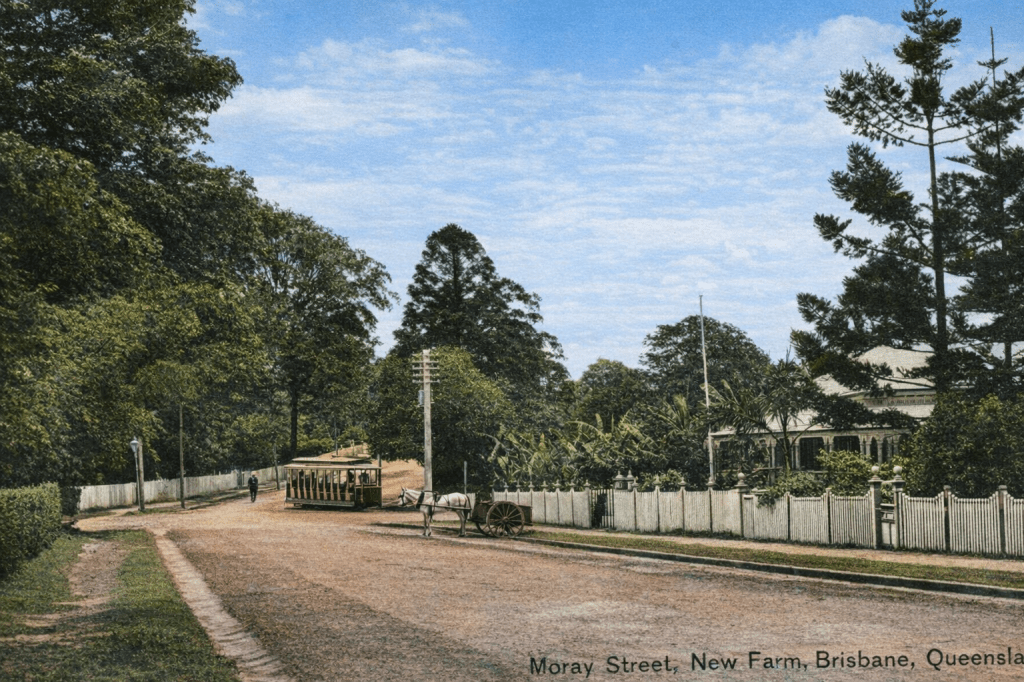
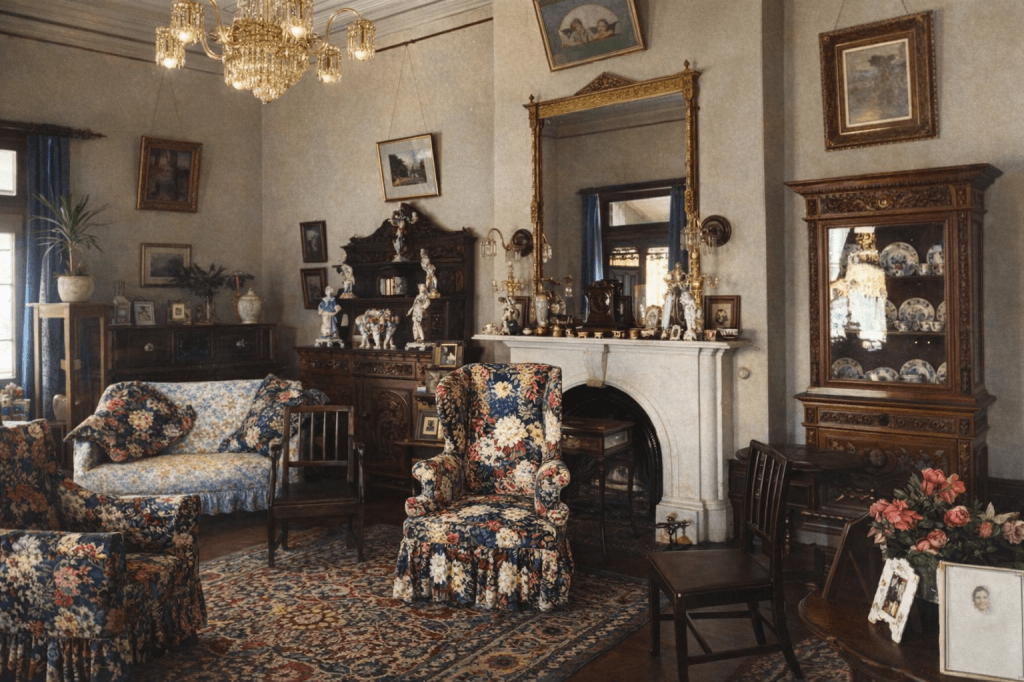
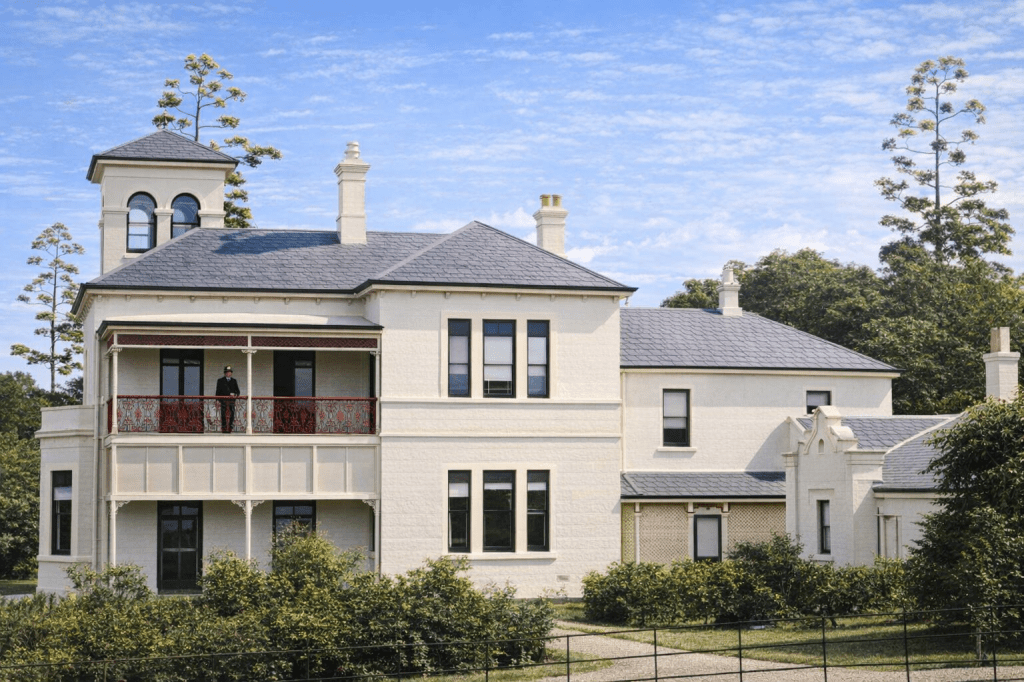
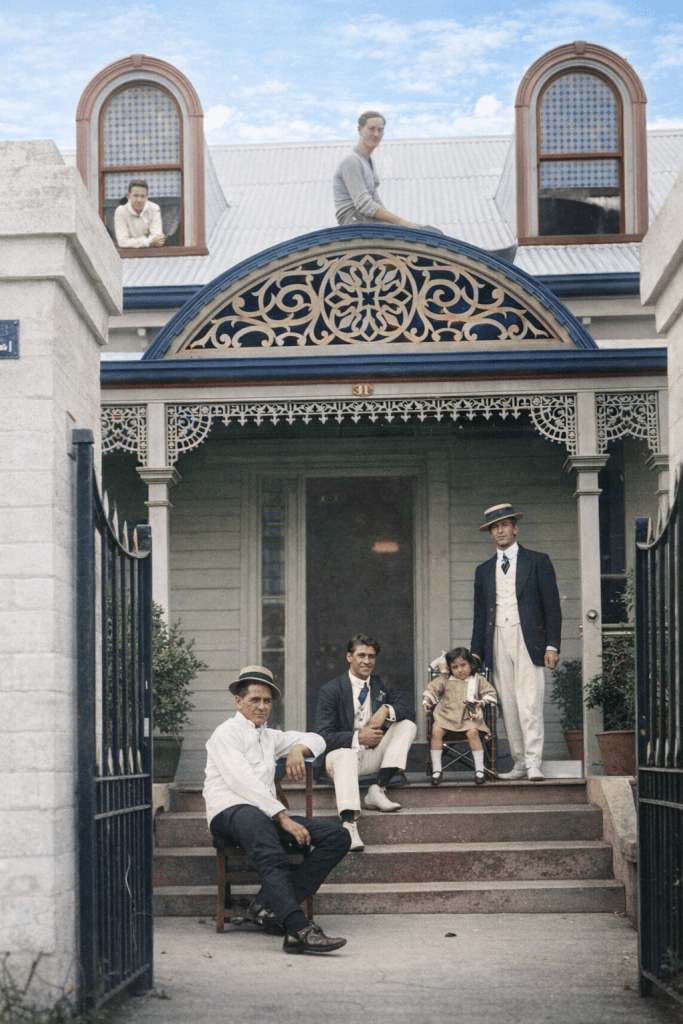
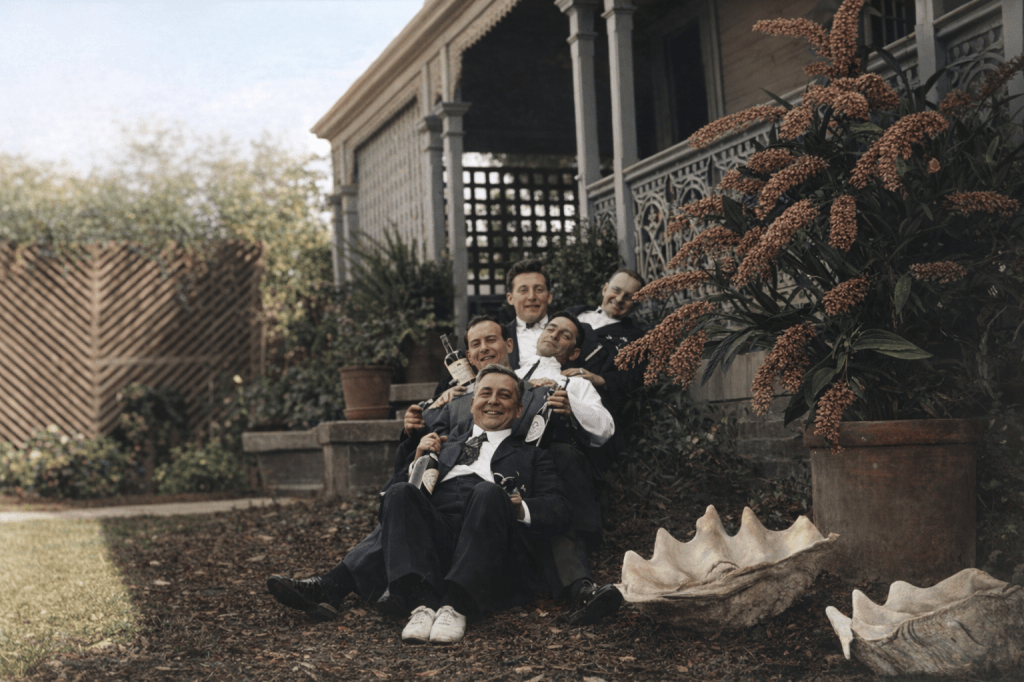
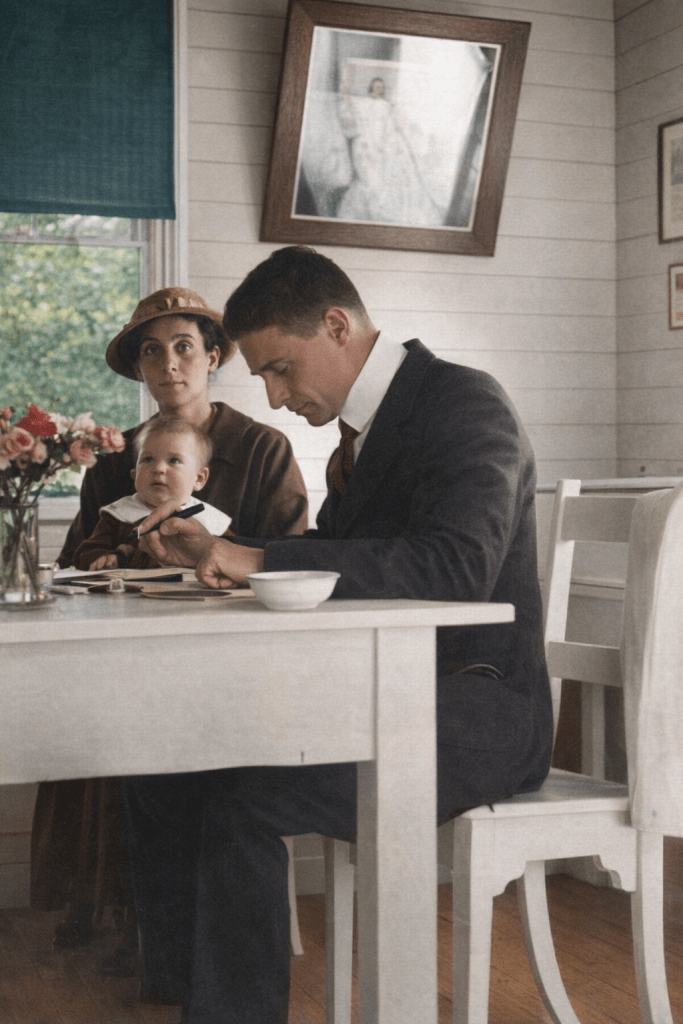
1869: The original Kinellan House in New Farm, built by Sir Robert Mackenzie.1868: McKenzie’s garden at the Kinellan House, New Farm.1880: ‘Sans Souci’ residence at New Farm.1882: An early view of New Farm and Fortitude Valley.When living in a riverside suburb is delightful. An old sailing vessel on the New Farm Reach of the Brisbane River.When the river is not your friend. 1893: Kingsholme Estate in New Farm under flood.1905: Bowen Terrace, New Farm.1906: Leafy Moray Street, New Farm. Anyone who has been stuck on a bus without air conditioning would envy the commuters in the open-air vehicle.1908: The living room at Merthyr (house) in New Farm. It’s amazing that Sir Samuel Griffith could hear himself think in this place. Lady Griffith certainly loved a floral pattern and a flounce. Or three.1910: the rebuilt Kinellan house. (The new owners left the servants’ quarters as they were, and built the house up to two stories. Gradually, the grounds were sold off to housing estates, and Kinellan itself was demolished in 1929.)1911: Brisbane family residence “Cairnsville.”The LeBrocq family ham it up at “Cairnsville” in 1911.“You give the child how much castor oil, Madam?” 1918: Mother and child consult a doctor at the new baby clinic in New Farm.
Newmarket
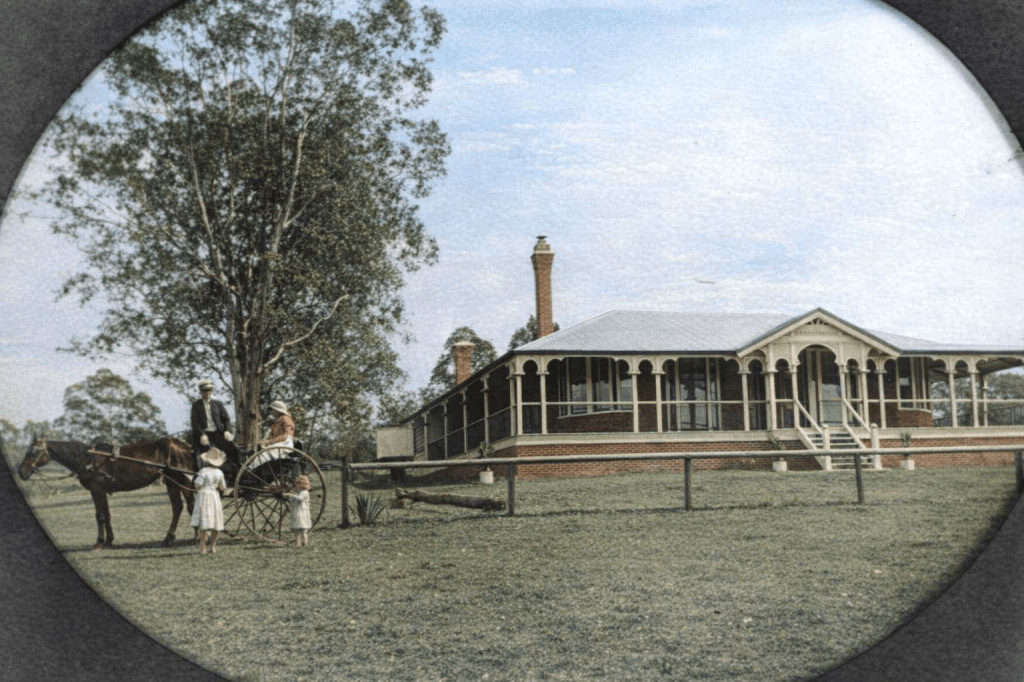
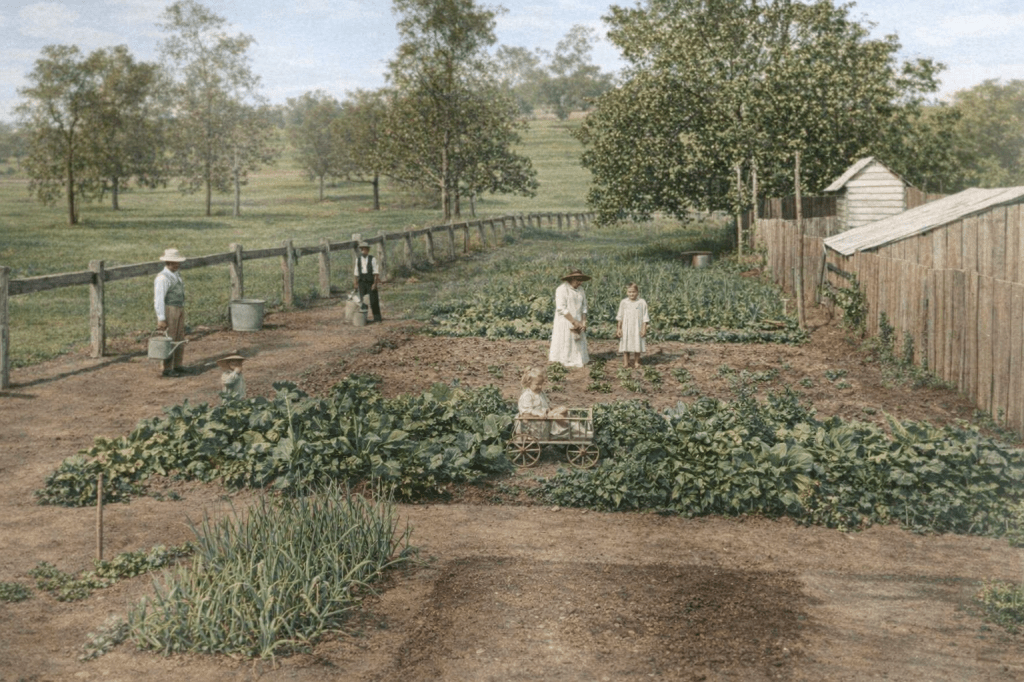
Nice and close to town, but still with a country feel – at least in the 19th century – Newmarket was the place for the Sneyds and Tracksons to build houses with sweeping verandahs, and enjoy gardens (both flower and kitchen) with their youngsters.
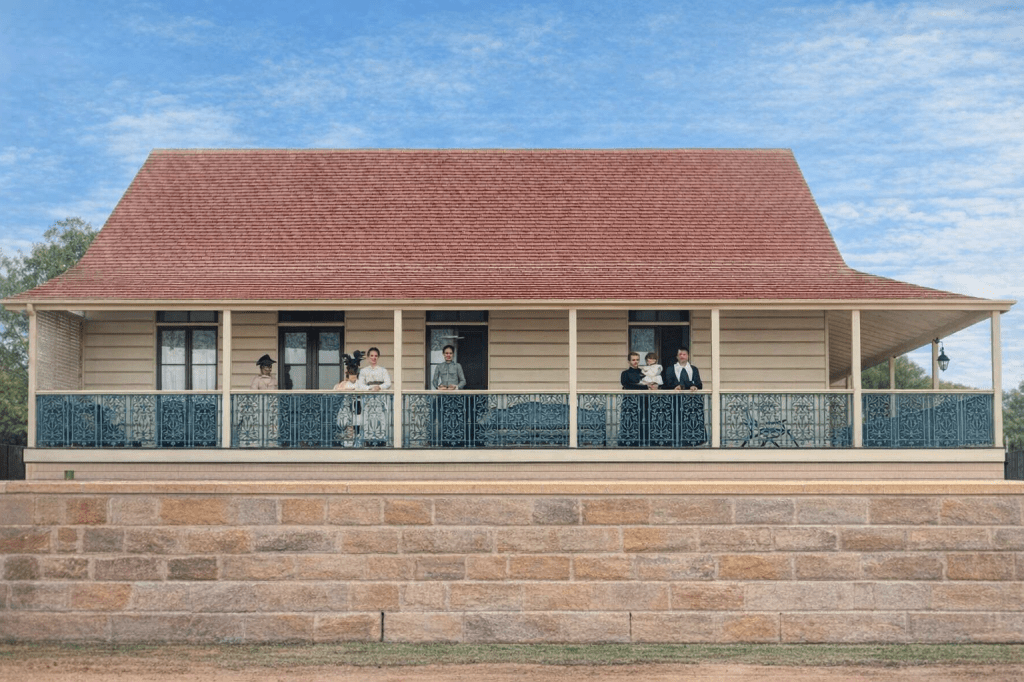
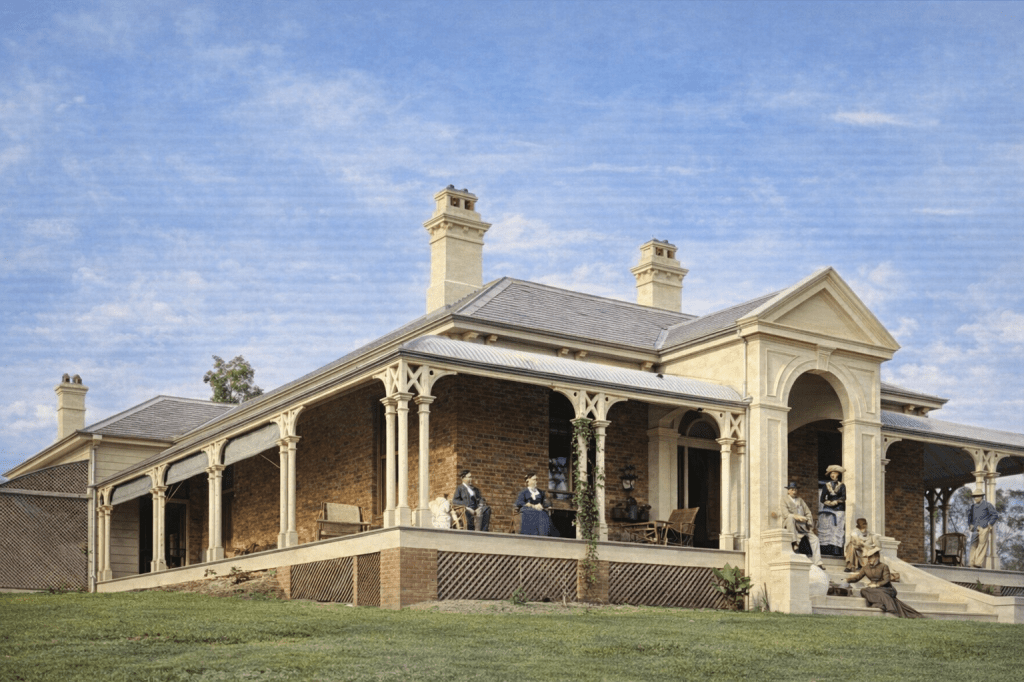
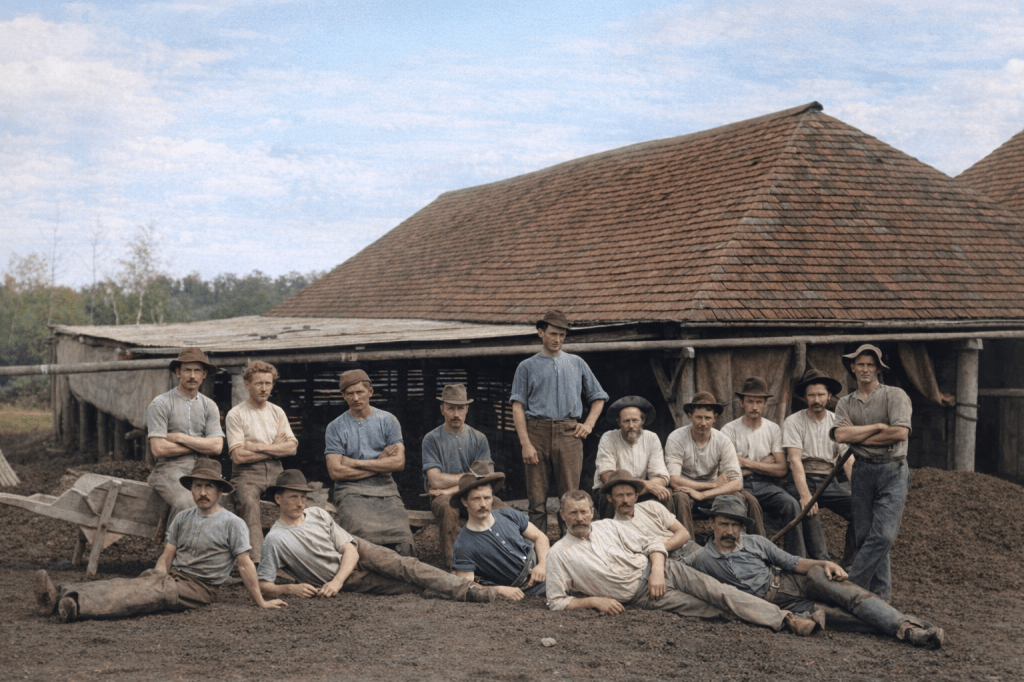
1881: Wilston House in Newmarket. Not in Wilston. Which is an adjacent suburb.1890: Workers at JC Musgrave’s tannery. In contrast to the tannery men of other suburbs, the Newmarket tanners were prepared to lounge rather artistically. In the dirt, mind.1900: “Monahilla” in Newmarket. In Newmarket, you’re just nobody unless you have a big verandah and grand front steps.1900: “Sedley Grange” in Newmarket, home to the Trackson family. 1900: The Trackson family in the vegetable garden of Sedley Grange.
Newspapers of old Brisbane
Masthead from first year of publication: 1846.
Masthead from first year of publication: 1852.
Masthead from first year of publication: 1863.
Masthead from first year of publication: 1872.
Newstead
Newstead, a glorious stretch of Brisbane by the river, was the location chosen by Patrick Leslie for his Brisbane base in 1845. Captain John Wickham bought it a couple of years later, enjoying the ride from the country to town (three kilometres roughly).
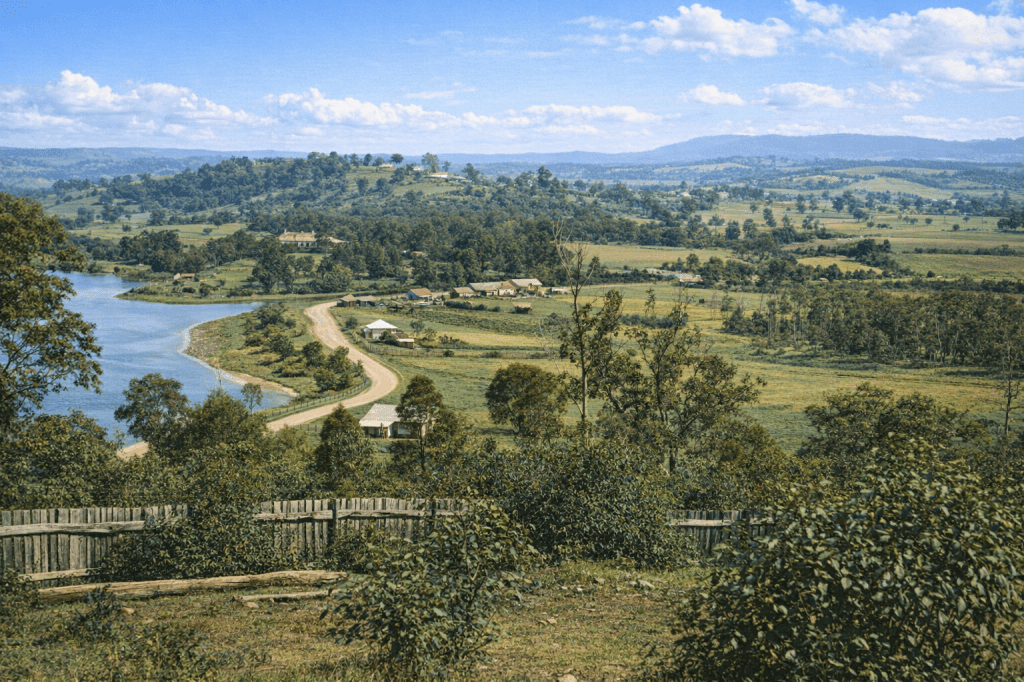
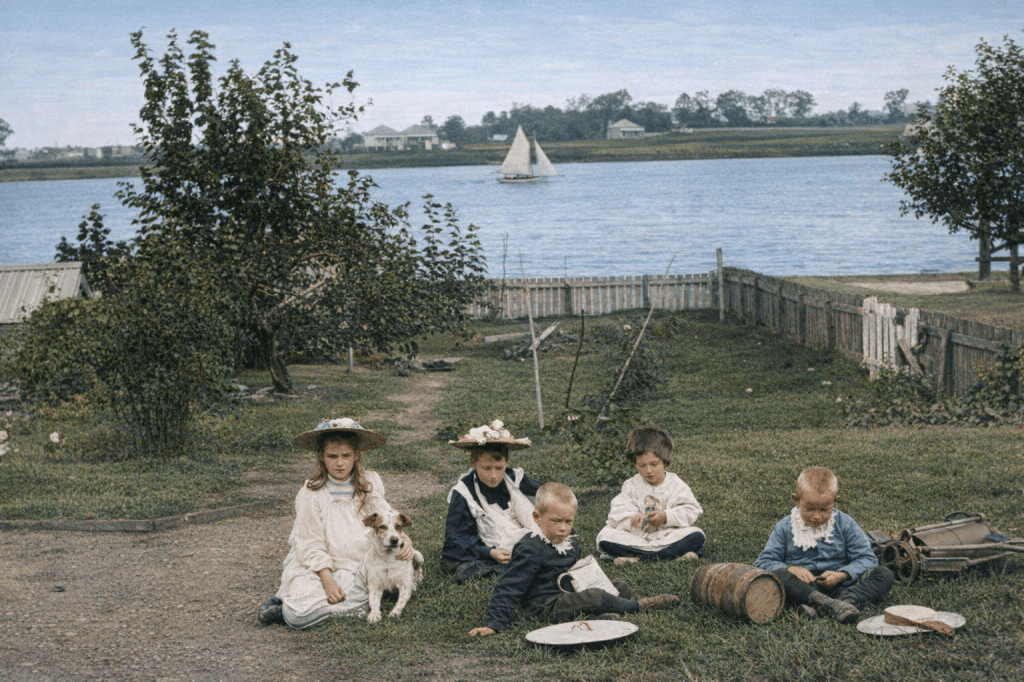
1868: A farm at Newstead. At first Newstead was farmland, with Newstead House providing a social centre.1872: View of the Brisbane River and Newstead House from O’Reilly’s Hill. So beautiful and untouched.1875: Confluence of the Brisbane River and Breakfast Creek, Newstead.1890: Bird’s eye view of Newstead.1890s: Children from the Brown family playing in their Newstead back yard. And what a back yard!1895: Street scene in Newstead. Factories and industrial sites are starting to move into the suburb.1918: The gardens of Newstead House.
Norman Park
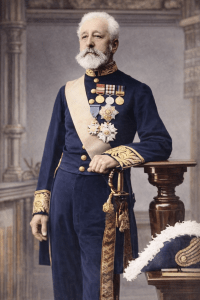
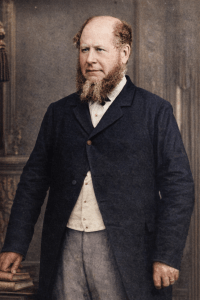
Sir Henry Wylie Norman was the Queensland Governor, and Norman Creek and Norman Park were named in his honour. Norman succeeded Sir Anthony Musgrave, who had died in office the year previously. A distinguished military man, his vast collection of medals were worn proudly. It is perhaps fortunate that Sir Henry governed at a time when metal detectors had not yet come into use in public buildings.
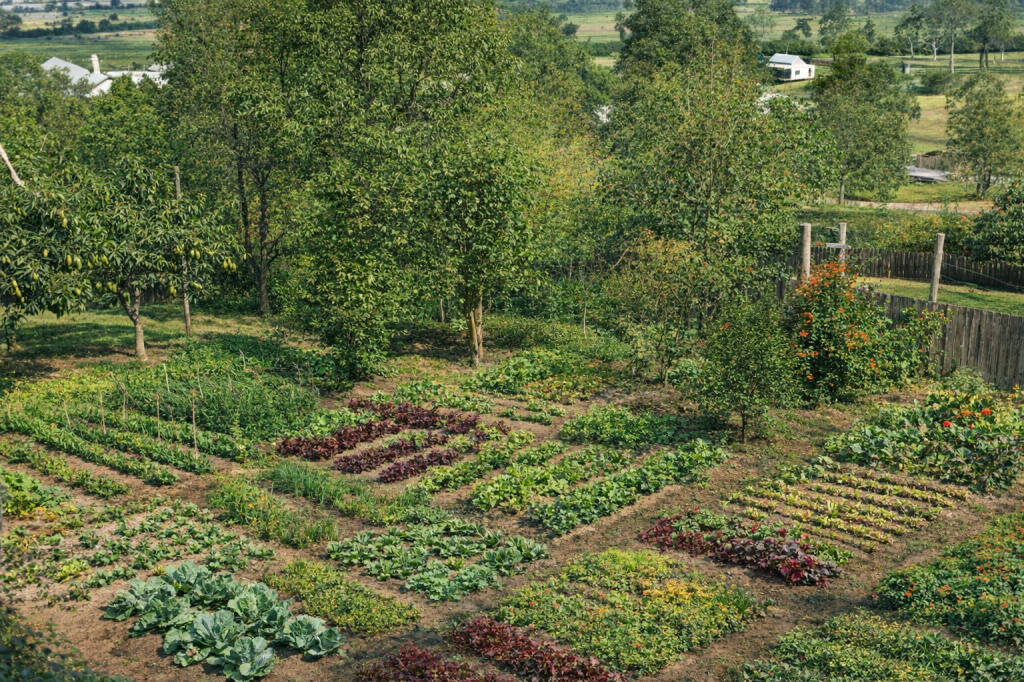
1900: Houses in Norman Park.1900: Backyard vegetable garden in Norman Park. Perhaps they were following Water Hill’s planting tips.
Normanby
George Augustus Phipps, Earl of Mulgrave and Marquess of Normanby, served as Governor of Queensland from 1871-1874. Normanby was enormously popular, and was honoured with rivers (one for each of his titles), a mining region, streets galore, and the area – not quite large enough to be a suburb – of Brisbane where Red Hill, Kelvin Grove and Petrie Terrace met. And frequently collided, until the installation of traffic lights.
1898: Normanby Junction.
North Quay
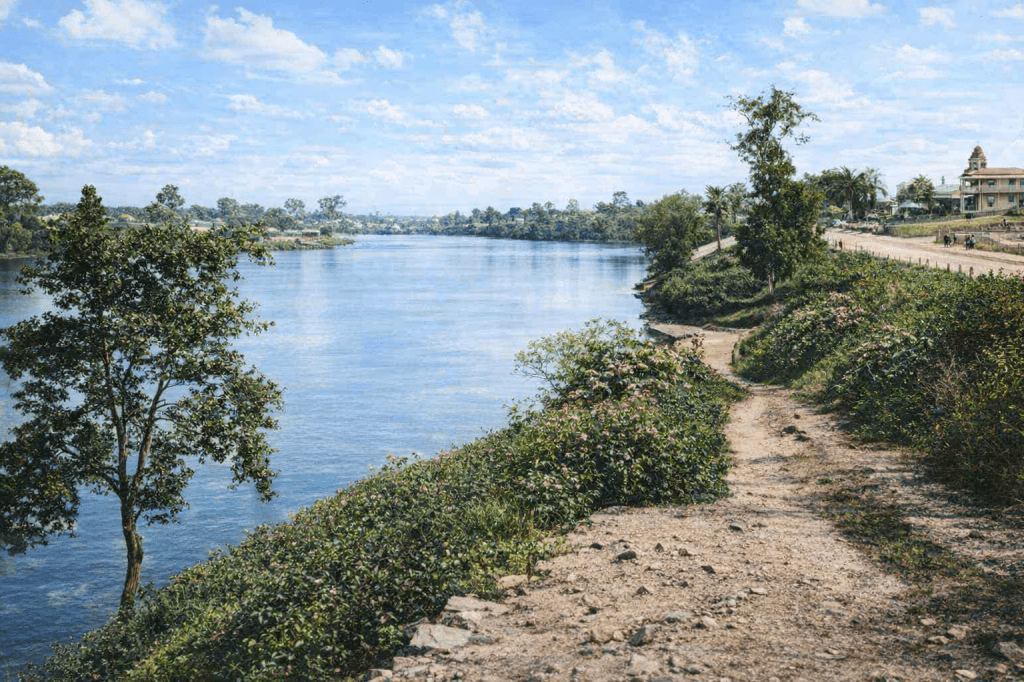
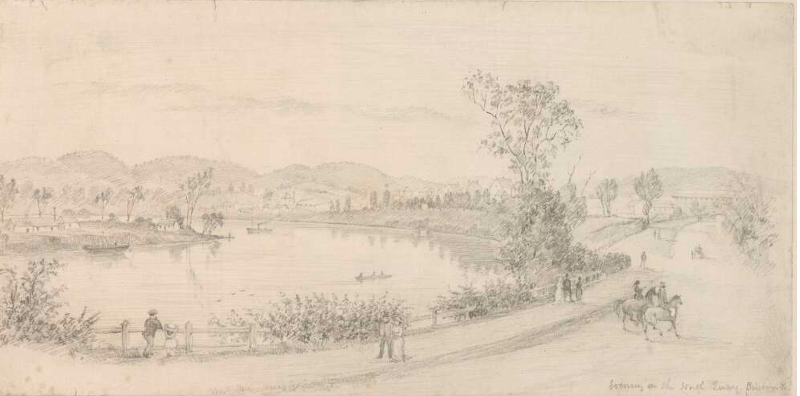
1878: North Quay and the Brisbane River.
According to an address given by Samuel Emmett to the Royal Queensland Historical Society in 1954:
At a very early date, convicts made a road on North Quay. This was the evening parade ground for early free settlers, at a time when no other roads had been formed, and as late as 1882, the date of Melba’s marriage to Charles Armstrong in old Ann Street Presbyterian Church, was still the one perfect road.
North Quay is the name of the stretch of riverside road between Saul Street and Elizabeth Street, after which North Quay changes character altogether and becomes William Street. At least, according to published maps. Wikipedia informs us that there are a lot of tiresome local arguments as to whether it really does extend that far. Could it be seven blocks? Four? It hardly seems to matter, given that the Riverside Expressway rears its very ugly head, blocking out most of the river views that made a stroll down North Quay such a charming experience in the 19th century.
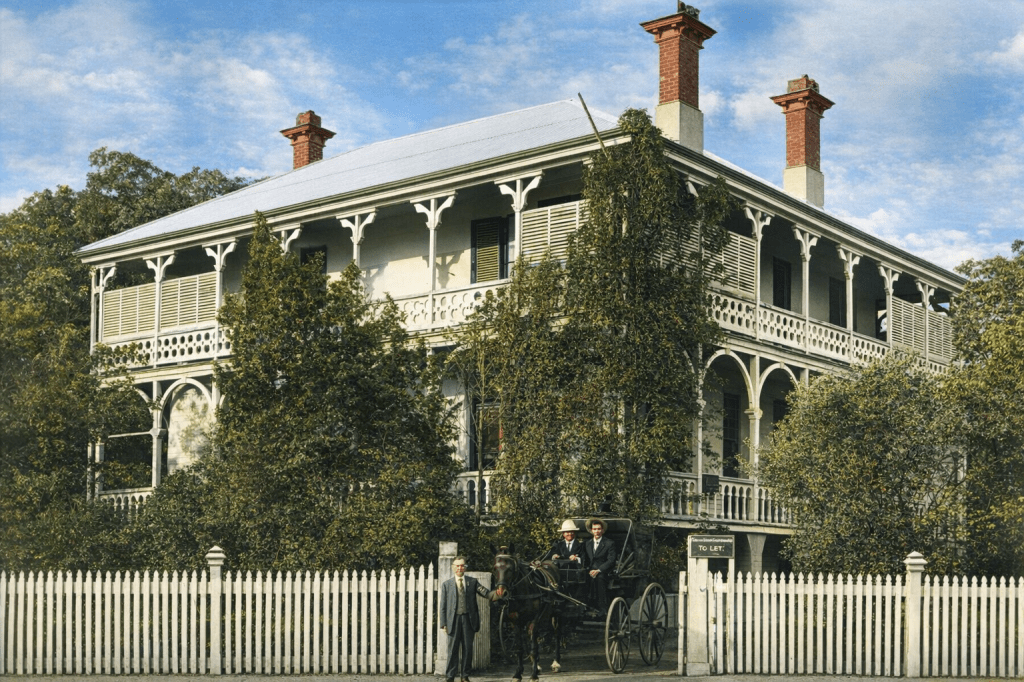
“Evening on the North Quay, Brisbane.” Work of art from the 1860s. (NLA)1904: Coach at the entry to Brisbane residence Aubigny.
Northgate
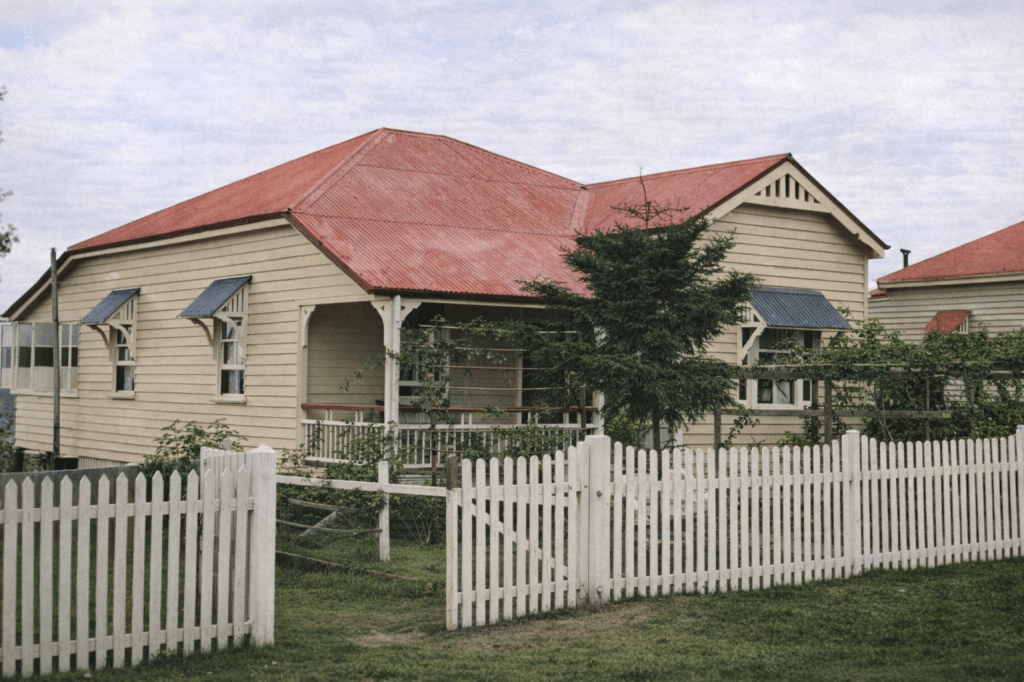
Northgate began with a stop on the Sandgate Railway line in the 1880s. Land was sold in the years afterwards, but residential housing estates didn’t’ really catch on until the years before the first World War. The typical housing of the time is represented below.
1914: House in Gympie Street, Northgate.
Nudgee
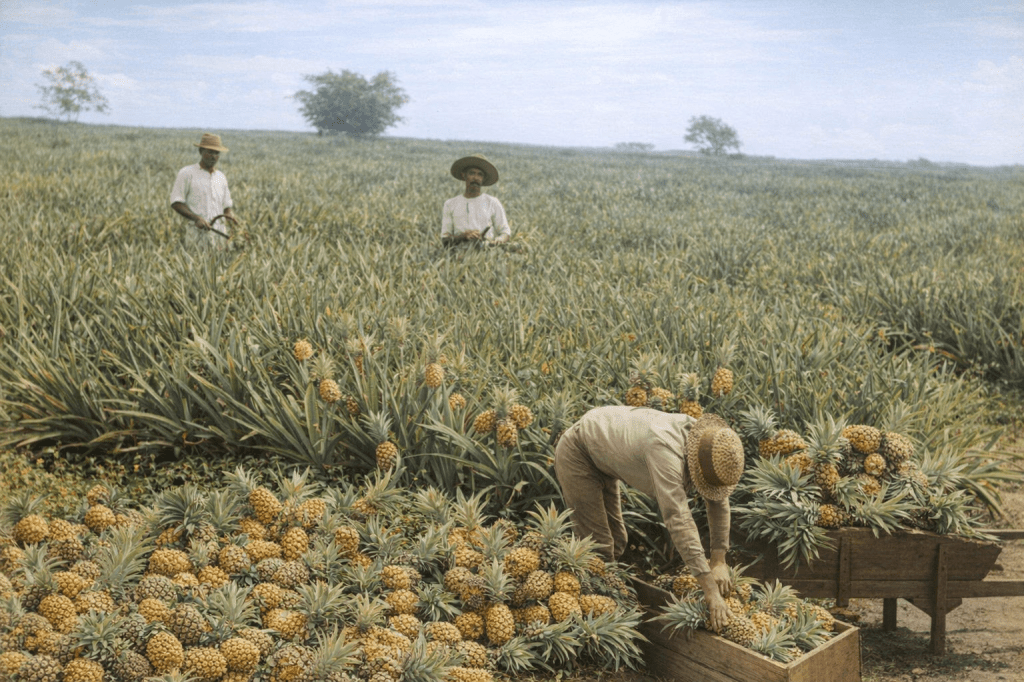
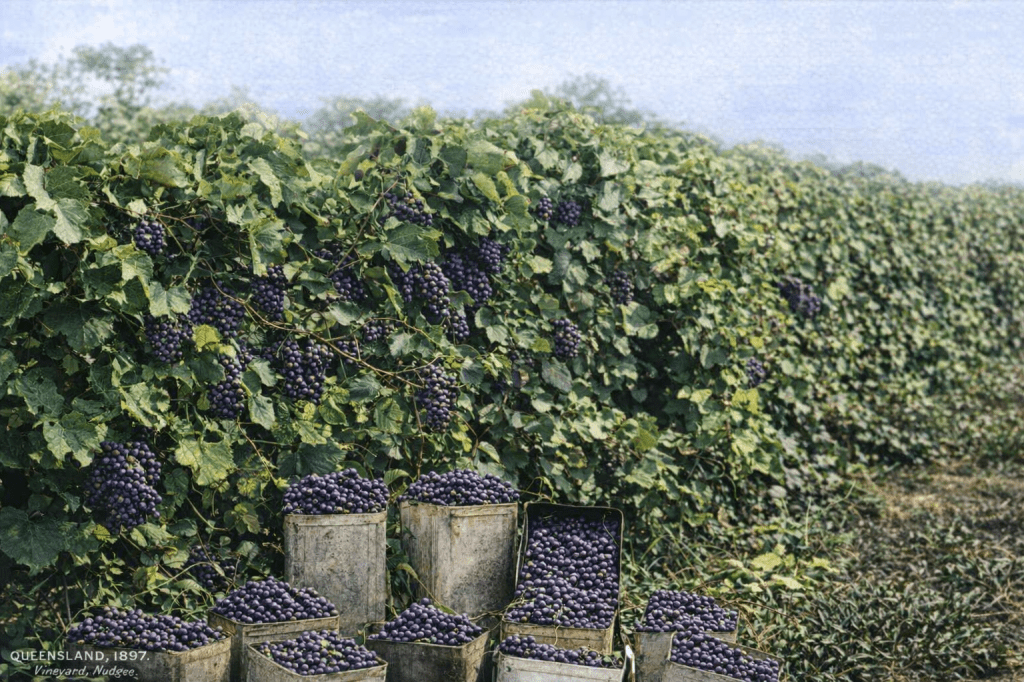
Nudgee, a suburb generally associated with Nudgee Beach and some prestigious local colleges (which aren’t actually in Nudgee anymore), seems to have started with picturesque pineapple farms and vineyards.
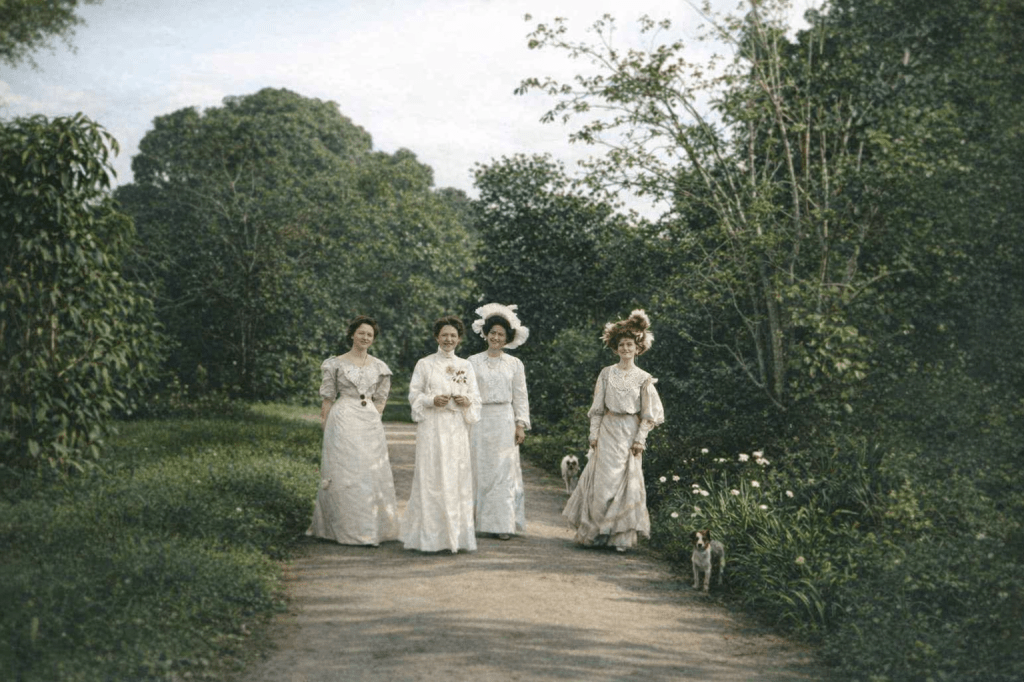
1890s: Workers harvesting pineapples at Nudgee.1897: Vineyard at Nudgee.1900: Buildings at St Joseph’s Orphanage, Nudgee. It looks wholesome and outdoorsy, but a lot of children came there at times of family bereavement or schism, and their experience was deeply unhappy.1900: Enjoying a walk at Nudgee. “Lavinia, have you heard of an invention called Activewear that quite delineates the figure?” “Nonsense, Marjorie, no-one would come up with such a tasteless idea.”
Nundah
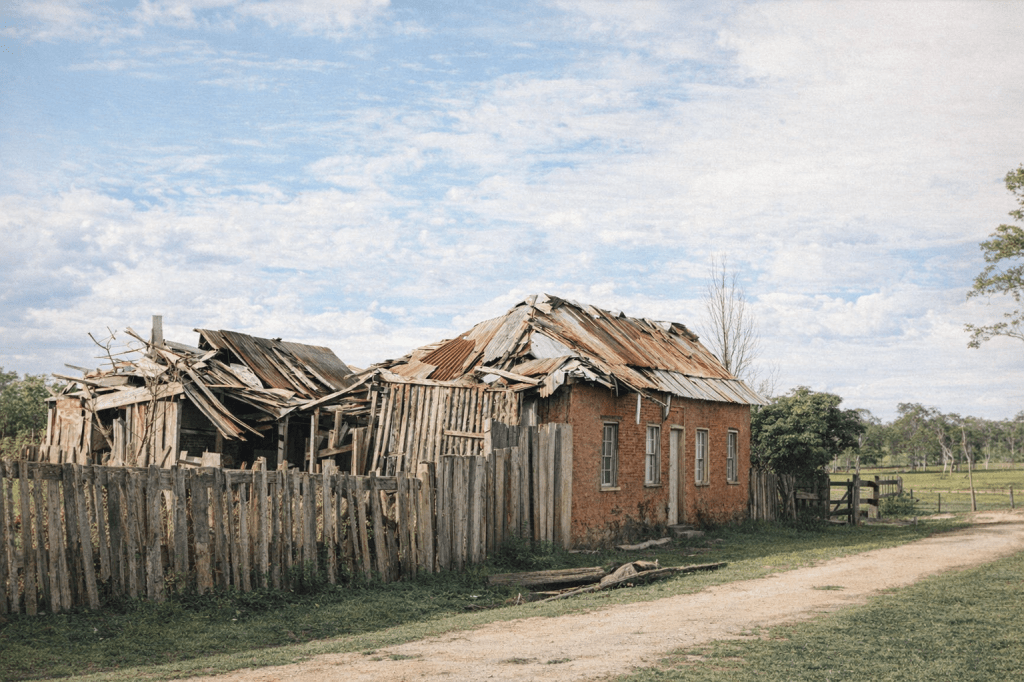
Nundah was the place chosen for Zion’s Hill – the German Missionary settlement from 1838 to the mid-1840s. Once the land was opened for sale, several former missionaries bid for lots. One was Augustus Rode, who is remembered today for Rode Road, an abnormally long suburban thoroughfare that winds its way from suburb to suburb. And yes, if you’re from Brisbane you pronounce it “Roadie Road.” So you don’t end up saying “Road Road.” Which would make you feel daft.
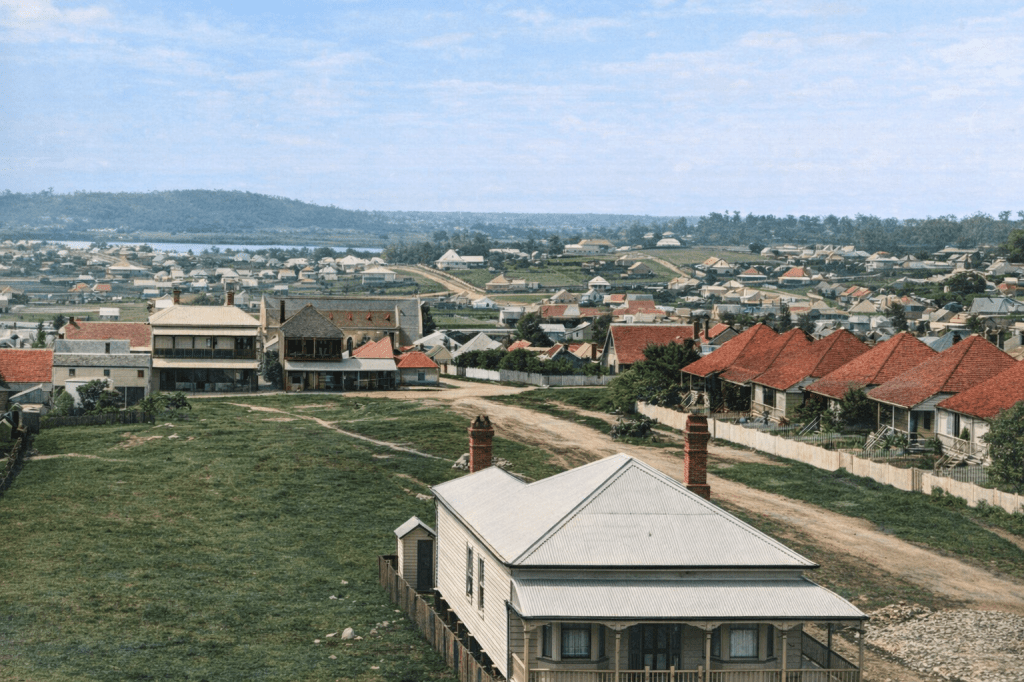
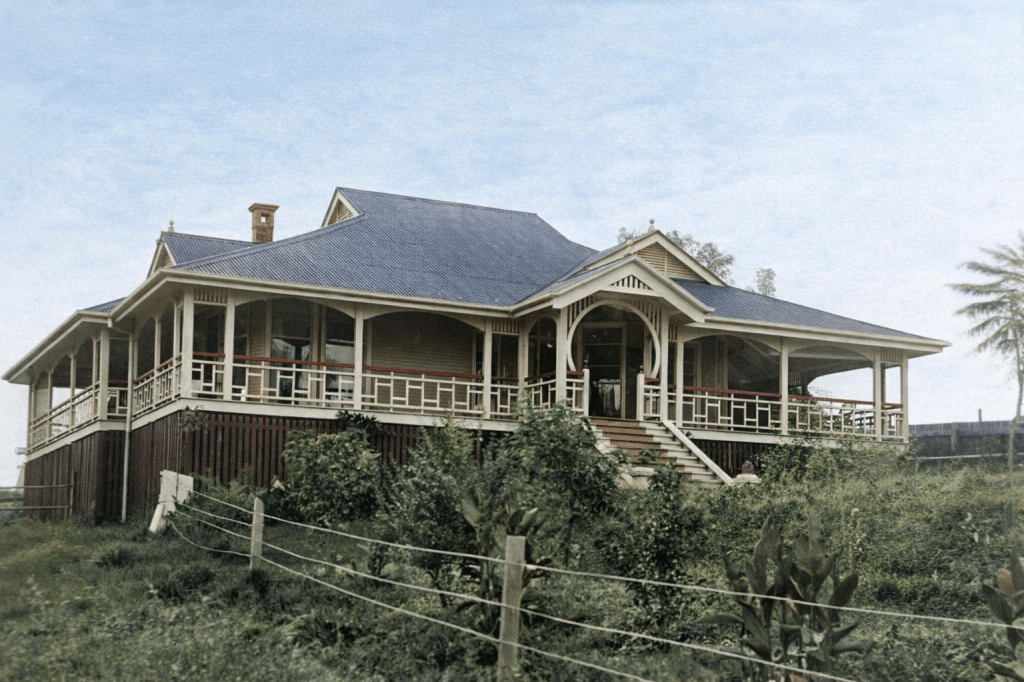
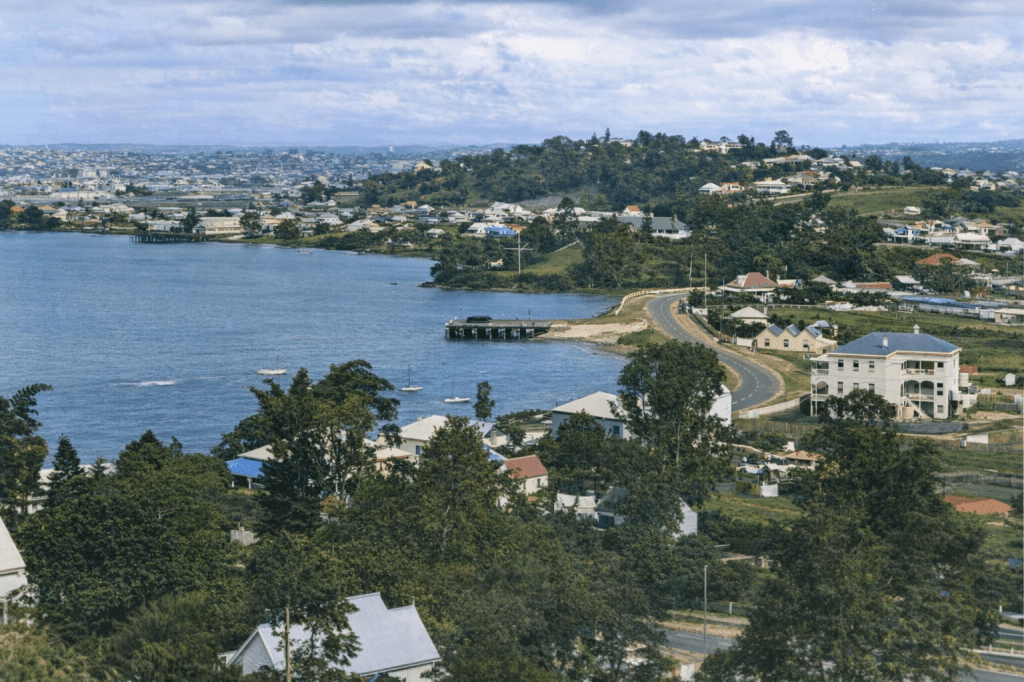
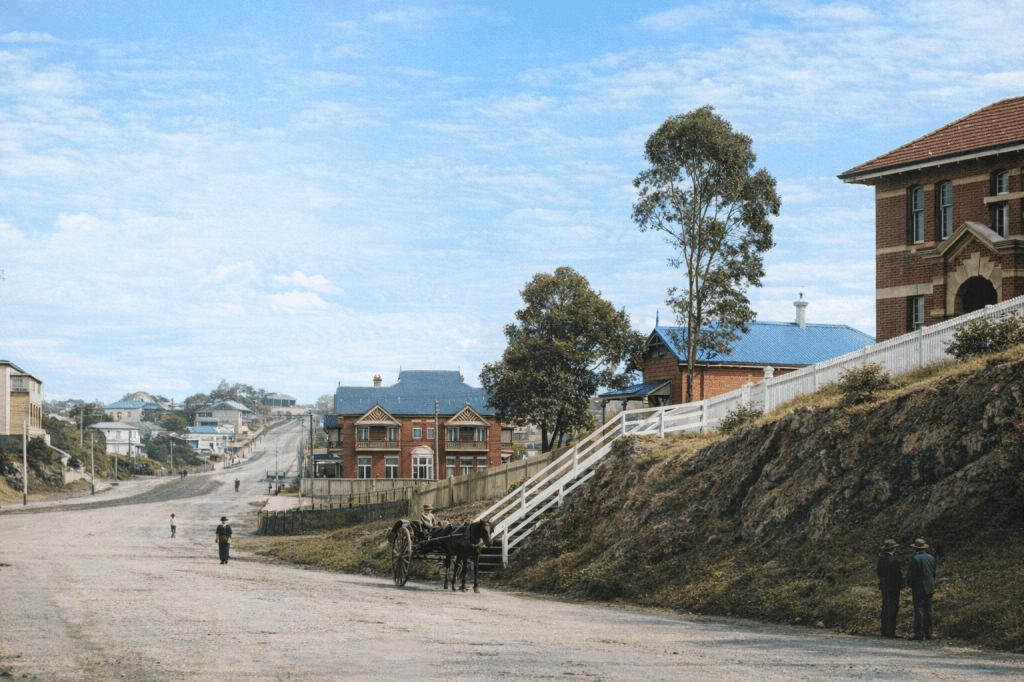
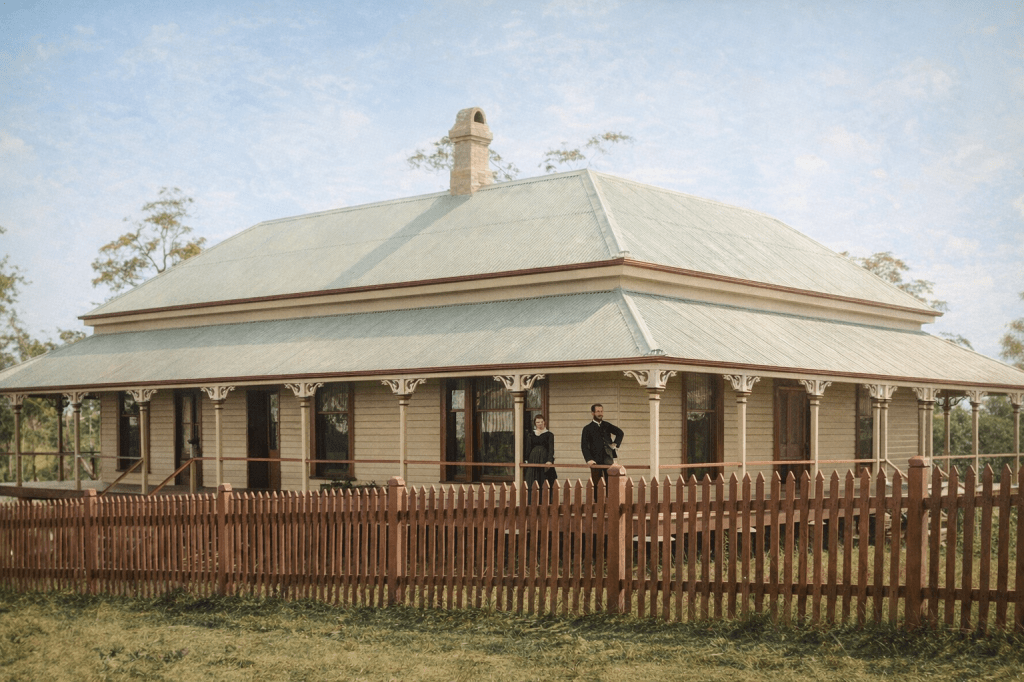
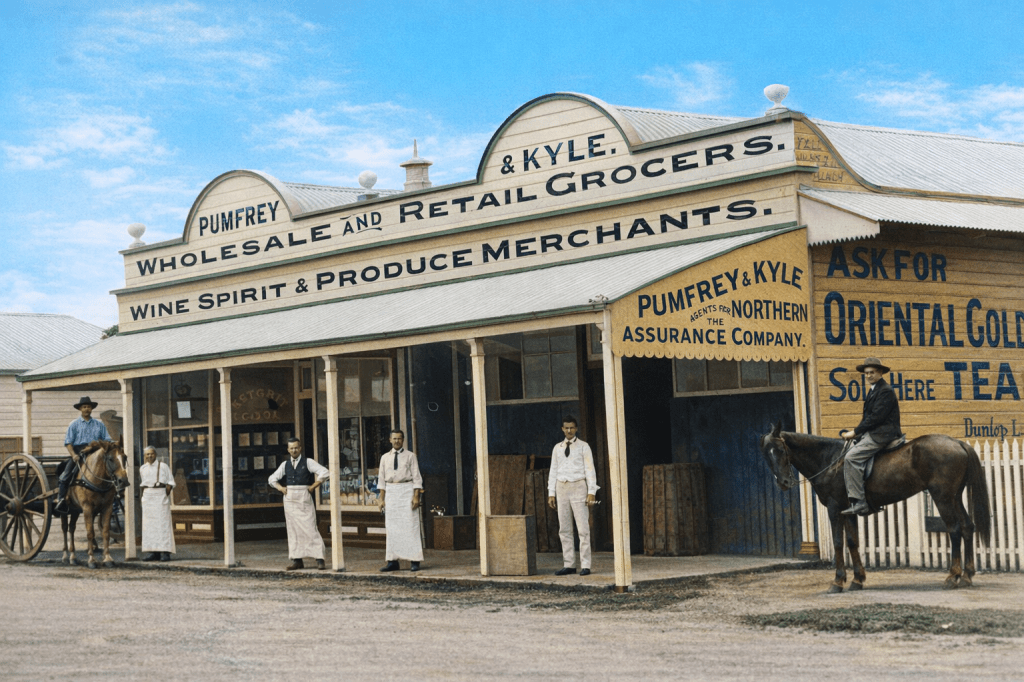
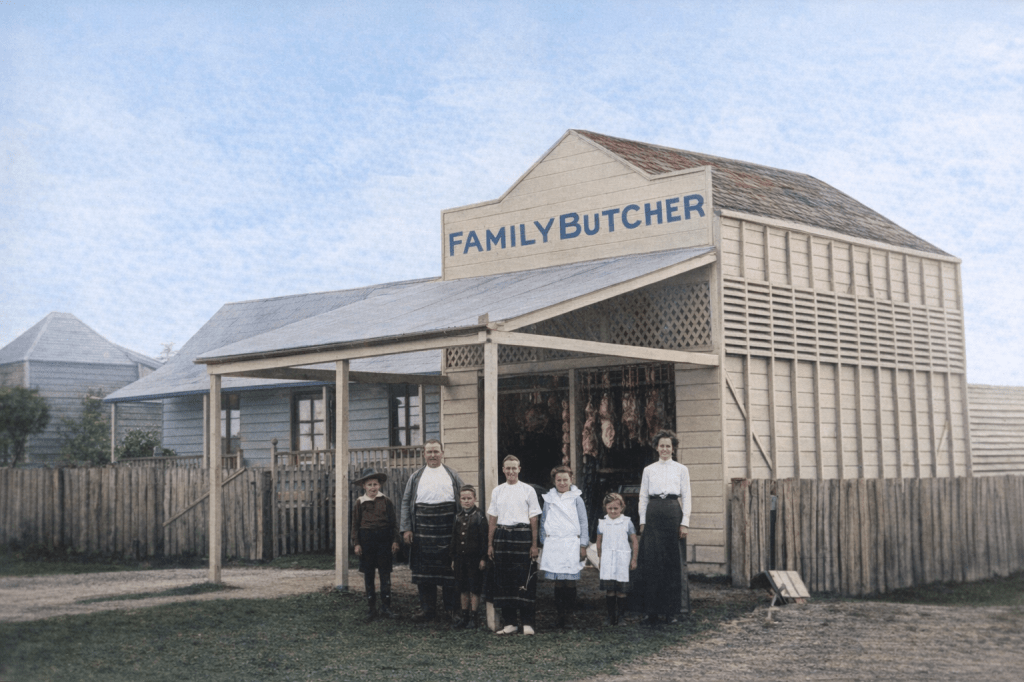
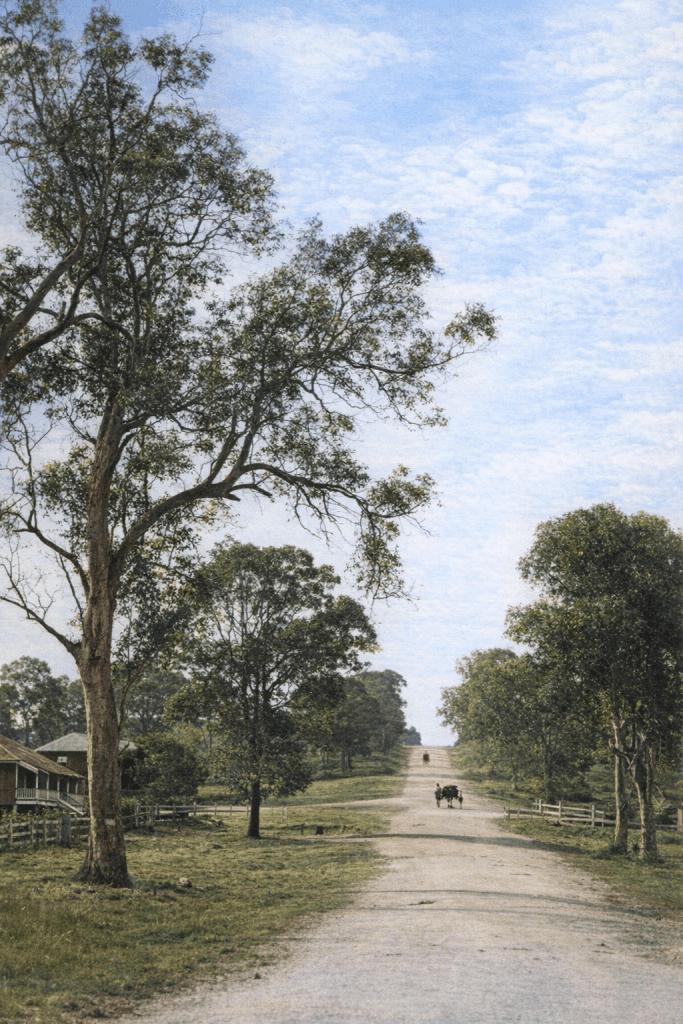
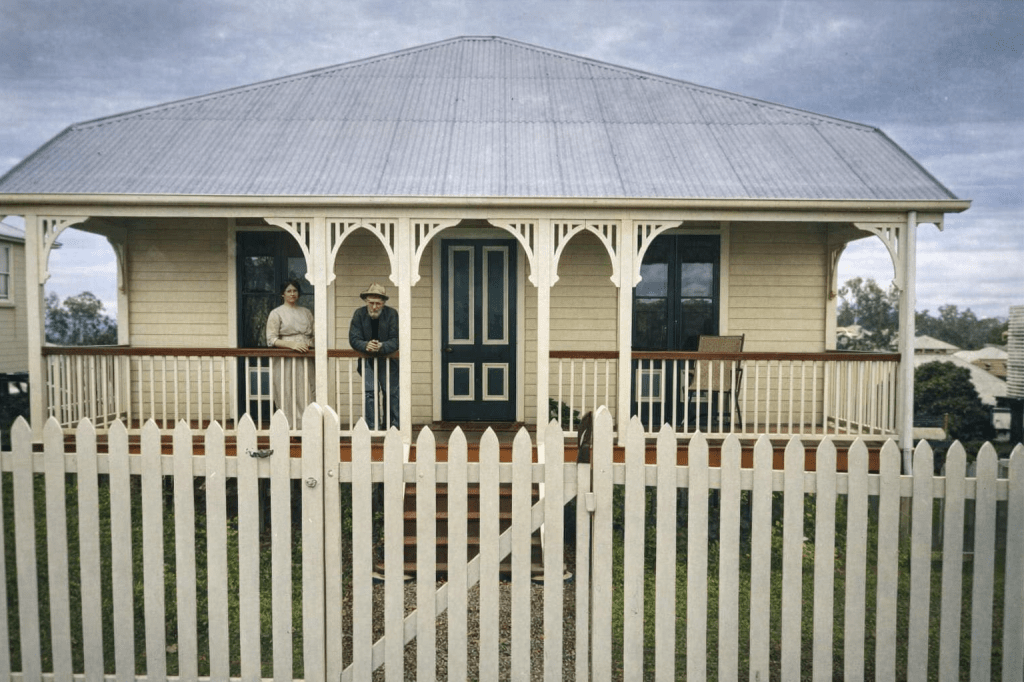
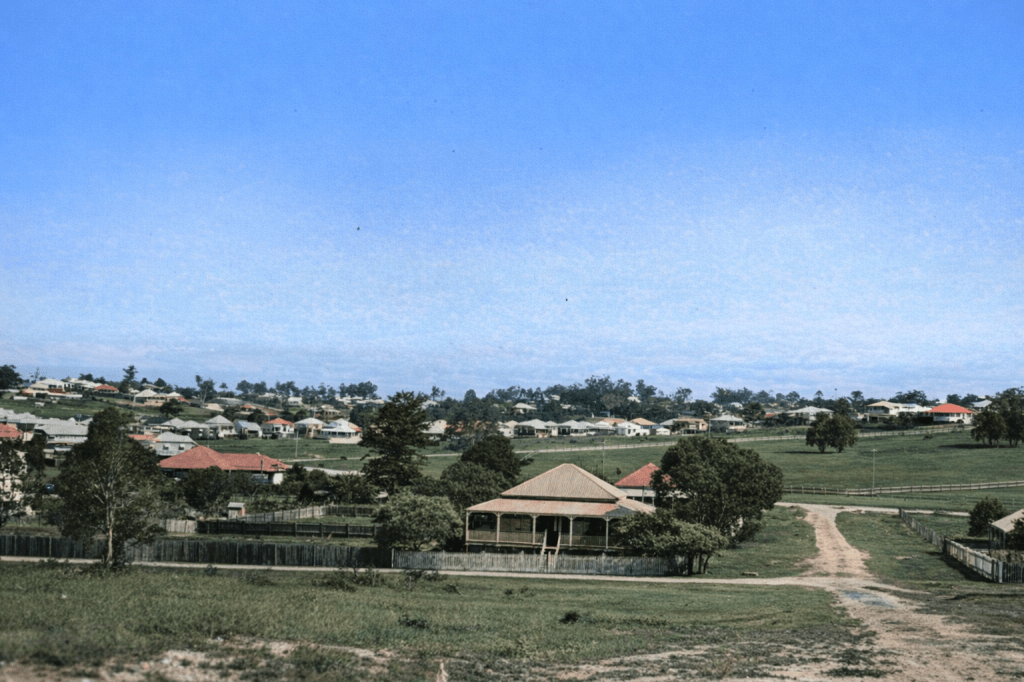
1880: Early residence on Rode Road, Nundah.1895: Old missionary cottages on Zion’s Hill. This is such an evocative image. The German Mission commenced in the 1830s, and by 1895, the buildings were derelict. The diaries of some of the earliest Zion Hill settlers are a bit of a hoot – extracts were published in the Sydney papers. Much of their time was spent praising the Lord. And singing. And interrupting the praising of the Lord to sing again.1906: Outside Pumfrey & Kyle Grocery in Nundah.1910: Bulk family in front of their butcher shop on Sandgate Road, Nundah. That is, the family was named Bulk. It was not a reflection of Father’s hearty size.1910: Sandgate Road, Nundah. Oh. If only.1913: Mr and Mrs Gleadhill on the verandah of their Nundah house.1915: View from the crest of Cameron Street, Nundah.




 Moreton Bay and More