
And the Veterans who helped create Brisbane “I say, Carruthers, don’t trip over that dead French chappie”. Waterloo. As any schoolchild knows, Napoleon Bonaparte was defeated by the Duke of Wellington at Waterloo in 1815. Well, actually, if the curriculum they study today is anything like the one I passed through, largely unscathed, schoolchildren todayContinue reading “18 June 1815 – the Battle of Waterloo”
Author Archives: Karen B
Amateur historian and writer.
The Hazards of Life in Old Brisbane

It’s quite comforting to look back on old Brisbane and find that many of the hazards of life these days also troubled our forebears. The river still has its surprises for the unwary. Pet ownership attracts all manner of official scrutiny, not to mention revenue-raising. Traffic is still appalling and drunks still populate our watchhouses.Continue reading “The Hazards of Life in Old Brisbane”
The Health of the Colony – Free Settlement
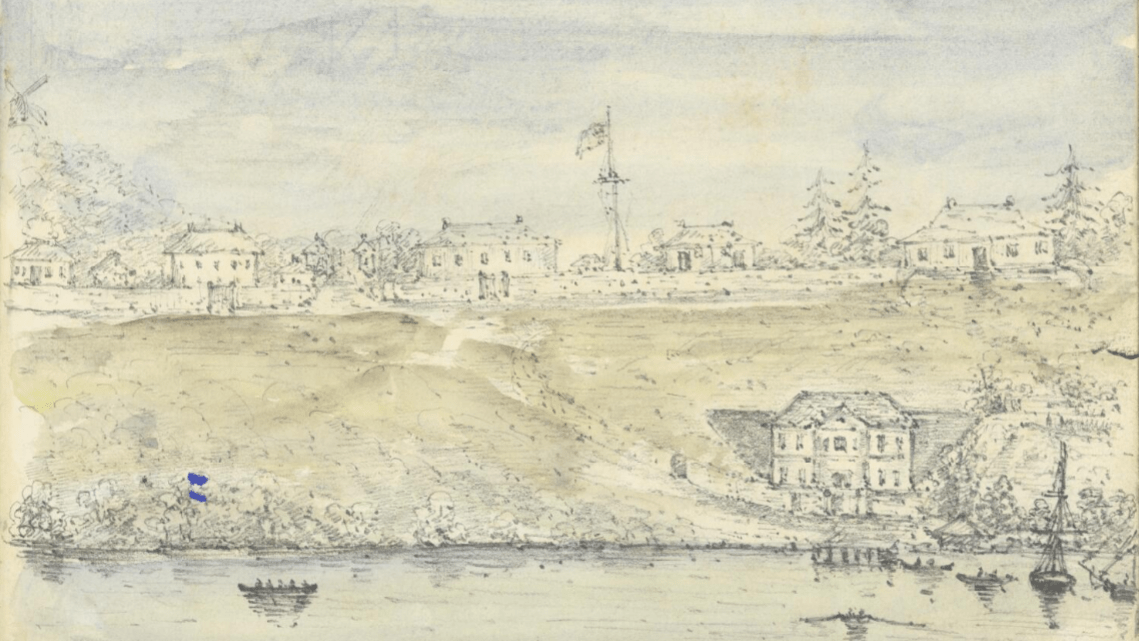
FROM CONVICT HOSPITAL TO GENERAL HOSPITAL Sick people – please advise The years 1841and 1842 saw settlers, servants, merchants and labourers moving into or through the township. It seems to have escaped the notice of the Government that these people might need services and infrastructure in order to carve out their existence in Moreton Bay.Continue reading “The Health of the Colony – Free Settlement”
The Health of the Colony – the Convict Era
The Convict Hospital When the Moreton Bay penal colony closed for business in 1842 and became a town, the official records dispersed, mainly to Sydney. Many were lost, some fetched up in unusual places, but a remarkable number of documents survived the ensuing 200 years. The records of the Moreton Bay Hospital have largely survivedContinue reading “The Health of the Colony – the Convict Era”
A Sack of Ghosts, Desiccated Canaries, Kilts v Trousers
THE STRANGE WORLD OF THE EARLY 1870s, AS SEEN IN THE CLASSIFIEDS The School of the Arts, hitherto a rather stodgy institution, offered the most peculiar entertainments in the early 1870s. Not since the outbreak of wizardry in the 1850s had Brisbane flocked to anything like Chapman’s Wonders: Legerdemain effects involve sleight of hand, presumablyContinue reading “A Sack of Ghosts, Desiccated Canaries, Kilts v Trousers”
The Trials of Annie Clarke

Annie Clarke saw a great deal of courtrooms during her colourful career in Northern Queensland. Some extracts from the reports of her hearings at Millchester gathered here show the times she lived in – times when women who had sex with men they were not married to were not entitled to be believed as witnesses.Continue reading “The Trials of Annie Clarke”
The Marrying Kind
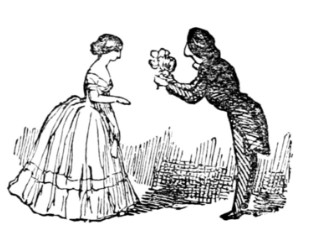
Bigamy in Colonial Queensland – PART TWO Annie Clarke must have been quite a gal. She scandalised three colonies, underwent at least six marriage ceremonies, and created news wherever she went. Who she actually was is hard to pin down, probably because of the number of husbands and surnames she racked up in a hecticContinue reading “The Marrying Kind”
“A Double Fraud, Double Treachery and Double Infamy.”
Judge Innes, Rockhampton District Court, 17 June 1867, sentencing a bigamist. Bigamy in Colonial Queensland – PART ONE Moreton Bay Courier, 1859 Whoever W.H.G. of Nanango was, he or she would have done well to take note of Brown’s Billy’s warning in the Courier’s classifieds in October,1859. Bigamy attracted stiff sentences of penal servitude, notContinue reading ““A Double Fraud, Double Treachery and Double Infamy.””
A Polite, English Education
Education from the convict era to Separation The Convict Era The first European school in Queensland was free, open to all, and had a very low student-to-teacher ratio – just what parents would hope for in a State School today. It was the Moreton Bay penal settlement free school, which opened in 1826. It cateredContinue reading “A Polite, English Education”
Just Call Him “Lord”
NOTABLE BRISBANE PIONEERS – ARTHUR BULGIN “The emigrants per the Chaseley resemble in character and views those per the Fortitude. They consist, first, of respectable families, going out to settle on small farms, under the auspices of the Company, and to grow cotton and other tropical productions, in addition to those of Europe; second, ofContinue reading “Just Call Him “Lord””
 Moreton Bay and More