
In the early 1890s, a strike took place in the wool shearing industry that brought about the beginnings of the union movement in Australia. Important concessions were made by both sides before the strike collapsed.
Shearing work in the 1860s and 1870s
These photos, taken by itinerant photographers during the 1860s and 1870s, show the hard work of shearing, and their enormous output in wool bales. Shearers travelled between far-flung stations, getting work where they could.
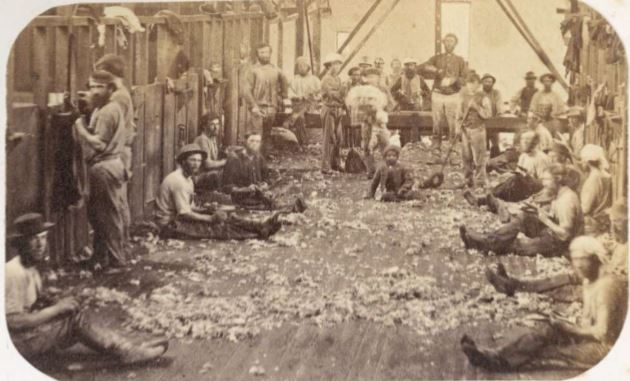
Smoko in a shearing shed, 1860s 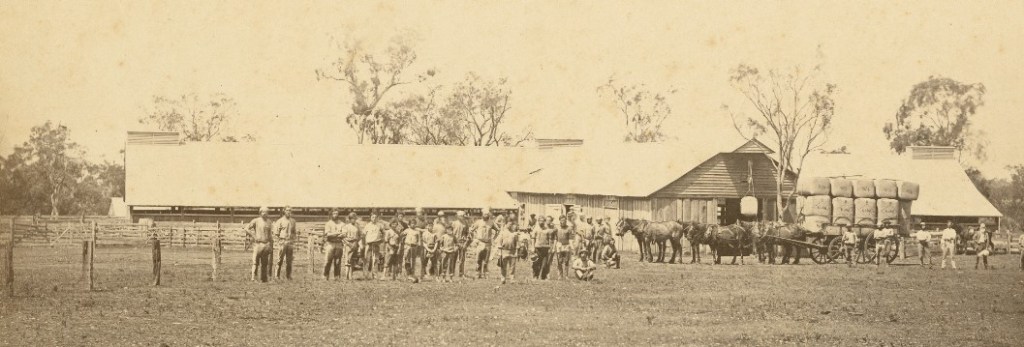
Jondaryan Woolshed c.1869 
Jondaryan Woolshed Shearers 1872 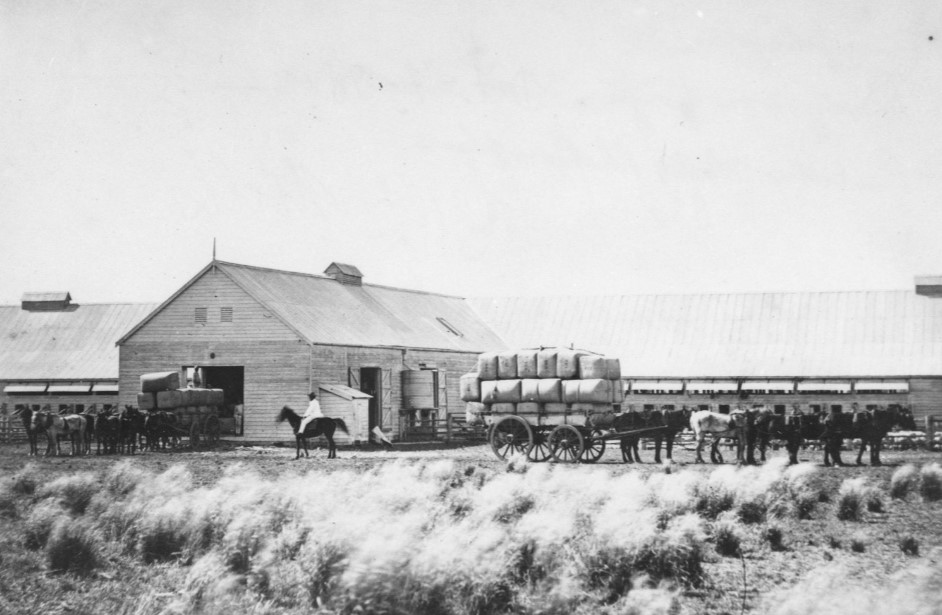
Bungeworogai 1873 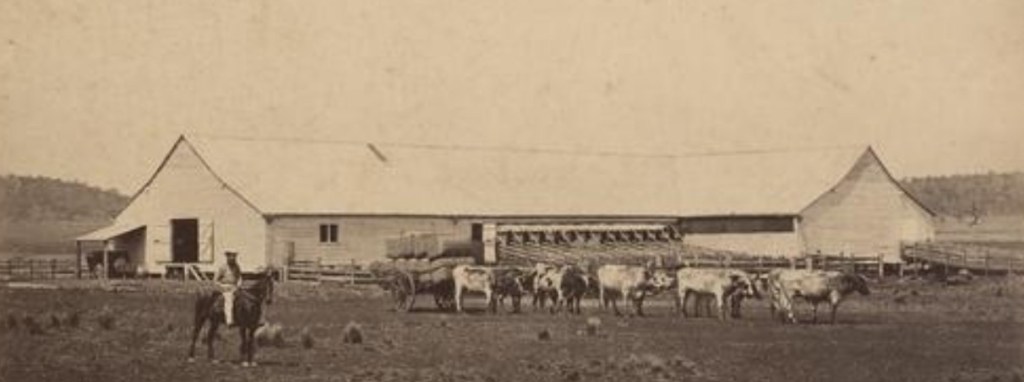
Woolshed at Westbrook 1877 
Shearer’s Hut, Durham Downs 1878
1890s – Industrial Action Looms
Poverty and unemployment arising from an economic downturn led property owners to offer contracts to cheaper, non-union workers. Those same conditions led the shearers to strike, and try to stop the use of non-union labour.
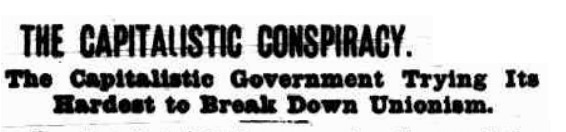
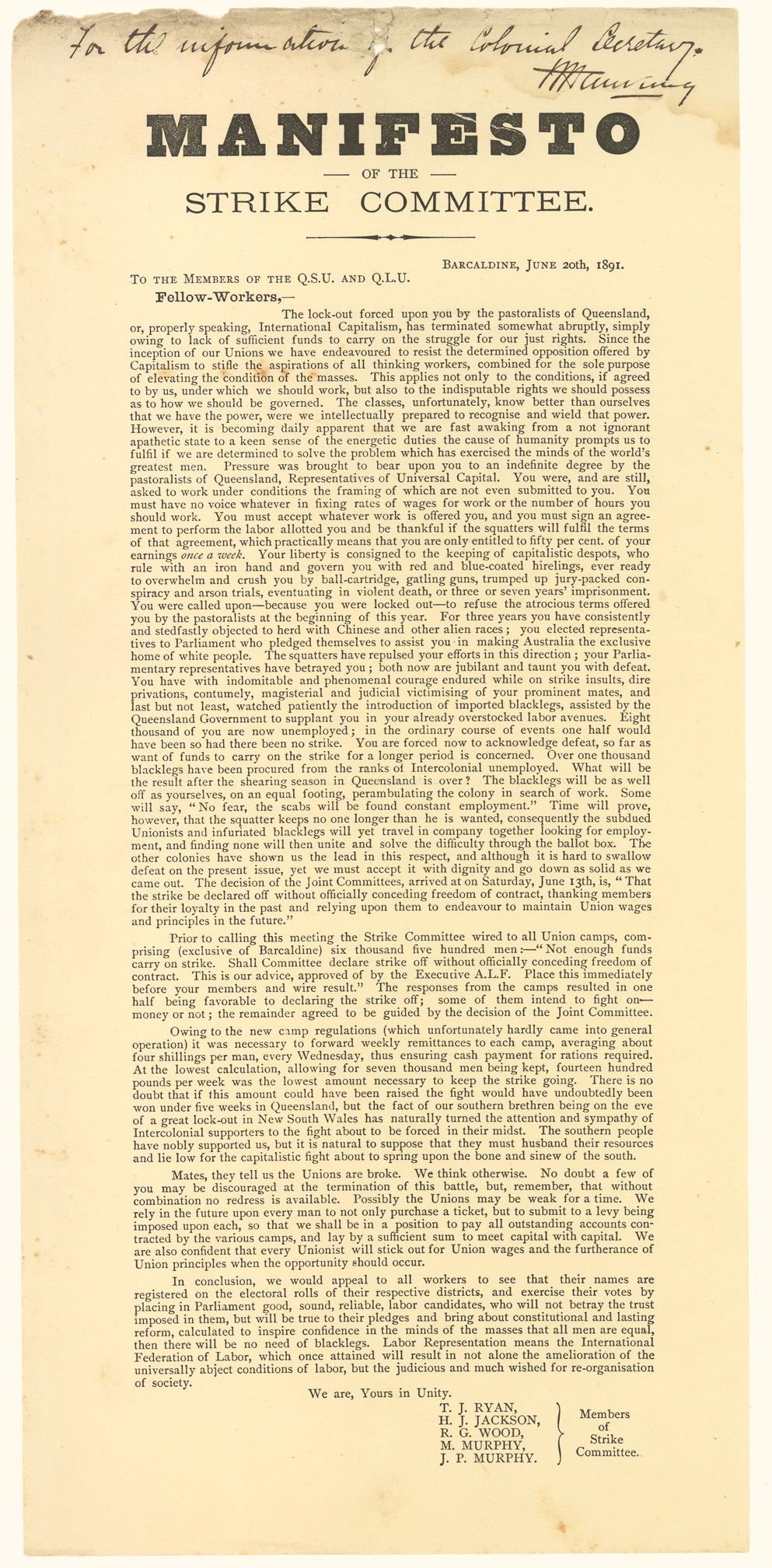
The Troops and the Strikers
The Defence Force sent troops to the western properties, wool bales burned and strike camps grew up overnight. Fortunately no lives were lost, but industrial relations were changed forever.
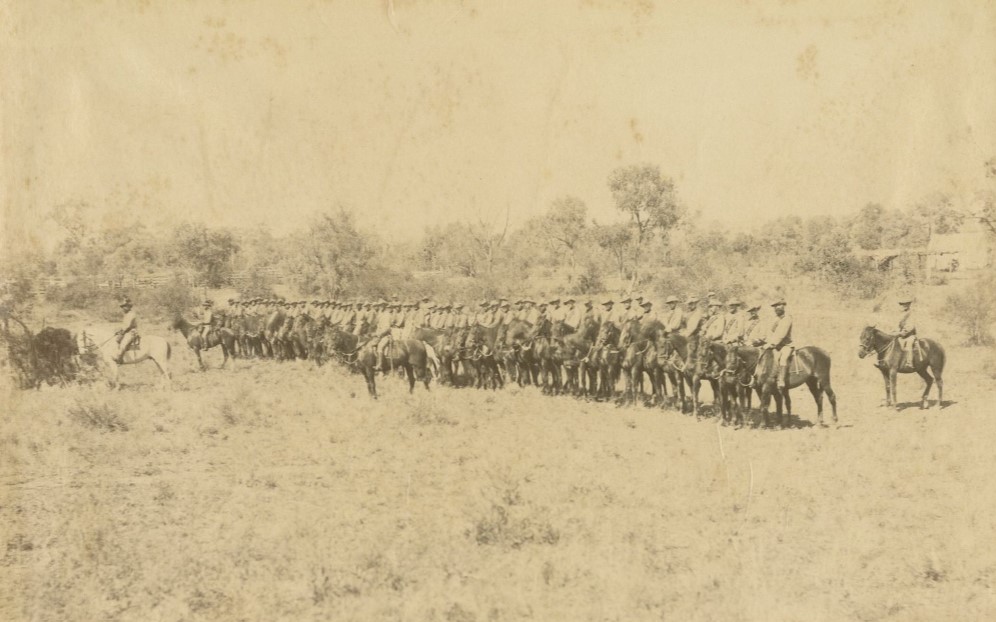
Soldiers preparing to ride west, 1891 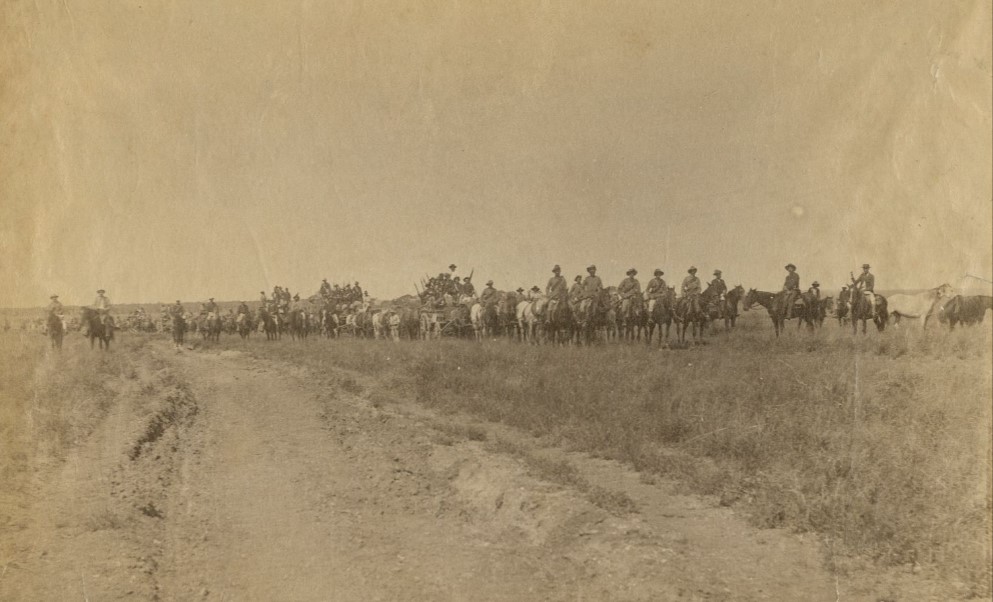
Soldiers on the move, Hughenden 1891 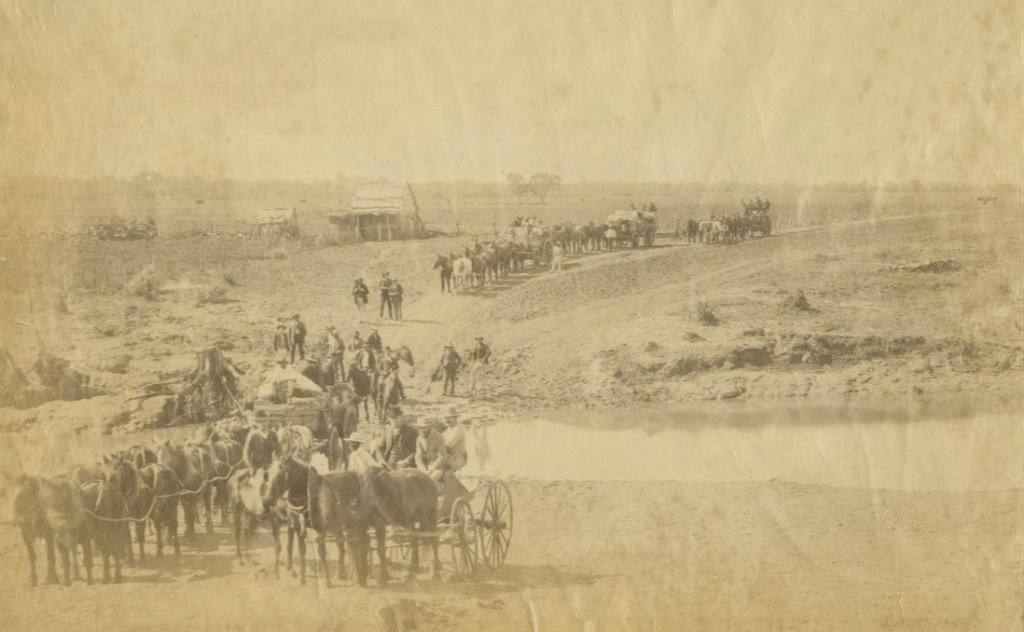
Striking Shearers on the move 1891 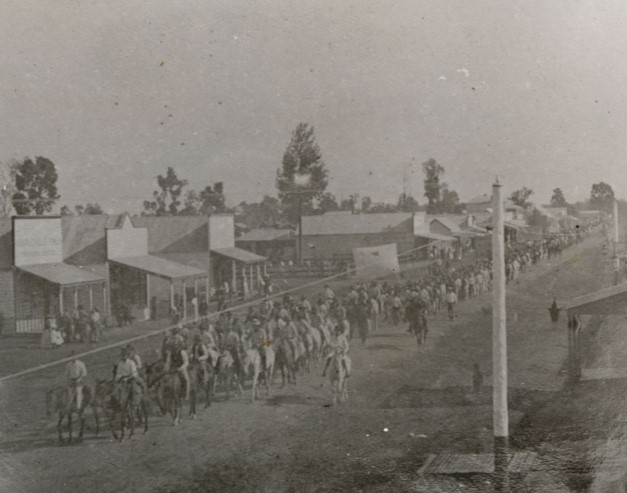
Shearer’s Strike March Hughenden
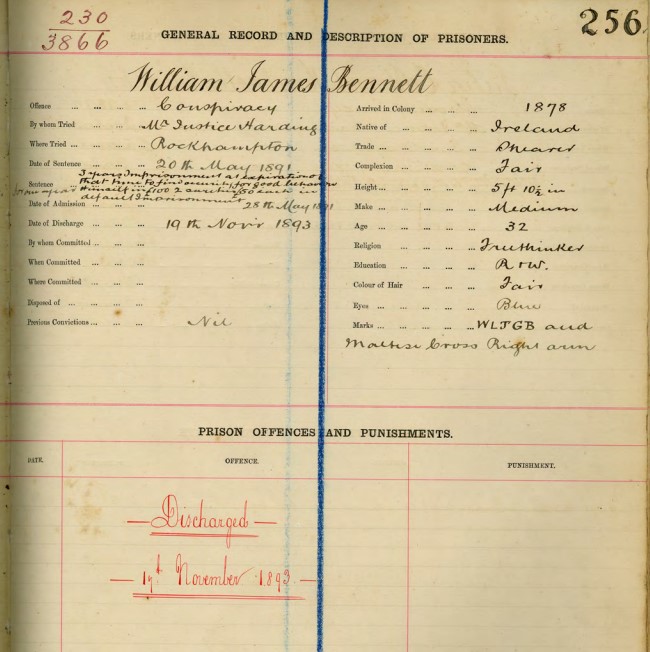
Prison Card William Bennett 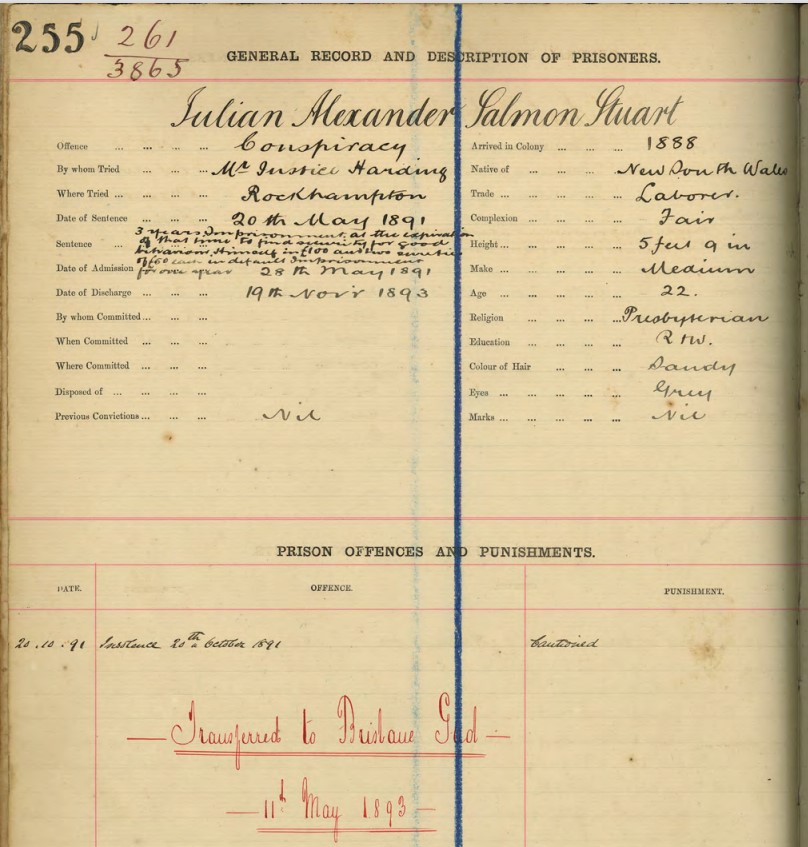
Prison Card Julian Stuart 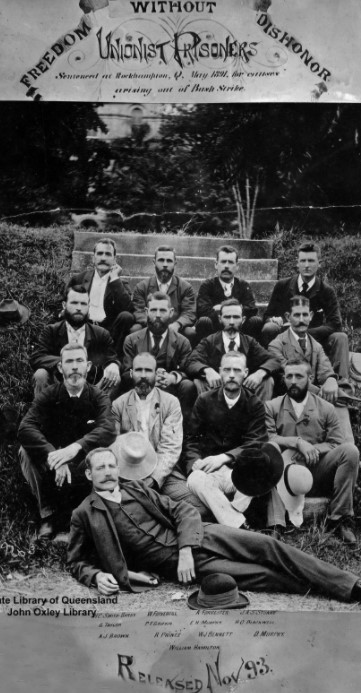
The convicted shearer’s representatives 
1894 – shearing resumes at Yandilla.
 Moreton Bay and More