
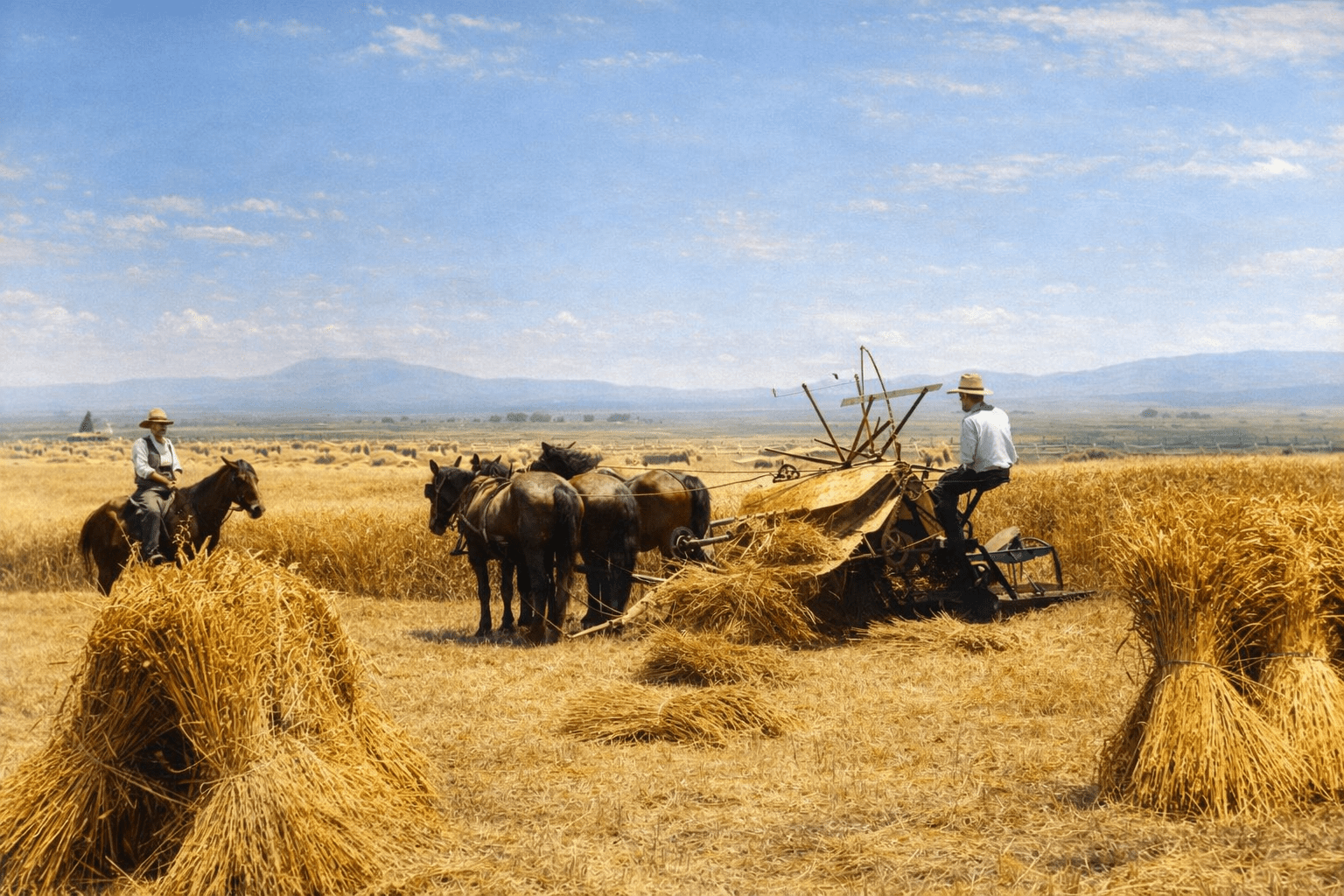
Warwick is one of Queensland’s oldest inland towns, having been chosen in the late 1840s as a township to support the various squatting runs in the region.
Tag Archives: Early Photographs
The early days in the Gulf, in colour.
Burketown Burketown and Normanton are towns on either side of the Gulf of Carpentaria – Normanton is on the east, and Burketown on the west. Both towns are historically linked to the Victorian Exploring Expedition, led by Robert O’Hara Burke and William Wills in 1860-1861. That expedition left Melbourne in 1860, and reached the GulfContinue reading “The early days in the Gulf, in colour.”
The early days of Charleville, in colour.
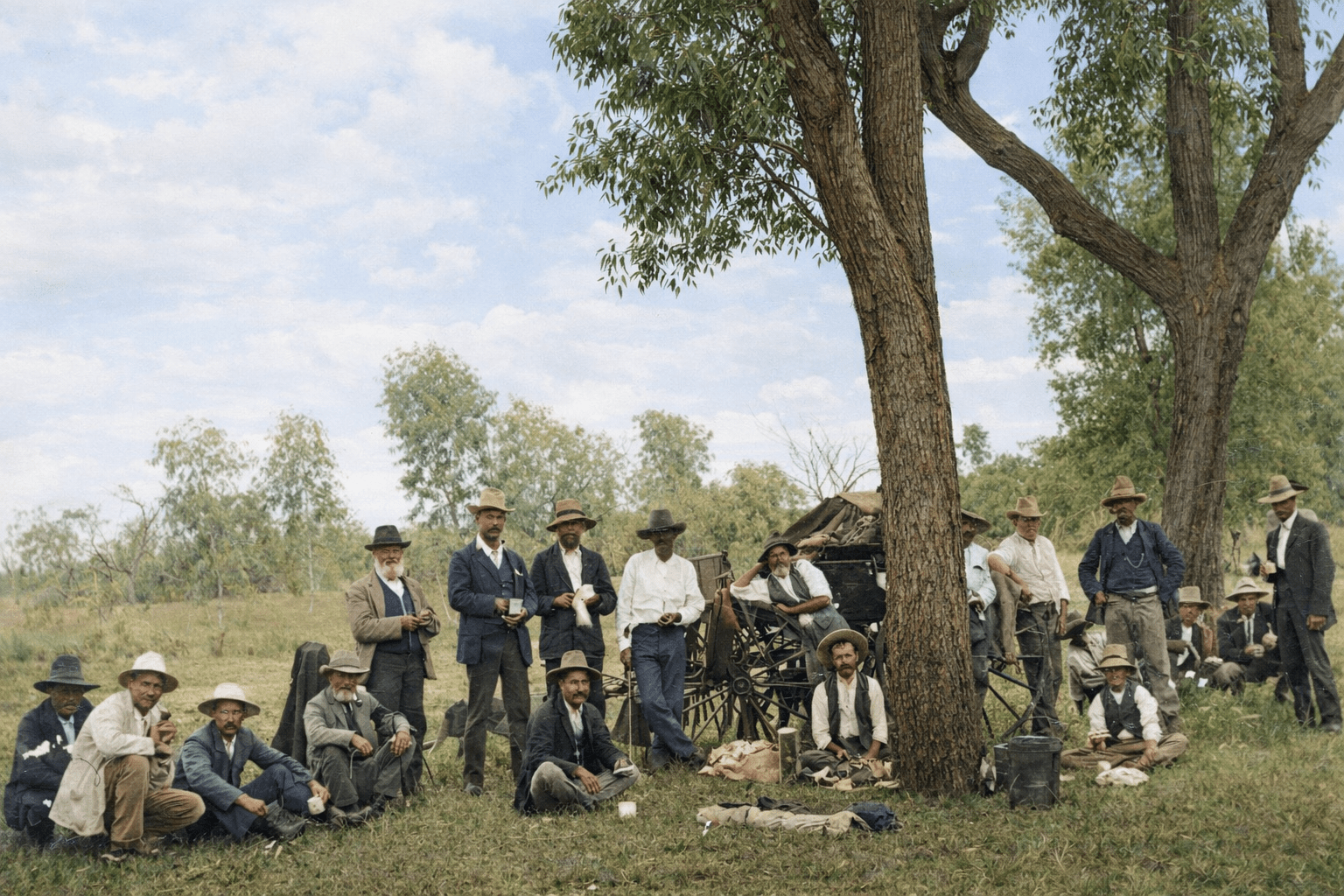
Out and about in Charleville. Sadly, Clement Lindley Wragge (left) was not involved in the breaking of the drought in 1902. Meteorologist Wragge visited Charleville in September of that year, to fire off some Steiger Vortex Cannons, which he was convinced would draw the rain from the clouds. (If fired directly at said clouds.) MrContinue reading “The early days of Charleville, in colour.”
House Decoration – tips for ladies from the Queenslander.
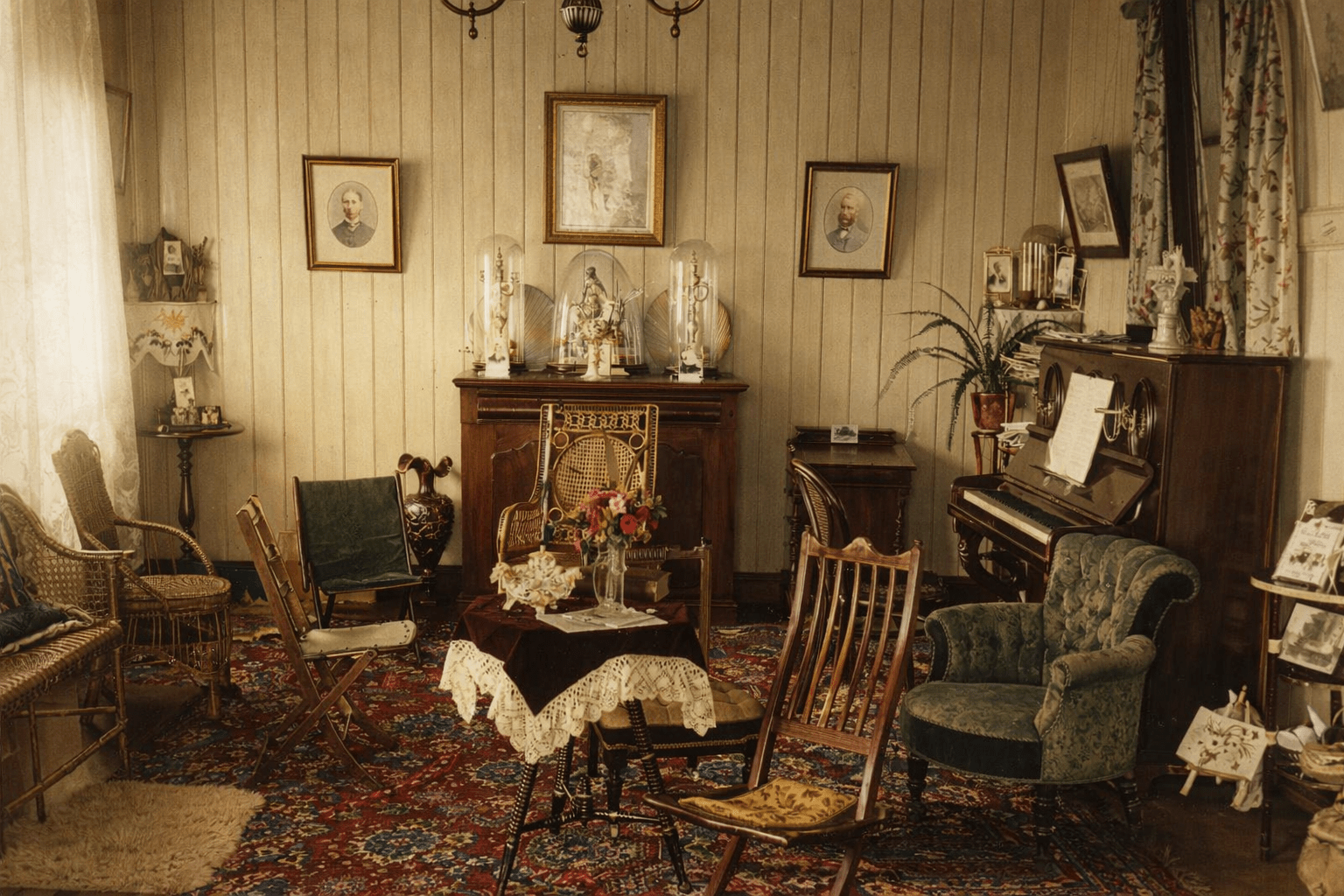
The Queenslander advised ladies to cast aside their embroidery hoops, and use paint, brushes and the inspiration found in nature to transform their homes. (It was assumed that ladies had nothing better to do with their days than crochet or attempt arts and crafts-style makeovers.) Flourishes for the Drawing Room. The Queenslander offered some styleContinue reading “House Decoration – tips for ladies from the Queenslander.”
The early days of Cape York and the Torres Strait, in colour.
The Torres Strait saw a lot of foreign ships passing by and through it from the early 17th century to the Victorian era, which is when the passers-by started to stay. The Strait was named after Luis Vaz de Torres, the first European to have officially recorded its presence, in 1606. After suspecting that theContinue reading “The early days of Cape York and the Torres Strait, in colour.”
The early days of Goondiwindi, in colour.
The Government commenced selling land in newly-christened Goondiwindi in 1860. A year later, a correspondent for the Darling Downs Gazette opined that, for all the difficulty of getting there, it might be well worth staying. At present it is as much as one’s life is worth to attempt an adventure so desperate as that ofContinue reading “The early days of Goondiwindi, in colour.”
The hard old days, in colour.
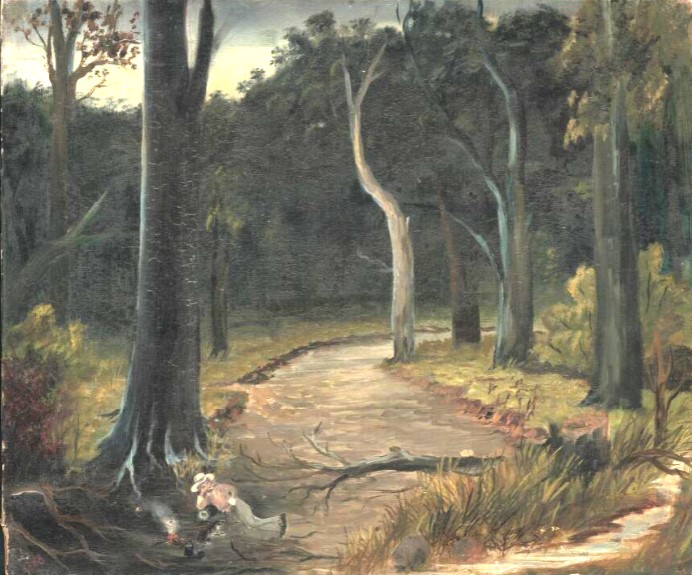
Outback and country life. Plus photobombing horse (again!). On the wallaby. To be on the wallaby track meant that you were travelling about the countryside looking for work. When times were hard, or work was short, you took your blanket and billy can and walked – often hundreds of miles – to look for aContinue reading “The hard old days, in colour.”
Fifty years of the Brisbane Botanical Gardens, in colour.
The Botanical Gardens in the City of Brisbane began as part of the Government Gardens. Originally the garden was a mixture of crops and early acclimatisation planting, tended to by convict labour. When Thomas Dowse (Old Tom) arrived in the fledgling settlement in 1842, he saw the Government Gardens in their glory. A few yearsContinue reading “Fifty years of the Brisbane Botanical Gardens, in colour.”
Ipswich through the early years, in colour.
A series of photos taken in 1860 show a small country town, with cottages and small shops. By the twentieth century, a city of impressive public buildings and modern communication had taken its place. Ipswich in the 1860s. Pictures from 1860 After 1860 “Before luncheon, the guests, among whom were many ladies, spread themselves inContinue reading “Ipswich through the early years, in colour.”
The early days of Gympie, in colour.
Gympie takes its name from the Gubbi Gubbi word gimpi-gimpi, or stinging tree. Prior to the name being adopted, it was called Nashville, after James Nash. Nash had reported a deposit of alluvial gold in 1867, which started a rush that eventually saved the colony’s economy. Gympie in the early years. The businesses of earlyContinue reading “The early days of Gympie, in colour.”
 Moreton Bay and More