
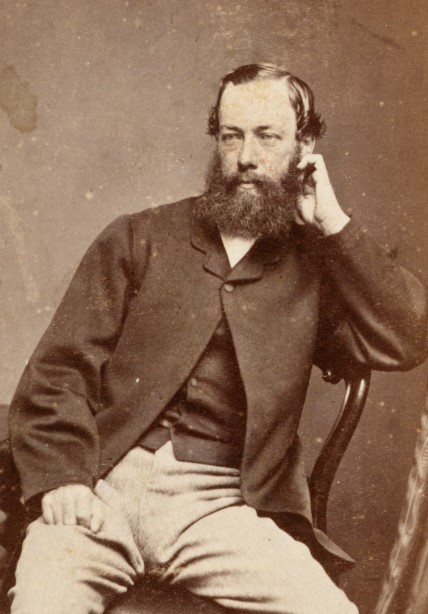
Richard Daintree (1831-1878) was a geologist and photographer who worked on the Victorian Goldfields after graduating from Cambridge University.
In 1865, Daintree moved to North Queensland and began recording his observations, leading to an appointment as Government Geologist for the region.
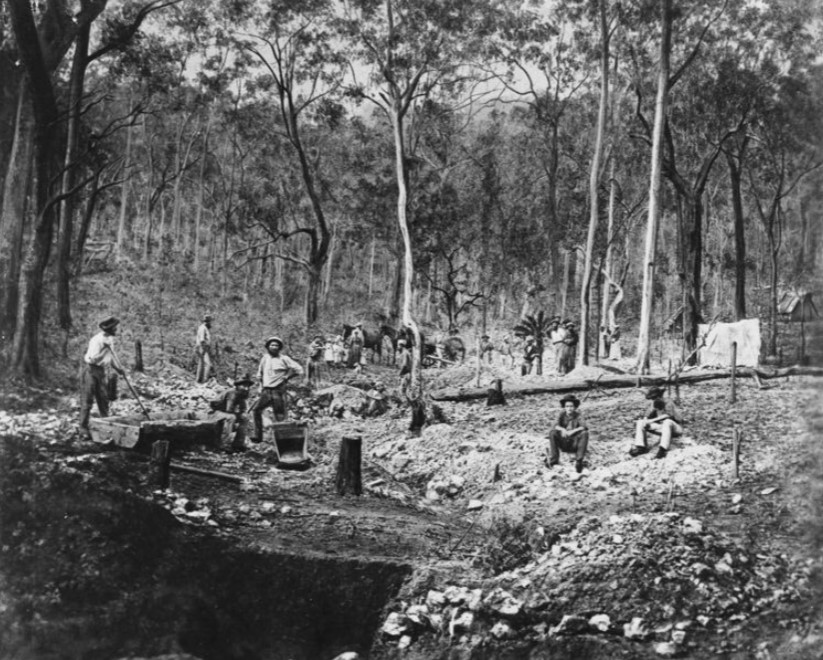
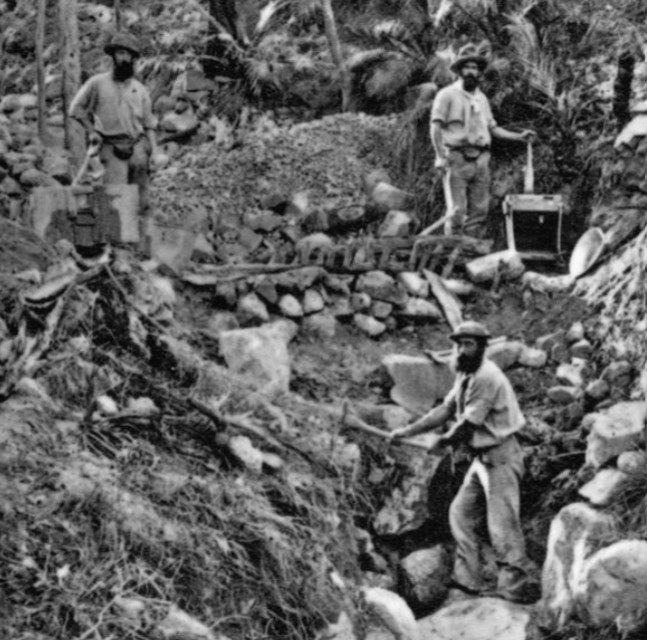
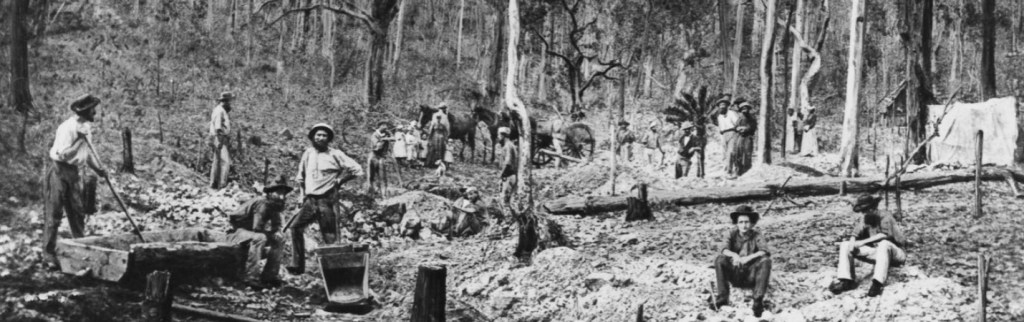
His Victorian works are justly celebrated, but he also managed to capture the earliest days of mineral exploration in Queensland with a series of fascinating photographs and glass plate positives that are kept by the State Library of Queensland and the Australian National Museum.
A number of his works were lost in a shipwreck in 1871 en route to the Exhibition of Art and Industry in London. What he was able to salvage of his display was favourably received, and he took up an appointment in 1872 as Queensland’s Agent-General in London. His health failed, and he resigned in 1876. He passed away from tuberculosis in Kent in June 1878.


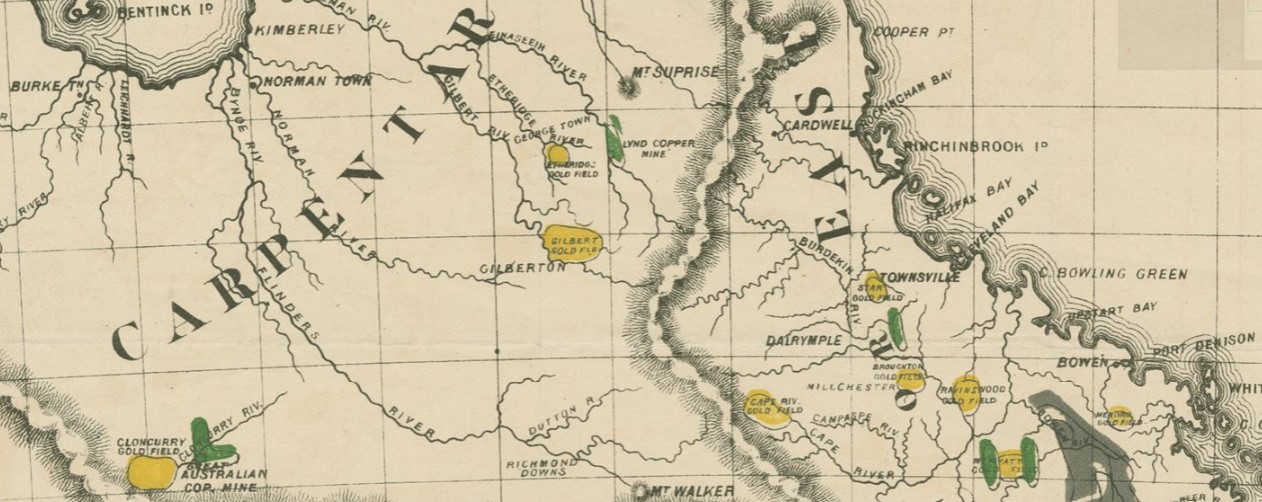

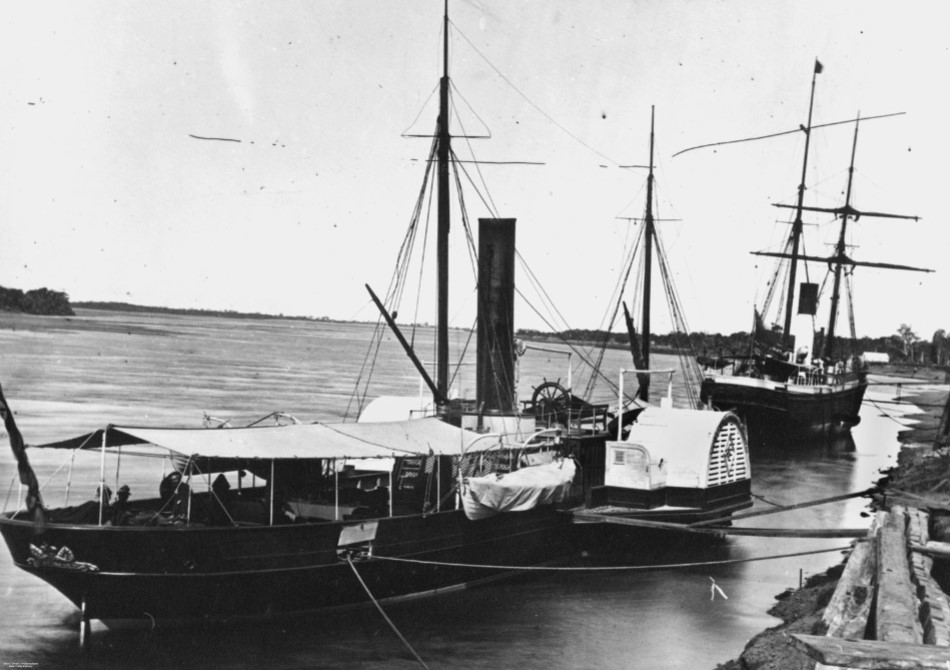
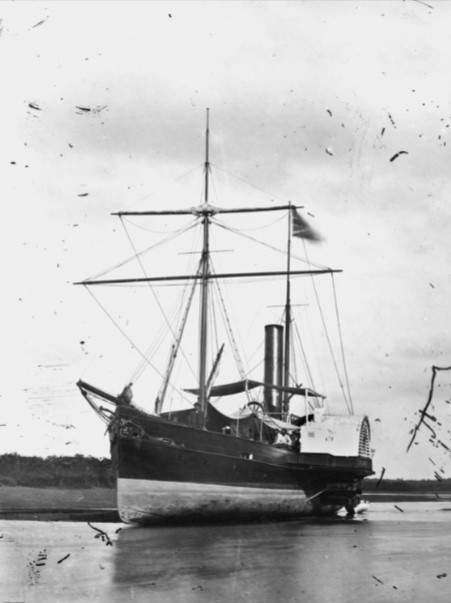
Daintree’s travels throughout Queensland recorded shipping and dockland scenes, hardy miners at work on the diggings, bush characters, and mineral observations. They tell their own story.
Paddle steamers and docks


The Diggings
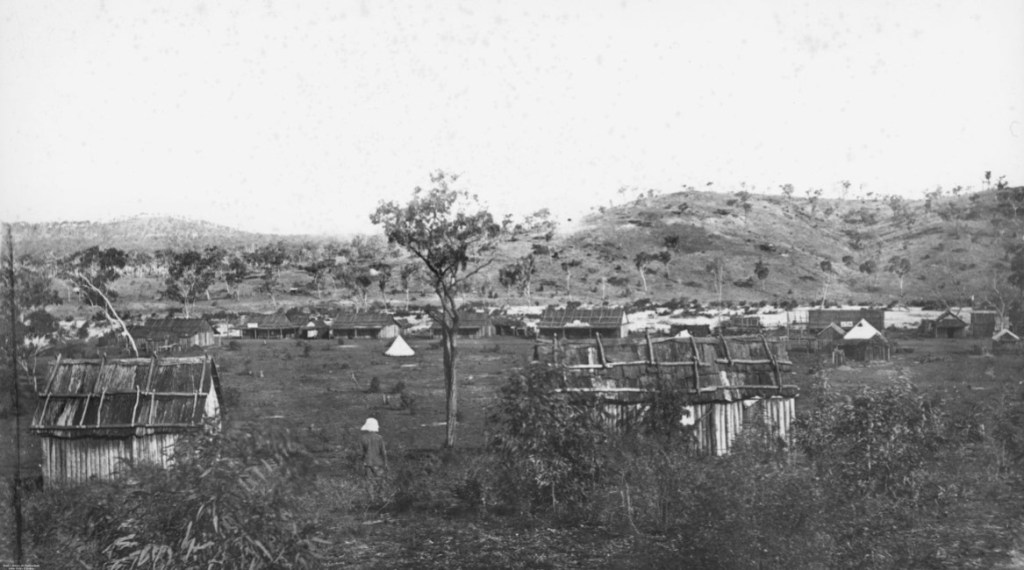

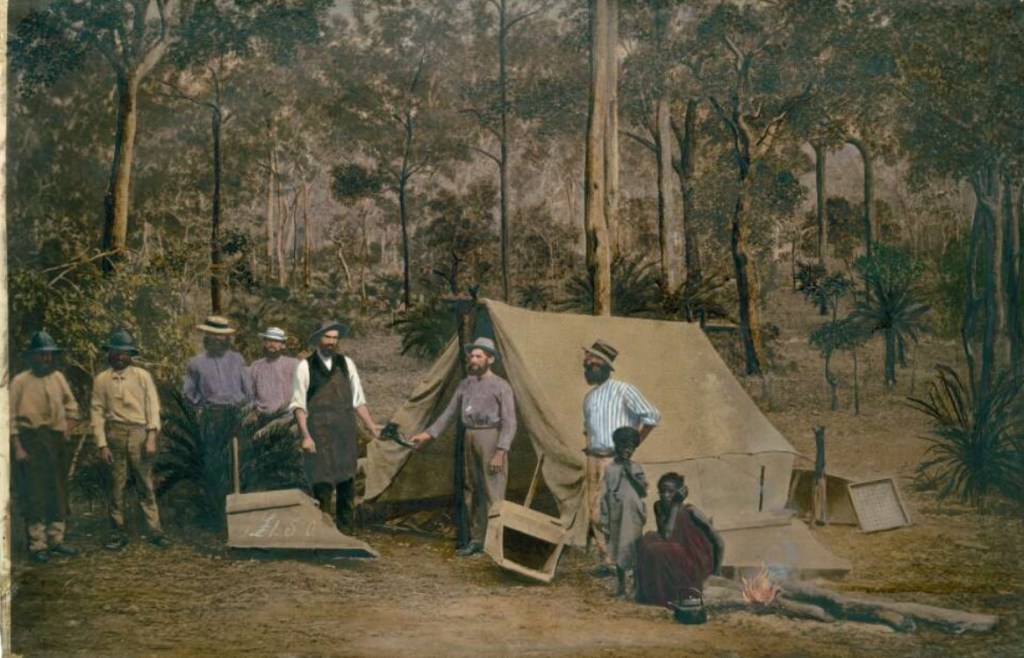
People and Places

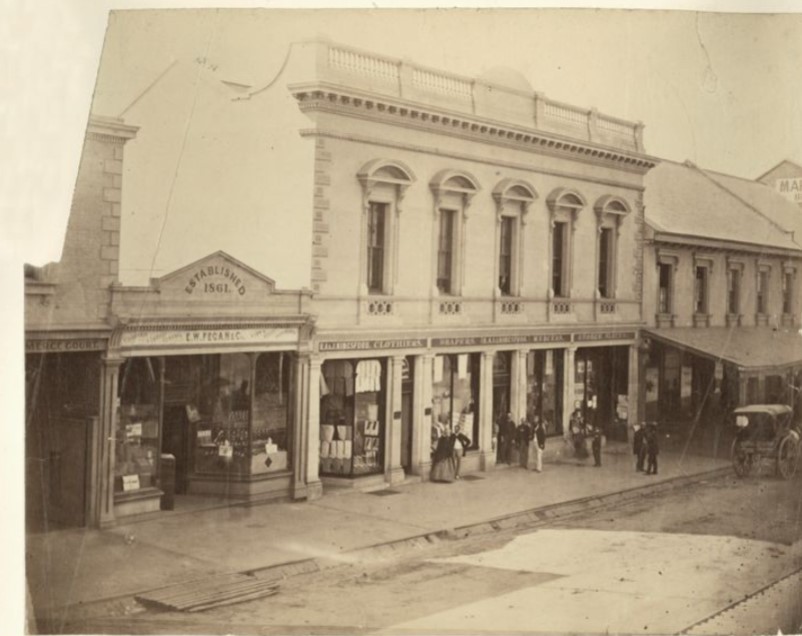


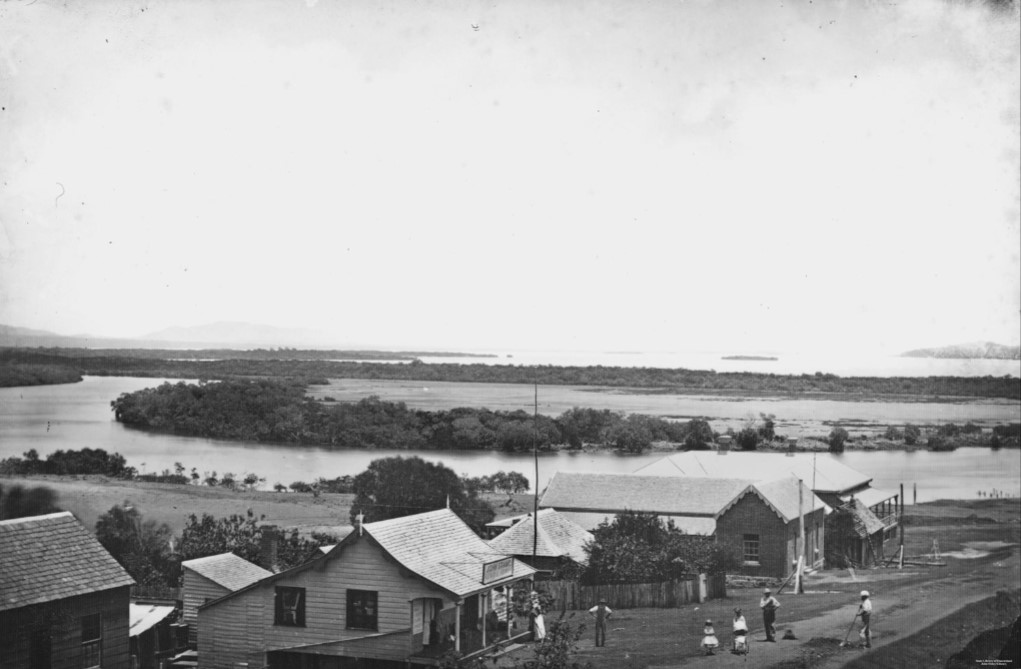


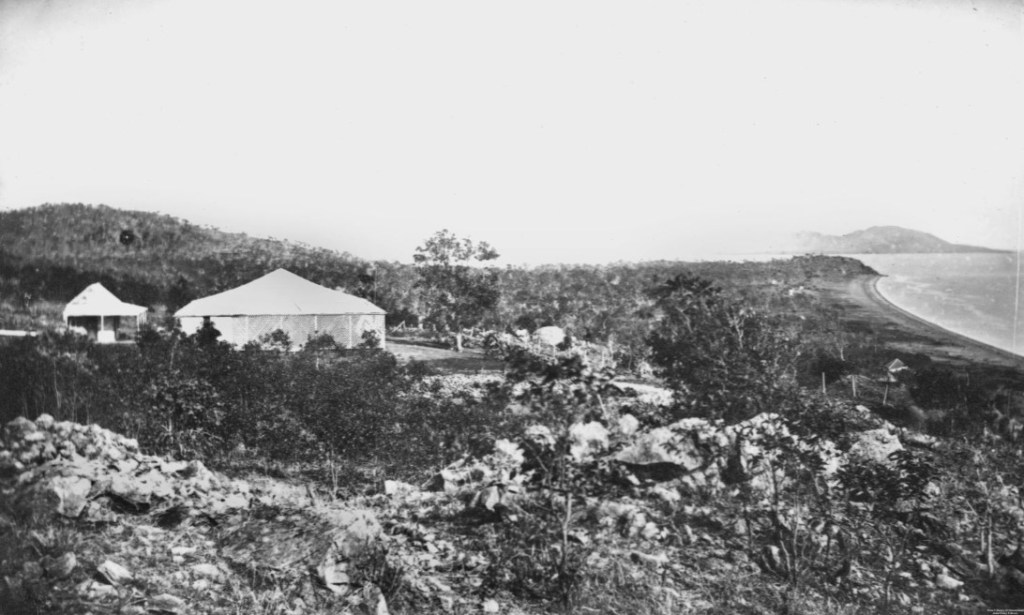

Photographs:
- 7746, Richard Daintree Photographs, John Oxley Library, State Library of Queensland.
- Photographic plates and painted photographs are part of the Richard Daintree Collection, National Museum of Australia, Creative Commons.
 Moreton Bay and More