
Ascot through the years.
Ascot and Ashgrove are now inner Brisbane suburbs, being 6 and 5 kilometres from the Central Business District respectively.


The history of Ascot is intertwined with the name Eagle Farm, although Eagle Farm is today a separate suburb. In the 1830s, the Female Factory was located at Eagle Farm, and the district kept the name following the end of the convict system.
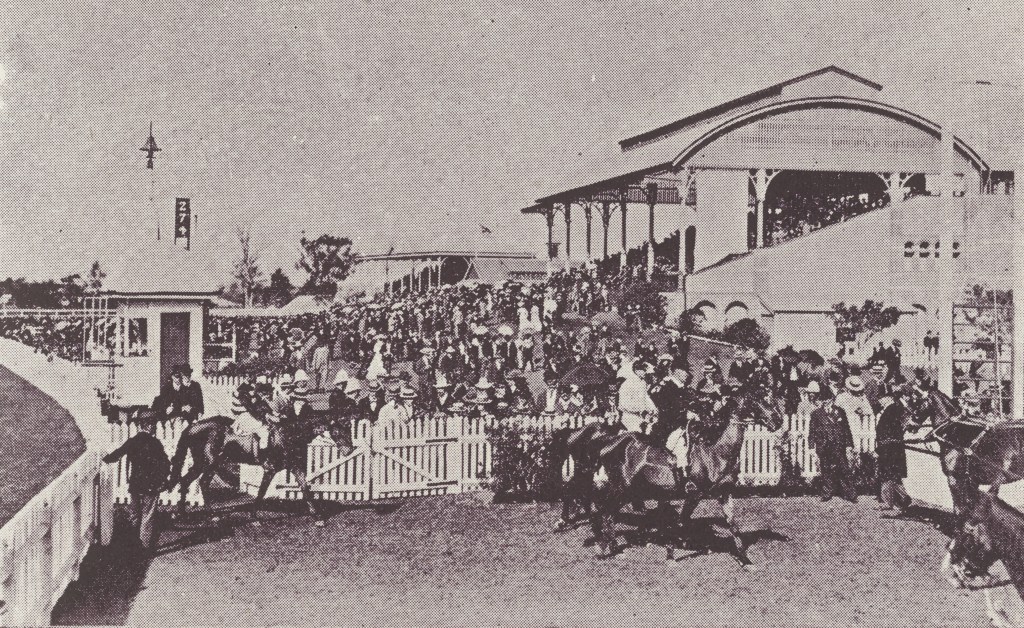
Eagle Farm Racecourse was established in 1864, and a day at the races became a popular outing for Brisbane. The venue wasn’t the most elegant place on earth in its very early days, earning it, and the area around it, the slightly mocking nickname “Ascot.” Inevitably, the suburb took on that name.
Trains and tramlines followed, and land was gradually sold off for residential housing. Ascot’s closeness to the river, racing facilities and the CBD have lent it a genteel air, from which newer apartment blocks have not detracted.


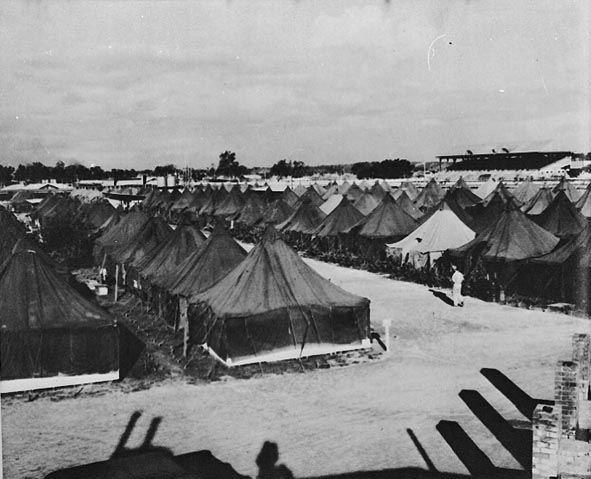

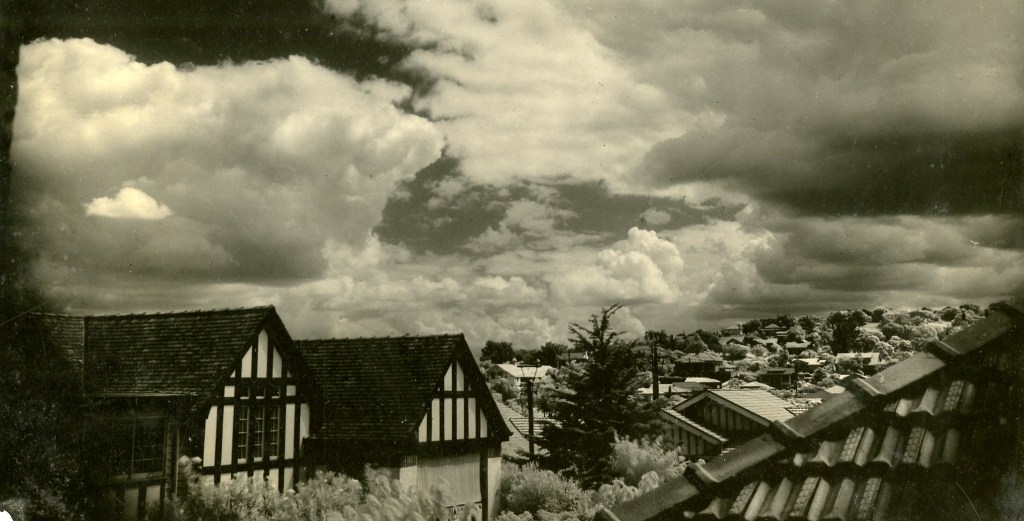

Ashgrove through the years.
In the early 1860s, Ashgrove was potential farmland surrounding the track to the construction site of the Enoggera Dam. That track became known as Waterworks Road.
A few country estates were built – Grove, St John’s Wood and Glen Lyon.
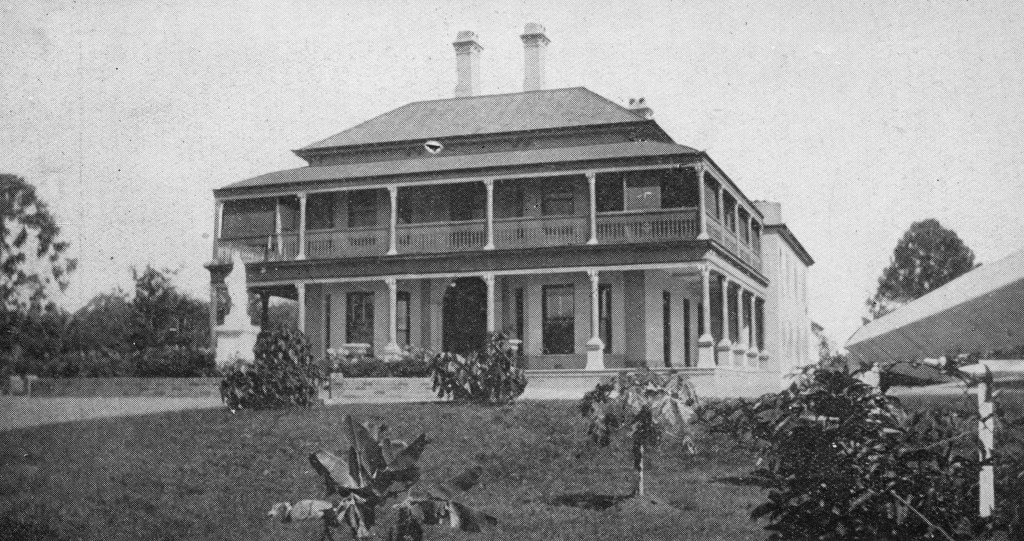


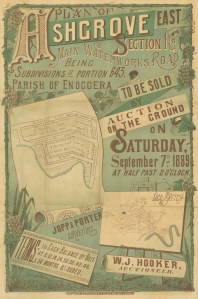

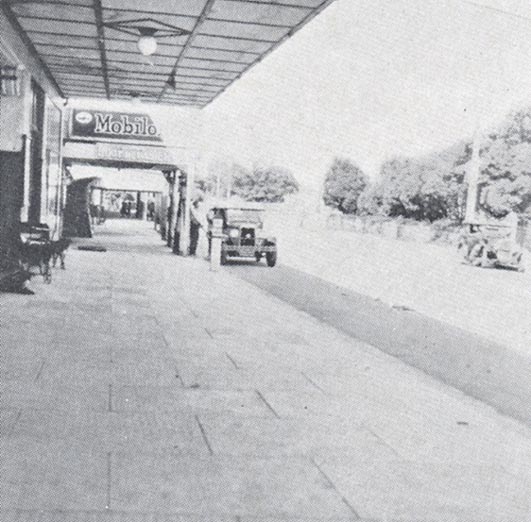
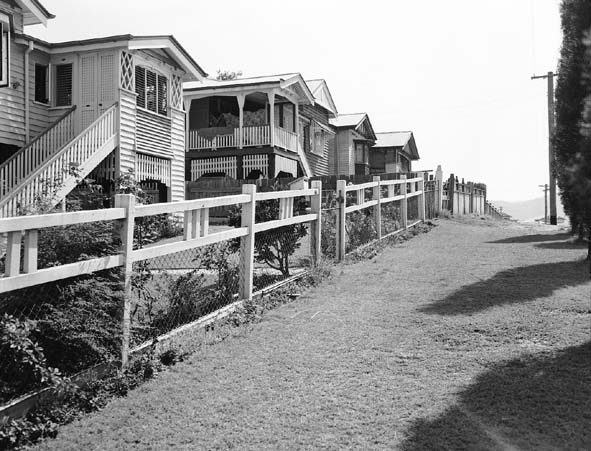

Housing estates grew up on either side of Waterworks Road, as the surplus land on the estates was sold off in lots. Waterworks Road became a tramline, and there are still elderly people who refer to “The Terminus.” Houses of a distinctive type were built – “Ashgrovians.”
This style of house – initially cheap family housing in the depression and war years, is typically high-set, with “an asymmetrical pyramid roof, multiple gables, verandahs and batten skirts.” (Thank you again, Wikipedia.) By the 70s and 80s, they were considered dated and too expensive to maintain. Now, renovated and considerably enlarged, they tower over the hilly streets.
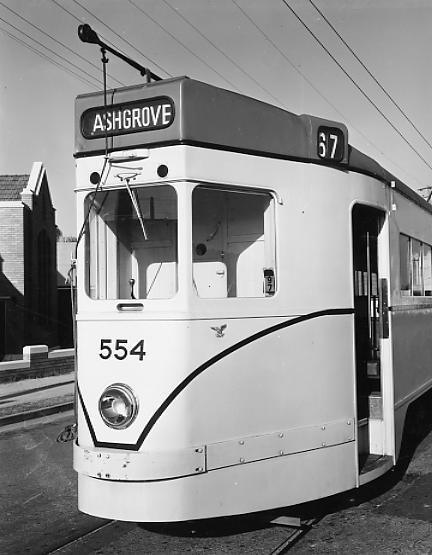

(I spent most of my childhood in Ashgrove. In the grand tradition of my family’s fortunes, we sold and left before the suburb became fashionable, and couldn’t afford to live there now. The previous suburb we left too early was Herston. Gulp.)

 Moreton Bay and More