
I don’t know much about trains. (Early on very still mornings, I can hear the distant sound of a train horn at Grovely Station.) However, I am aware of the profound impact of rail travel in old Queensland. Goods that had previously travelled at the speed of a bullock train could arrive in hours on the railways. People became more mobile, able to visit distant parts of the colony without the discomfort of horse-drawn carriages and fear of lurking bushrangers.
The infrastructure that built the railways was man-and-horse powered, and many of the stations and bridges constructed had a certain stately beauty to them.
Here are some of the locomotives and the works that supported them.
The Locomotives
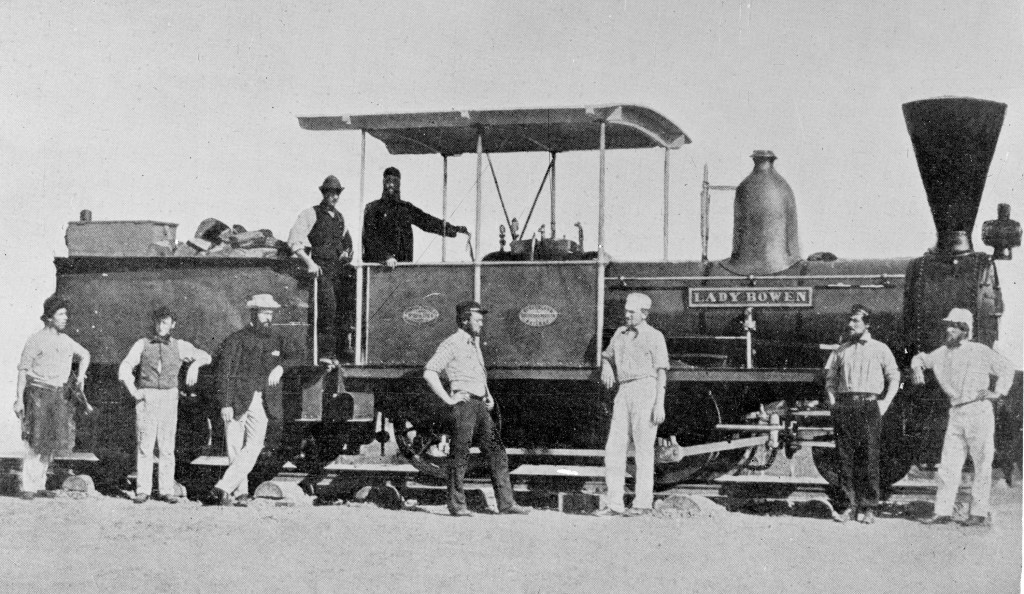
Endless places and institutions were named after Diamantina, the wife of Sir George Bowen. Naturally, a locomotive was added to the list. (Colonial men loved to lean on things. Certainly a familiarity that Lady Bowen herself would not have tolerated.)
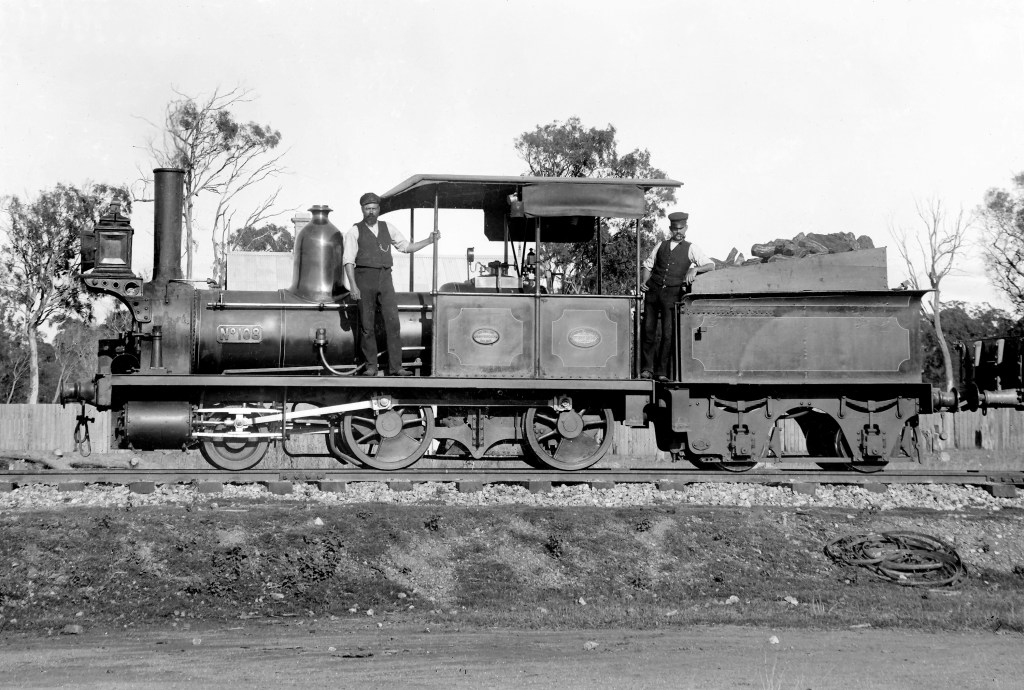
“Faugh a Ballagh,” meaning “clear the way” may, according to community feedback to the Queensland State Archives, have been the first locomotive to have been erected and fired in Queensland.
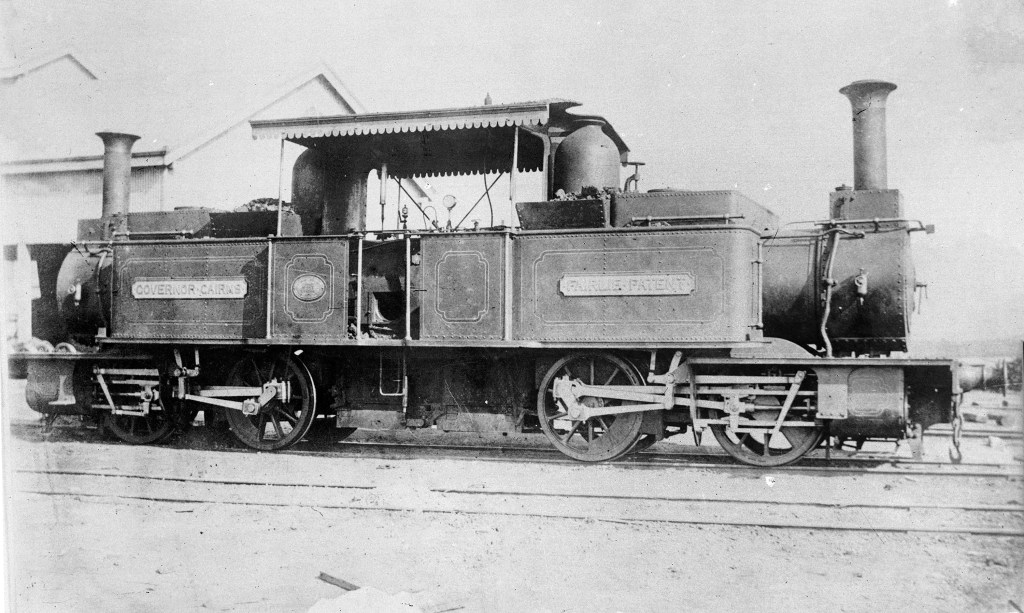
Governor Cairns was a sickly man who suffered dreadfully in the Queensland heat. Queensland thoughtfully named a tropical city after him, as well as a steam-belching locomotive.
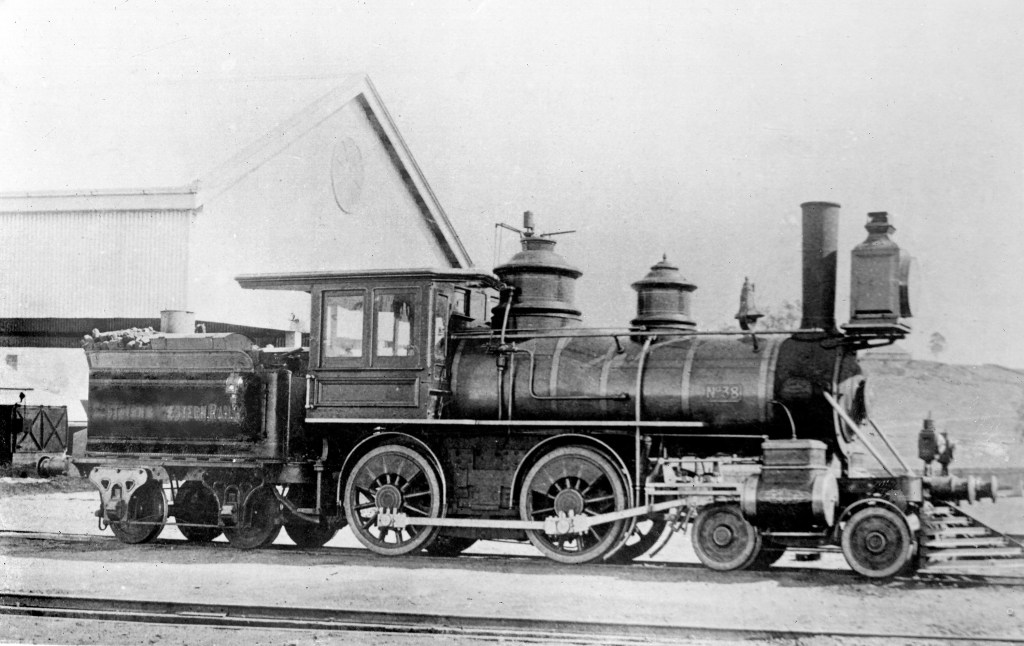
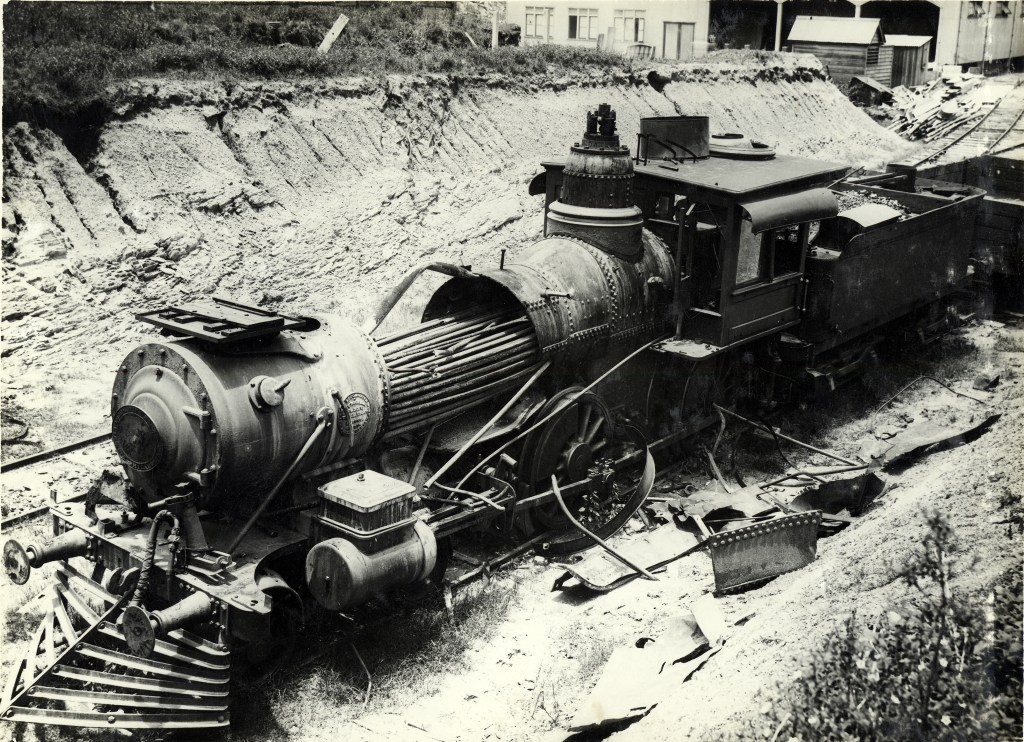
Now this locomotive means business – American-style business.
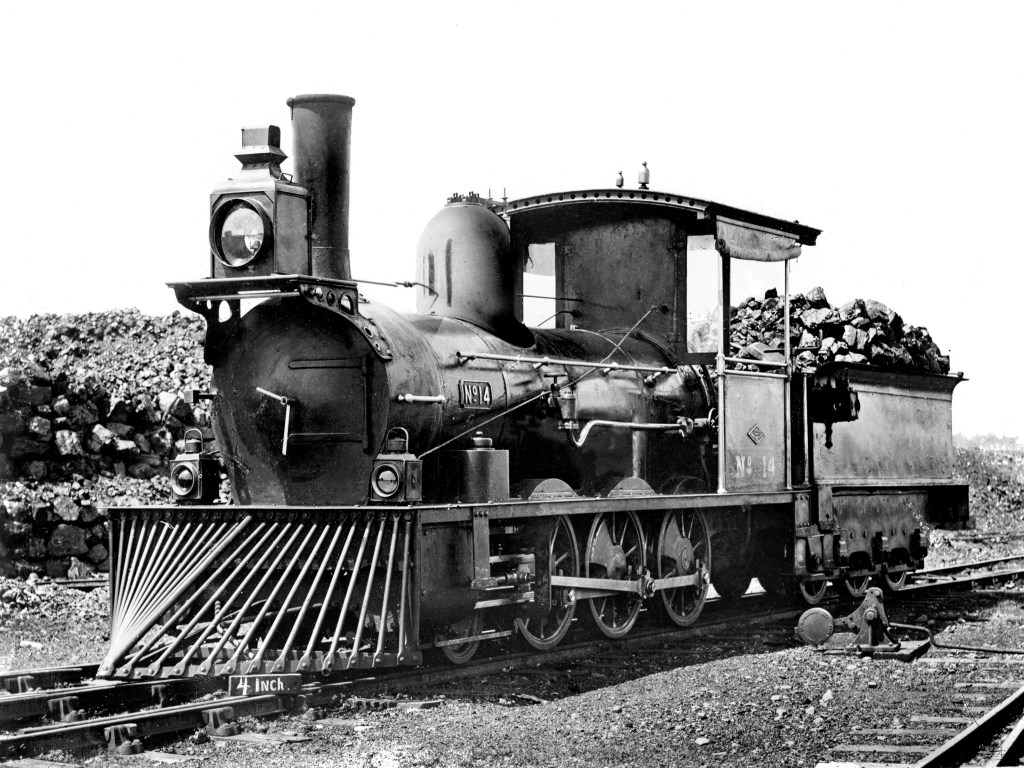
Cows of the outback, beware!
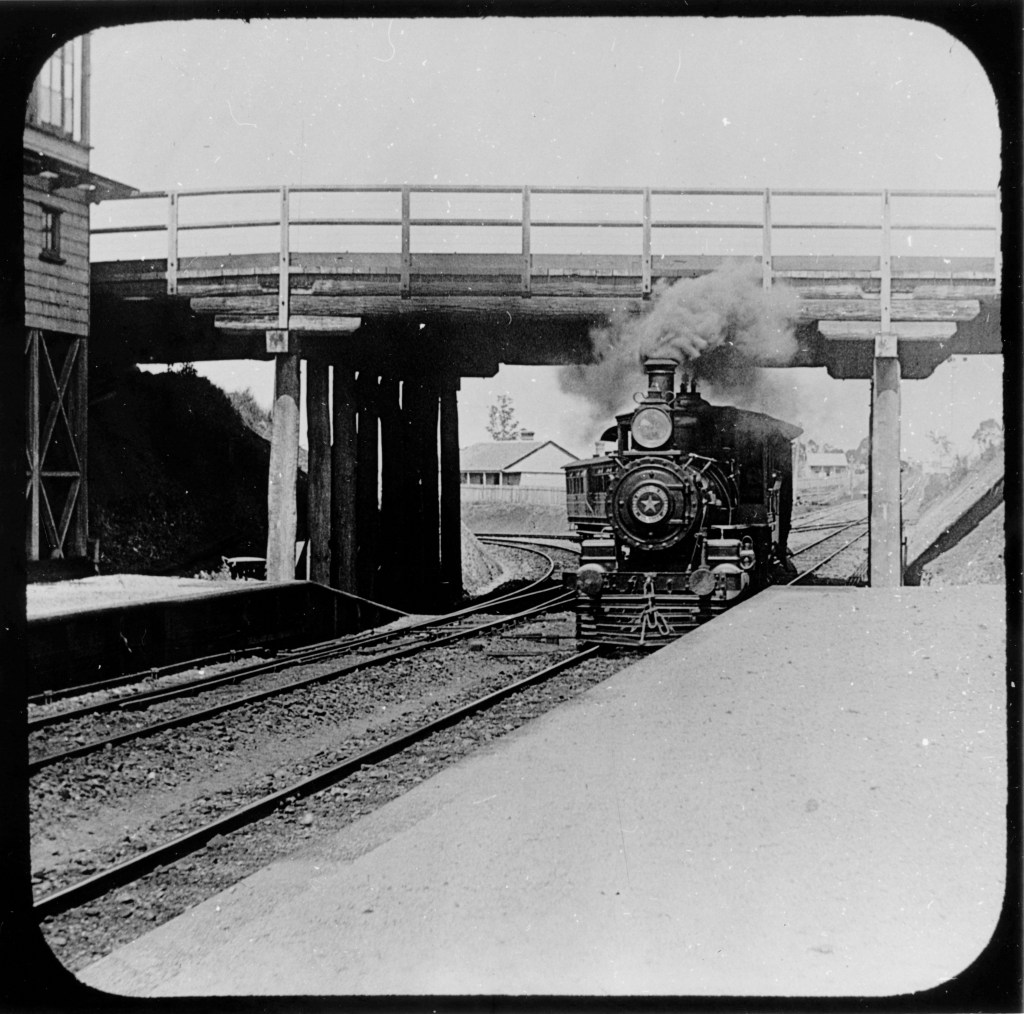
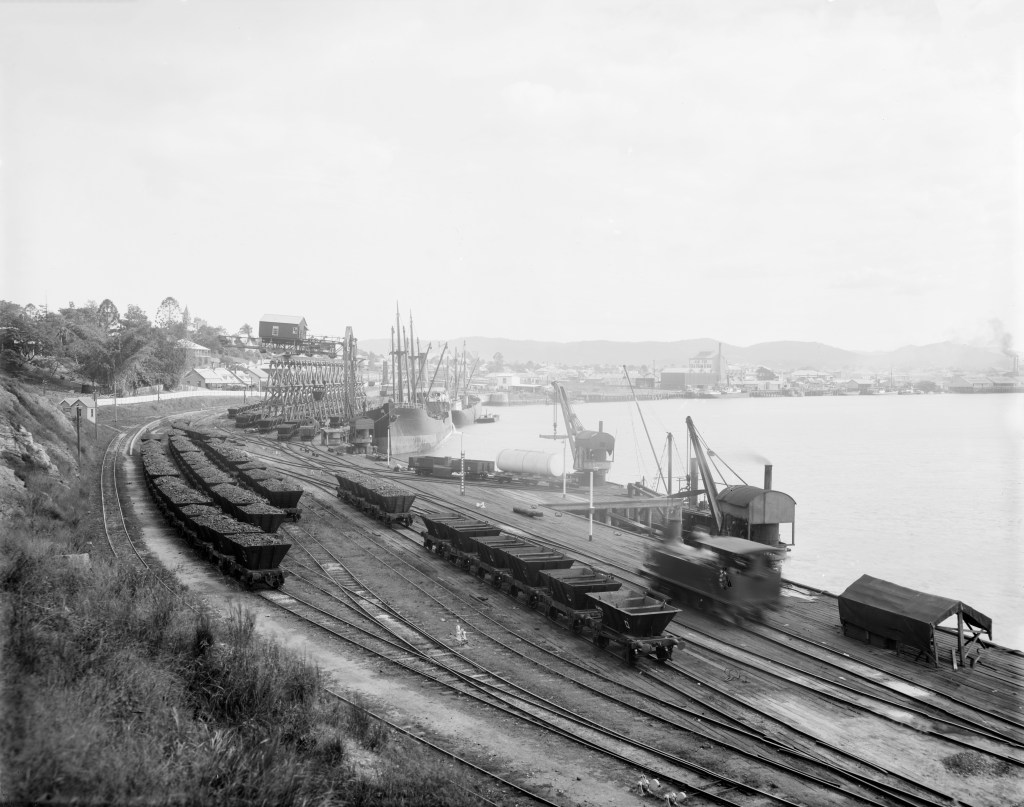
And here is the sight that few photographers were able to catch – a steam train in motion.
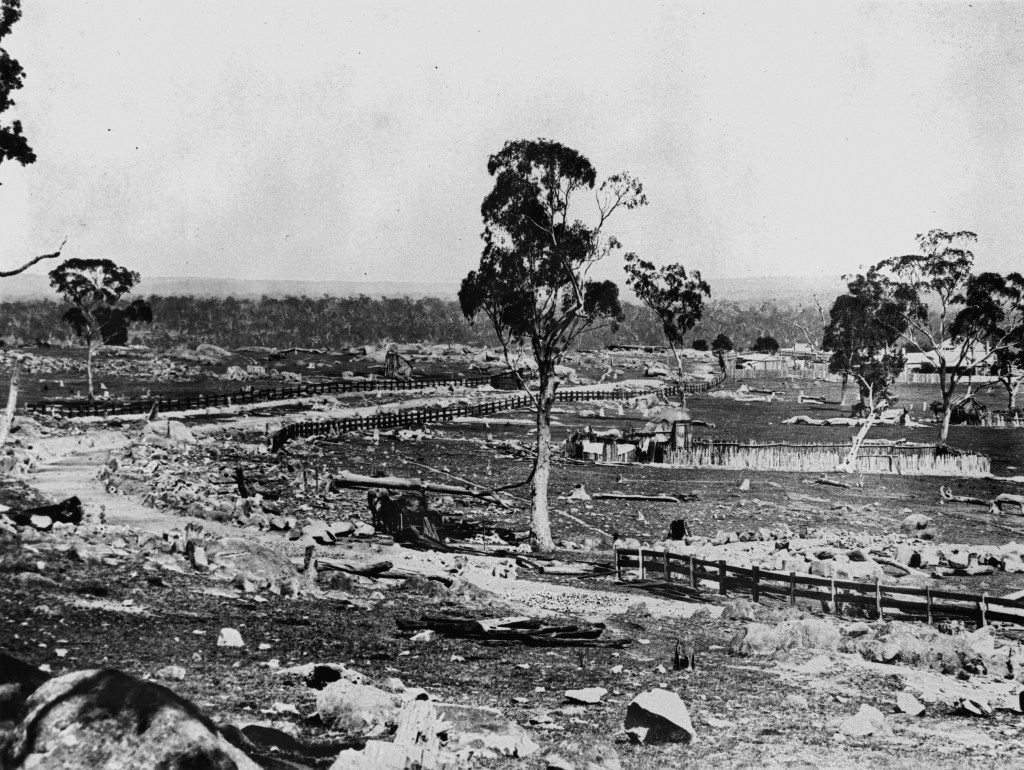
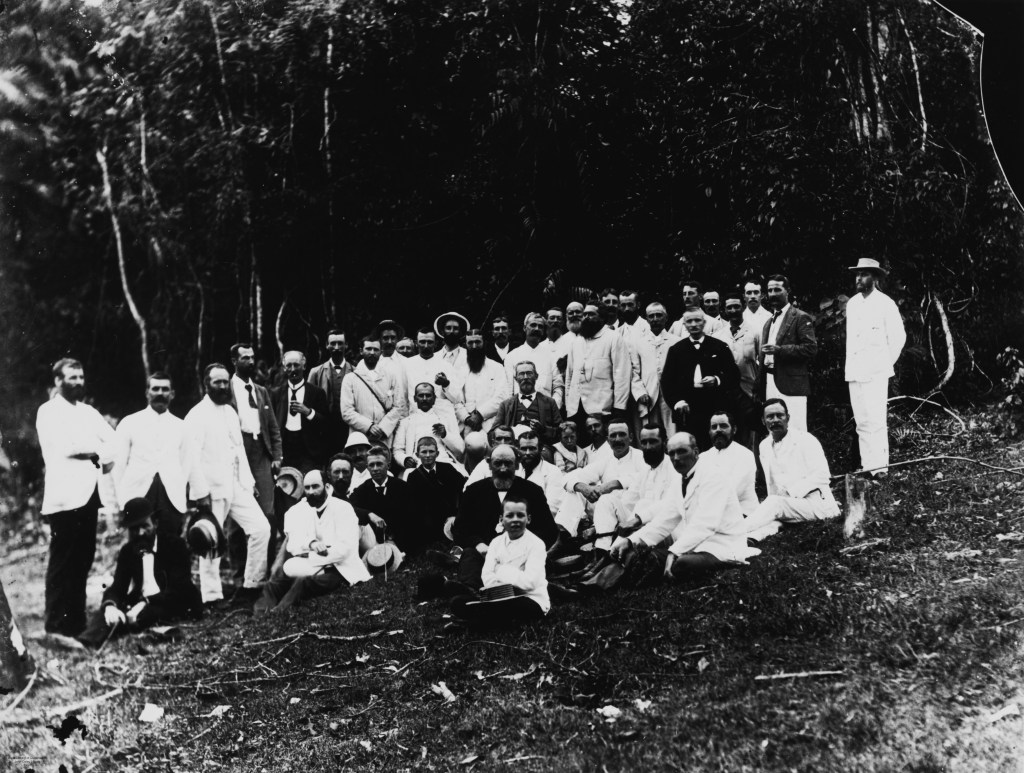
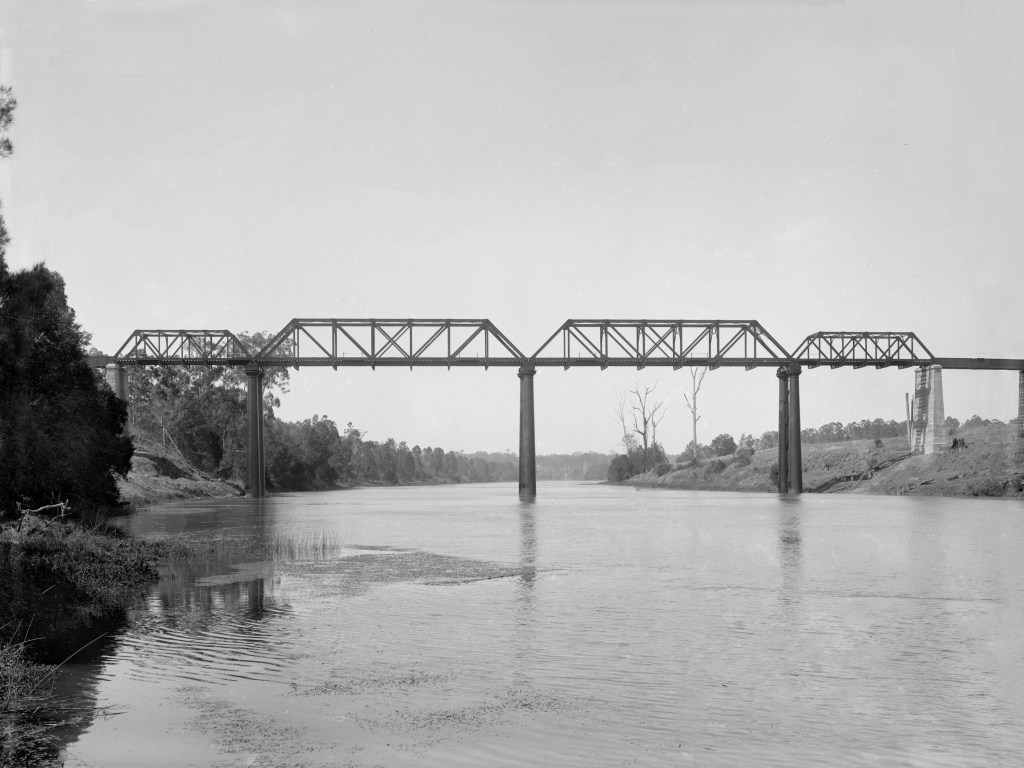
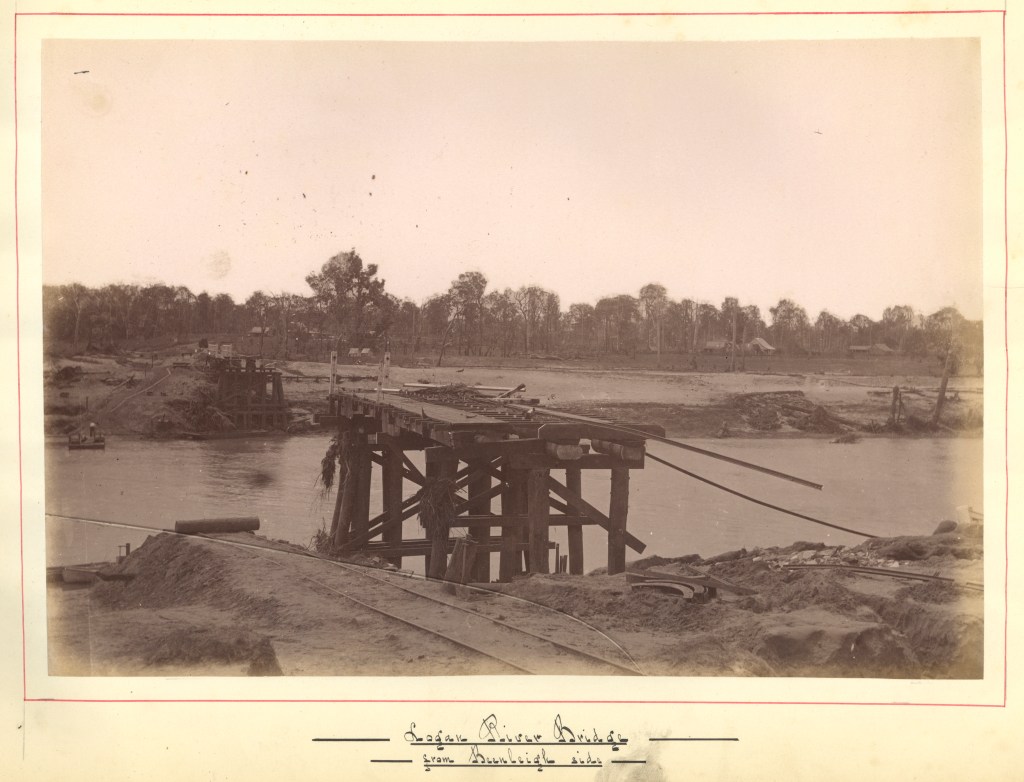
Building the railways
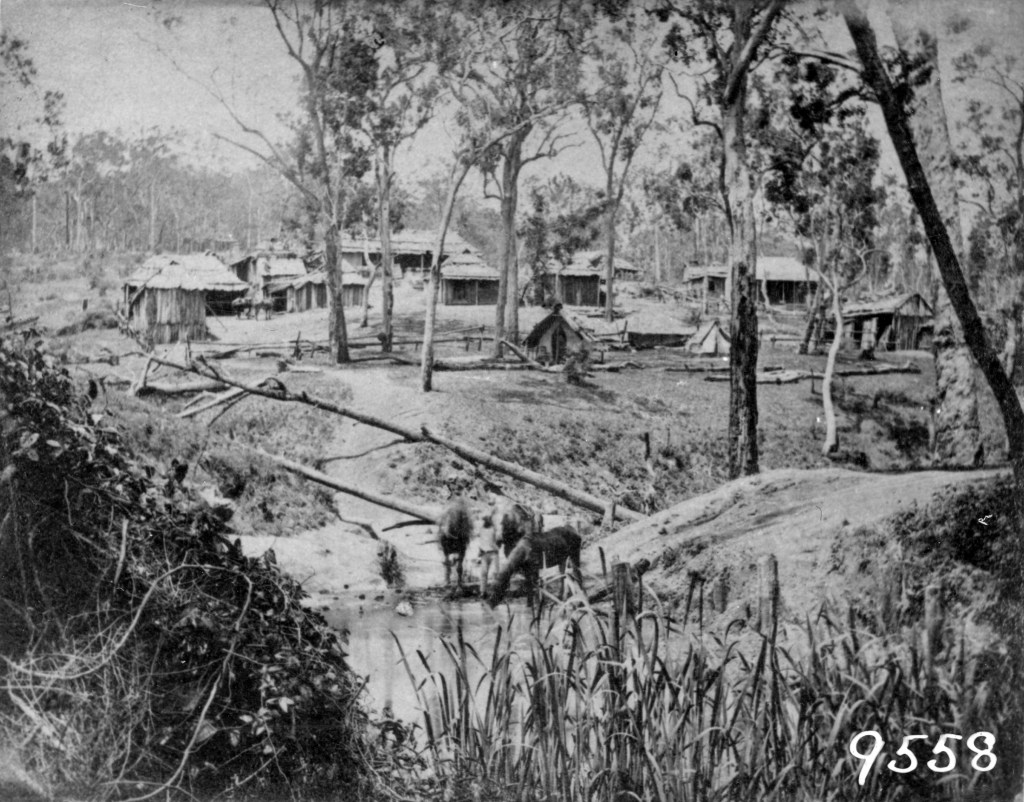
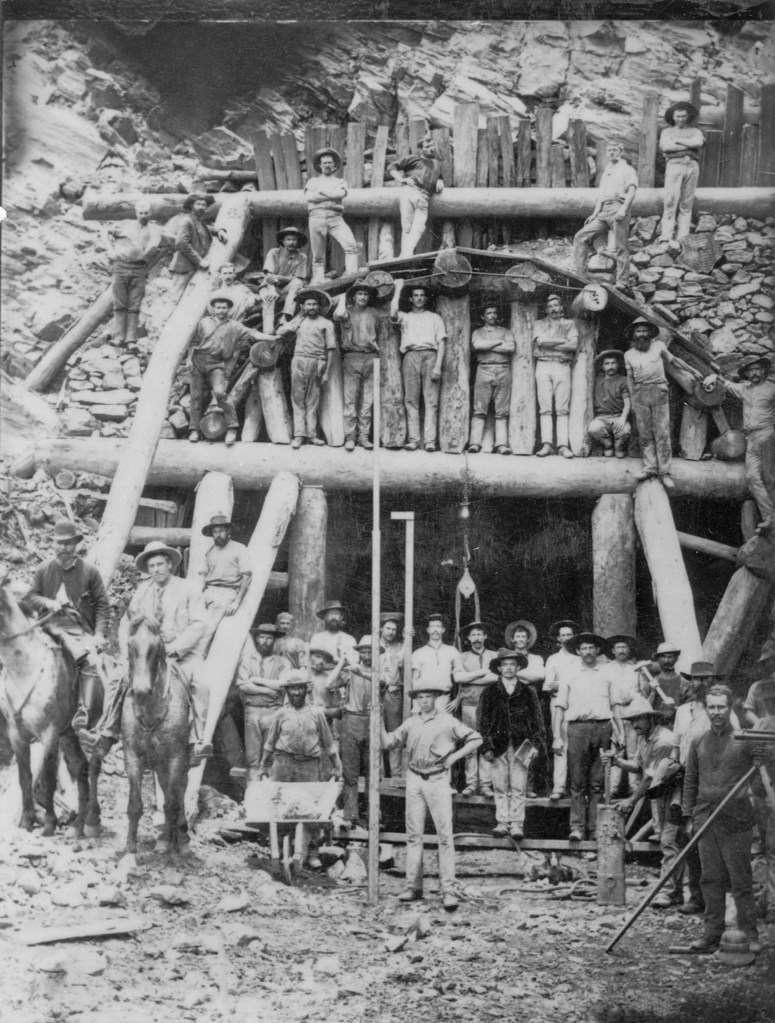
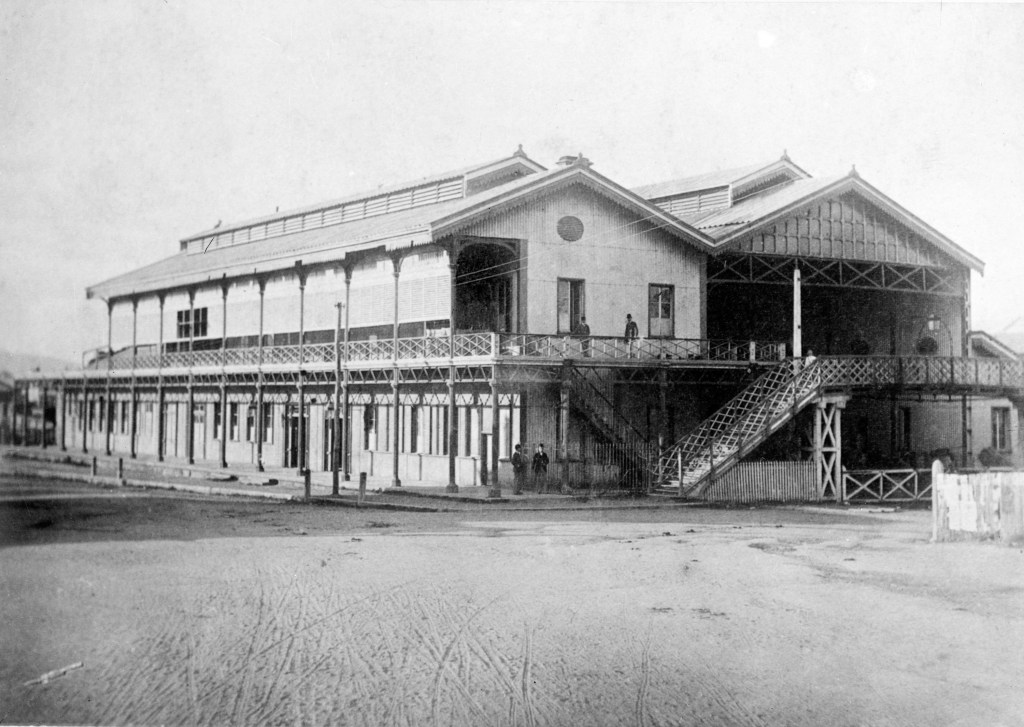
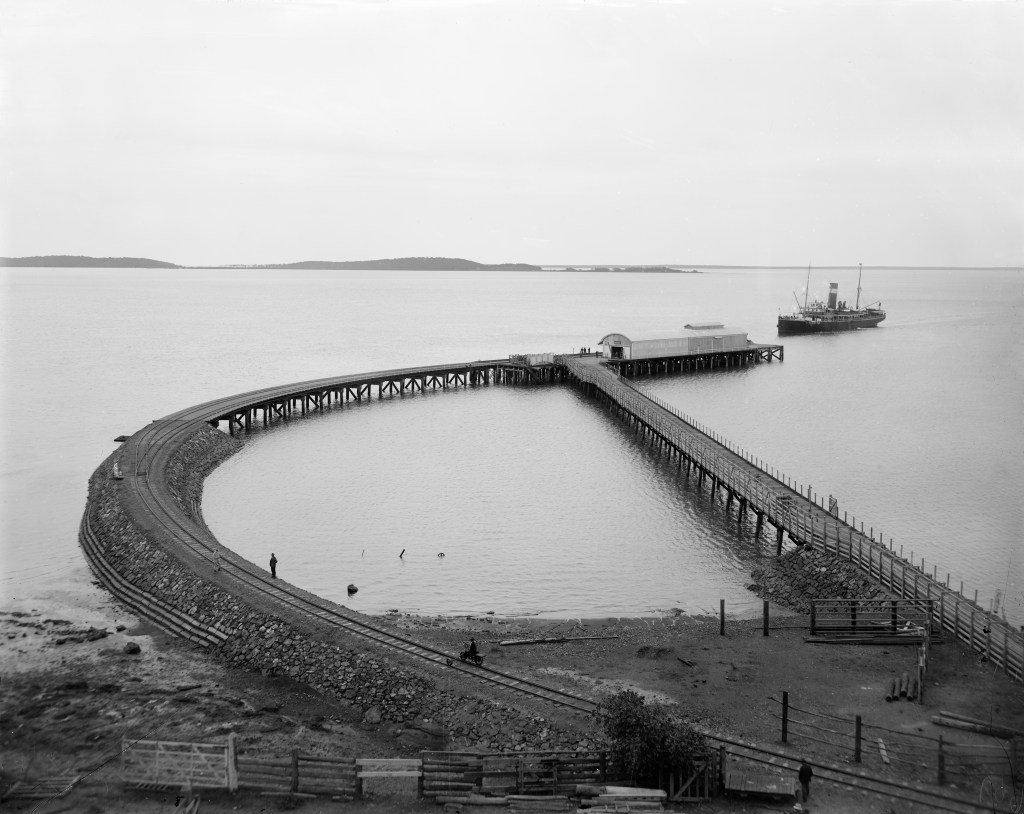
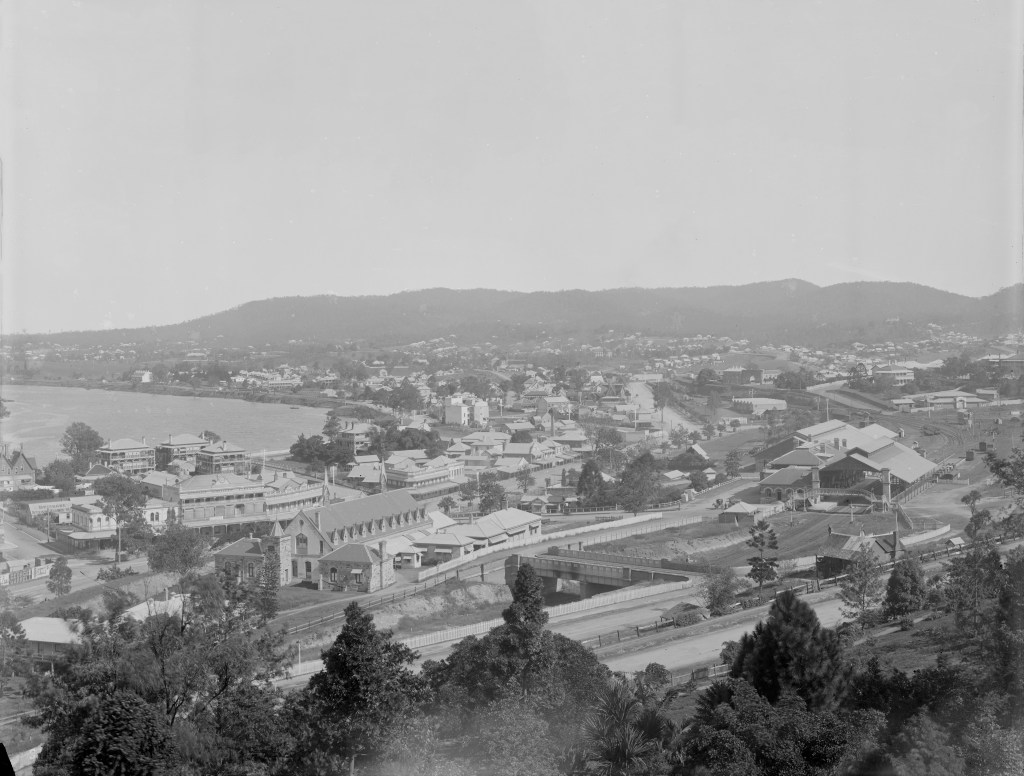
Wharves and stations
Photographs have been sourced from the digital collection of the State Library of Queensland, and Queensland State Archives (Items 1176299, 3579554, 3580094, 3580369, 3580354, 3580391, 1176296, 3580092, 3579816, 3579510, 3579755.)
 Moreton Bay and More