
The George Washington Wilson Company’s slides of the goldfields.
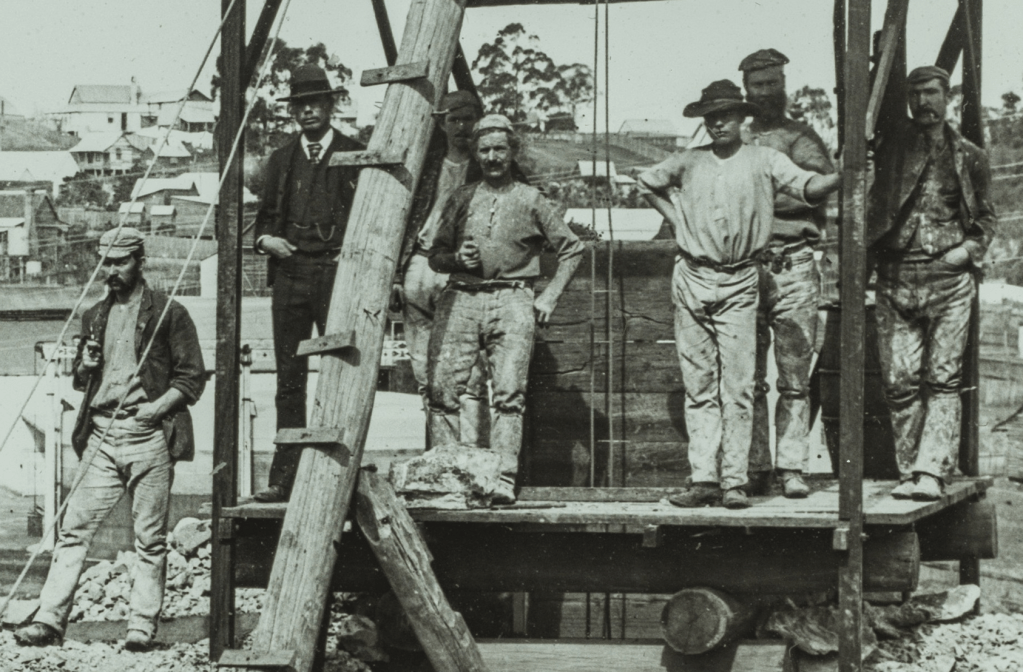
Celebrated photographer George Washington Wilson didn’t make the journey to the goldfields of North Queensland in 1890. By then, he was in old age, and the journey would have been too taxing (besides, he was making enough money to have studios under his command). One of his staff photographers, Fred Hardie, made the journey to Australia, taking in several colonies before arriving in the north.
Here are the only digitized versions available of his work, although there is an album of photographs made by him on that journey, and it is available on request for viewing at the State Library of Queensland (Box 20770 O/S).



Charles Joseph (CJ) Pound’s slides of the outback in drought.
Charles Joseph Pound (1866-1946) was a bacteriologist by profession, who travelled throughout Queensland, researching diseases in livestock. His work on tuberculosis in humans and cattle was well-respected and his papers were published here and abroad. He completed diagnostic and medical treatment of leprosy, and discovered an outbreak of bubonic plague from examining the fleas on rats caught at the Brisbane docks. His ruthless honesty caused him to clash with some of his more staid colleagues, but in his obituary he was described as the man who “saved the cattle industry.”

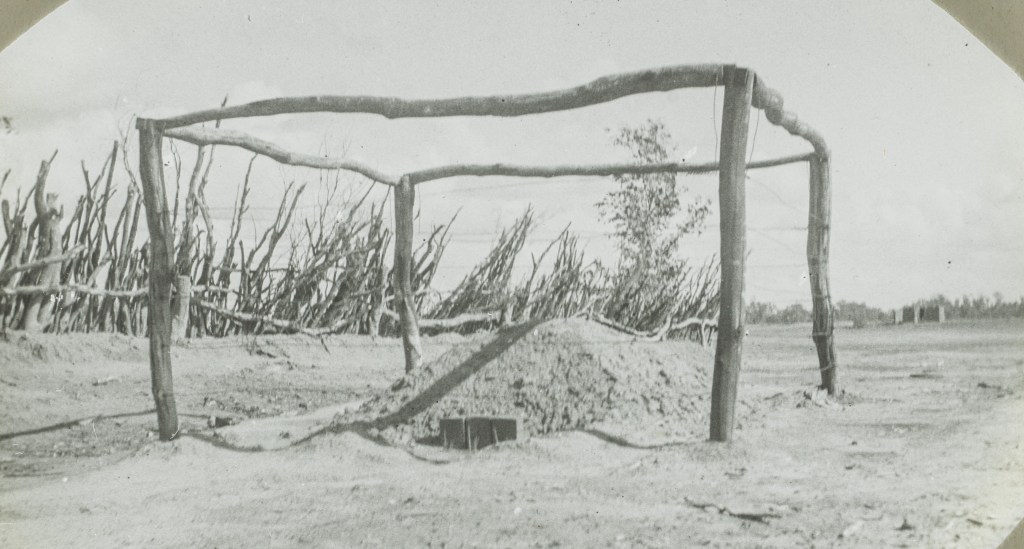
On his journeys, Pound took a series of lantern slides of the conditions in the outback, focusing on areas devastated by rabbit infestation and drought. They are a bleak set of pictures, very much at odds with the tradition of lantern slides depicting scenic “views,” but they provide a compelling view of the hardships of outback life.
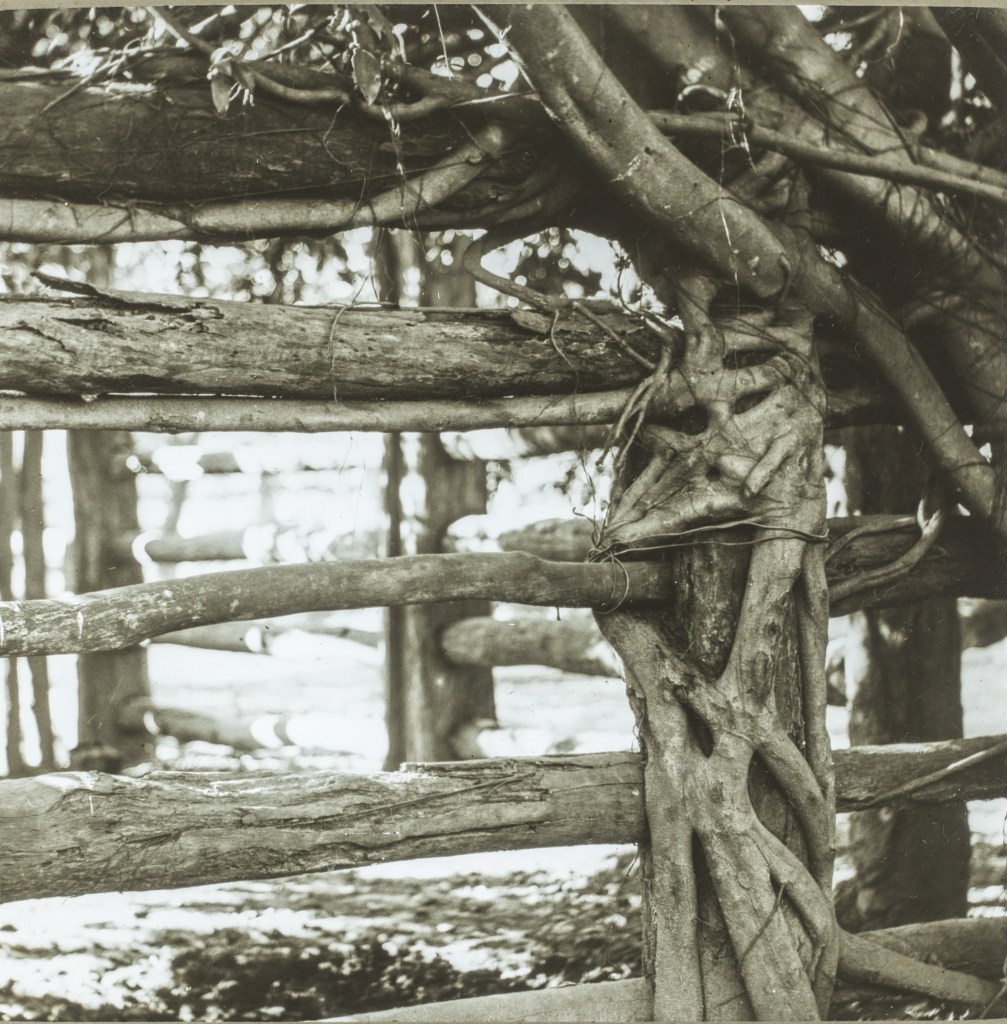

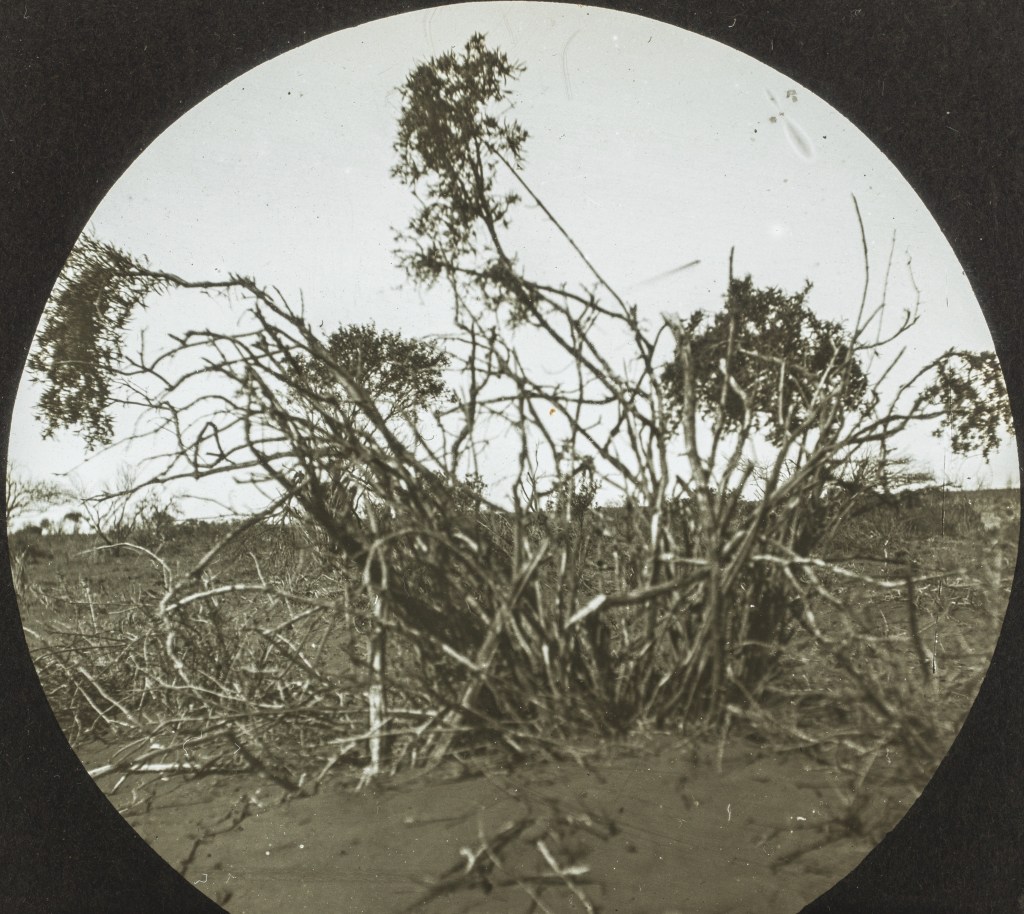


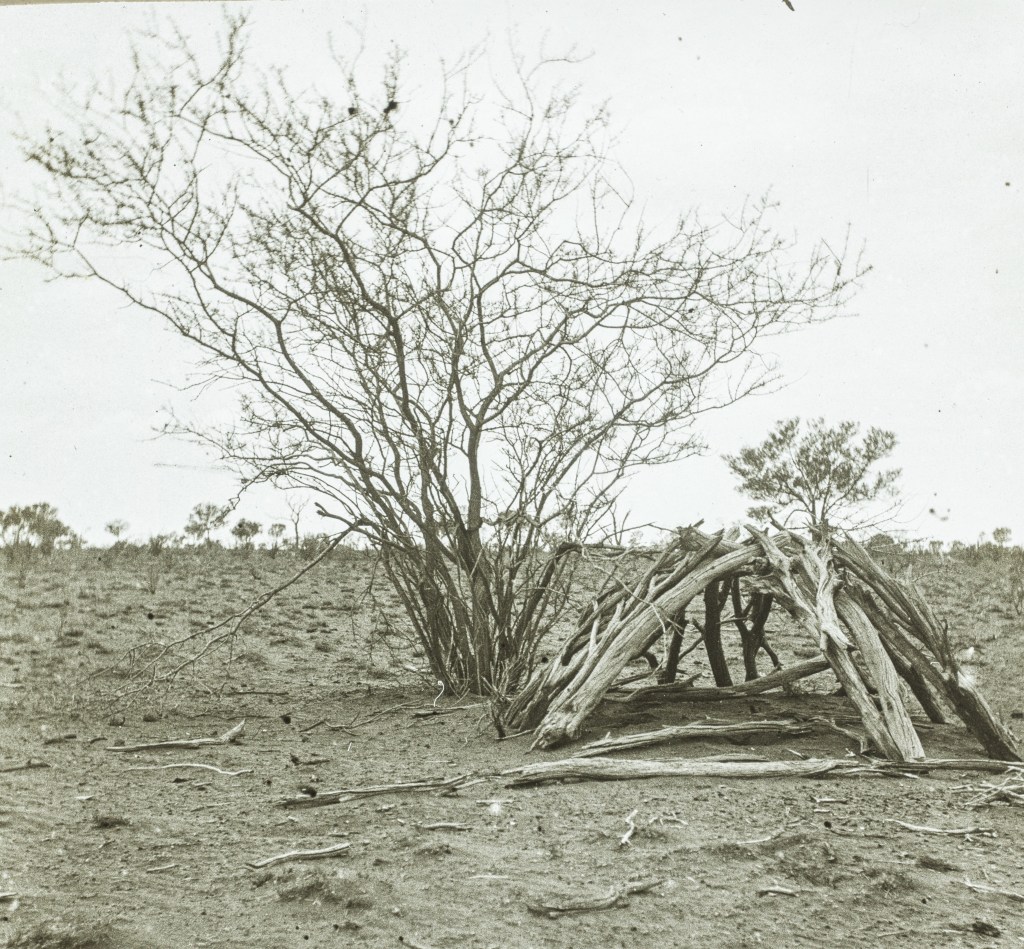

All photographs are sourced from the Digital Collection of the State Library of Queensland.
Information on Charles Pound: Beverley M. Angus, ‘Pound, Charles Joseph (1866–1946)’, Australian Dictionary of Biography, National Centre of Biography, Australian National University, 2005.
 Moreton Bay and More