
I had wanted to get an understanding of the stories occupying the news, and what made people tick at a certain point in time. I used the very scientific method of picking a date at random, and looking through all of the articles in Queensland’s newspapers for that day. The random day was 26 January 1885. It turned out that the world was preoccupied by terrorism, war, rogue politicians, disrespect for sovereign borders, fashion, weird nature stories, and social comparison.
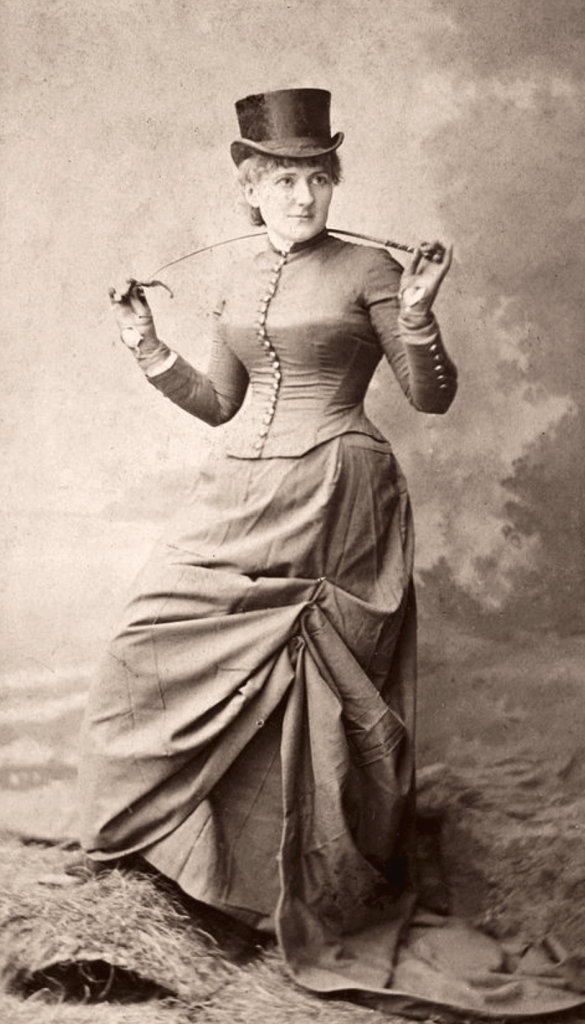
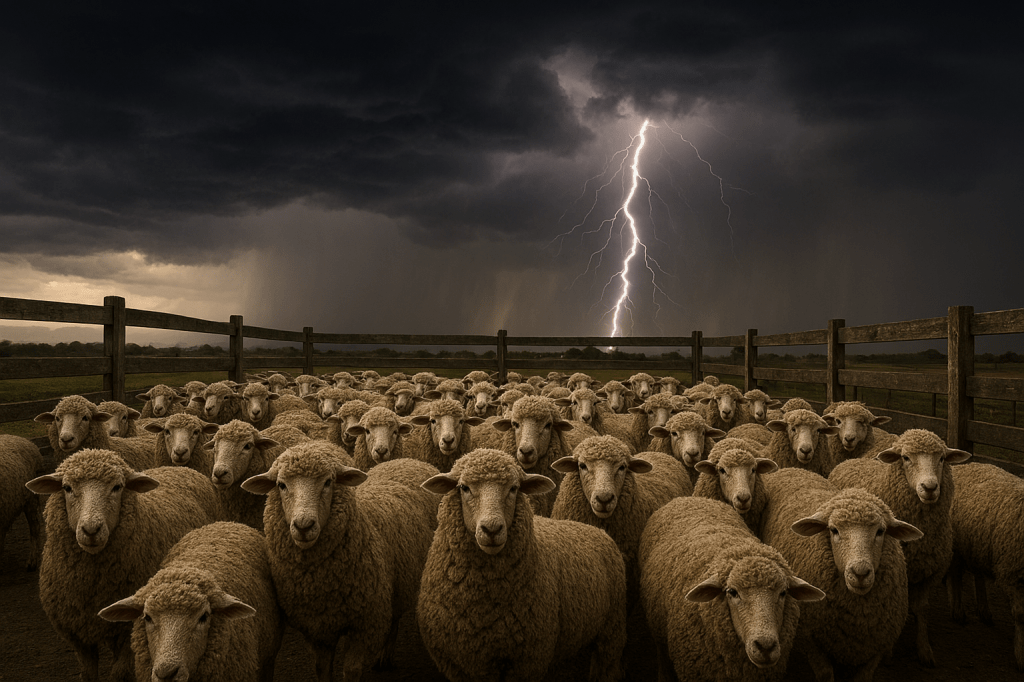
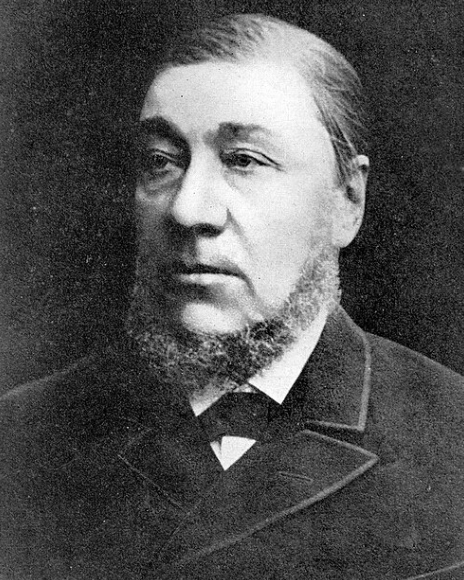
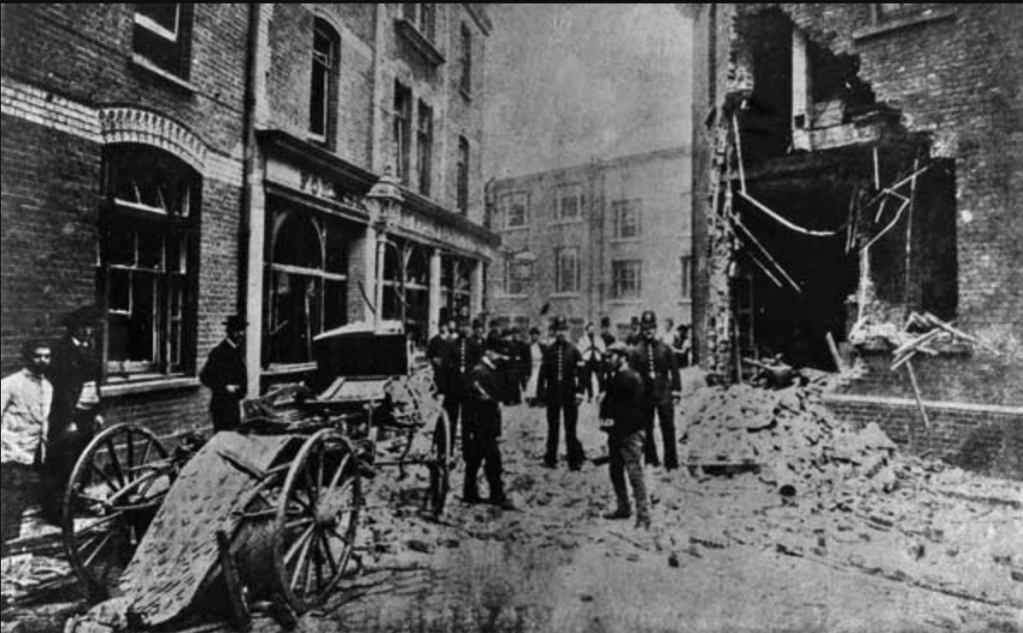

Top row: What to wear? Terrified sheep. Paul Kruger. Bottom row: Bomb damage at Scotland Yard. The Battle of Fuzhou.
The issues troubling Queenslanders in the 1880s were diverse. There had been Fenian bombing raids in London. The Sino-French war had reached a stalemate. Just who was running which part of New Guinea taxed a lot of minds. Was Austria about to set up a South Pacific penal colony? Was it appropriate for a lady to acknowledge a gentleman when he was in the process of getting his boots blacked in the street?
Here’s what the Queensland papers of 26 January 1885 were reporting:
Australia and the Dynamitards.
Dynamitards? That turned out to be a term used in that era to describe persons who planted bombs. And one of them had been heading our way.
London, January 25. Information has just been received here to the effect that a noted Fenian was arrested while embarking on a steamer at San Francisco en route to Australia, for the purpose of dynamiting Australian prisons.
There had been a concerted Fenian bombing campaign in England during the latter part of 1884. Targets had included the railway stations at Victoria, Charing Cross, Ludgate Hill, Paddington and Gower Street. Scotland Yard had been bombed – specifically the Criminal Investigation Department and the Special Irish Branch. On 24 January 1885, bombs had exploded in the House of Commons, Westminster Hall and the Tower of London. Britain was on edge. Australia, whose inhabitants were still officially British and thought of themselves thus, trembled.
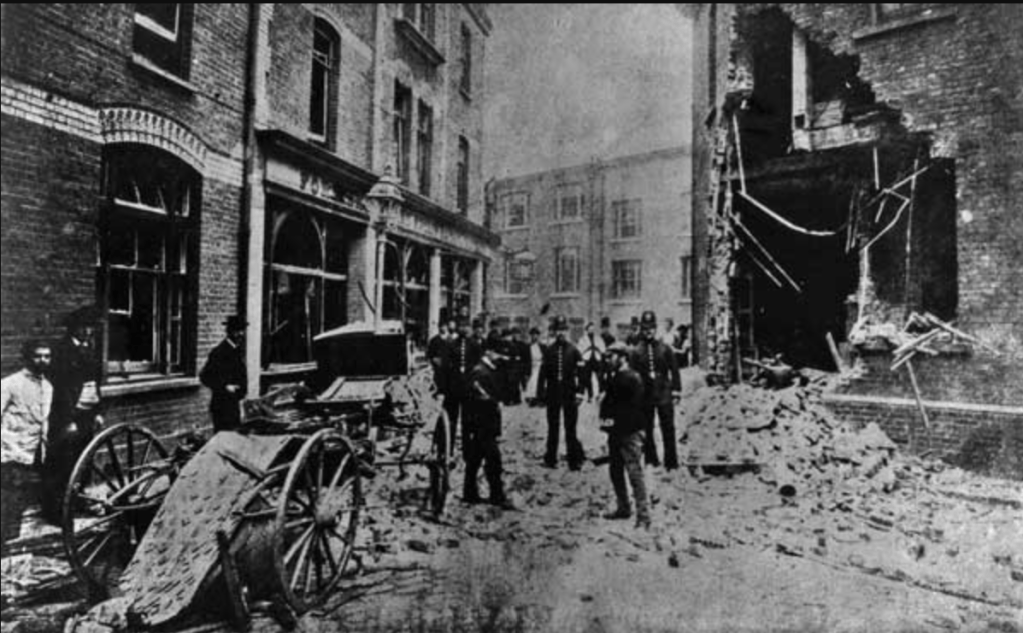
Just why someone would take the long steamship journey to Australia to plant dynamite in local prisons is puzzling. Was he trying to dismantle English rule in Australia? Trying to liberate potential brethren? Did he draw the short straw at a meeting?
News via the slow boat from China.
Australian newspapers received news from England and America via telegraph, in some cases within a day. The news from East Asia, however, arrived slowly by steamer in the form of newspaper reports.
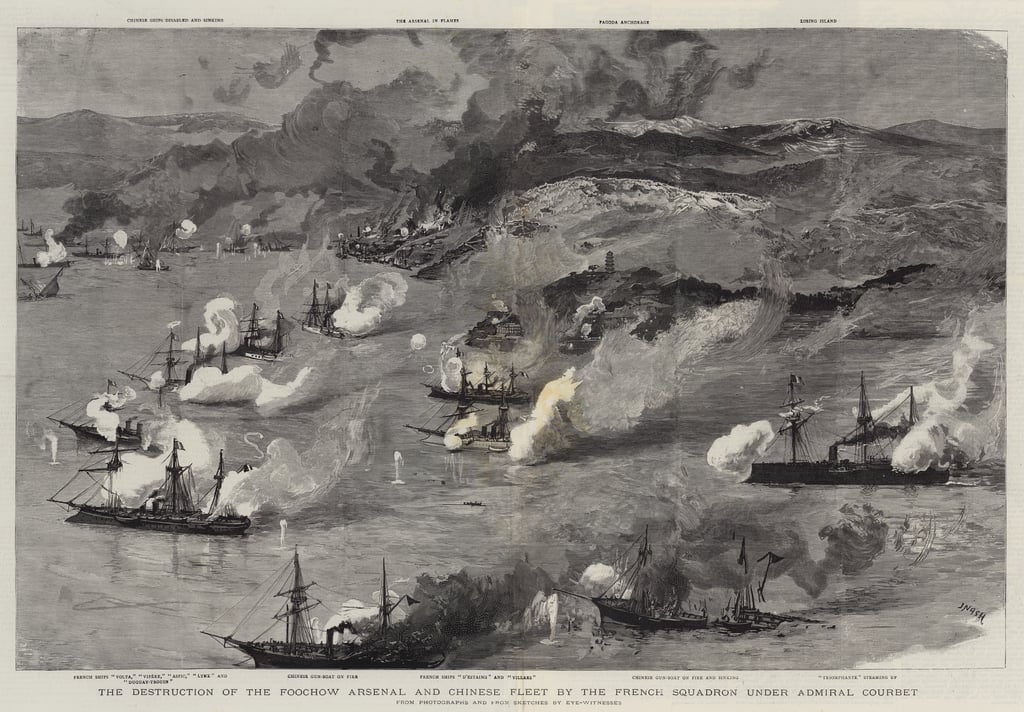
In Cooktown, weeks-old reports of the Sino-French war had arrived via the steamer Menmuir on 20 January 1885. The French and Chinese fought bitterly, but events were at a stalemate. The Chinese fleet had been destroyed by the French navy at Fuzhou the previous August, leaving thousands of Chinese people dead, and the harbour choked with sunken vessels. American and English diplomats, neither of whose countries had a dog in that particular fight, watched on with interest.
There was also trouble in Corea (Korea), at the time a Chinese protectorate state. Japan had engaged in intrigues, including, the China Mail claimed, attempting to assassinate some Corean officials. This led the Qing court to regard the Japanese as a greater immediate threat than the French. There had been riots and a destructive fire at Hong Kong. These conflicts eventually ended badly for, well, everyone but the British.
Germans, Germans everywhere.
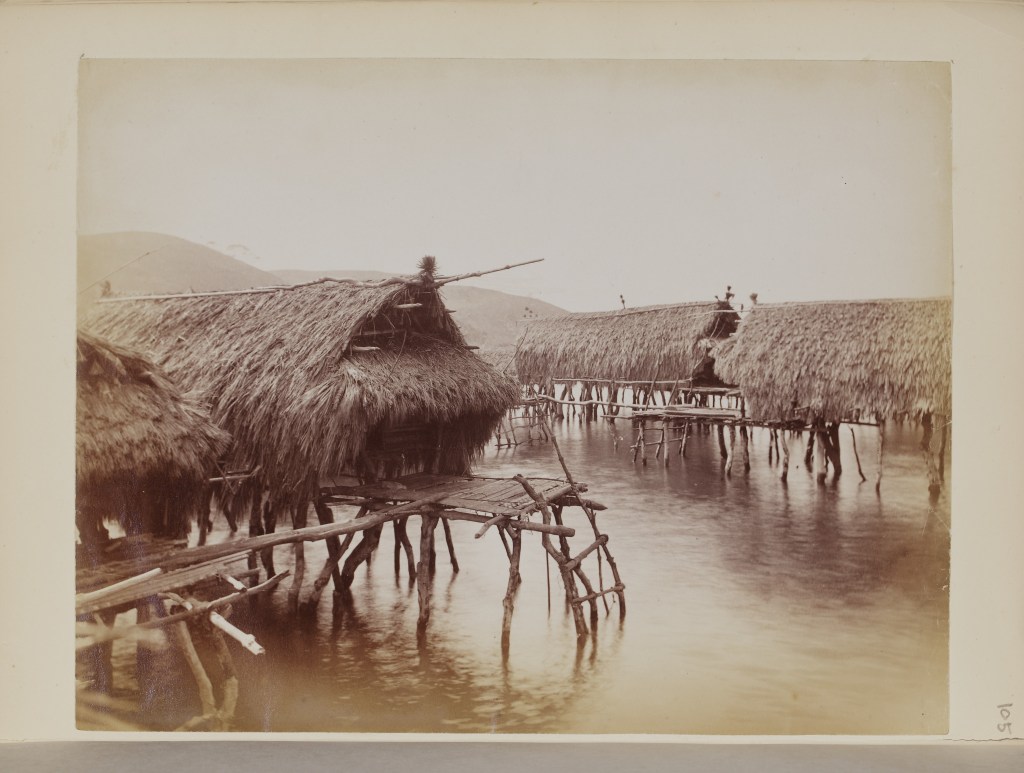
Well, in New Guinea, it seemed.
LONDON, January 21. The Hon. J.F. Garrick, Agent-General for Queensland, and Mr. R. Murray-Smith, Agent-General for Victoria, are urging the Imperial Government to try and arrange for the surrender by Germany of the portion of New Guinea recently annexed by that country.
Or were they in fact Dutch?
LONDON, January 25. t is reported that the whole of New Guinea not claimed by the Dutch will be annexed by Great Britain as soon as General Scratchley arrives at his destination. It is expected that the subsidy for the maintenance of the protectorate over New Guinea will be increased.
Who “owned” New Guinea was important to Queensland, because, as the Hopeful case showed, those islands made for rich pickings for “labour recruiting.”
Well, the Germans were definitely sending ships. Passenger ships, that is.
The sub-committee appointed by the Reichstag to consider the details of the Transoceanic Ship Subvention Bill have drawn up a report subsidising a steamship service to Australia, via Africa.
German immigration was considered to be a Good Thing (1066-style), but German claims on New Guinea were a Bad Thing.
The language of colonisation.
Meanwhile, let’s carve up the Pacific for ourselves. Whether the inhabitants of the islands like it or not.
It is rumoured that a conference of the Great Powers will shortly be held in London with the object of placing the unappropriated islands of the Pacific under international control.
Unappropriated? Wow. Mind you, the Solomons could breathe easy for a time.
At present it is the intention of the British Government not to meddle with the Solomon Islands. A White Book on New Guinea is in the course of publication.
A White Book sounds ominous.
Meanwhile, the Austrian Government was thinking of setting up a penal settlement in the southern oceanic regions. Inquiries were being made. Apparently they didn’t succeed, what with all of the other Great Powers poking around the place.
Damned foreigners.
Apart from leaving the Solomons alone for now, and carving up the islands of New Guinea, the Foreign Office in London made the following pronouncement, duly reported in local papers.
The Governors of the Eastern colonies have been warned by the Imperial authorities to enforce the provisions of the Act to prevent the enlistment of British officers and men in the service of a foreign country.
Cheek of them!
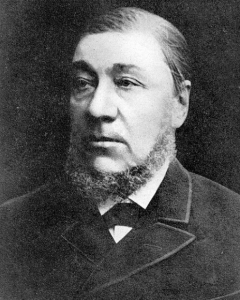
In the Transvaal, it was reported, Mr Paul Kruger, a Boer leader and possibly the most ardently Afrikaner person anyone had met to that point, informed the inhabitants of Goshen that any insurrectionist behaviour would be met with severe measures.
The inhabitants of Goshen informed Mr Kruger that disorder was the last thing they wanted. Both sides retreated to their corners. There had been discord over the Goshen area, with the British claiming protectorate status over the region, Kruger claiming it for the Boers, the raising of a flag, and the lowering of a flag. The Transvaal dispute ended badly for, well, everyone but the British.
Reckless Shutter-Closing in Rockhampton.
In Rockhampton, a great evil had been observed, and brought to the attention of the Bulletin:
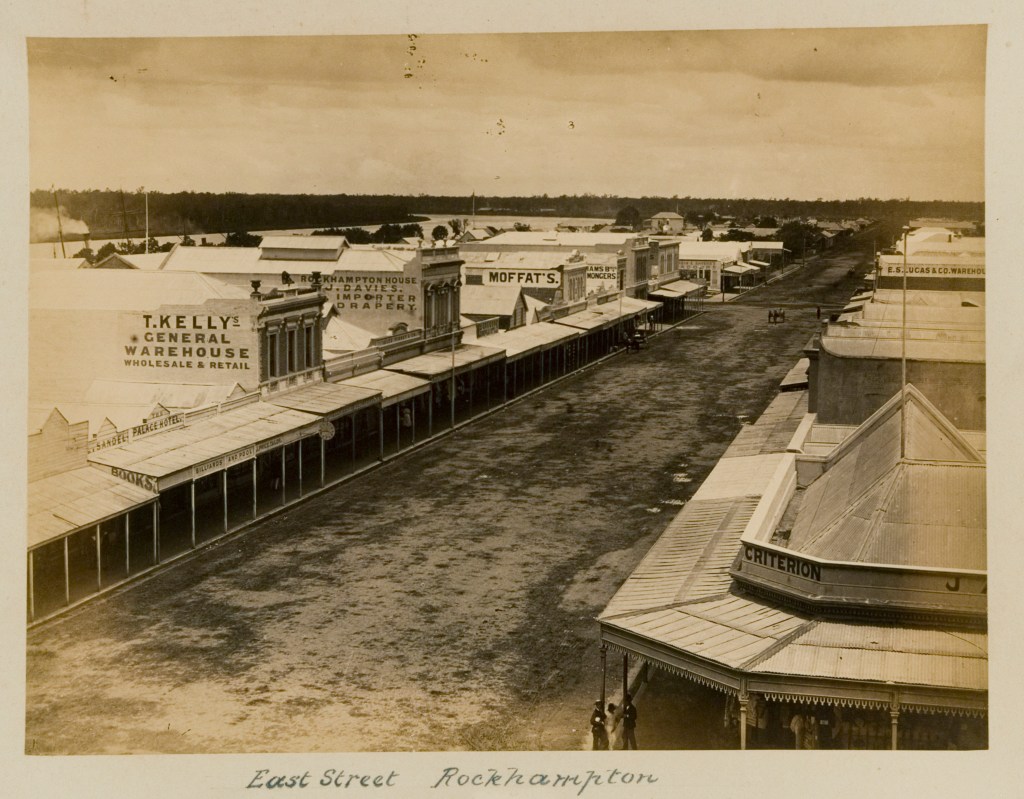
CULPABLE CARELESSNESS.
TO THE EDITOR OF THE MORNING BULLETIN. Sir, I think some kind of caution should be given to shop assistants, whose duty it is to put up the shutters of their various places of business, about the carless way in which many of them bring out their shutters, and thereby endanger valuable lives, especially in East Street on Saturday night, when the thoroughfare is crowded.
On Saturday night last I saw a young woman violently struck in the chest with a heavy shutter bar by the person engaged closing one of the largest establishments in East Street. The fact is, these young men are in such haste to get away they hurry out their shutters, and care not a bit whom they knock down. Steps should be taken to prevent the repetition of such accidents, and thereby perhaps injury for life to some passer-by.
I am, &c., FOOTPATH.
Local News: Dazed sheep, unexpected catches, Frankenstein, and willing Highlanders.
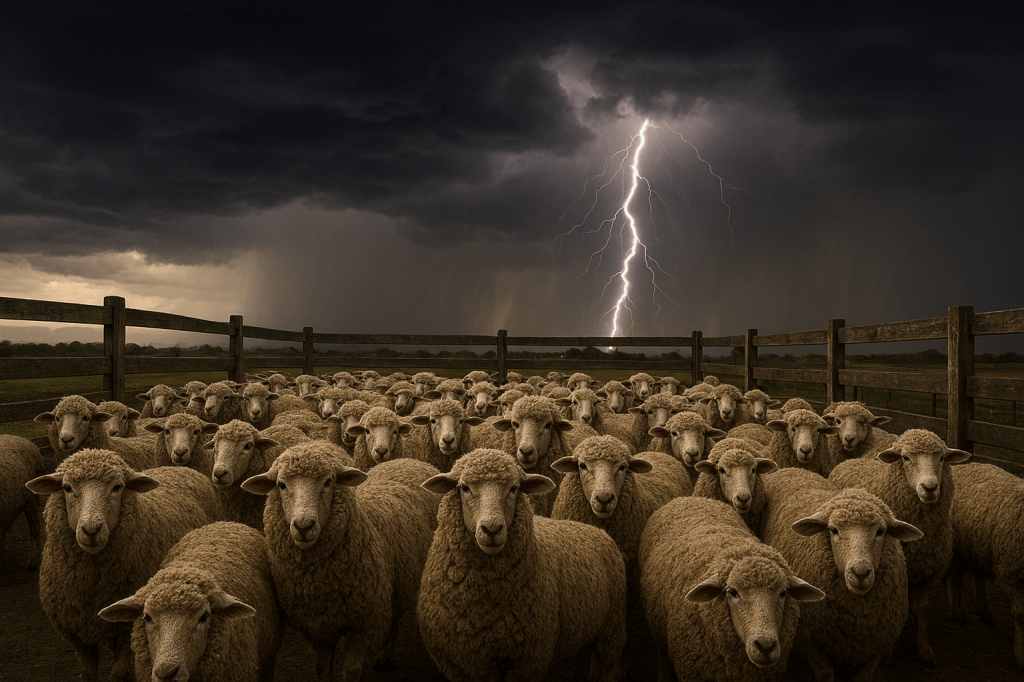
Mr McLellan of Blythedale station reported that some of his penned sheep had been struck by lightning in a thunderstorm. He seemed rather surprised that the rest of the sheep were “almost dazed with fear.” I don’t imagine that sheep are necessarily the most perceptive of animals, but experiencing thunder, lightning, and the loss of quite a few of your fellow-creatures might have had a negative effect on the general morale in the sheep pen.
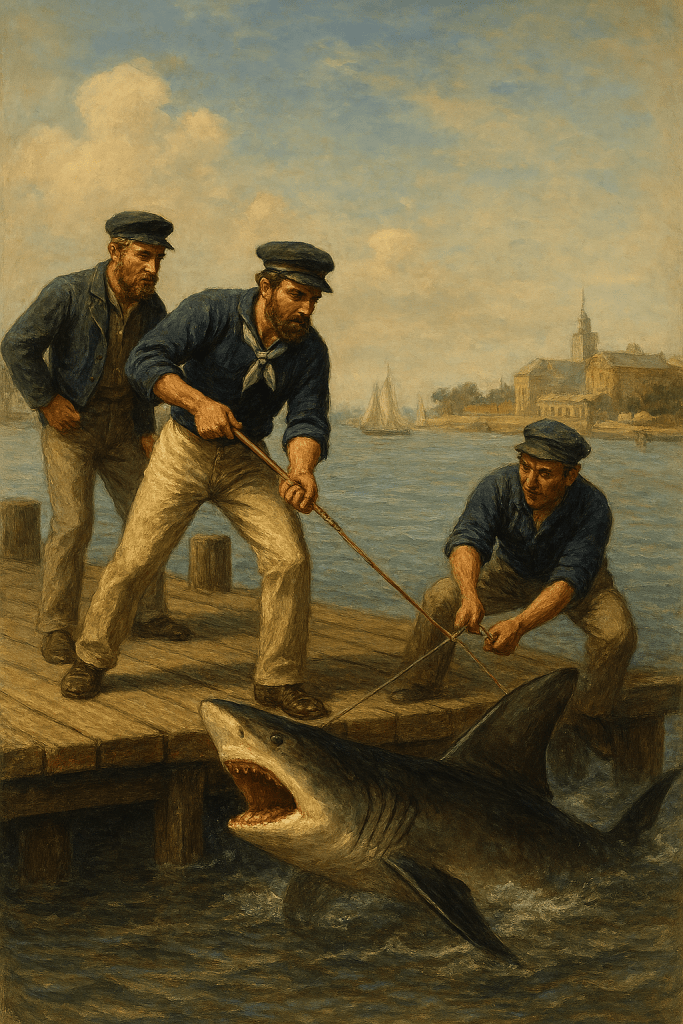
A group of sailors from the Governor Blackall had spent a pleasant Saturday afternoon fishing from the A.S.N. Wharf. Until they reeled in a very large shark, that is. “Those in the habit of bathing in the river should be particularly cautious in taking their dip,” advised the Maryborough Chronicle, solemnly.
The Volunteers were an interesting bunch. Some were prone to accidentally shooting things and people they shouldn’t have when their regiments made them conduct target practice in suburban areas. Others made themselves a target for larrikin mockery whenever they marched about conducting drills.
Perhaps another breed of men should be recruited. Stalwart men. Men who would be less likely to terrorise the residents of Spring Hill with stray shots, or wake up Hospital patients with their infernal noise. Men who could stay cool in a crisis, thanks to their nicely ventilated kilts (so sensible for the climate).
A Highlander Brigade.
TO THE EDITOR.
Sir, – Now that our Defence Force is undergoing a thorough renovation, it may not be inopportune to suggest the formation of a Highlander regiment. There are hundreds of stalwart Scots in Brisbane who would at once enlist in such a regiment, who, under the present arrangement, take little or no interest in Volunteer affairs. Such a regiment would provide what is most needed, an efficient corps of riflemen. Trusting you will find space for the above in your valuable paper.
Yours, &c., A.C.G.
South Brisbane.
Meanwhile, in St George, the locals were regretting the departure of Mr Frankenstein. They held a banquet for him. Toasts were offered and accepted. Songs were sung. Dances were danced. Who Mr Frankenstein was, what he had been doing in St George, and why he was leaving, was not revealed in the article in the Daily Observer.
For the Ladies.
The Rockhampton Bulletin’s Ladies’ Column gave an exacting breakdown of fashion trends, social norms and potato salad preparation. The description of the bonnets alone caused me to spend a miserable hour trying to find examples, and ending up on Pinterest.
Fashions in hats.
The peaked, gable-brimmed poke is the coming bonnet, and the determined rival of the Fanchon.
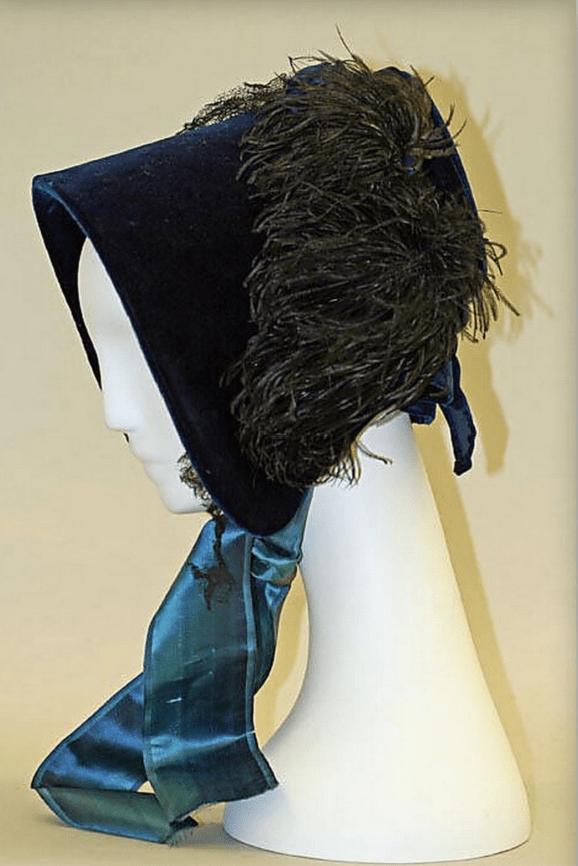
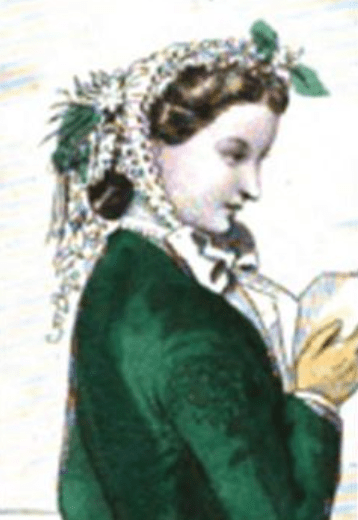
If ladies were very daring, they could try this out on their next social gathering:
A novel fancy in bonnet trimming is to put rosettes, bows, bands and choux of pinked cloth on felt or cloth bonnets. This makes a lady’s bonnet look like a big pen-wiper, but its originality is received with favour.
As long as no-one wiped their pen on your bonnet trim, you were fine.
Children’s fashions.
Little girls’ hats and bonnets are not so large as those of last season. The pointed fish-wife poke and the turban are favourite shapes.
I couldn’t find a pointed fish-wife poke. Sorry. And I cannot imagine any child in Rockhampton being decked out in whatever it is that the author is describing below:
Velvet and velveteen casques in the Louis XV and Louis XIV shapes, handsomely trimmed with point de Genoa, and Irish crochet laces, are the popular, dressy overgarments of small boys and little girls.
Never mind. If the kiddies couldn’t wear their Louis XV shaped velveteen casques in Rocky, surely a novelty fur would be just the ticket for the Tropic of Capricorn:
Grey krimmer, black Astrakhan and Persian lamb and chinchilla come among children’s fur novelties.
Cups, manners and potato salad.
The author pauses to reproach to those so unfashionable as to still use rounded or deep cups for their tea, breakfast or coffee sets, “whether of silver, porcelain or delf.” Get low and square cups, ladies.

The complexities of social interaction are probed. Is it proper to be a touch rude in the following situation?
There has been some discussion as to whether a lady should recognise a gentleman while he is having his shoes blacked on a street corner. Gentlemen have taken off their hats to ladies under such circumstances and have received the cut direct.
Perhaps it’s not acceptable to take notice of a person when they’re in close proximity to a working-class person, particularly when the working-class person is working on something that is worn on the person of the person you’re wondering whether to notice.
A final flourish is a truly horrible-sounding recipe for potato salad.
POTATO SALAD (French style). Cut a dozen of cold boiled potatoes into slices form a quarter to half an inch thick. Put these in a salad bowl with four tablespoonsful of good vinegar, six tablespoonsful of Lucca cream oil, one tablespoon of chopped parsley, white pepper and salt to taste. Stir well together till all is thoroughly mixed and set aside for three hours.
Gosh. Salt and pepper. Spicy!! Lucca cream oil is probably a relative of olive oil, if my earnest internet searches are accurate. (Either that or it’s some kind of face cream.) Hmm. And setting the salad aside for three hours in tropical heat would make for an interesting dining experience indeed.
Bombs still explode, wars still occur, and large nations still eye off smaller nations with a view to taking advantage of resources or strategic locations.
On the bright side, dining has improved, and clothing is more comfortable now. And, rather than relying on a newspaper column to advise on manners and dress, there are now legions of people on the internet, eager to advise us of our fashion errors and social wrongs almost instantly.
 Moreton Bay and More