
Two teenaged criminals who went from Moreton Bay to Norfolk Island.
[This is the second in an occasional series that examines the fates of the convicts who had “to Norfolk Island” written against their names in the Moreton Bay Register.]
Two of the convicts who went to from Moreton Bay to Norfolk Island arrived in Australia as 15-year-olds. Both young men had been found guilty of larceny in England, and both were given seven years’ imprisonment, which became a one-way ticket to New South Wales. Both boys fell in with hardened criminals, and both spent their teens absconding from work gangs. Eventually, both reoffended and went to penal stations. Both died aged 29.
John Sharp, aged 15.
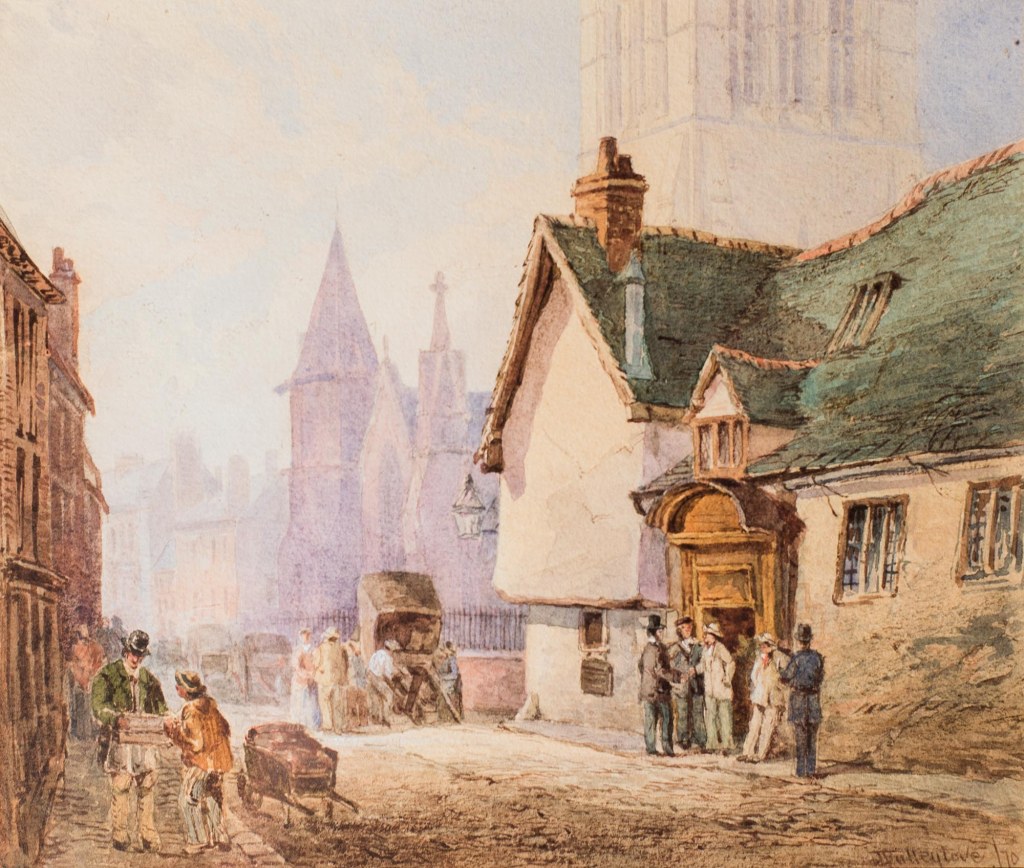
John Sharp (also Sharpe) arrived in New South Wales on the convict ship John, aged 15. The very little we know of him suggests that he was a Dublin-born errand boy, who was convicted in the Lent 1827 Assizes at Leicestershire for larceny. He had stolen a hat in a shop in Waltham on the Wolds.
John Sharp was given seven years’ imprisonment, and in May 1827, he was moved from the Leicester County gaol to Chatham. Someone in authority decided to send the boy to New South Wales as a felon, and he duly arrived in November 1827.
When John arrived in Sydney, he was 5 feet 2 ¼ inches, and had a ruddy, pock-marked complexion, with brown hair and grey eyes. Perhaps somewhat excited by his new status as a felon, he was sporting the tattoo “JS 1827” on the inside of his right arm.
John Sharp was assigned to Joseph Bigg (also Bigge), a settler who had been Lachlan Macquarie’s coachman, and who now ran a livery stable and lodging house in Sydney. He didn’t stay in Sydney with Bigg for long. A year later, he was on a working gang, absconded, was caught, and was sent to Parramatta to work on the road gang. Sharp spent 1829 and 1830 working on, and periodically absconding from, his road gang in Parramatta.
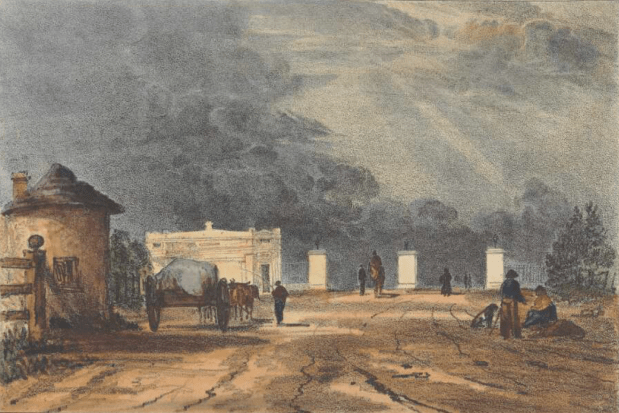
In April 1831, Sharp was arrested for breaking into the dwelling of Edward Kelly with intention to steal, thereby putting the householders in bodily fear. He was sent from Parramatta to Sydney for his trial. There, Sharp and his co-defendant were sentenced to death in June 1831, but the jury recommended John Sharp to mercy. Presumably on account of his youth. His sentence was remitted to 14 years in chains, and he was sent to Moreton Bay on 22 August 1831 aboard the Eleanor.
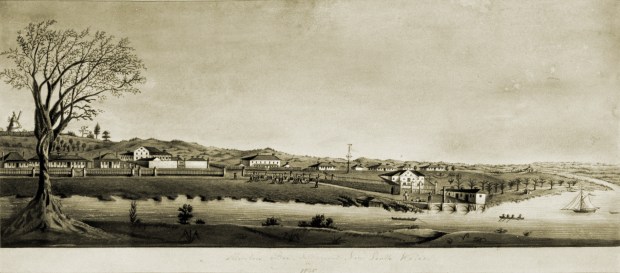
In John Sharp’s 19th year, he absconded from Moreton Bay twice, spending a total of 40 days on the loose, before finally leaving for good on 26 November 1832. He left with John Blackmore (or Blakemore) and turned up in Port Macquarie some weeks later.
The Resident Magistrate at Port Macquarie, Benjamin Sullivan, found himself playing reluctant host to ten Moreton Bay convict absconders. Sullivan complained to the Colonial Secretary, who in turn advised Captain Clunie that the Moreton Bay Ten would not be returned to his care. They had been sent to Norfolk Island.
Norfolk Island.
On 5 September 1833, John Sharp disembarked the Esther at Norfolk Island. The settlement was in a turbulent state. Colonel James Morisset, the Commandant of Norfolk Island, had earned a reputation for arbitrary punishments and was gradually losing his grip on authority on the Island. Morisset’s health was in decline as well, and Captain Foster Fyans would act in his role while the Colonel recovered.
That year, there had been several prisoner-on-prisoner murders (including that of fellow former Moreton Bay prisoner Edward Dolan). Convicts had attempted to take control of a government boat to escape the settlement.
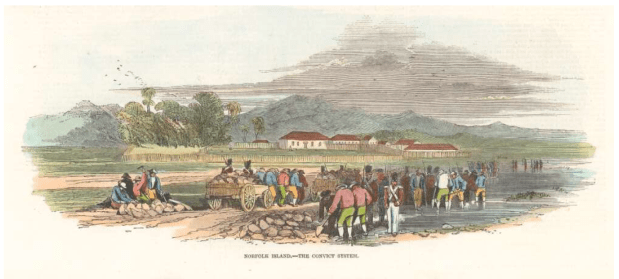
The month Sharp and his fellow runaways arrived, the Supreme Court had convened on the Island to hear the murder and attempted piracy cases. At the conclusion of the sittings, all the prisoners were mustered to watch the execution of those found guilty at the hearings. This didn’t terrify the prisoners as much as harden a resolve to rebel.
Mutiny and Reform
On 13 January 1834, a conspiracy formed among the prisoners to overpower the military guard and take control of the Island[i]. They were eventually thwarted and captured, but at the cost of the lives of five convicts, and injuries to nine others.
John Sharp, aged 22, was charged as an accessory before the fact to the robbery that formed the first part of the mutiny. Fortunately for the young man, he was found not guilty and acquitted of the charge. Of the mutineers, 13 men were convicted and executed in September 1834. Again, on display before their fellow convicts.
Sharp remained at Norfolk Island, serving out the 14 years he’d been given in 1831. He was close to parole and release date when he accidentally drowned while fishing off Norfolk Island on 2 February 1841. His file was noted: “A dissipated man, had been troublesome, but reformed.” He was 29 years old.
John Reece, aged 15.
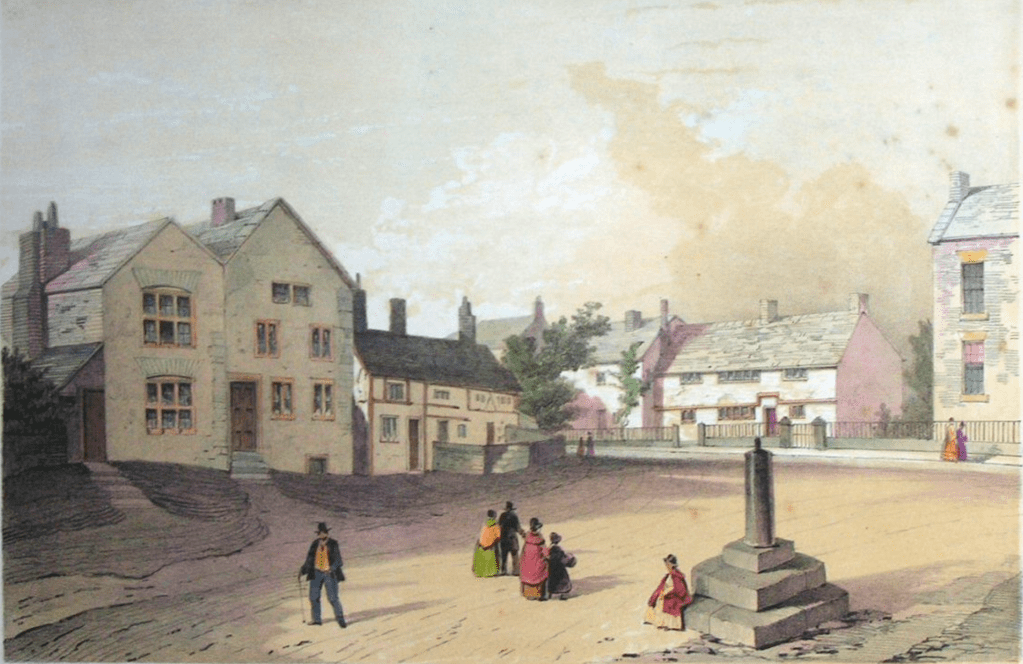
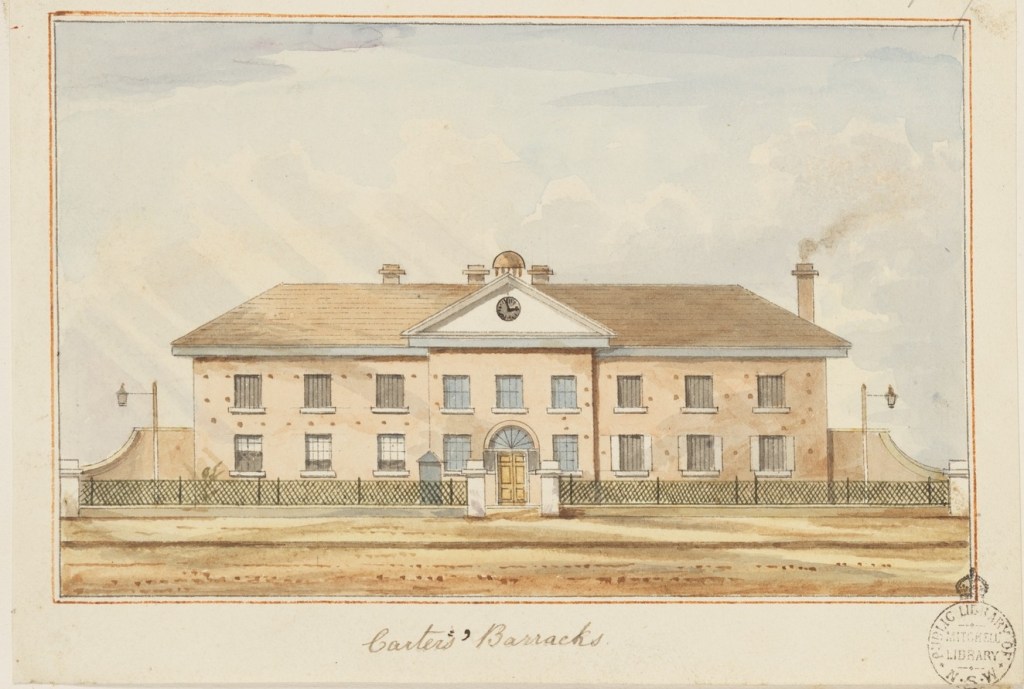
John Reece was a Liverpudlian errand boy, whose career began in exactly the same fashion as John Sharp’s. On his arrival in Sydney in 1825, his behaviour on board the Royal Charlotte was noted as “very good.” He was 15 years old, 4 feet 10 ½ inches tall, with a freckled complexion, brown hair and grey eyes. He was assigned to work at Carter’s Barracks.
His behaviour didn’t stay “very good,” and three years later, he had some stolen property in his possession and was ordered to work on an iron gang for 12 months. That was on 27 August 1828. On 17 September 1828, John Reece was back in custody for running away from said iron gang. He was sent to work at Portland Head.
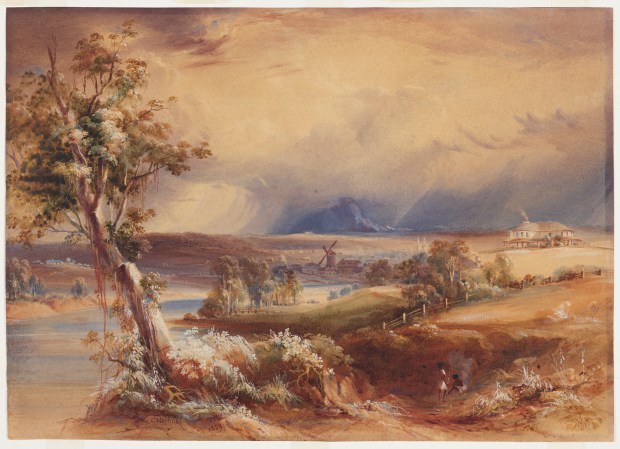
In January 1830, John Reece was given a sentence of seven years’ transportation for a larceny at Windsor that didn’t excite any court reporters enough to make a note of the case. Reece was sent to Moreton Bay, arriving on the Lucy Ann on 16 February 1830.
Moreton Bay.
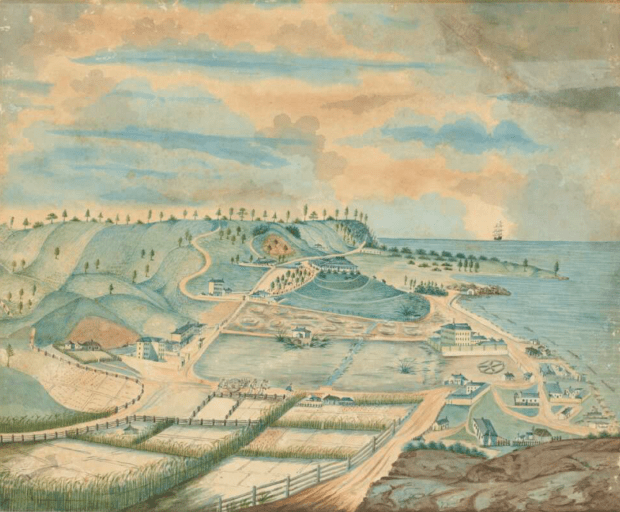
Moreton Bay was very unfamiliar territory. There was no-one there who was not associated with the military or civil service. Just a large population of convict recidivists and their keepers. Captain Logan was still in charge, but would hand over to James Clunie[ii] in the coming months.
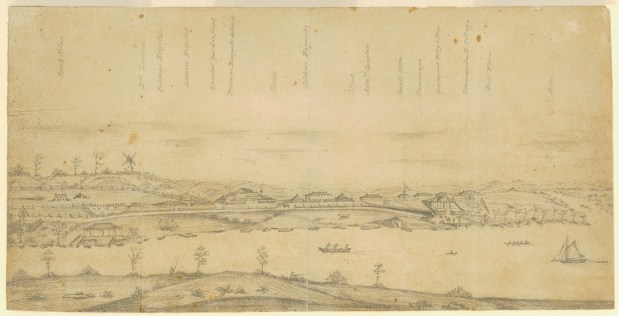
John Reece waited until July 1831 to make a run for it and stayed out for 14 days. Not bad for a first-time absconder. He ran again in April 1832, for three days, and then made his final run in May 1833, along with Thomas Smith, John Burton and William Storey. Safety in numbers, presumably.
Reece and co fetched up in Port Macquarie, where the fed-up Resident Magistrate obtained permission to send him and his ilk to Norfolk Island. Reece lived there through convict mutinies, public executions and changes in command until March 1837. His sentence had expired, and he was returned to Hyde Park Barracks.
The Bushranger.
Reece was now 27 years old, and a veteran of the two harshest penal settlements that New South Wales could offer. He disappeared from the public record – in fact, very little was published about him until 1839.
In October 1839, John Reece was one of a trio of bushrangers operating in the Blue Mountains area of New South Wales. The mounted police were in pursuit of the men, “who had been for some time committing serious depredations.” The other men were convict runaways – Frederick Knowles and Thomas Clubb. The bushrangers were experienced and well-armed and made a successful raid on the homestead of Mr Brown at Hartley.
Brown was bailed up in his parlour, his house was ransacked, and the women who lived and worked at his homestead were dragged outside and ordered at gunpoint to give up their money and jewellery. Reece, Knowles and Clubb stayed at the Brown’s household all night, drinking, then carried off as much loot as they could carry.
The mounted police caught up with them on 30 October 1839 and challenged them. Clubb fired at (and missed) one of the officers, and then another officer returned fire, killing Reece. The mounted police then secured the other two bushrangers, who were eventually sentenced to life in a penal settlement.
The first time John Reece’s name appeared with any prominence in an Australian newspaper was in the report of the trial of Knowles and Clubb. And the name of the officer who shot 29-year-old John Reece dead? Samuel Sneyd[iii], future Chief Constable of Brisbane.
[i] According to the depositions, the original plan was to take control of the Island, kill anyone who stood in their way (in particular the Commandant and Captain Fyans), then escape the Island. Another incentive was given to would-be mutineers – whoever performed best in the mutiny would be able to rape any female on the settlement.
[ii] That handover was accelerated somewhat by Logan’s death in October 1830.
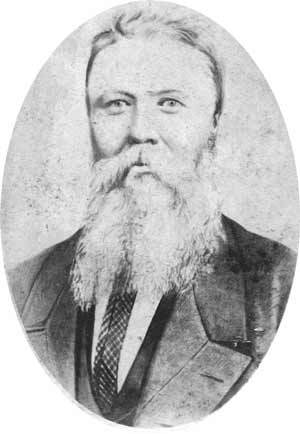
[iii] Samuel Sneyd, 1811-1885, came to New South Wales with the 4th Battalion of the King’s Own Regiment, later becoming a mounted police officer, specialising in suppressing bushranging in the late 1830s. He came to Brisbane in 1850 as Chief Constable.
 Moreton Bay and More