The A-Z of Old Brisbane in colour: MacGregor to Murarrie.
MacGregor
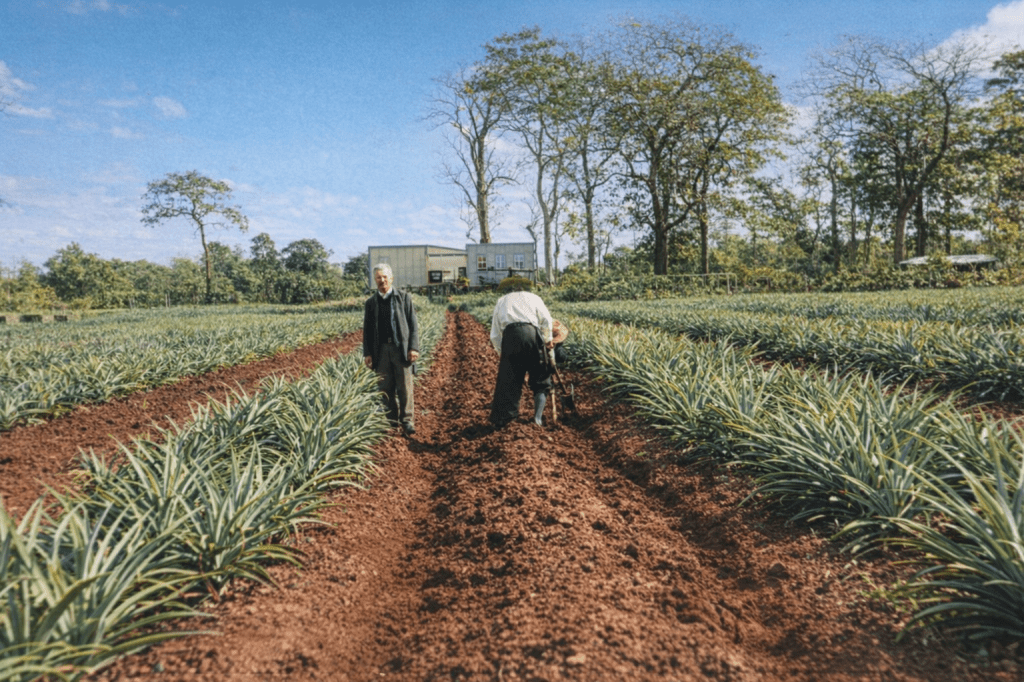
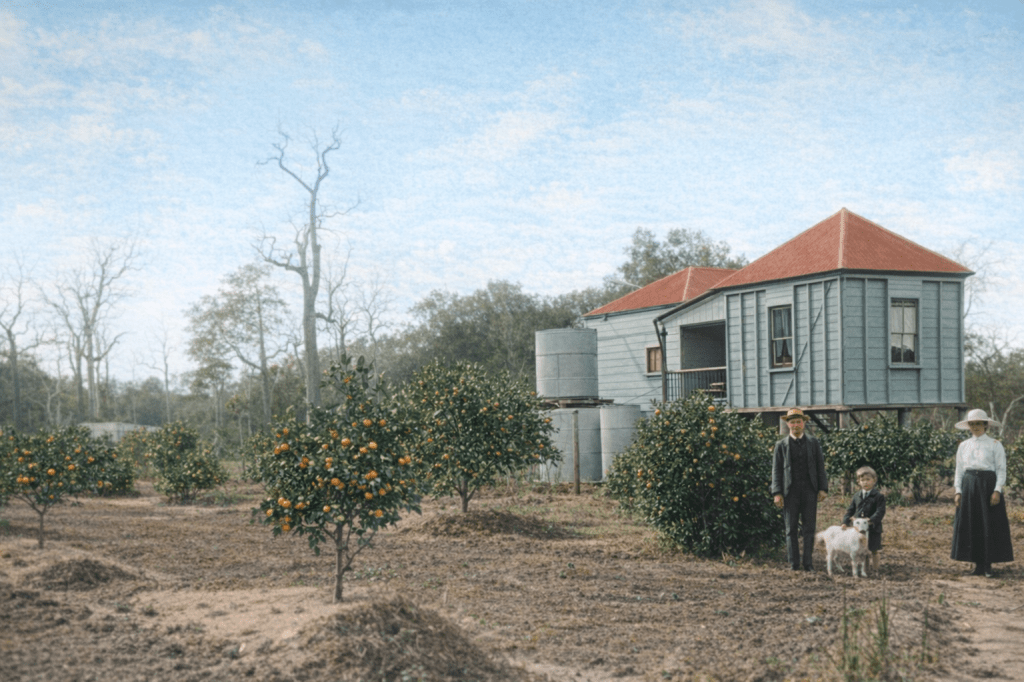
In old Brisbane, the area that became known as MacGregor was farmland. The Henderson family settled at MacGregor, and built their farm there. But they didn’t call it MacGregor…
The Henderson Family in their pineapple field at Sunnybank, their farm at MacGregor. (Sunnybank was the name of the farm, and it in turn became the name of a suburb, but not this suburb. Shades of Kedron and Lutwyche.)The Henderson family in front of Sunnybank, their farm in MacGregor in 1913. The land the farm stood on is now the site of MacGregor State School.
Manly
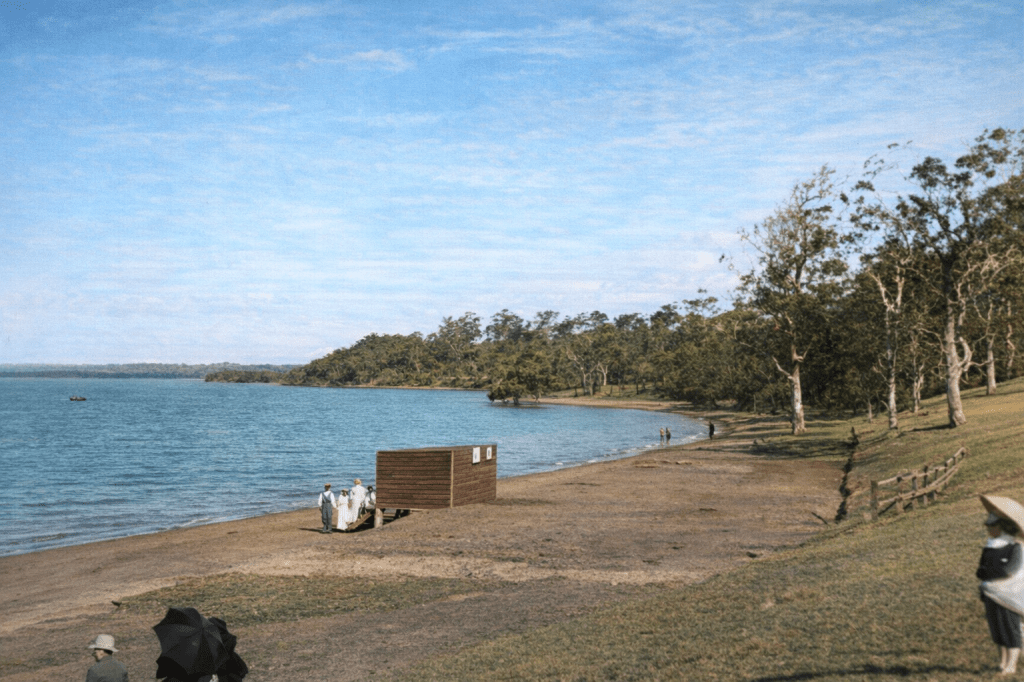
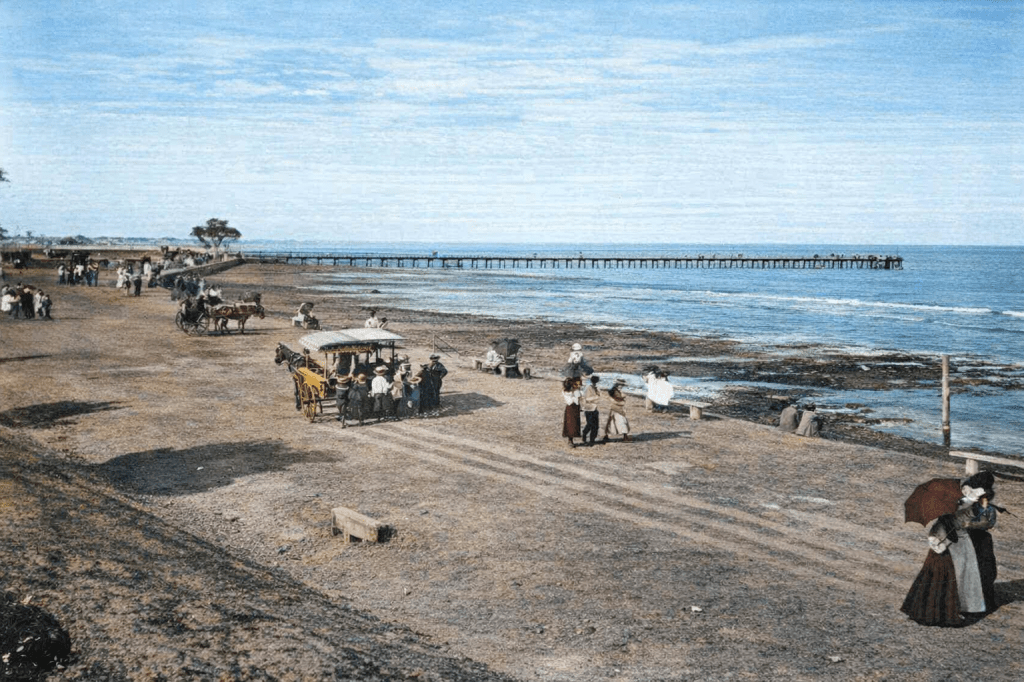
Manly is a bayside suburb of Brisbane, in Waterloo Bay. Just about everyone who went to Manly had their camera with them, providing us with a smorgasbord of old Queensland images.
The beach
Playing on the foreshore at Manly, 1915.Changing boxes at Manly, c. 1905.People walking on the Esplanade near the Manly Jetty, 1900.
The vessels
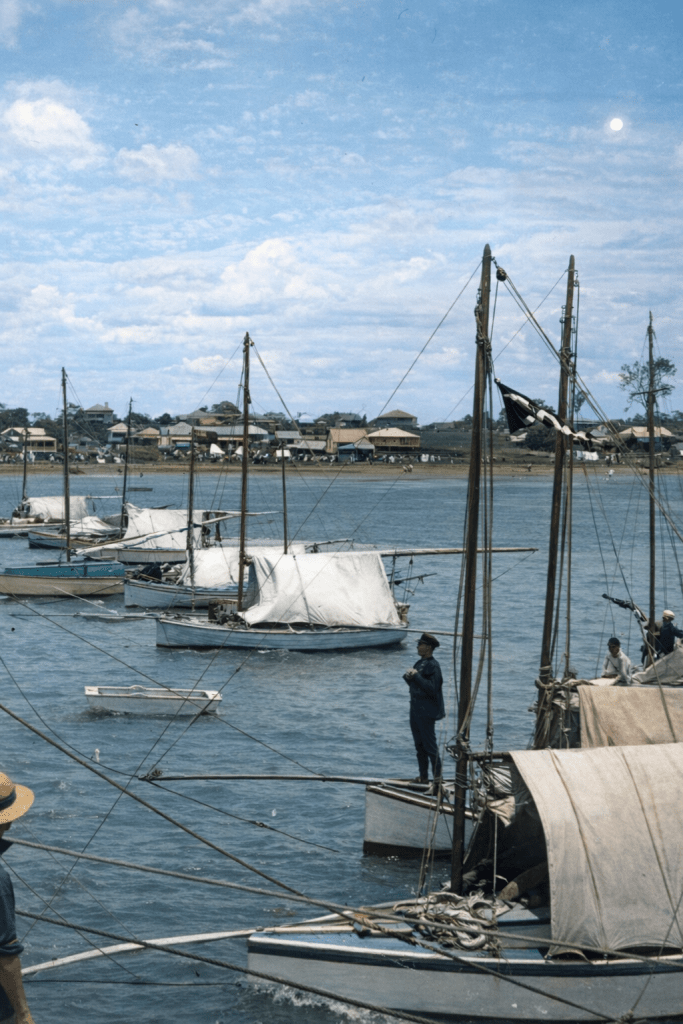
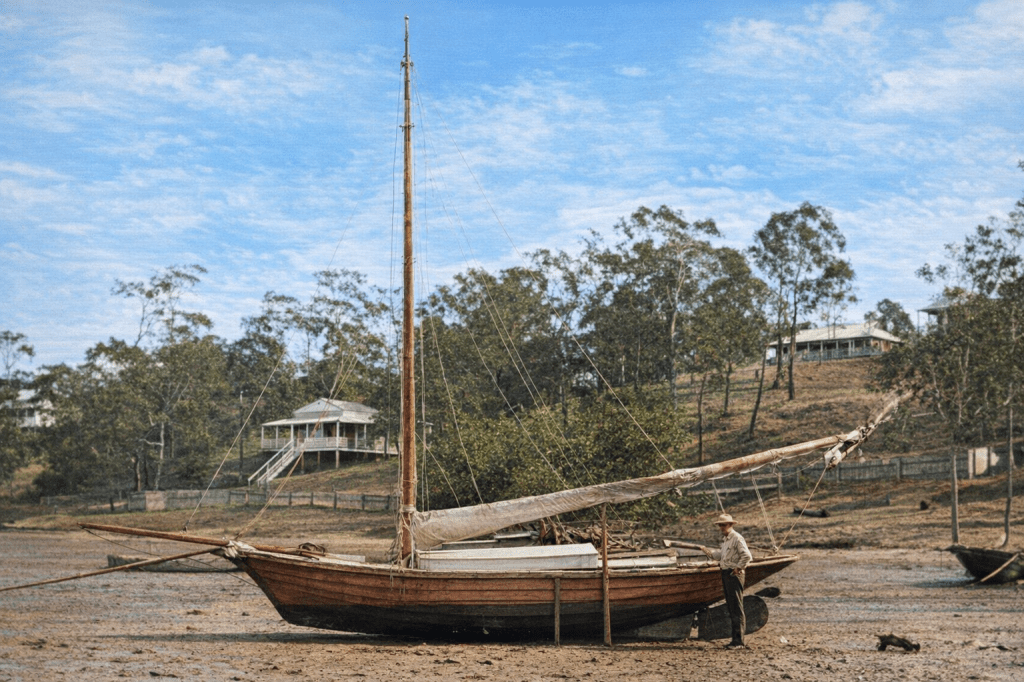
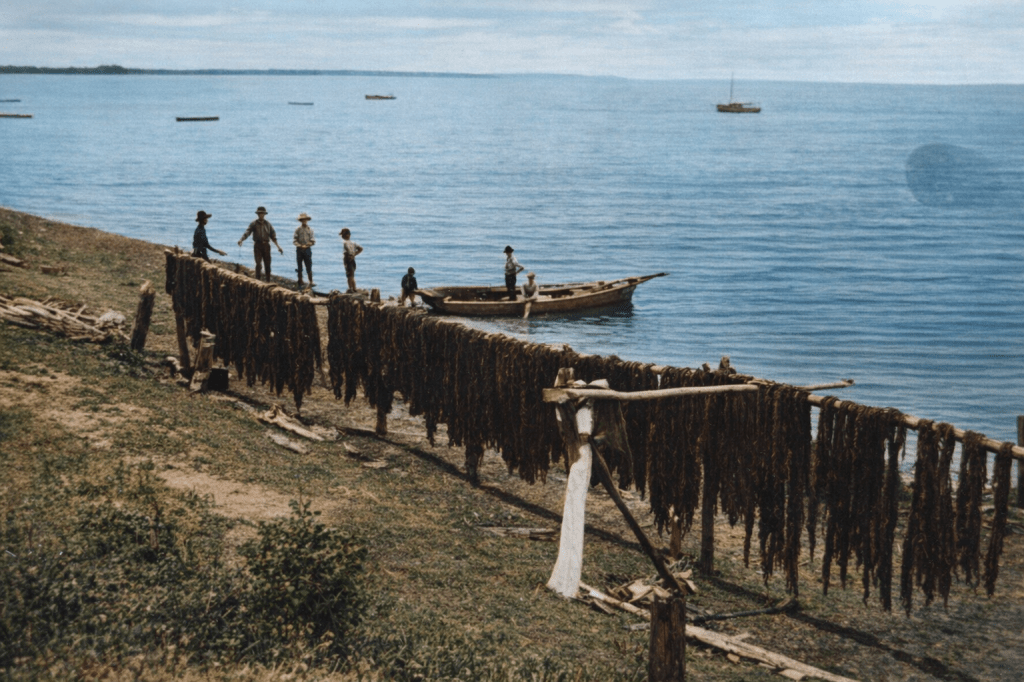
Sailing boats anchored offshore in Manly, 1912.Sailboat on the beach at Manly c 1890.Drying fish nets in the Wynnum/Manly area, c 1900.
The suburb
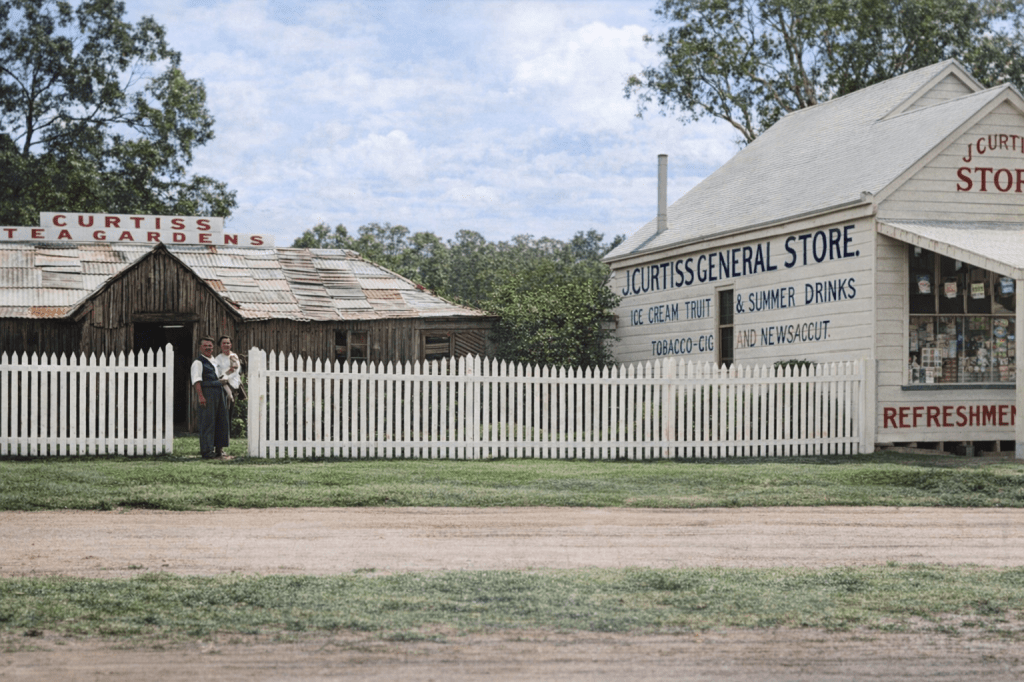
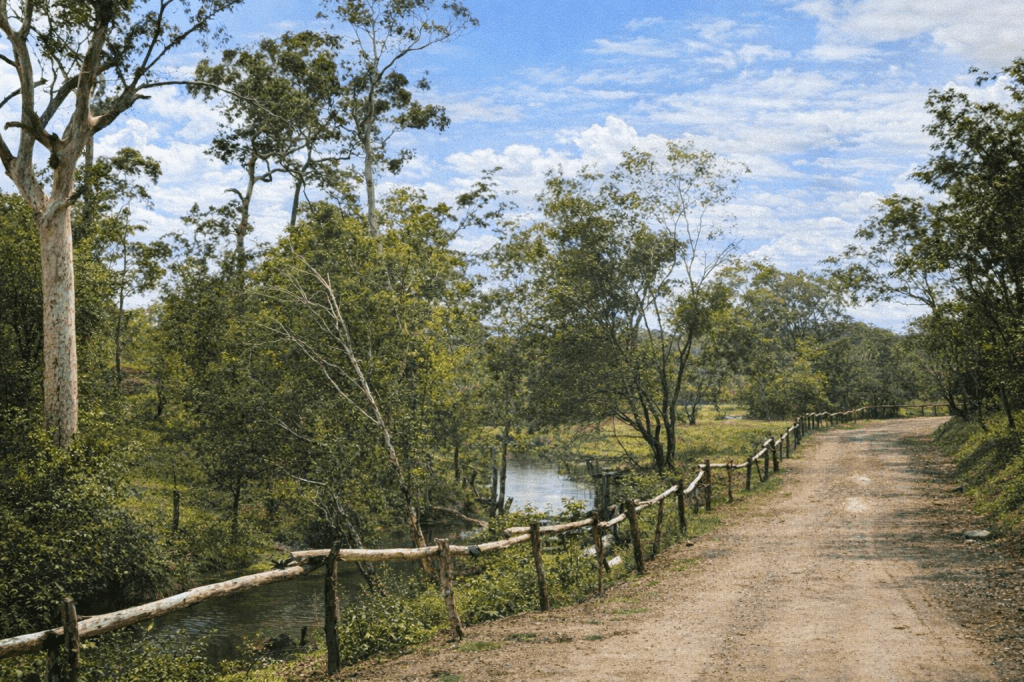
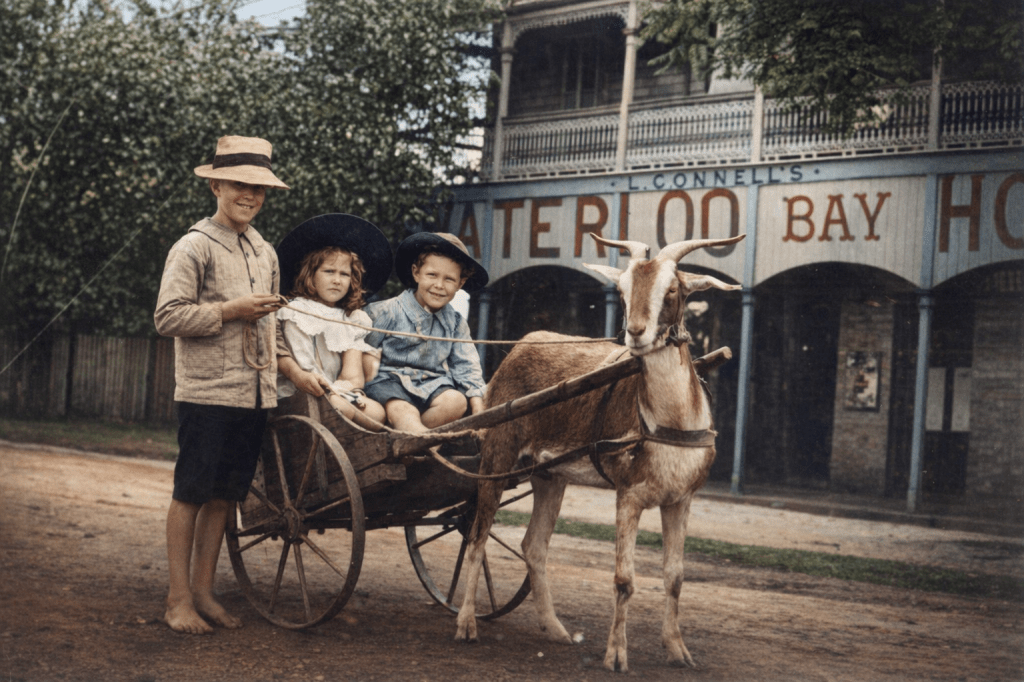
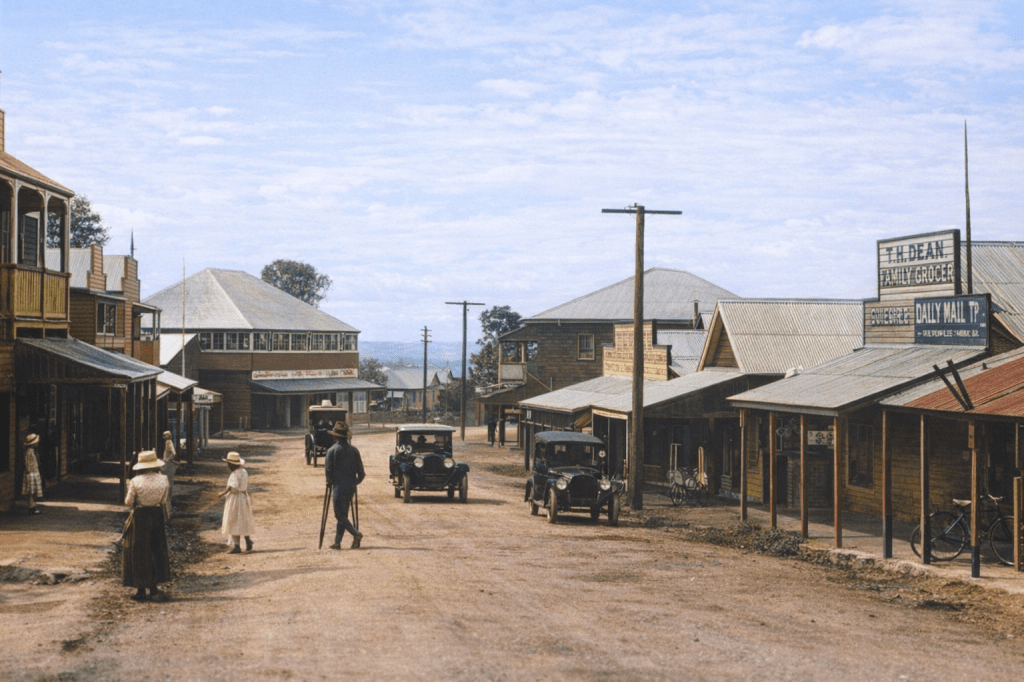
Curtiss’ Tea Gardens, Manly, c 1900.Road at Manly in the 1890s.Small wagon being pulled by a goat, pictured outside the Waterloo Bay Hotel, 1915. The boys are having fun. The little girl, not so much.Cambridge Parade, Manly, heading towards the Bay, 1916.
Milton
Family homes at Milton (well, the grand variety)
The Manning family at Milton House, c 1870. This was the home of Arthur Wilcox Manning, the Under Colonial Secretary, who had been attacked with a tomahawk in his office in November 1868. The attacker was a Police Magistrate about to be dismissed for embezzlement.From an early photograph of Bishopsbourne, showing the chapel adjoining it, c 1870.Relaxing on the verandah of The Poplars, 1895.
Views of the suburb
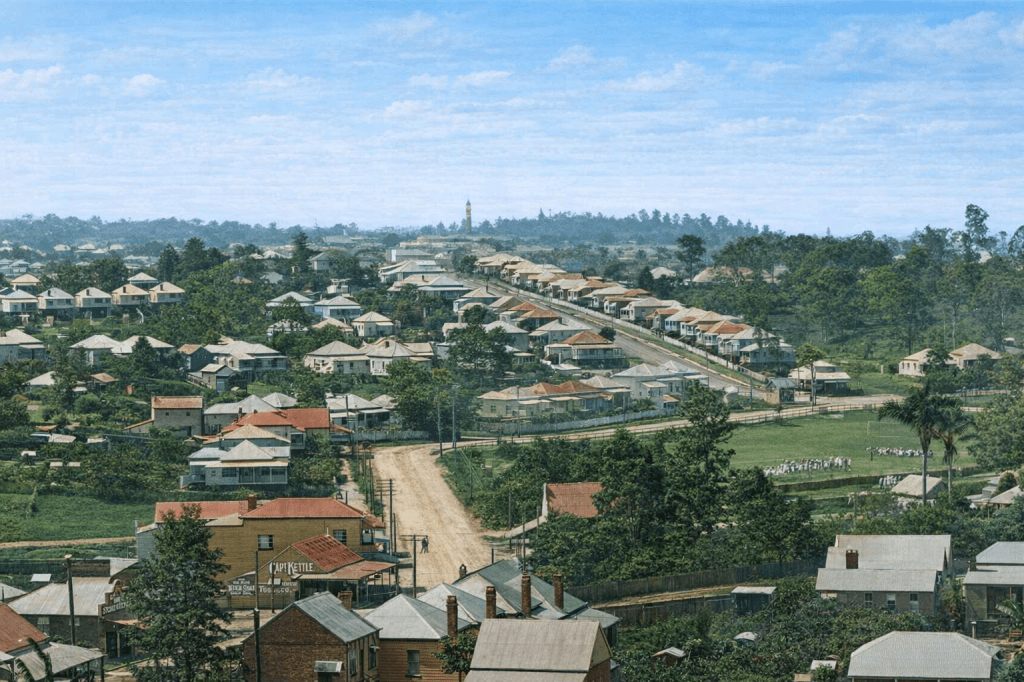
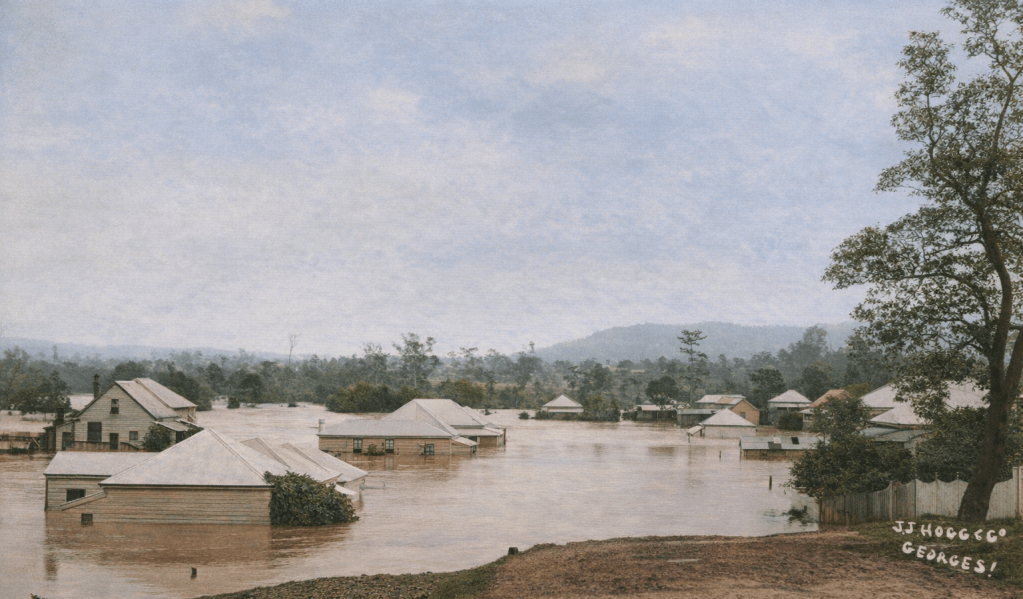
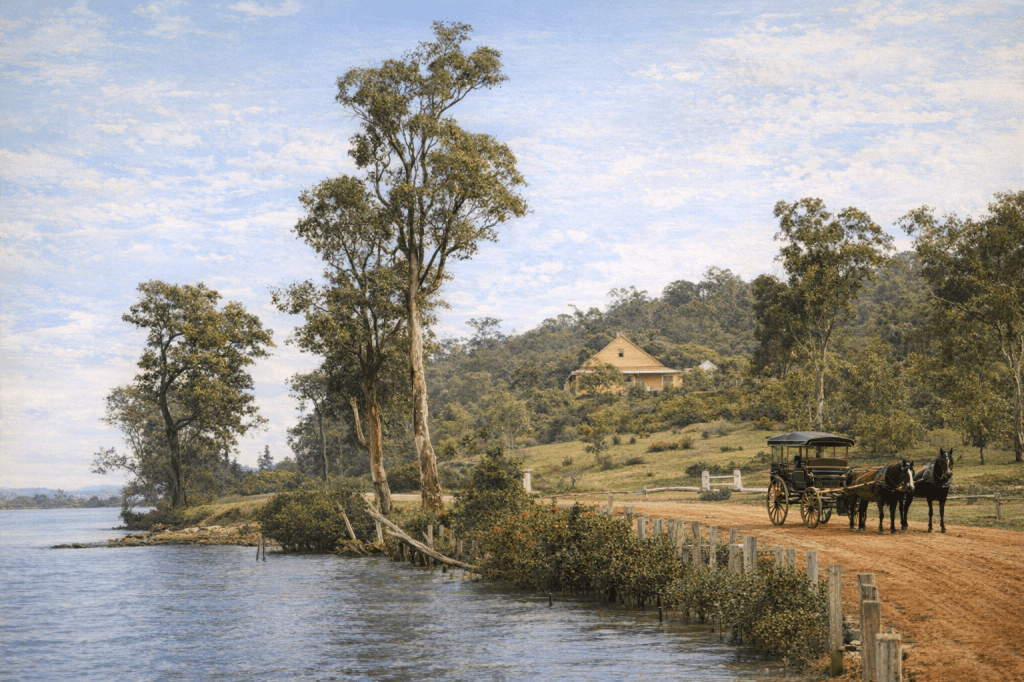
1889 photo of Roma Street and Milton.View across Milton Heights from Rosalie, 1914.Douglas Street, Milton underwater in the 1890 flood. Milton is close to the river, and has some low-lying areas that flood quite reliably every time there is a serious rain event. Stagecoach on the riverbank coming from Milton, 1895. This is the early iteration of Coronation Drive.
Everyday life in Milton
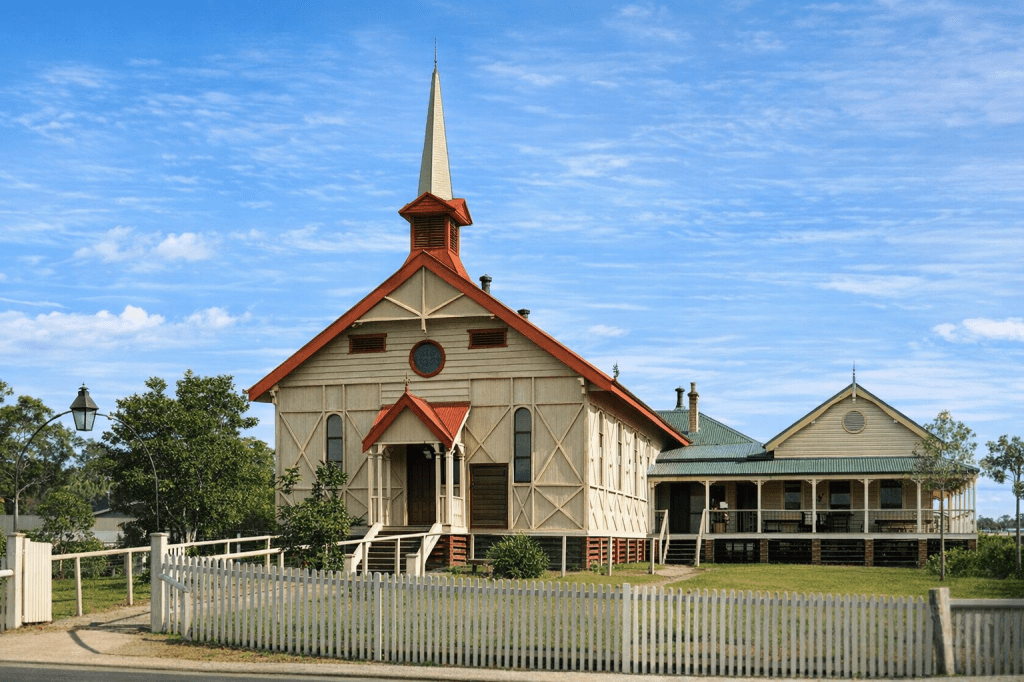
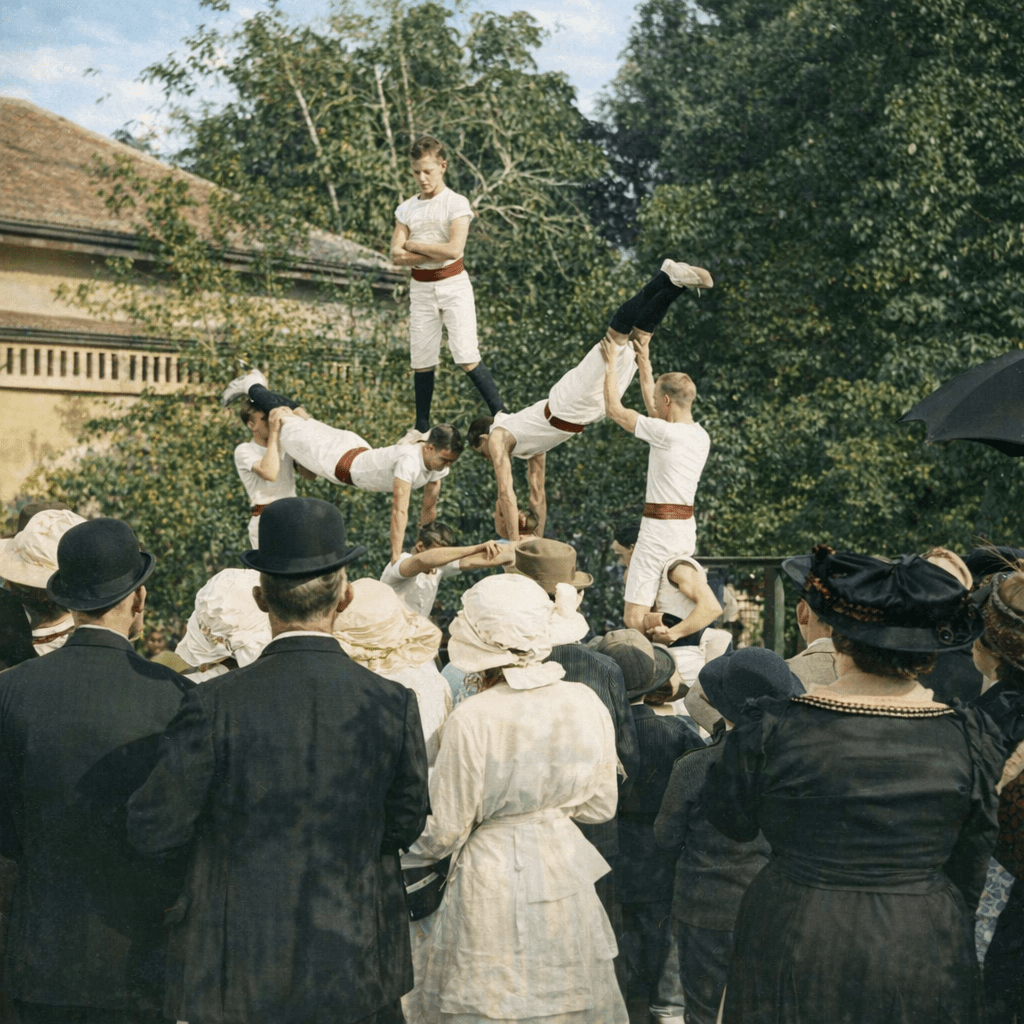
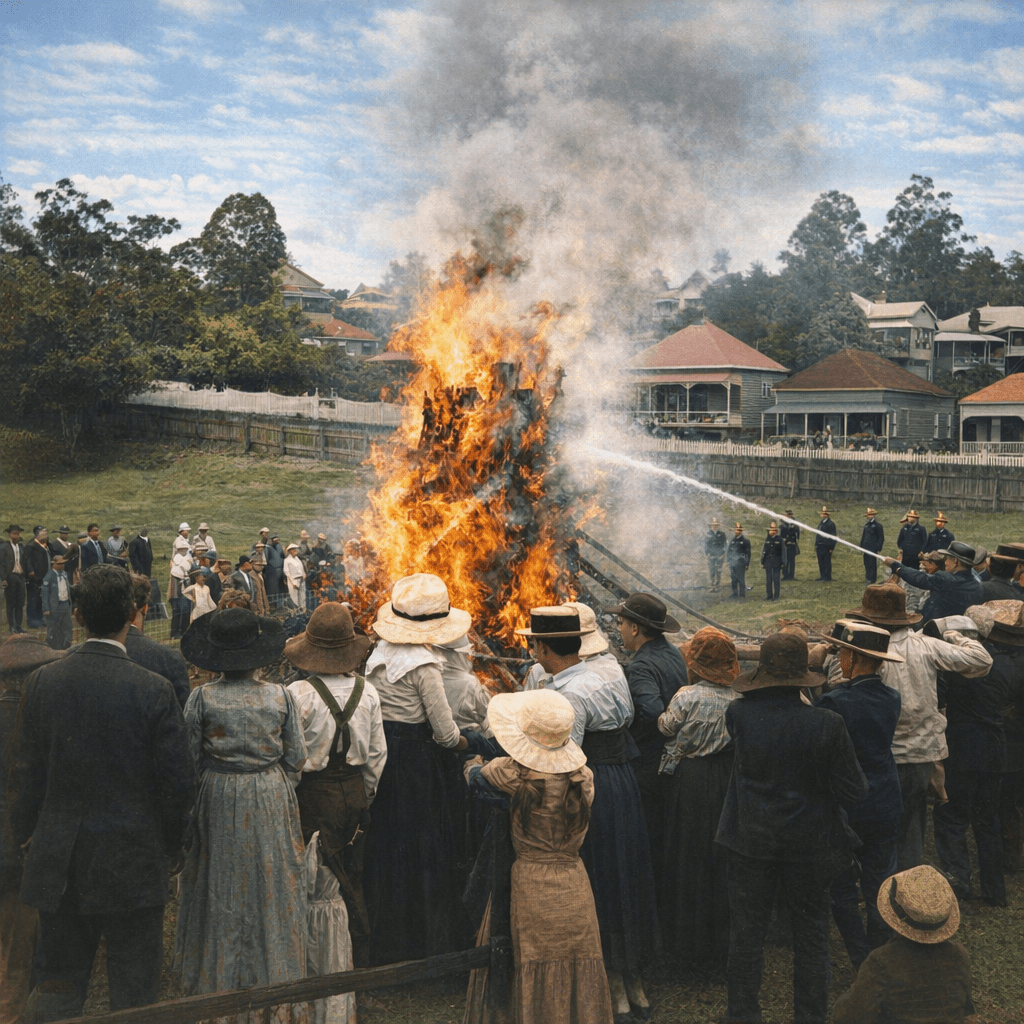
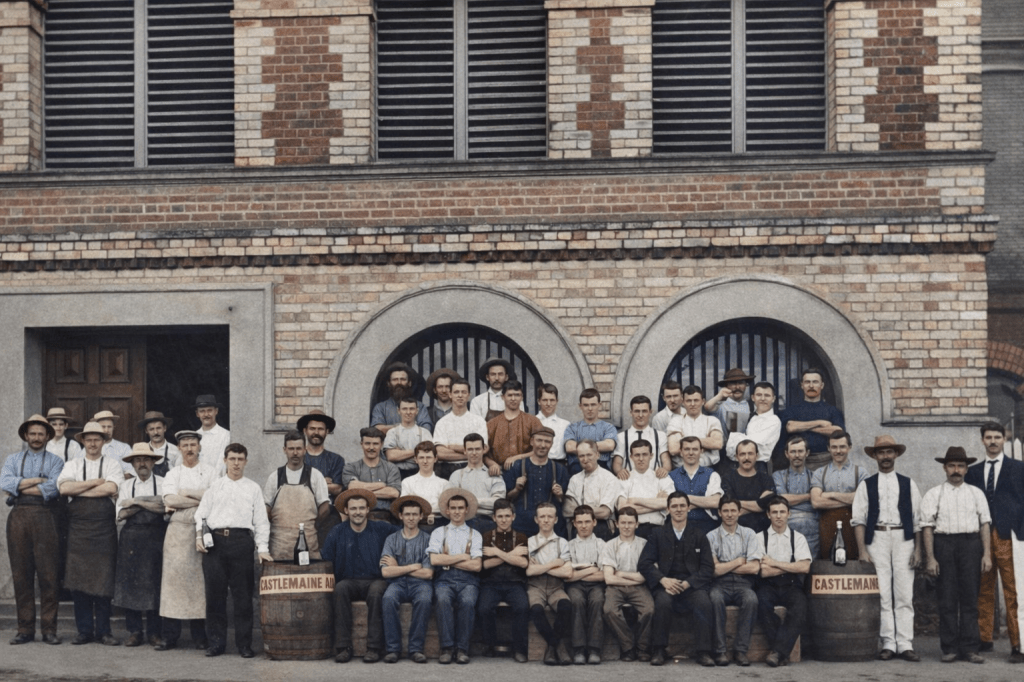
Congregational Church at Milton, erected 1889.Gymnasts perform at a fete in Gregory Park, in 1915.Fire demonstration at that fete.Staff of the Castlemaine Brewery at Milton, 1900.
Mitchelton
Mitchelton, close to Grovely and Keperra, is another suburb that grew in the 20th century from farmland.
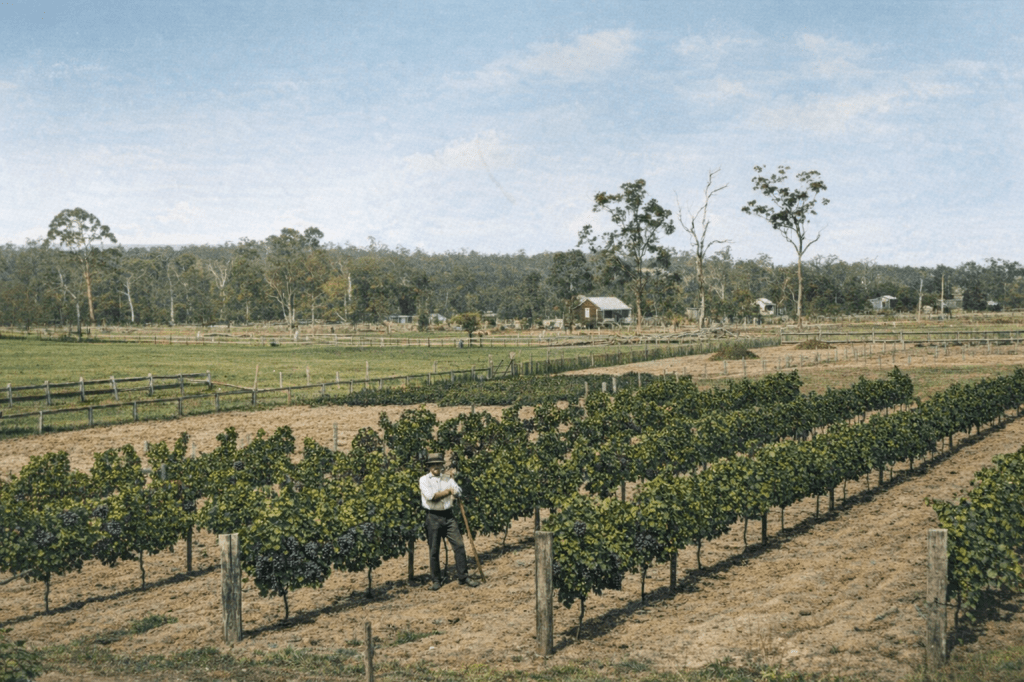
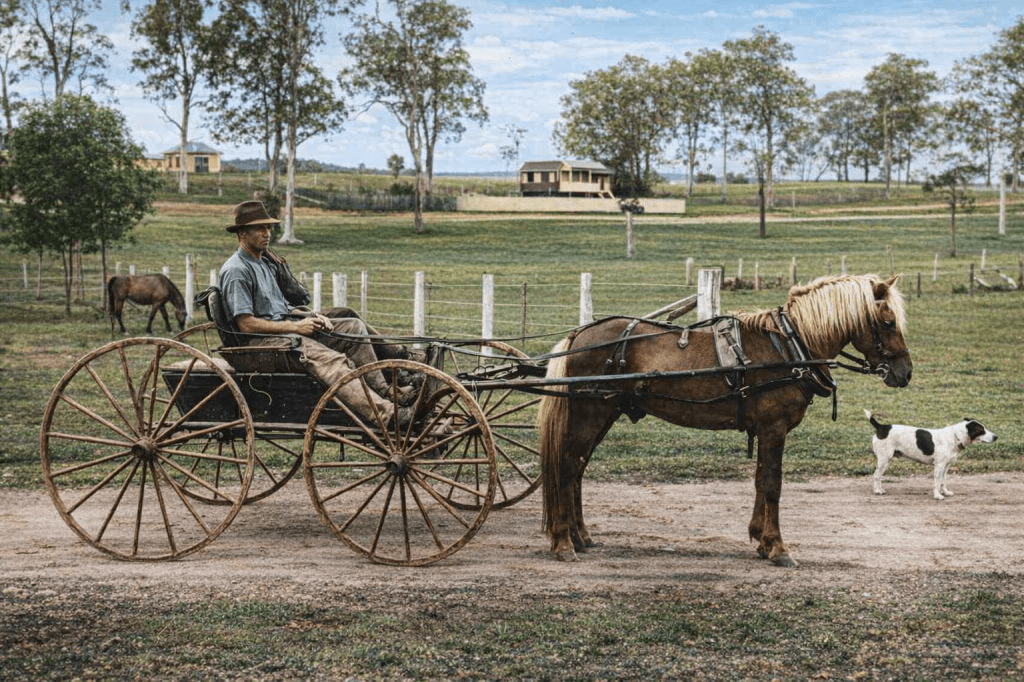
Samuel Taylor’s vineyard at Mitchelton, 1915.Frank Keylar and Ted Taylor in a horse-drawn vehicle at Mitchelton, 1920. I love the way the dog’s posture mimics that of the horse.
Moggill
Nestled along the river, this area still features acreage properties and river views.
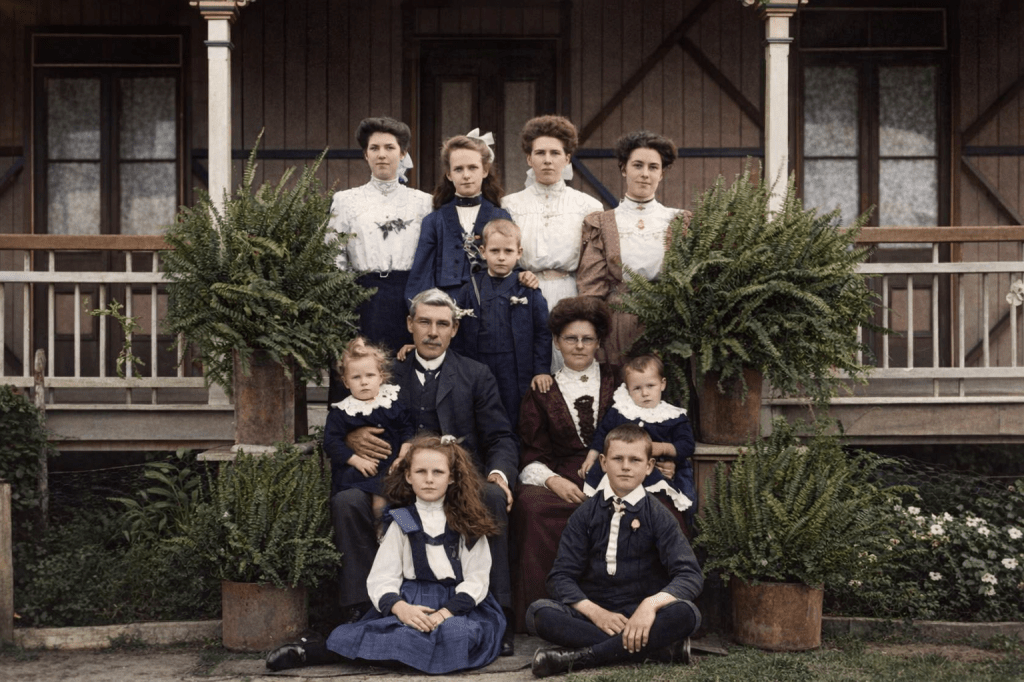
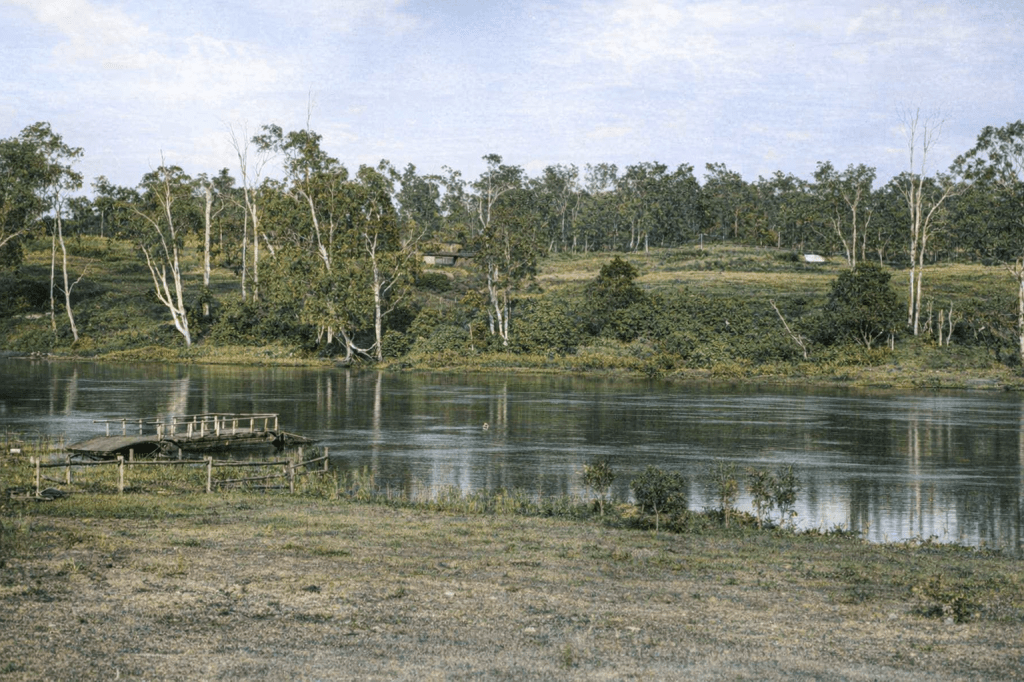
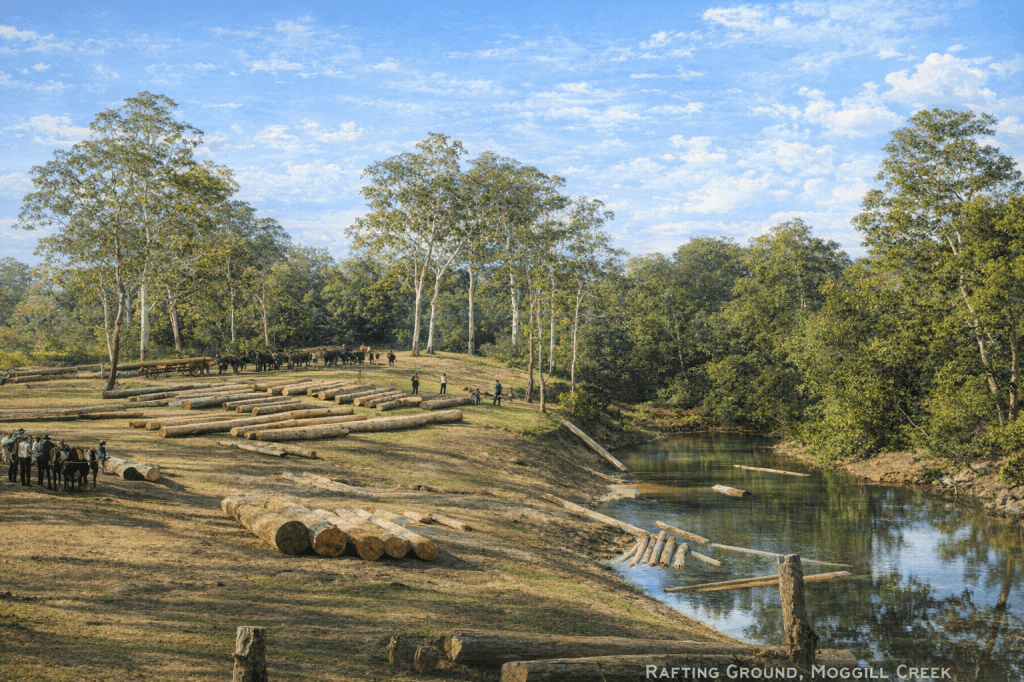
Joseph Sinnamon’s family, Moggil. Joseph Sinnamon, after whom Sinnamon Park was named, was a stock breeder, especially Jersey cattle. His obituary observed “The late Mr Sinnamon had few public interests that were not associated with his work.” However, Mr and Mrs Sinnamon managed to have nine children, suggesting that perhaps not all of his time was occupied with his work.The ferry from Riverview to Moggill in 1906.Tree fellers cutting timber and preparing logs for rafting at Moggill.
Moorooka
Once farmland, now an inner Brisbane suburb with a very busy thoroughfare in Ipswich Road.
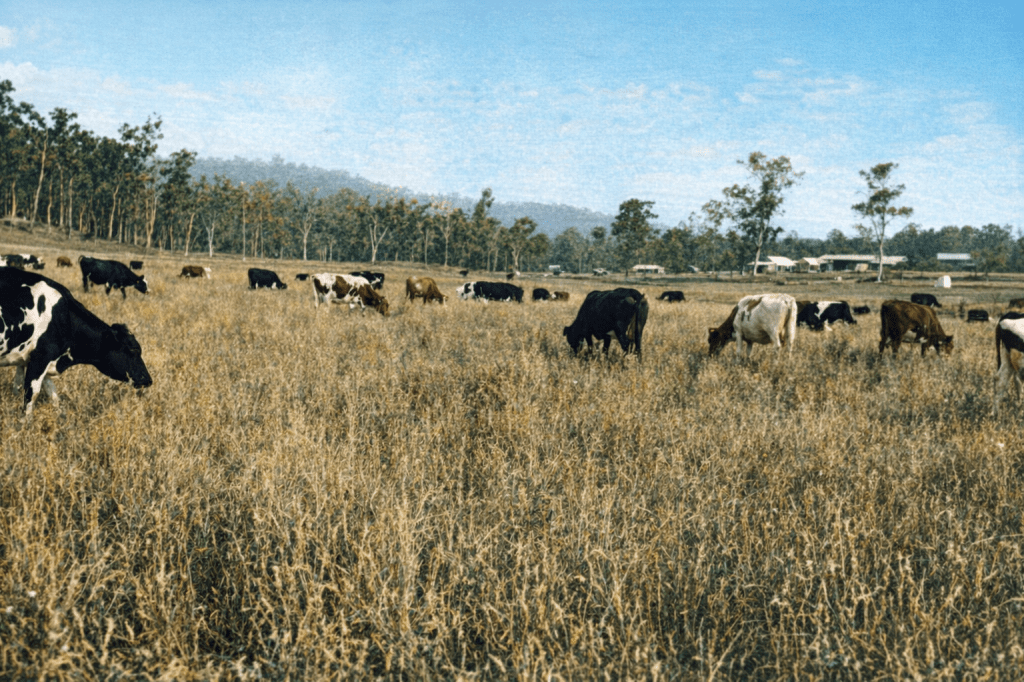
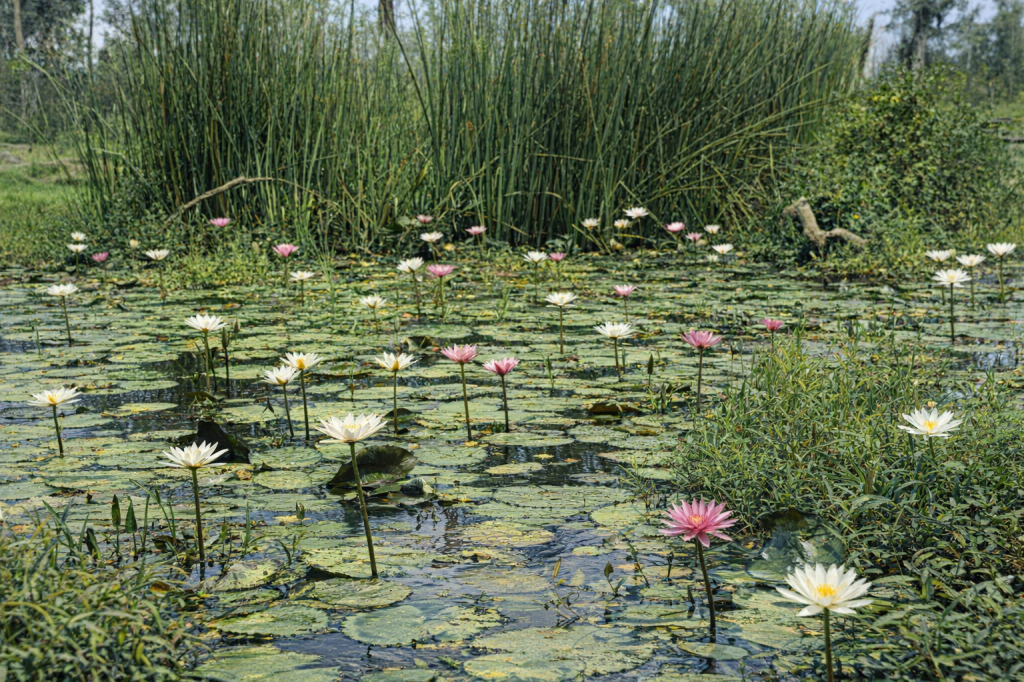
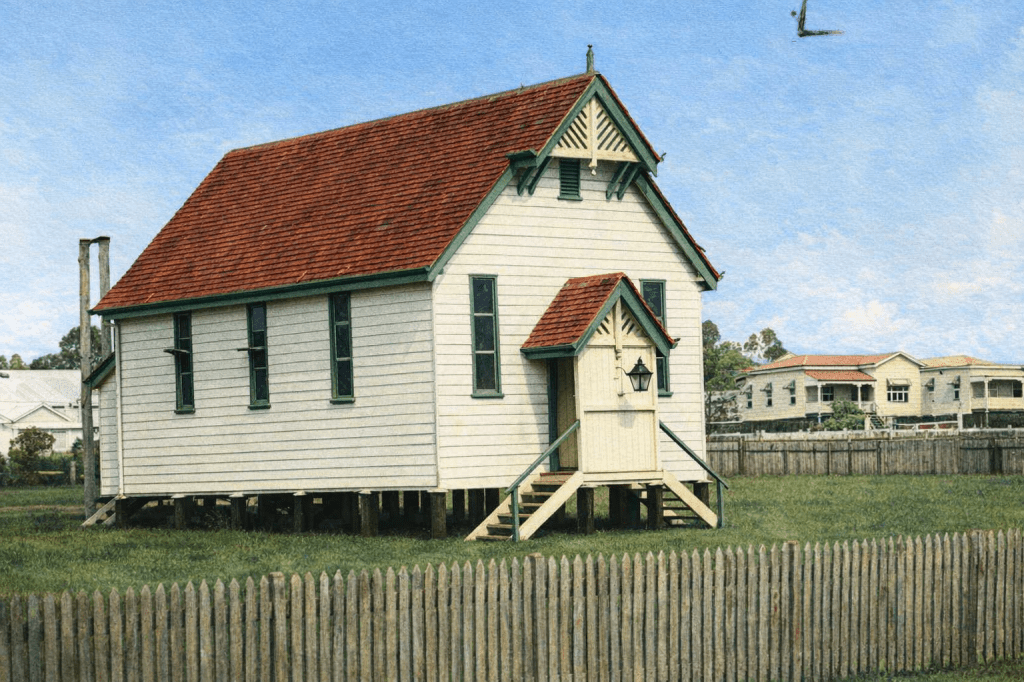
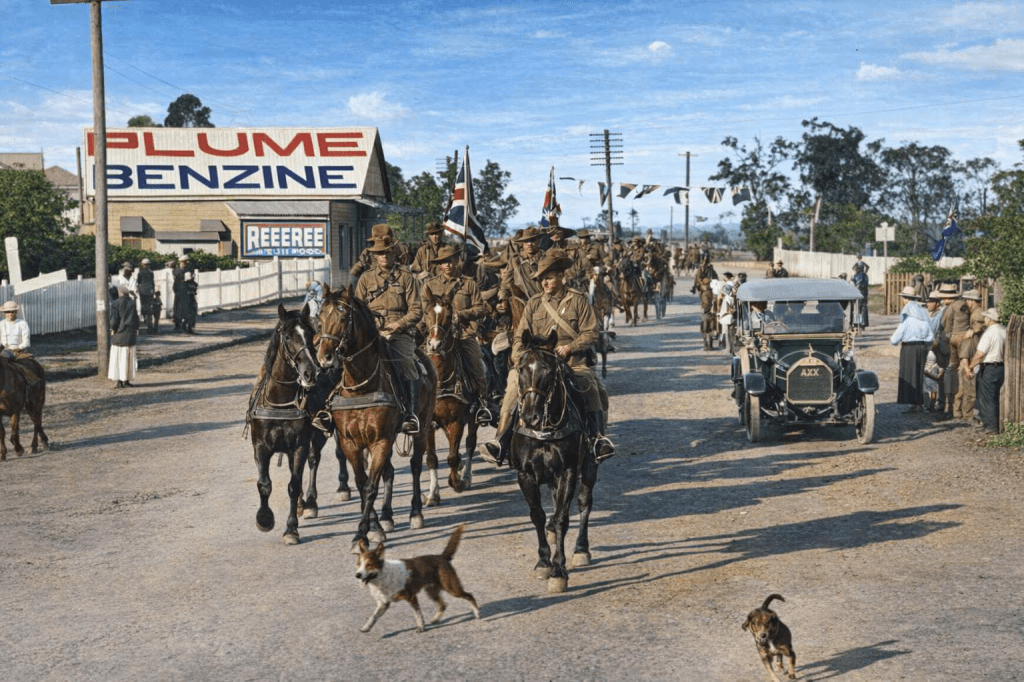
Grazing dairy cattle in a field, Moorooka, 1915.Waterlilies at Moorooka, 1905.Moorooka Congregational Church, 1911. So Ipswich Road, Moorooka always had heavy traffic! It’s 1915 and the Dungarees are headed off to war, to the delight of the local dogs.Dungarees resting during a march on Ipswich Road, 1915. I think the caption writer meant a march that took place on Ipswich Road, not that the Dungarees were going to take over the road, and storm a few local businesses. The locals have gathered to watch them take a spell.
Morningside
Morningside in the 19th century was semi-rural, evolving into a suburb in the 20th century, and a very desirable one at that.
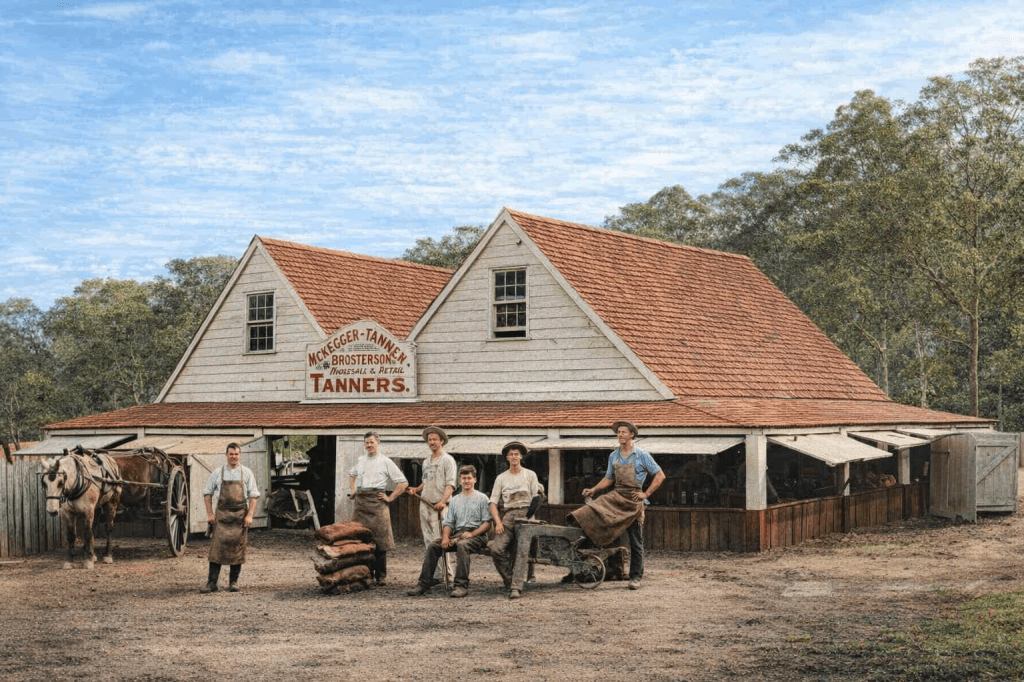
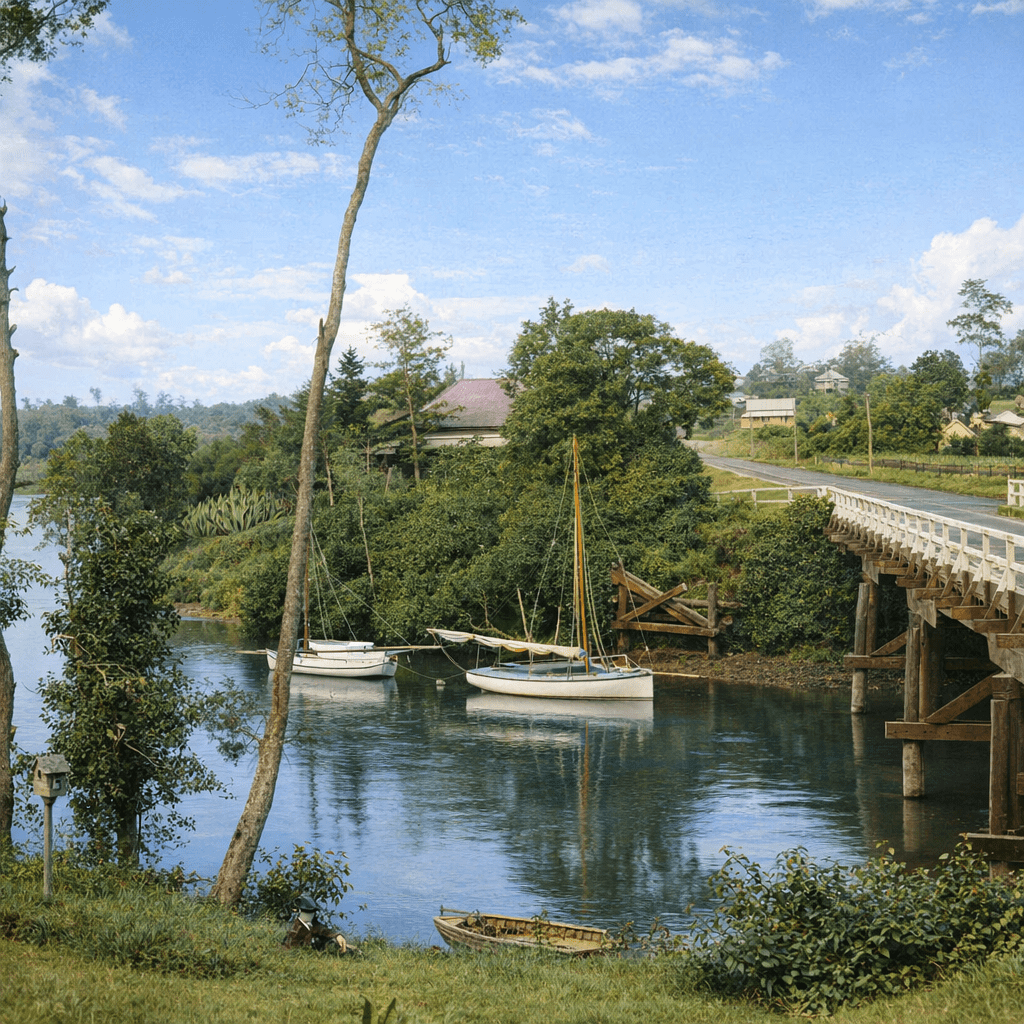
So many suburban tanners in the early days. This is the Keralgere Tannery in 1897, with some of its workers and wares.In 1889, this was the Norman Creek bridge. It later became the Morningside tram terminus.
Mount Coot-tha
Mount Coot-tha looks over the city to the Bay, and down to the ranges. Its bushland starts at the end of my street, attracting groups of determined-looking people with hats, water-bottles and sturdy boots.
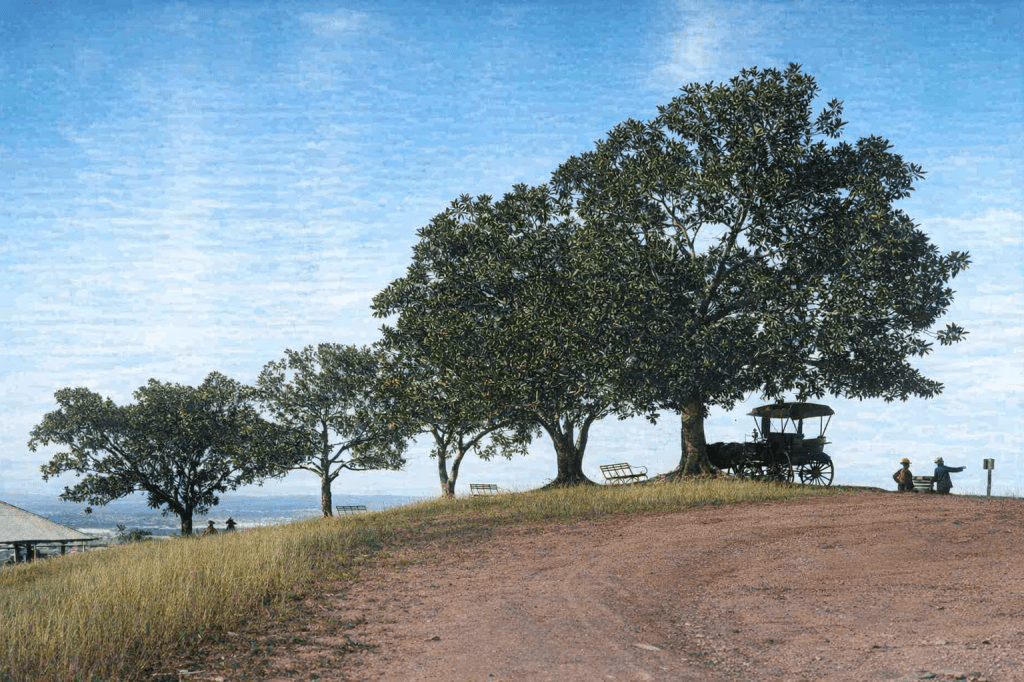
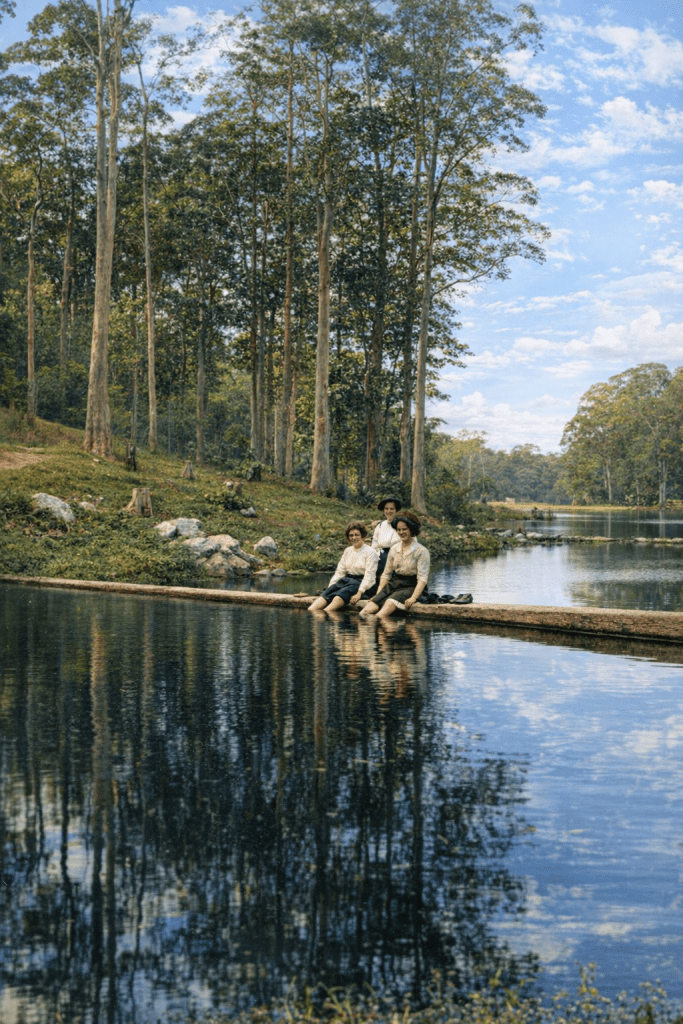
Fig trees at Mt Coot-tha c 1912. These trees were planted by King George V, and appear blithely unaware of the honour bestowed upon them.I say, that’s a bit too much leg, ladies! Well, at least you can’t see their ankles. They’re relaxing at a dam at Mount Coot-tha in 1915.Another view of Mount Coot-tha in 1915.
Mount Crosby
Mount Crosby is still more “bush” than “burb.” Here it is, in its early European phase.
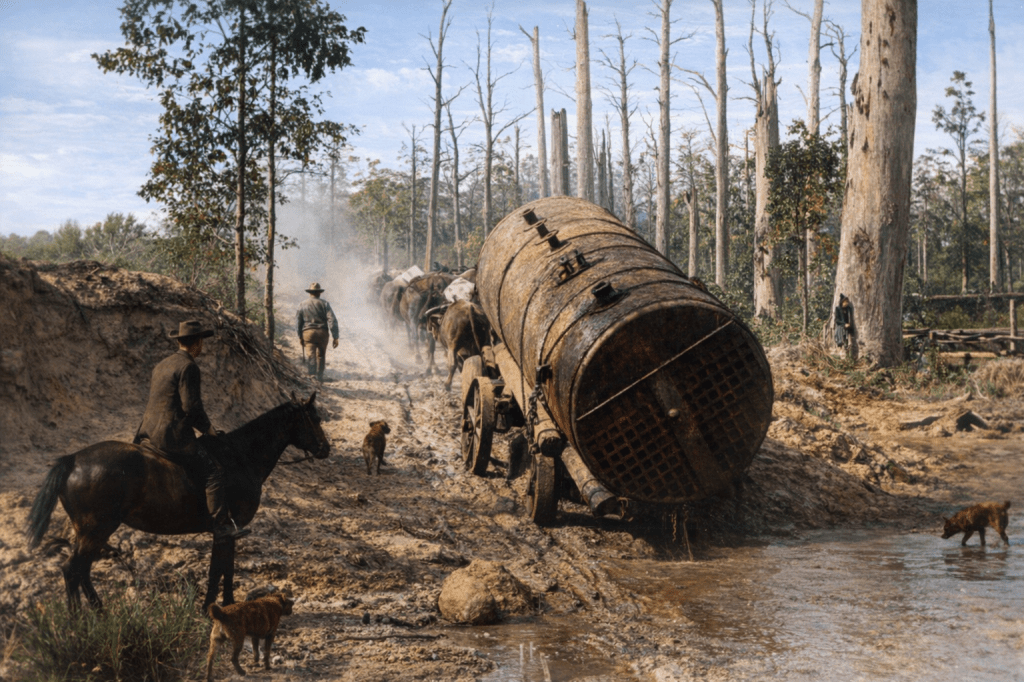
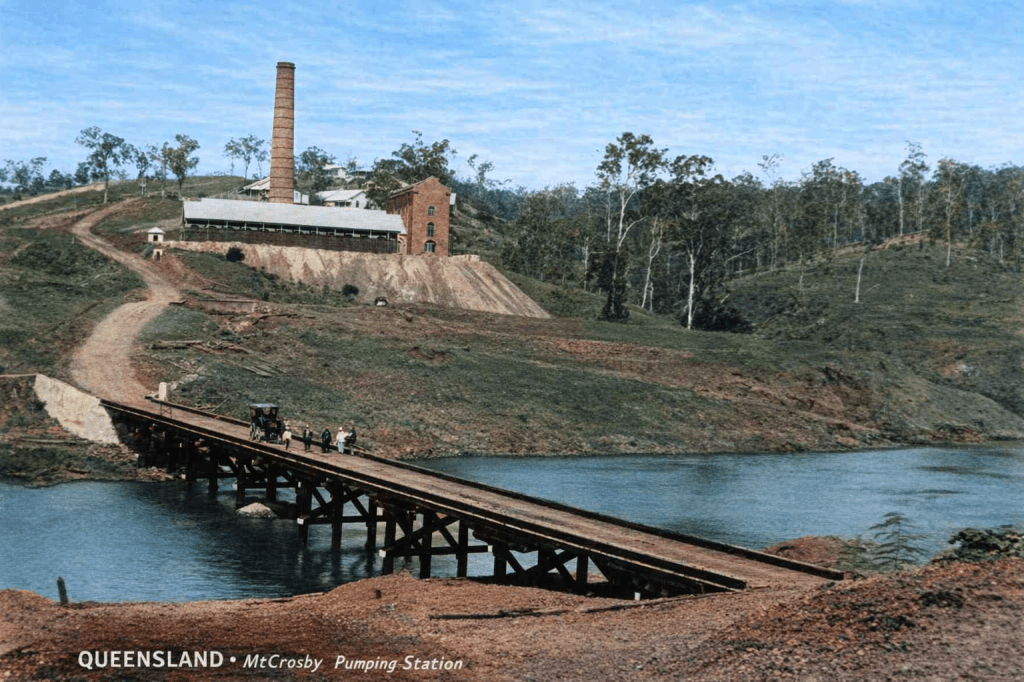
Wales’ Sawmill at Mount Crosby, 1891.Gustav Lofgren’s farm at Mount Crosby in 1897.This, the caption informs me, is a Lancashire boiler being transported to Mount Crosby in 1891, when heavy haulage was still the job of horses and bullocks. At least they took a few dogs along to keep everyone in line.Pumping station at Mount Crosby in 1912. Presumably where the Lancashire boiler ended up.
Mount Gravatt
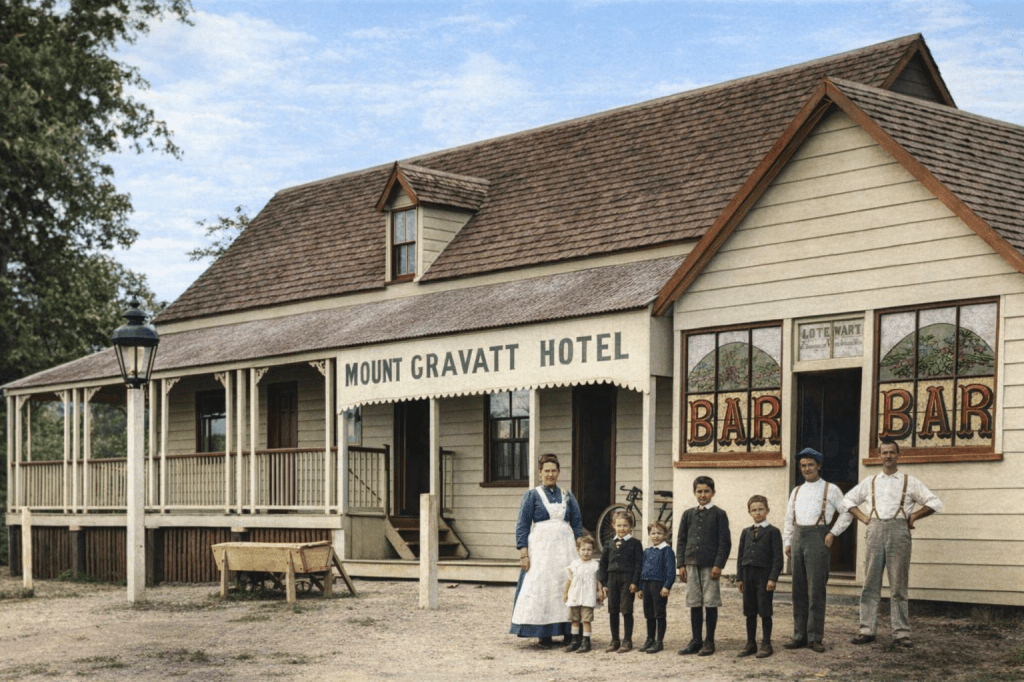
From country homesteads to roadside tea-rooms, Mount Gravatt’s progress into the 20th century can be seen here. The suburb was named after Lt. George Gravatt, who ran the Moreton Bay penal settlement in an interim capacity in 1839. Poor Gravatt died not long after leaving Moreton Bay, unaware that a huge suburb with a massive shopping centre would bear his name into the future.
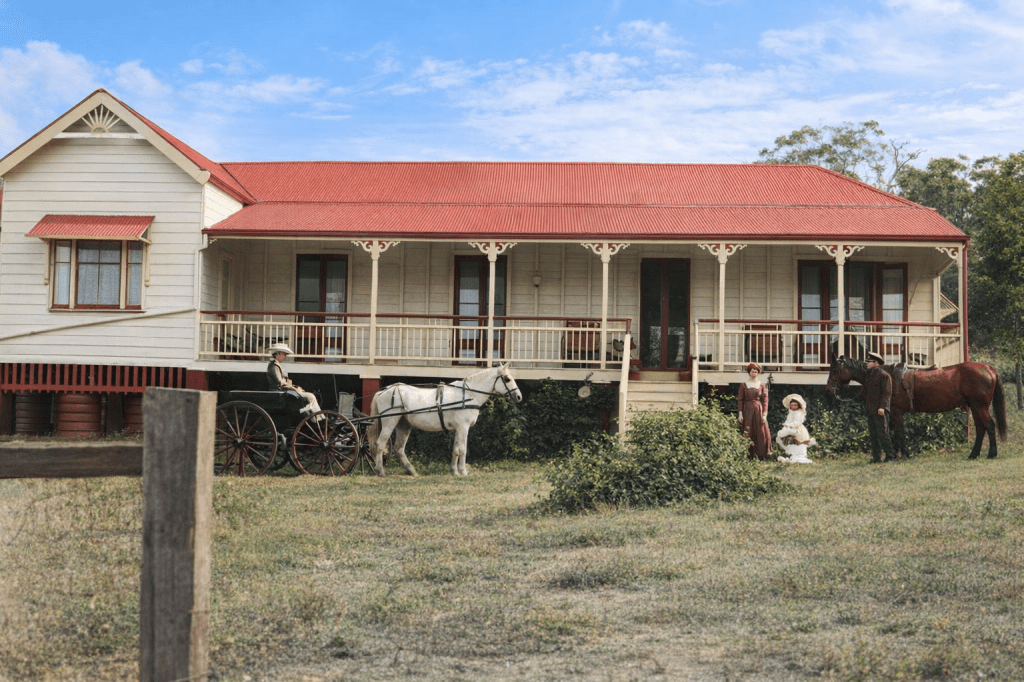
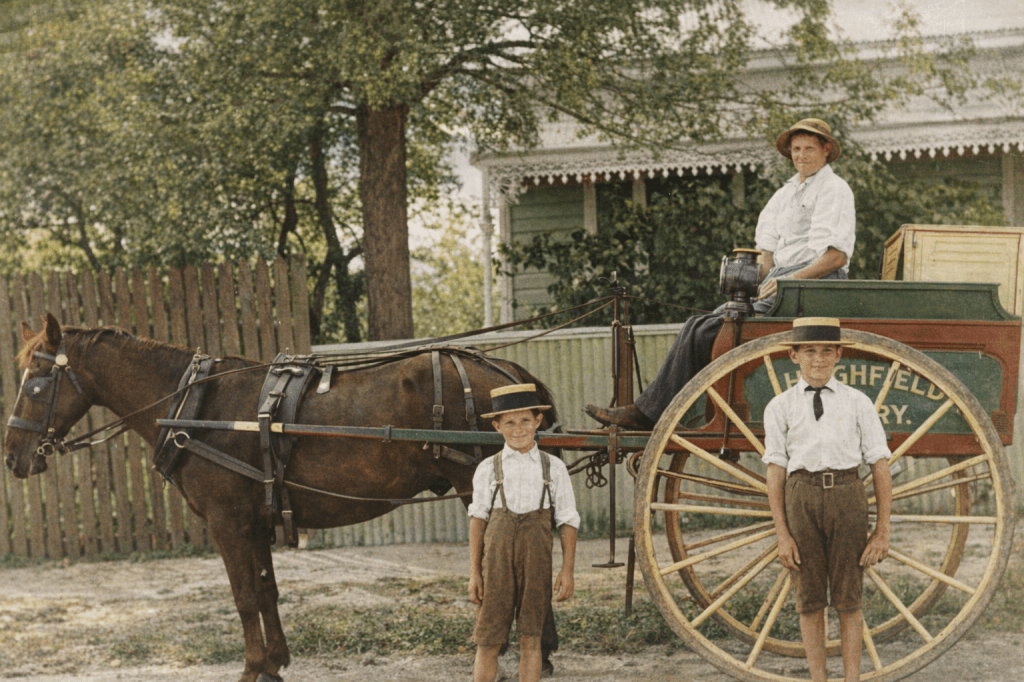
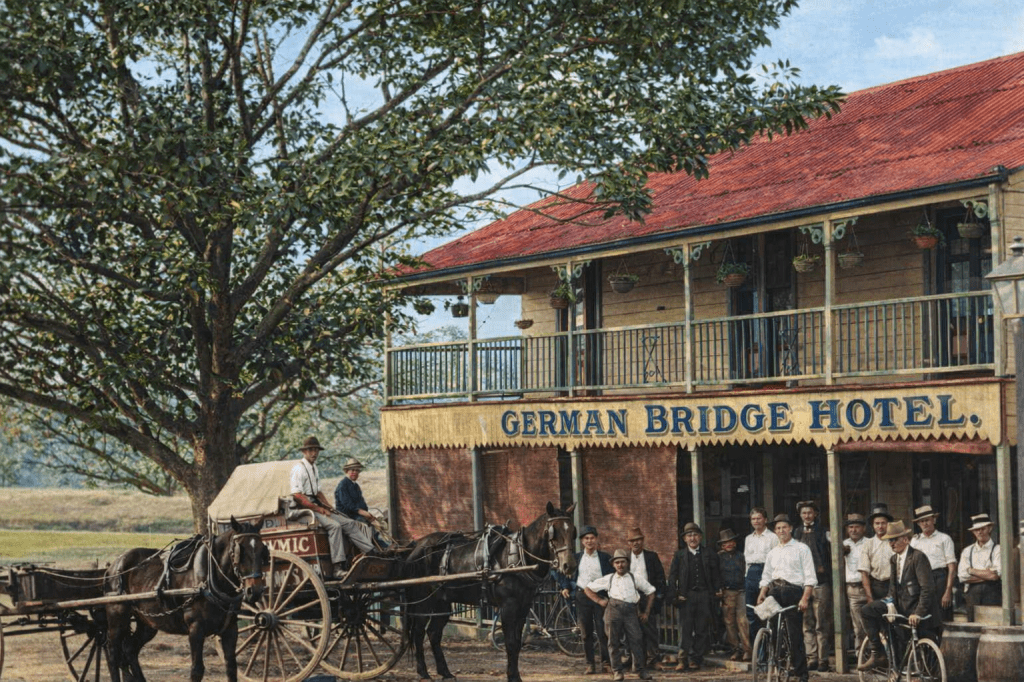
The Flynn homestead, “Foilaclare” at Upper Mount Gravatt in 1910.Here’s Mr Glindemann with his dairy cart, and (presumably) his young sons, in 1914 at Mount Gravatt.The Mount Gravatt Hotel in 1905. If that’s a family concern, then kudos to Mum for raising five children and keeping the establishment going. I’m sure Pater helped too.Tea Rooms on Logan Road, Upper Mount Gravatt, c 1920. A century ago, people loved their tea rooms the way modern people love their coffee shops.Here we are at the German Bridge Hotel, Mount Gravatt in 1914, a year when anything labelled “German” might be thinking of a spot of rebranding.
Murarrie
The Porter residence on the Doughboy Creek, Murarrie in 1872.
The Porters owned a sugar plantation in the area, and named the house “Mooraree,” possibly after a Yugarabul word mudherri meaning swampy or muddy. The name Mooraree gradually became Murarrie. The creek is now called Bulimba Creek, but in the 19th century it was the Doboy or Doughboy Creek. Tom Dowse wrote amusingly about the area and its changing fortunes in “A Day Amongst the Doughboys” in 1870.
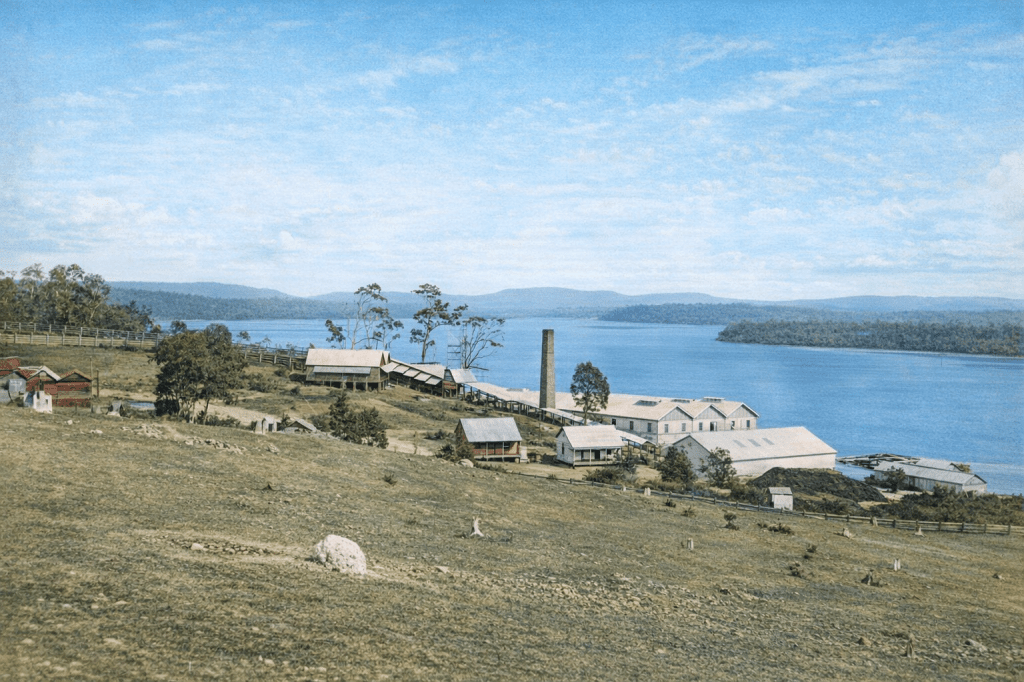
The Queensport Meatworks at Murarrie in 1879.
Other “M” stories of old Brisbane.
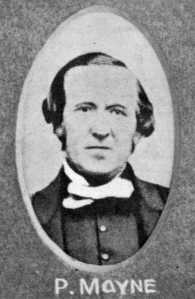
Patrick Mayne
Patrick Mayne was an Irish-born butcher, alderman and businessman. He had a short temper, a gift for property speculation, and a family who founded the University of Queensland. When Mayne died aged around 40, his widow took over his businesses and established the historic home, Moorlands. He is now famous for the claims made in “The Mayne Inheritance,” that pinned the horrendous 1848 murder of Robert Cox on him. The murder was supposed to have been committed in order to steal a large sum of money from Cox. There is absolutely no evidence that Mayne killed the man, nor that there a great fortune in Cox’s possession. During his lifetime, Mayne was considered to be a man of hasty temper, but kind and civic-minded at heart.
The Musgraves
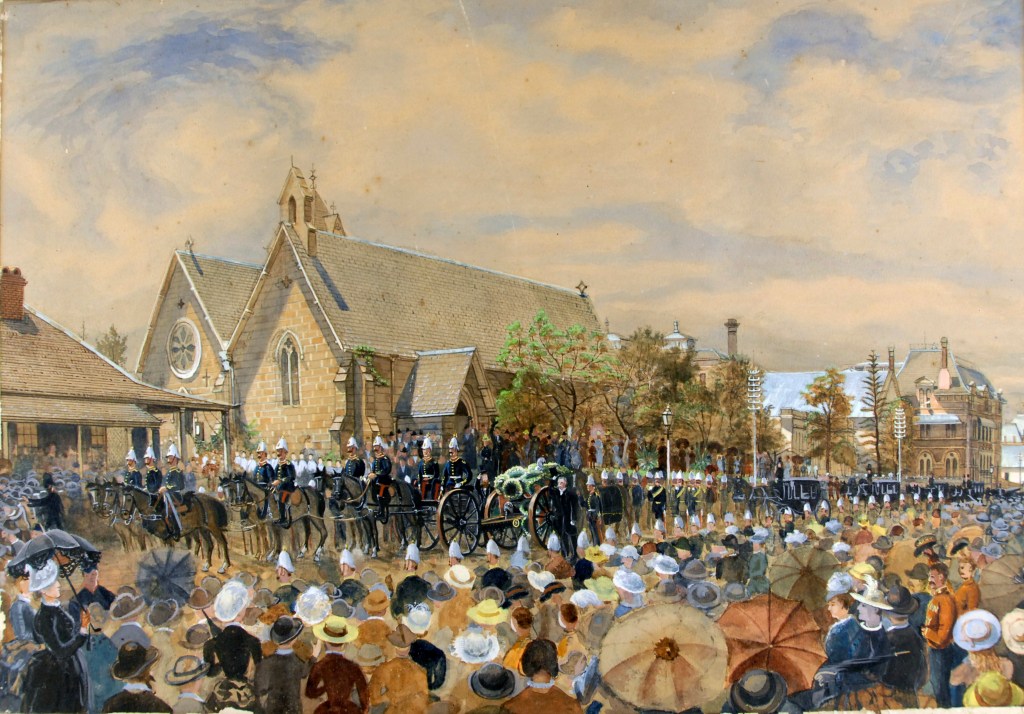
Sir Anthony Musgrave spent his life in Colonial service. He was born in the West Indies, and died 60 years later in office in Brisbane. At the time he began working in Queensland (1833), he enjoyed a sound working relationship with then-Premier, Sir Samuel Griffith, who shared his views. In 1888, Sir Anthony was contemplating retirement, but the election of Sir Thomas McIlwraith that year gave him pause. Sir Thomas did not, to put it mildly, share Sir Anthony’s views. Both men appealed to the Colonial Office in London about the powers of the Governor. Sir Thomas gained their support, and Sir Anthony Musgrave died quite suddenly and painfully not long afterwards, reportedly of strangulation of the bowels. His funeral is depicted in the artwork below:
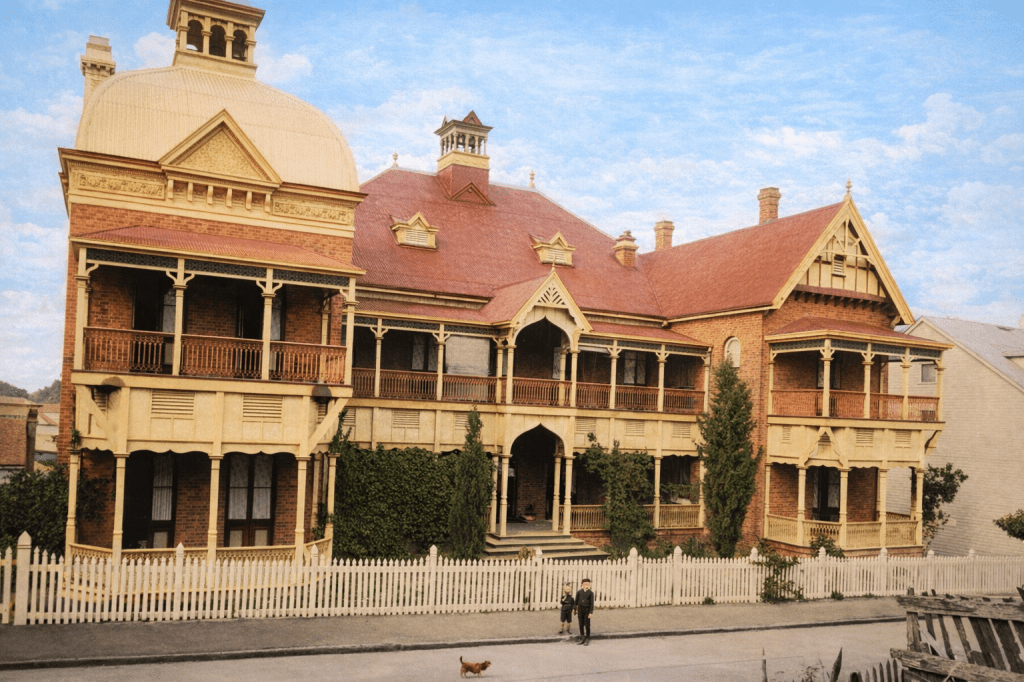
The Funeral of Sir Anthony Musgrave.Lady Musgrave Lodge in Spring Hill, 1910.
Jeanie Lucinda, Lady Musgrave, had established the Lady Musgrave Trust in 1885 to support young emigrant women who found themselves without family and home support on arrival. The Lady Musgrave Lodge in Spring Hill (pictured) was opened in 1891 to provide accommodation and career training for young women. Over 15,000 women have been supported by the Trust.
Mayors of Brisbane
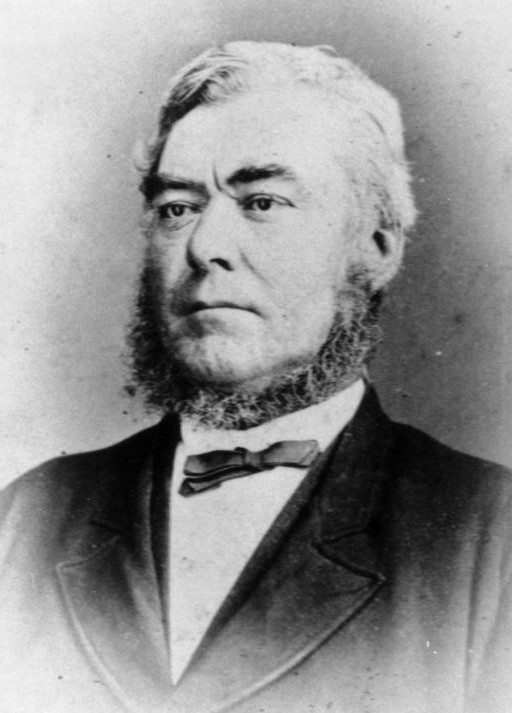
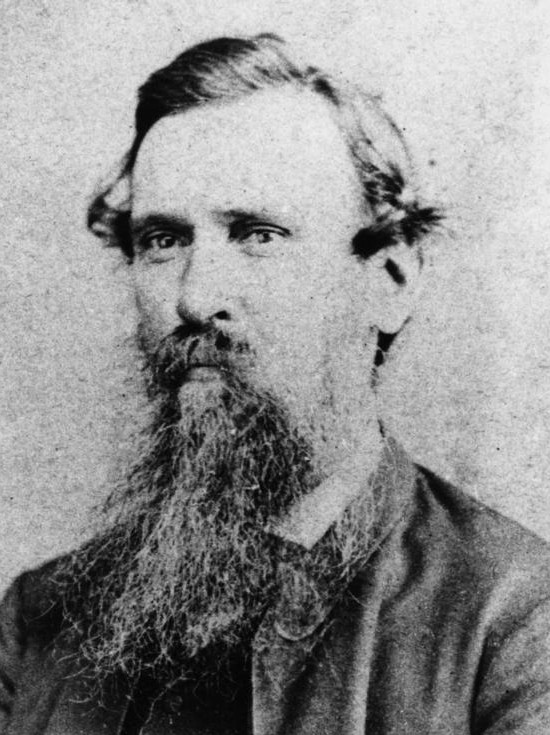
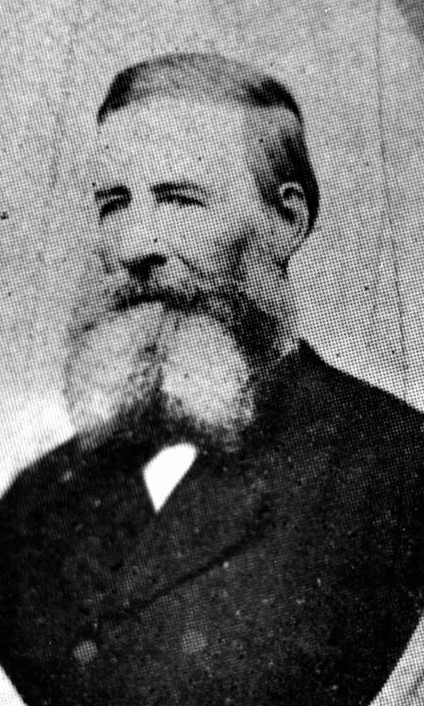
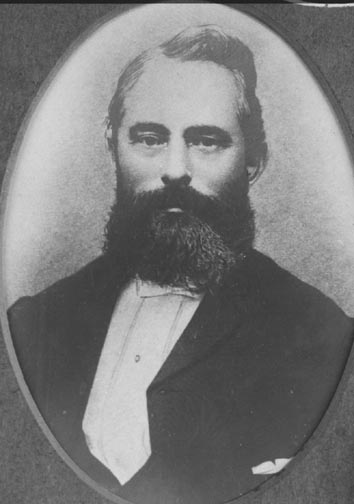
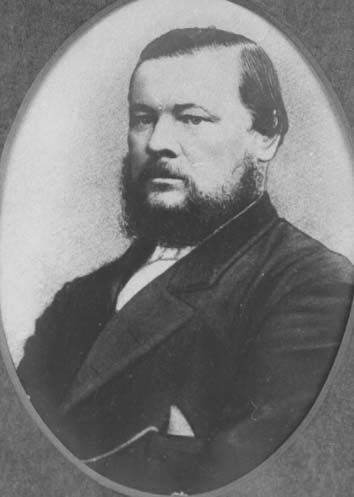
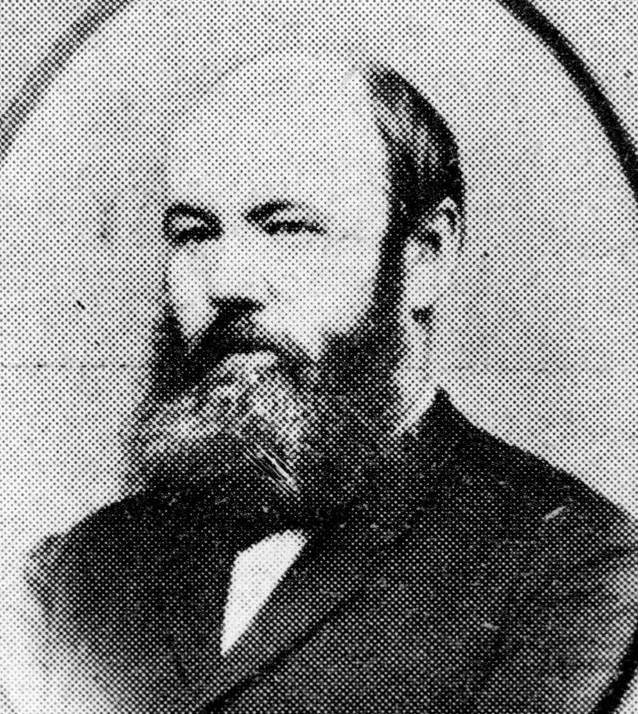
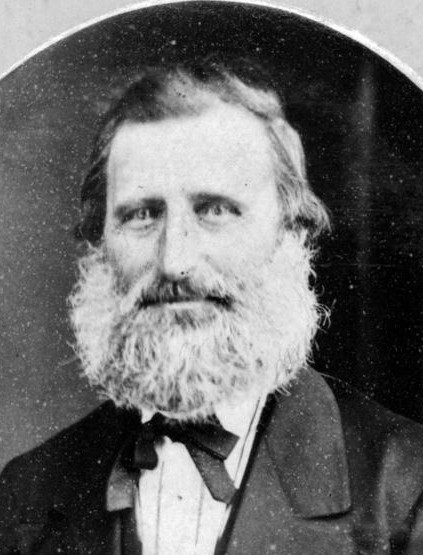
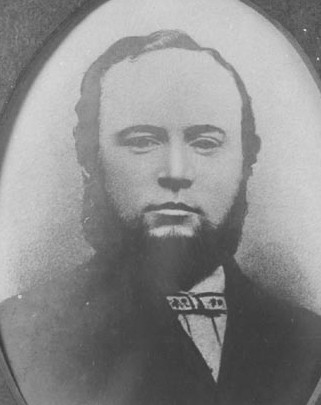
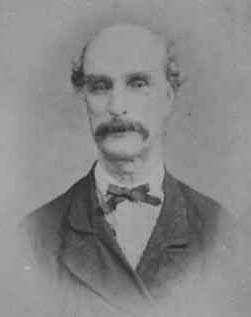
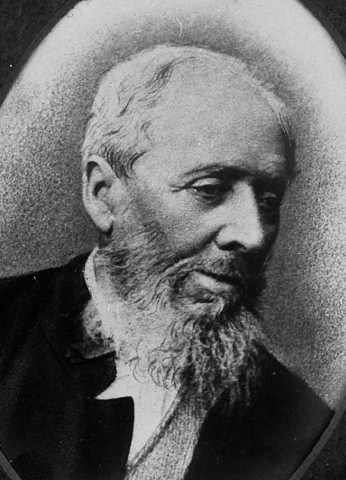
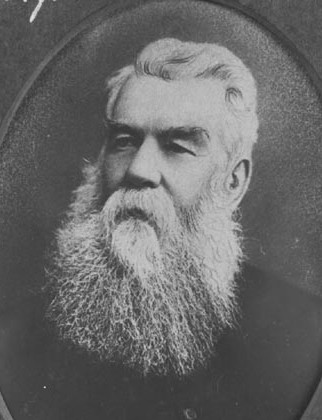
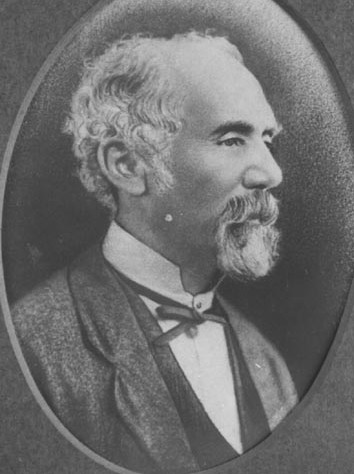
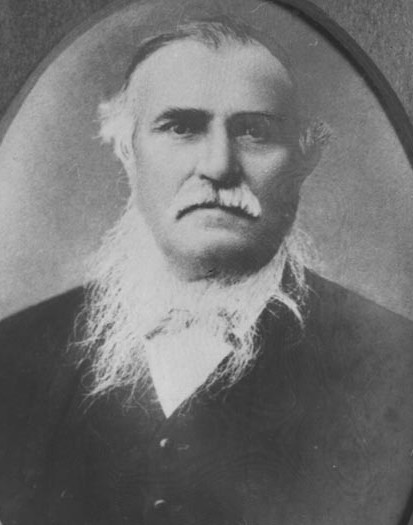
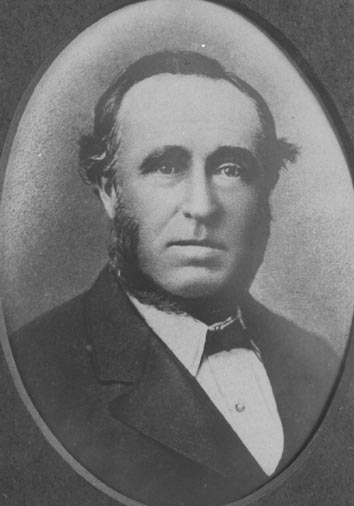
There have been so many Mayors that it became necessary to just list those of the first 20 years. The mayors here are pictured in order of term from Petrie onwards.
It was tempting, so very tempting, to picture them in order of their level of bizarre facial topiary. It could have ranged from that unhappy Mr Baines and his downturned moustache, through the wispy wonderland of Mr Heal’s neck growth, to the bushy glory of Richard Ash Kingsford’s multi-layered beard.
The Mayors of early Brisbane. And their tonsorial achievements.

 Moreton Bay and More