
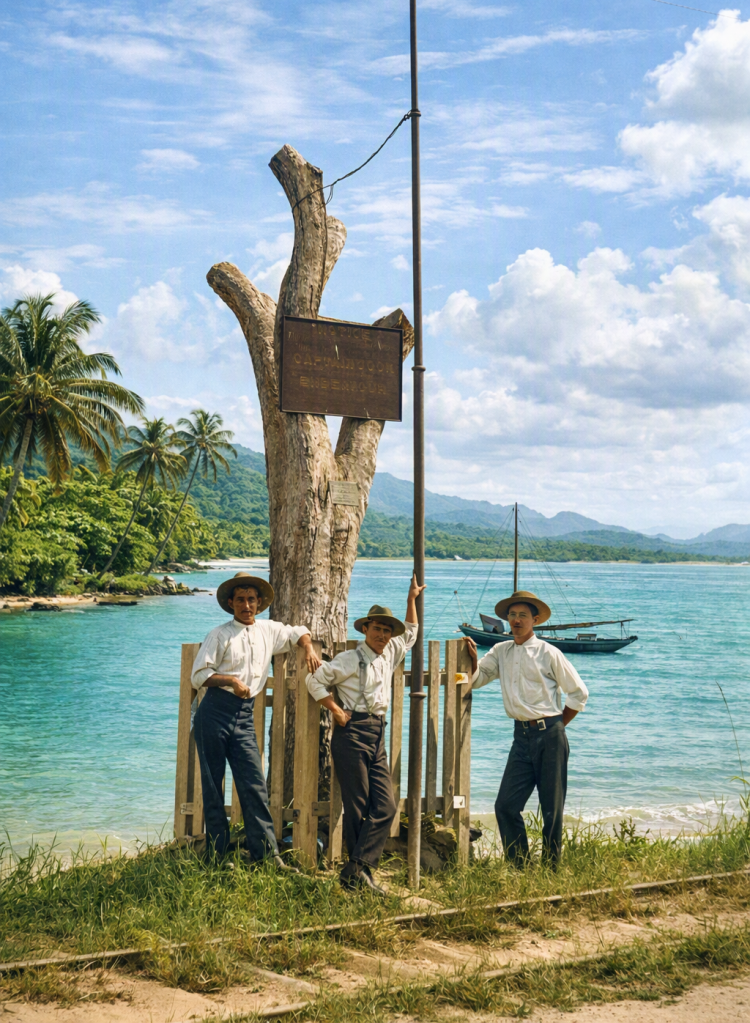
In 1770, the Endeavour, captained by James Cook, spent time in a harbour on the northern east coast of New Holland, undergoing repairs. The vessel was moored to a tree at that place, and that tree was still in situ when a settlement arose a century later.
In January 1874, Mr Macmillan, the Government Surveyor at the Endeavour River, reported on the future of a place that had just been called Cooktown. This look at the early years of Cooktown takes information from that report.
The Future City on the Endeavour.
The so-called Endeavour River is rather an arm of the sea than a river, the tidal influence extending inland about 15 miles, and being there headed by a very small fresh-water brook rising in the sandstone formation of the coast ranges. Sandstone is the general formation of the country west and north of the Endeavour, whilst the south bank and site of the future township appears to be the termination in that direction of the granite.
The landing is immediately at the entrance of the river, after rounding Grassy Hill, which forms the southern promontory of the estuary. The bar, as might be expected from the fact that there is no large body of fresh water discharging itself through the Endeavour, and consequently no considerable quantity of diluvium brought down, is not a shallow bar, and for the same reason it will probably be always open and not likely to shift.
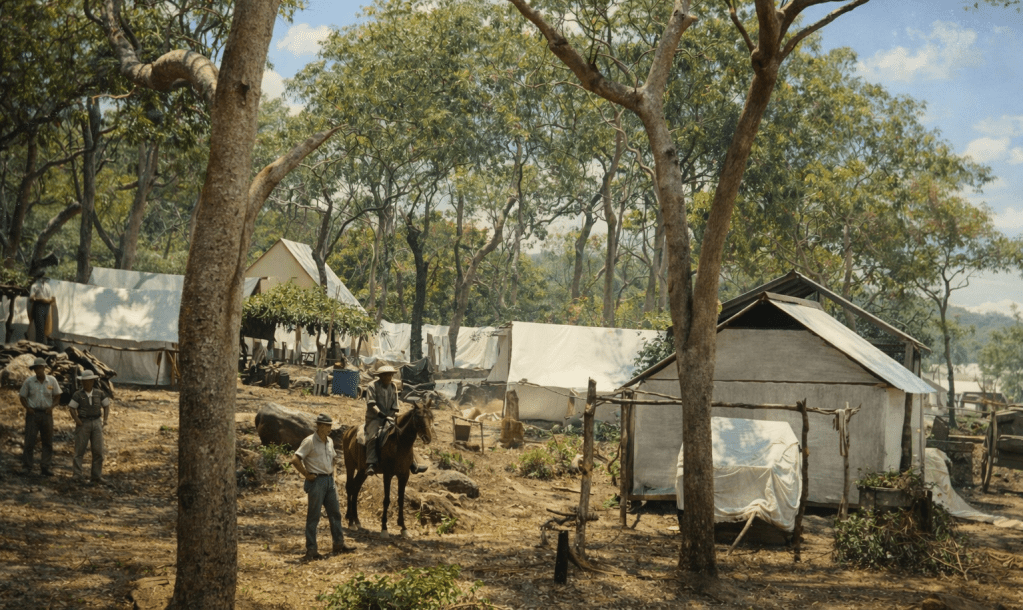
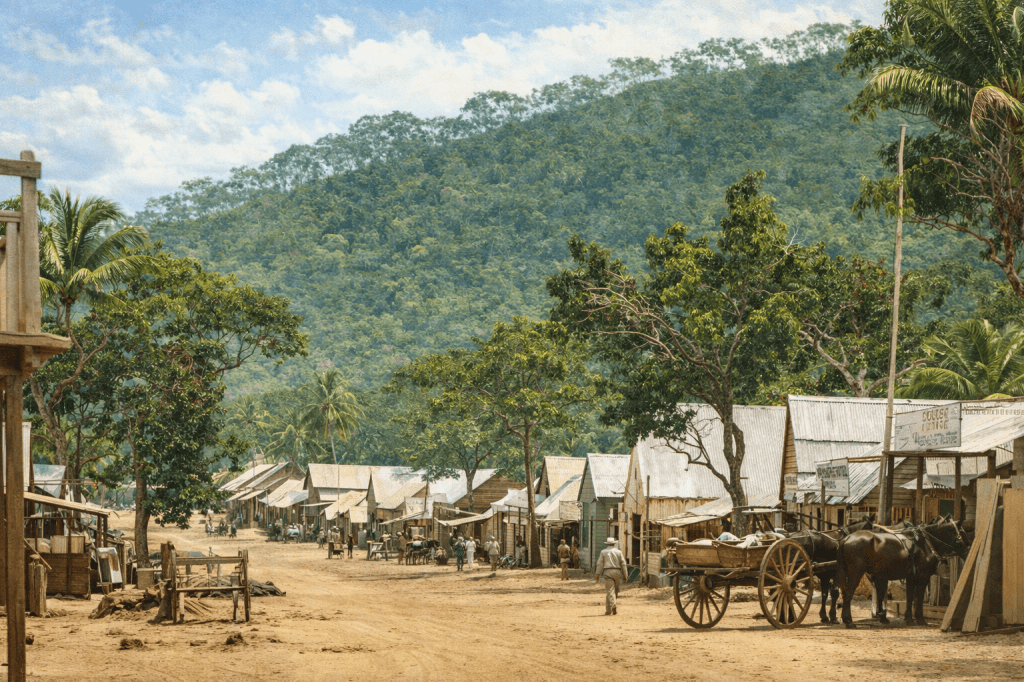
Grassy Hill is about 400 feet high, and on the seaward side comes down abruptly to the water, having at its foot nothing but a steep bank of large boulders washed by the tide. But towards the river the hill slopes down with a uniformly steep descent till within from a chain to two chains of the water, when the land becomes level, and at the water’s edge forms a steep bank, composed principally of boulders, and about four feet above high water, with a depth of water alongside of about thirteen feet at low water spring tides, gradually deepening for about half a ship’s length from the bank. This bank forms a natural wharf of about a quarter of a mile in length, which, if occasion requires, can be by a moderate outlay extended for two miles.
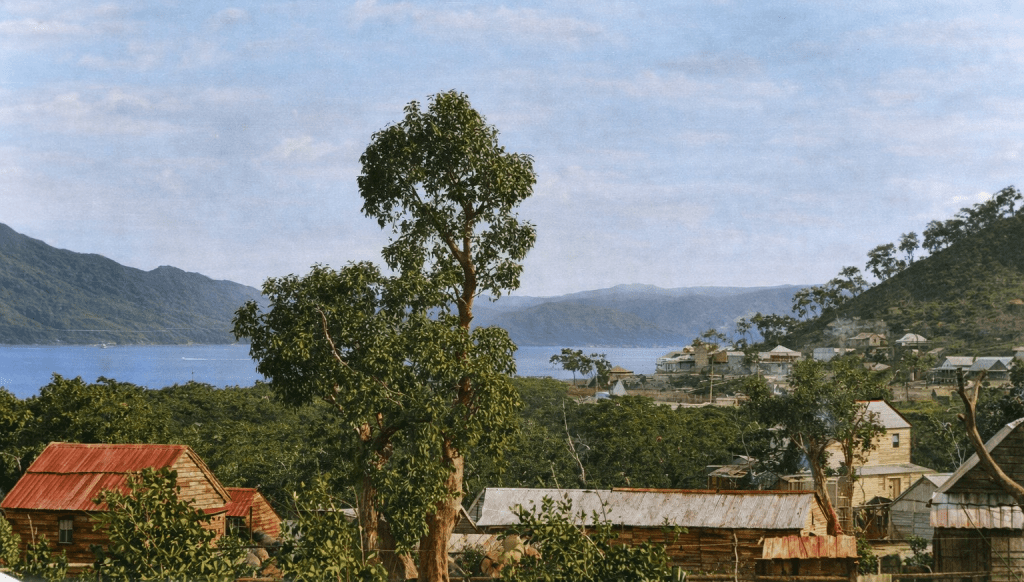
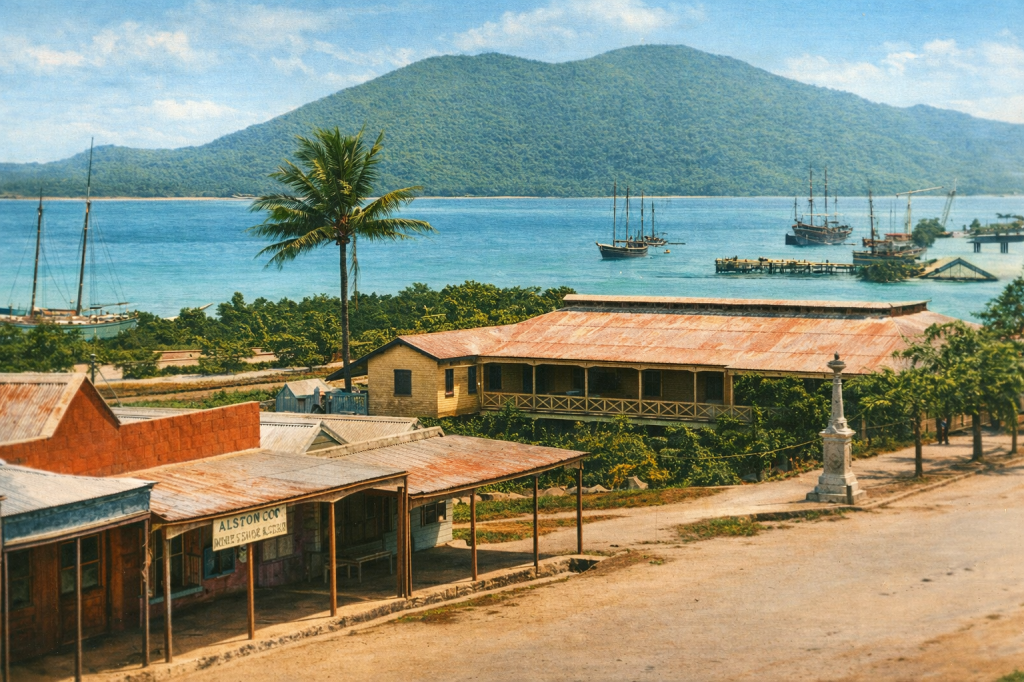
Cooktown promises to be a very healthy place, built as it will be upon undulating ridges affording excellent places of residence, and abundantly furnished with the purest spring water from the slopes of Mount Cook, an eminence 1470 feet in height situated about a mile and a half to the south-west of Grassy Hill, on the south-west slope of which latter is the site of the future Cooktown, the wharfage of course lying between the town and the river. The wharfage will undoubtedly be hot, as Grassy Hill interposes its bulk between it and the S.E. winds but the township itself will obtain the full benefit of these breezes through the gap between Grassy Hill and Mount Cook, and will consequently enjoy a temperate climate and healthy atmosphere, and, what is no small boon, will be to windward of all the flats and other places where mosquitos are likely to breed.
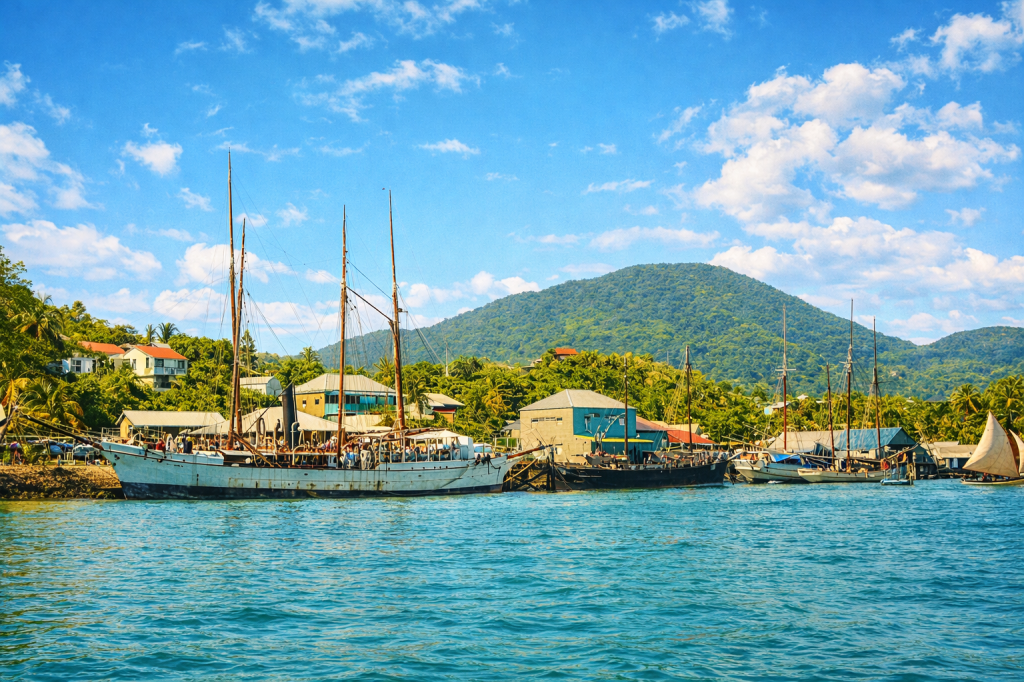
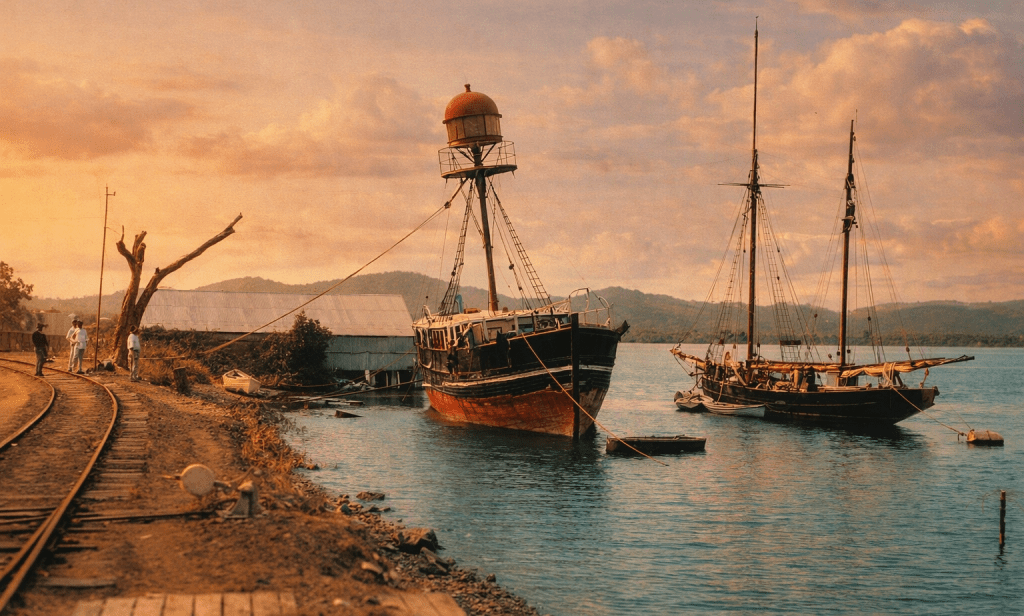
The soil is of a healthful nature and well drained, so that Cooktown is likely to be free from endemic diseases. There can be little doubt that if Cooktown is once established it will be a permanent and important settlement. The vessels from the fisheries would no doubt avail themselves of the opportunity of provisioning at Cooktown, rather than beat to windward in the teeth of the prevailing winds to Townsville or Cardwell. Again, coal of a very excellent appearance has been found within ten miles of water carriage. Specimens which Mr Macmillan has brought down from the surface retain their gloss and are apparently as full of bitumen as they can be. These Mr Macmillan intends to have tested, and if they turn out satisfactorily, and the expense of getting the coal to the water can be kept within paying limits, here will be an additional important industry to maintain a trading population at Cooktown.
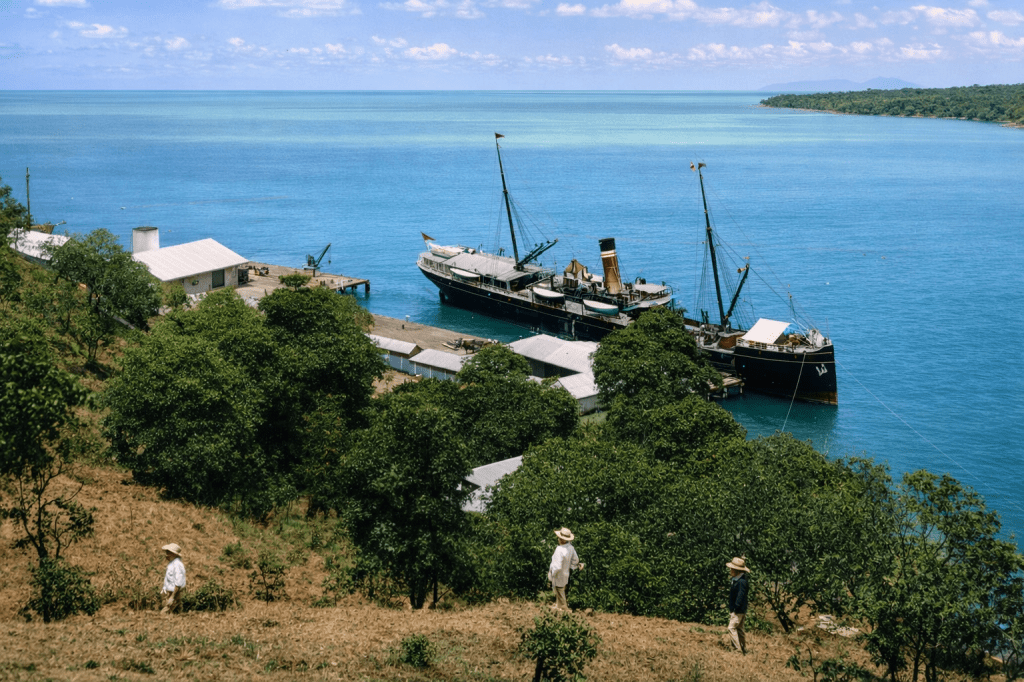
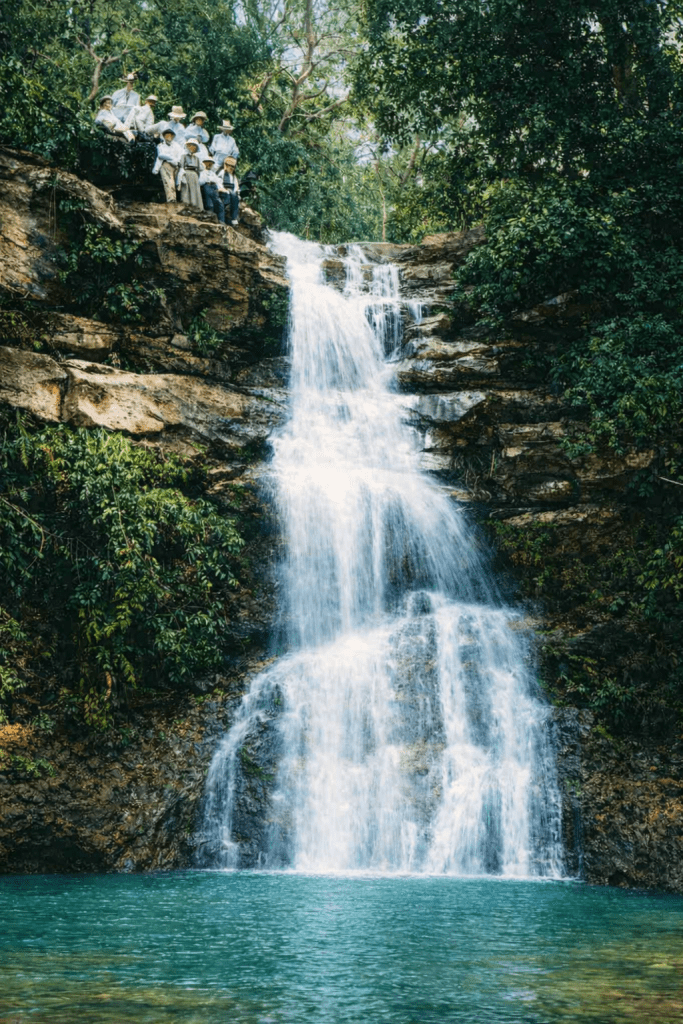
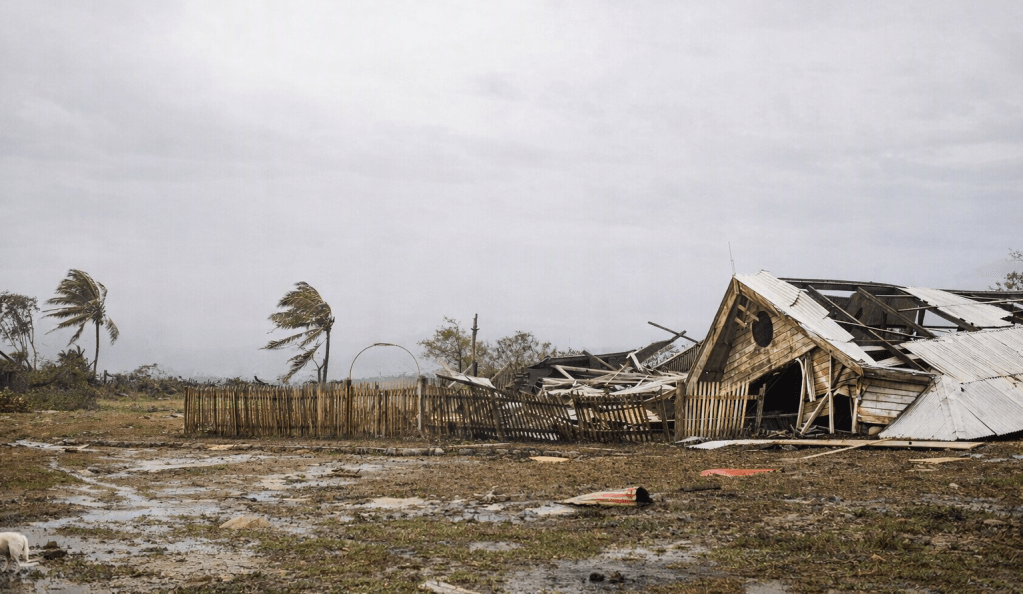
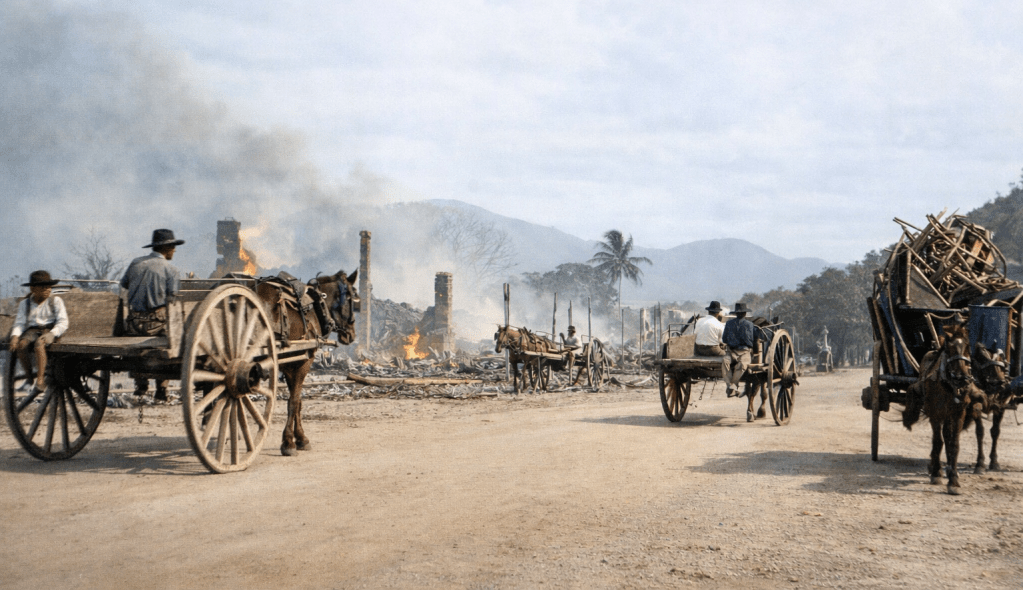
Here also the farmers on the valuable land discovered by Mr Dalrymple’s party will doubtless sell or ship their produce and obtain their stores, amongst which, especially with sugar planters, coal will form no unimportant item. On the whole a magnificent future seems to be in store for the city on the Endeavour, be that if named as proposed it will be a fitting and magnificent monument to the memory of that great man.
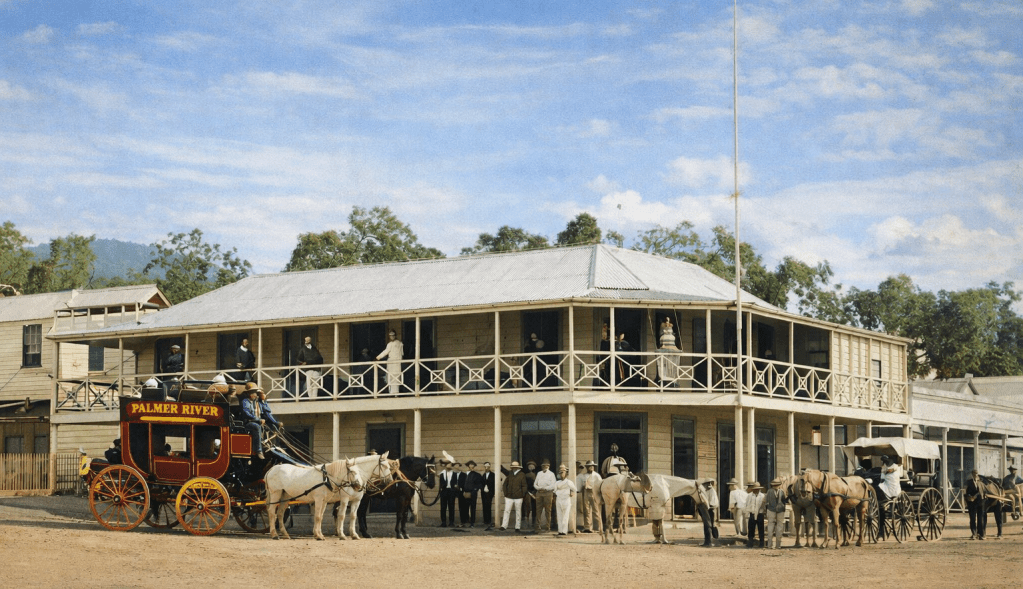
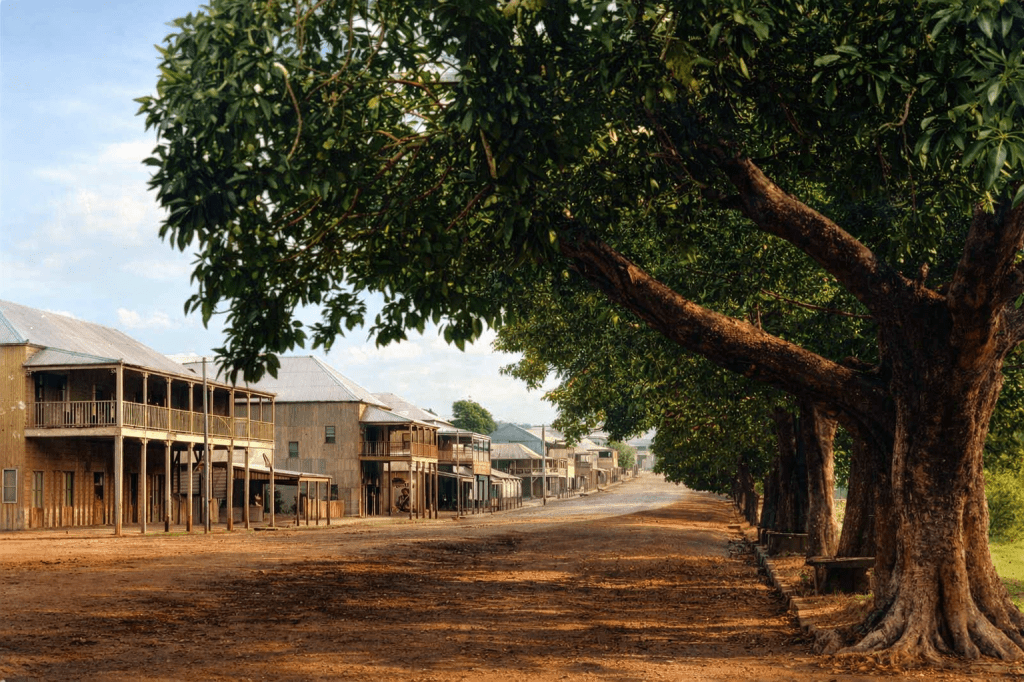
Brisbane Courier (Qld.: 1864 – 1933), Saturday 24 January 1874, page 6. “THE FUTURE CITY ON THE ENDEAVOUR.”
All images are taken from the digital collection of the State Library of Queensland and are out of copyright. AI colourisation by Copilot.

