
One of Brisbane’s notable early townsfolk was a man who set up a thriving business and raised a well-known family. He bought and sold a fortune in property, and when he passed away he was remembered as a pioneer of Old Brisbane. And he wasn’t English or Irish. His name was Dabee Singh, and heContinue reading “A true Brisbane pioneer.”
John Oxley meets Thomas Pamphlet, November 1823.
On Saturday 29 November 1823, John Oxley was taking soundings off what is now called Bribie Island. He was on a surveying journey to this this little-known part of the colony with a view to the suitability of the area for yet another penal establishment. (Nice to know that we owe our city to theContinue reading “John Oxley meets Thomas Pamphlet, November 1823.”
“One of the greatest scamps about the place.”
James Hamilton was trouble. A tough labouring man with a penchant for stealing horses, and the kind of fellow who would make life very difficult for any police officer sent to arrest him. Ipswich Chief Constable Edward Quinn had few men to spare when a warrant for Hamilton’s arrest arrived at his station. He choseContinue reading ““One of the greatest scamps about the place.””
Imagine if it happened today.
Two children are playing on a bridge. A driver, who has had a couple of drinks, gets out of his vehicle and tries to throw one of the children into the water below, tearing her jacket. He turns his attention to the younger child, a five year old boy, and throws him from the bridge.Continue reading “Imagine if it happened today.”
Ellen the Cutter – Part 2.
Sausages and insults were hurled. David Semple returned to Ipswich in late October 1858, with a Colonial Ticket of Leave allowing him to reside and work in that area. Ellen’s former partner, William Morley, had died, and she was temporarily at a loose end. It seems the couple tried to reconcile for a brief timeContinue reading “Ellen the Cutter – Part 2.”
Ellen the Cutter.
She went by many names, but the nickname “Ellen the Cutter” was the one that the press and public remembered best. How she came by that nickname was never explained but it seems to have been in common use in Ipswich when she first came to the attention of the constables in the early 1850s.Continue reading “Ellen the Cutter.”
Crime, Wanted Notices and Missing Friends.
The Queensland Police Gazette from 1864 onwards, can be found on the Queensland State Library website. It is a fascinating reflection of the early days of Queensland, its characters, crimes, and concerns. Here’s a selection from 1864-1867. The appearance of a confirmed drunkard. Keep an eye out for Awkward Tom. How to spot an escapee.Continue reading “Crime, Wanted Notices and Missing Friends.”
The most famous murder trial you’ve never heard of.
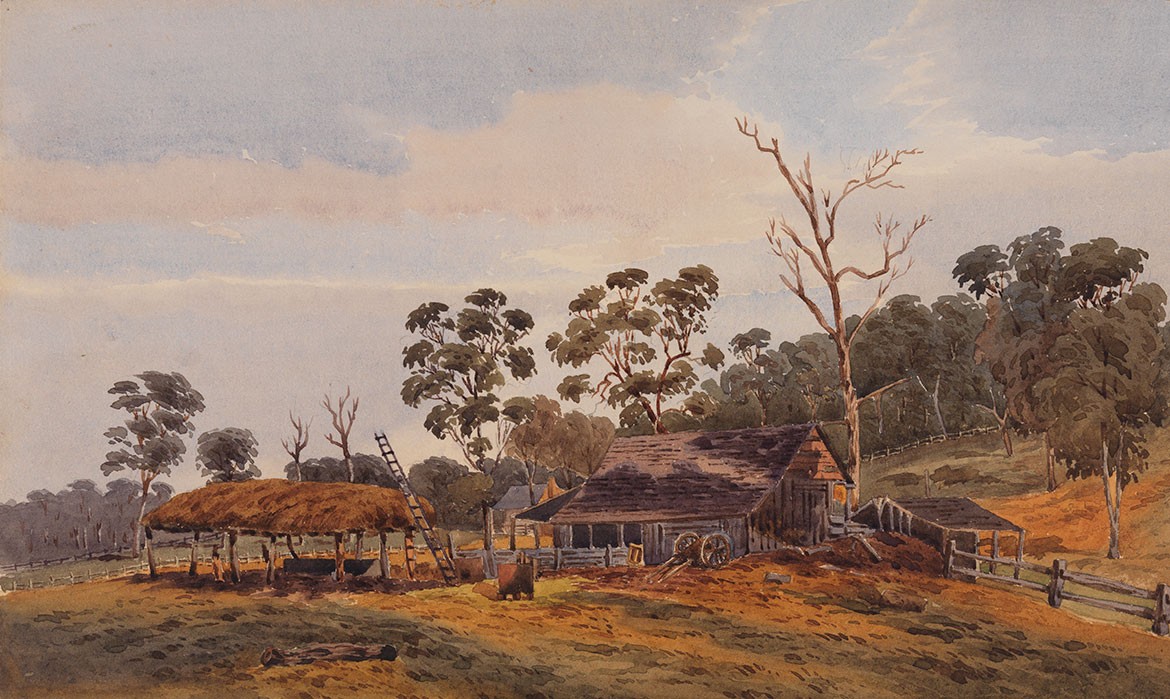
The Indooroopilly Murder. Elizabeth Lansfield was 25, and life had been hard. She’d come out to Queensland with her husband William and their two little ones in 1875. William junior had died on the voyage. While still on board, she gave birth to Winefred, named after the ship the family travelled in. Her new babyContinue reading “The most famous murder trial you’ve never heard of.”
On this day: 1864 – a distant echo of Cyclone Alfred.
On this day in March 1864, a violent weather event hit Brisbane and south-east Queensland. It may have been a tropical cyclone, or ex-tropical cyclone – the vocabulary of extreme weather events had not developed. But the account of the storm and its aftermath, as reported in the Courier, bears a striking resemblance to TropicalContinue reading “On this day: 1864 – a distant echo of Cyclone Alfred.”
The Fatal Race.
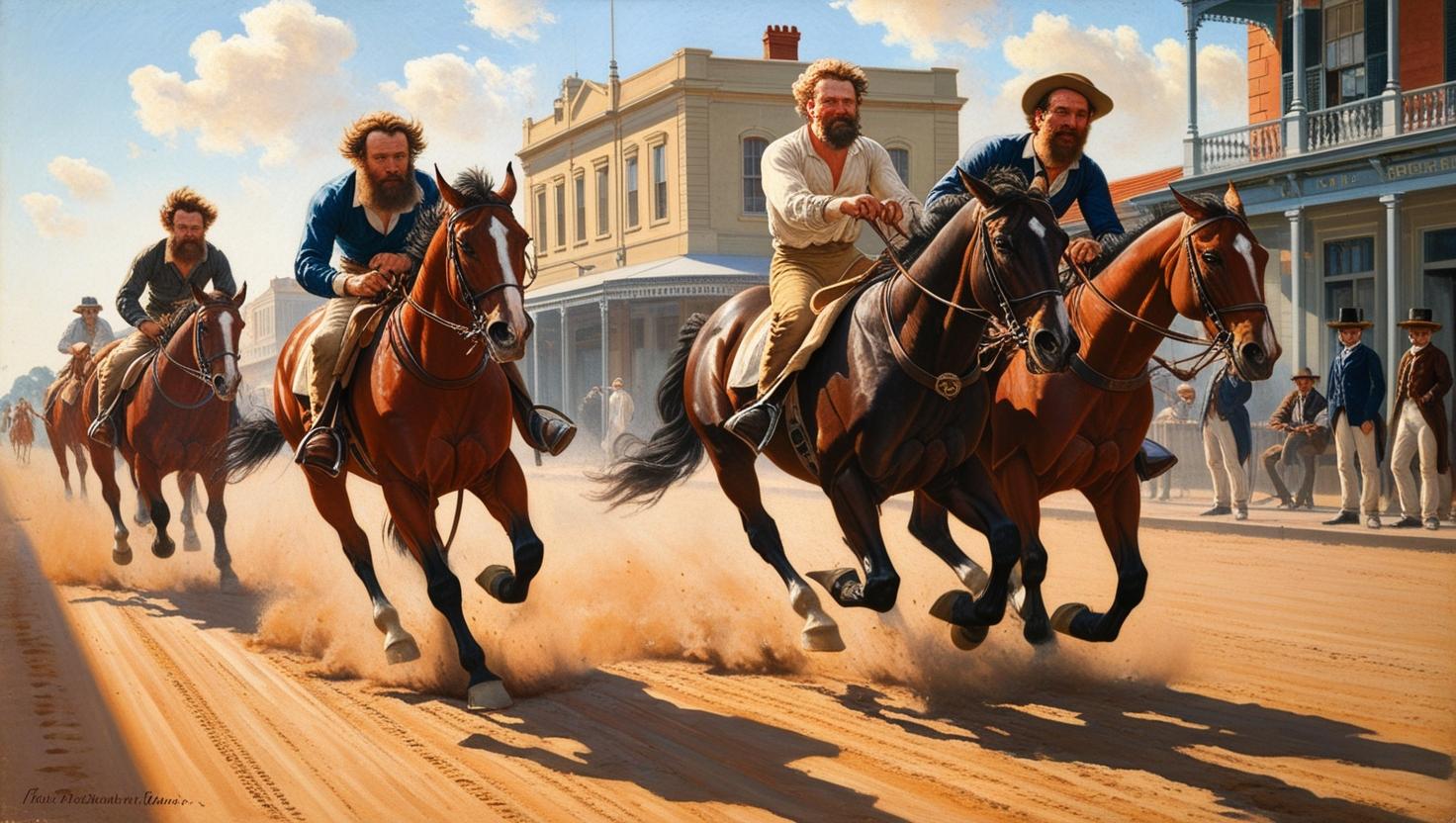
The beginning of 1850 was a time of much excitement in Brisbane Town. The Commissariat Office was seeking tenders for purchase of the “Old Windmill,” a venerable structure of some twenty-two years’ standing, and if no-one bought it, the Government was inclined to knock it down. The post office had received a small supply ofContinue reading “The Fatal Race.”

