
Agnes Conner Chilton Ferguson (and, unofficially and occasionally, Walmsley) stood only 5 feet 1 ¼ inches, but she was more than capable of intimidating husbands, neighbours and two generations of the Brisbane constabulary. Her criminal activities, fuelled by a liquor intake that would have felled a lesser being, ranged from assault to trickery to publicContinue reading “Brisbane’s Tiny Hell-Raiser.”
Other “E” stories from old Brisbane – from Electric Light to Elections.
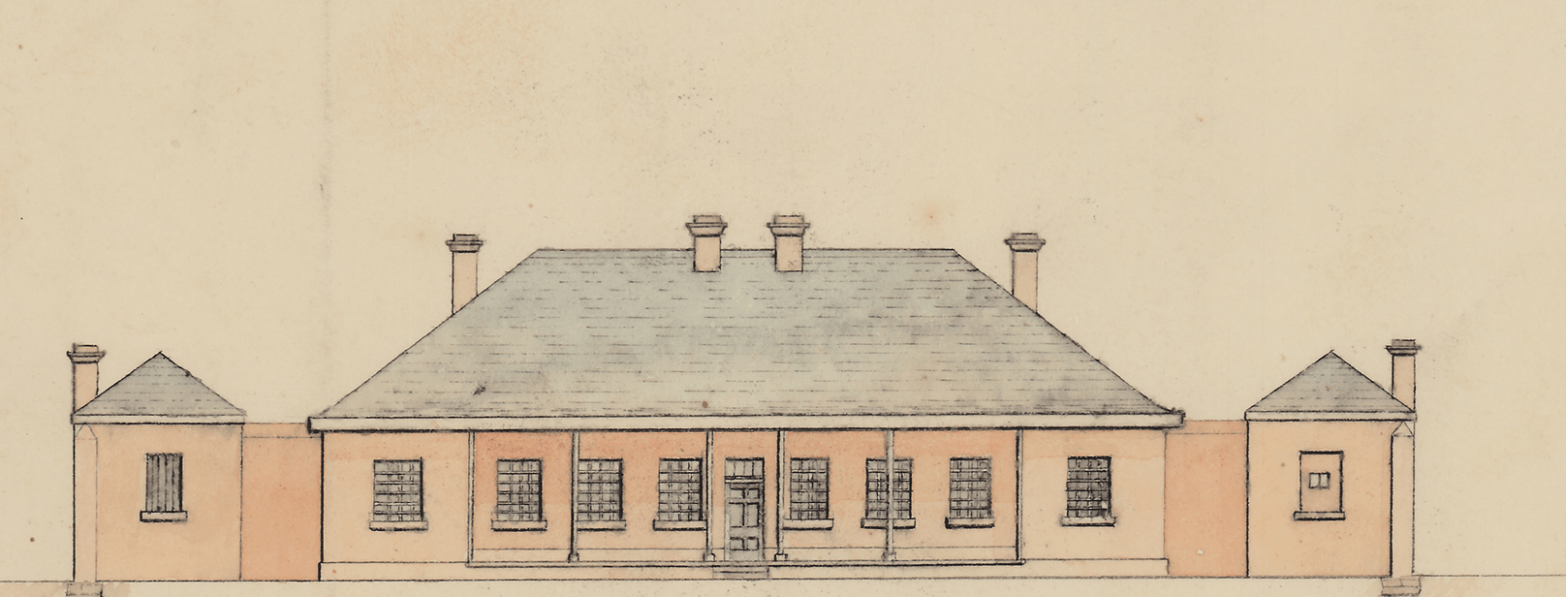
The Visit of the Duke of Edinburgh. His Royal Highness paid a visit to the Colony of Queensland. We fed him, feted him and sang at him. With varying levels of success, although HRH was unfailingly polite. At least no-one tried to assassinate him… Original post here: https://moretonbayandmore.com/2022/02/26/the-grub-train-and-the-emu-hunt-that-never-was/ George Edmondstone. George Edmondstone (1809-1883) was aContinue reading “Other “E” stories from old Brisbane – from Electric Light to Elections.”
The A-Z of Old Brisbane – from Eagle Farm to Enoggera.

Eagle Farm In 1829, several hundred convicts were set to work clearing bushland to create an agricultural establishment. According to legend, the presence of some eagles about the area led to the name “Eagle Farm.” Maize and potatoes were grown there for a few years before the place was set up as the Eagle FarmContinue reading “The A-Z of Old Brisbane – from Eagle Farm to Enoggera.”
The Man who was Restored to the World.

Guns were a dodgy prospect in the 1840s – they seemed to go off accidentally in all sorts of situations. James McClelland was cleaning a pistol loaded with ball when it went off and injured him in the thigh. Pierre Louis Raul was walking through long grass carrying a gun loaded with buckshot when theContinue reading “The Man who was Restored to the World.”
Other “D” stories – Dundalli, Davis and Dowse.
James Davis “Duramboi.” James Davis (1808-1889) was a riddle, wrapped in a mystery, inside a forbidding, taciturn man. A blacksmith’s son from Glasgow, James Davis was convicted as a teenager of “theft, habit and repute” (a thief who associates with other thieves) in 1824 and transported to New South Wales on the Minstrel. He wasContinue reading “Other “D” stories – Dundalli, Davis and Dowse.”
The A-Z of Old Brisbane: the “D” suburbs.
[Quick disclaimer: A lot of “D” suburbs that are well-established today did not appear in photograph archives or articles until well after Federation.] Darra Darra came into being as part of Dr Stephen Simpson’s Estate (Wolston and Woogaroo) in the 1840s. After 1870, Darra became a stopping-place on the Ipswich-Brisbane Train line, being about 13Continue reading “The A-Z of Old Brisbane: the “D” suburbs.”
The A-Z of Old Brisbane – some “C” stories.
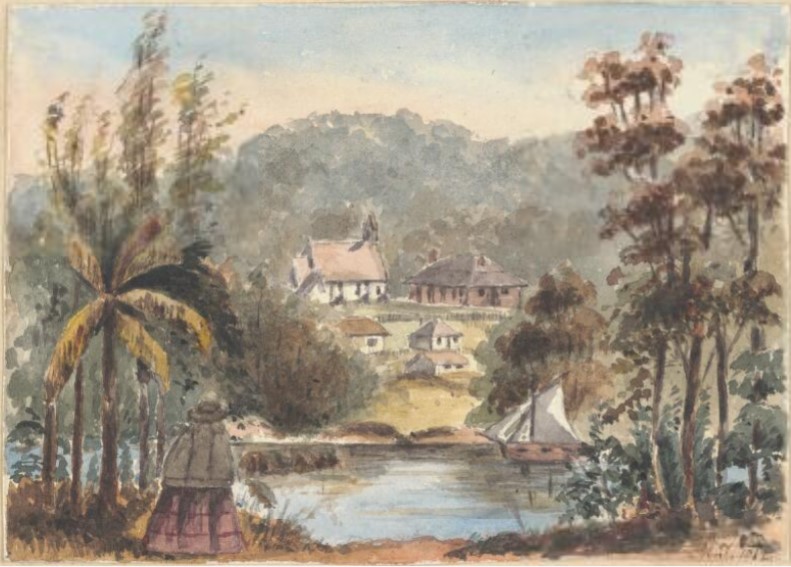
Churches. During the convict period, prisoners were mustered on Sundays and had Divine Service read to them whether they liked it or not. Moreton Bay briefly enjoyed the services of a Reverend Vincent, but he only stayed several months, returning to Sydney after suffering a bad case of Commandant Logan. Once free settlement began, housesContinue reading “The A-Z of Old Brisbane – some “C” stories.”
The A-Z of Old Brisbane – Coopers Plains, Coorparoo and Corinda.
Coopers Plains Coopers Plains is one of the oldest European settlements in Queensland. It began its existence as a rural outpost of the Moreton Bay Penal Settlement around 1828, and was named Cowper’s Plains after the Assistant Surgeon, Dr Henry Cowper. Henry Cowper was the lone physician at the Settlement for five years from 1825,Continue reading “The A-Z of Old Brisbane – Coopers Plains, Coorparoo and Corinda.”
Women at Work
A small revolution took place in the 19th century workplace. Women started to be admitted into professional and administrative fields – very slowly, and very quietly. The women were quiet about it – the men who faced what they believed to be the erosion of the natural order of things were not quiet. This isContinue reading “Women at Work”
The A-Z of Old Brisbane – Chermside and Clayfield.
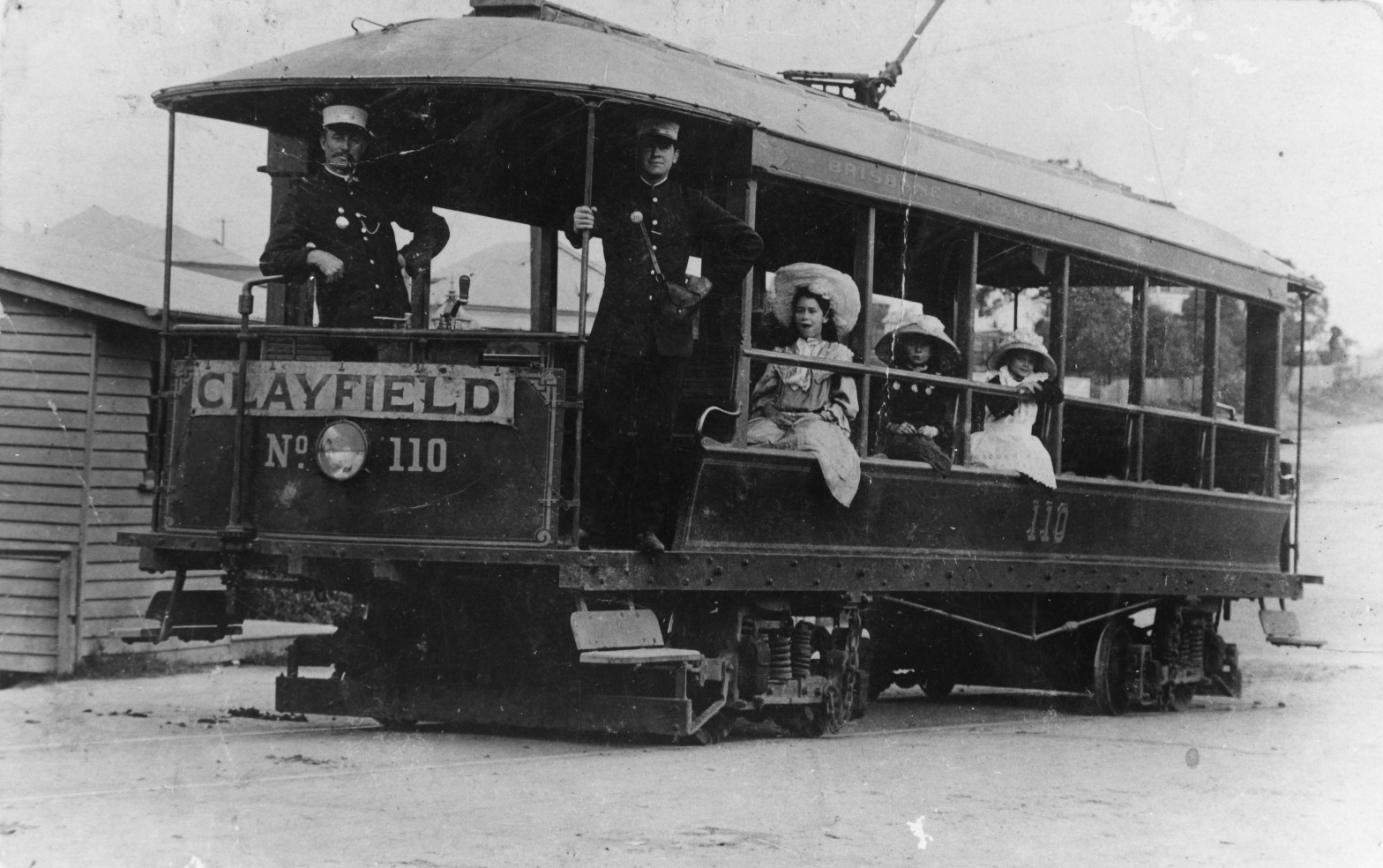
Chermside Chermside, in Brisbane’s north, grew into a suburb because of it’s location on Gympie Road. Gympie Road was the main road to the gold diggings, and gradually became the main road out of town for those heading up to the Sunshine Coast and beyond. Today, Chermside is best known for an enormous and historicalContinue reading “The A-Z of Old Brisbane – Chermside and Clayfield.”
 Moreton Bay and More