

Fairfield Fairfield’s European history began around 1850, with the establishment of dairy farms in its wetlands. The photographs here show the gradual development from farming to suburb through the 19th and early 20th centuries. L: R Crump’s Family Butcher Shop on Boggo Road, c. 1894. R: Fairfield and Dutton Park area, 1920s (BCC). Fig TreeContinue reading “The A-Z of Old Brisbane – Fairfield, Fig Tree Pocket and Fortitude Valley.”
Tag Archives: Early Photographs
“Poor devils like myself.”
Mentally Ill Prisoners at St Helena. John Haslem. Contemporary views of Muckadilla. On Monday 20 October 1879, the mail coach was on the outskirts of Muckadilla, a settlement between Roma and Charleville, when a man approached on foot. He presented a double-barreled gun and yelled, “Stop, bail up.” The coach didn’t immediately stop, apparently toContinue reading ““Poor devils like myself.””
Railways in Old Queensland, in Pictures.
I don’t know much about trains. (Early on very still mornings, I can hear the distant sound of a train horn at Grovely Station.) However, I am aware of the profound impact of rail travel in old Queensland. Goods that had previously travelled at the speed of a bullock train could arrive in hours onContinue reading “Railways in Old Queensland, in Pictures.”
The A-Z of Old Brisbane – from Eagle Farm to Enoggera.

Eagle Farm In 1829, several hundred convicts were set to work clearing bushland to create an agricultural establishment. According to legend, the presence of some eagles about the area led to the name “Eagle Farm.” Maize and potatoes were grown there for a few years before the place was set up as the Eagle FarmContinue reading “The A-Z of Old Brisbane – from Eagle Farm to Enoggera.”
The Man who was Restored to the World.

Guns were a dodgy prospect in the 1840s – they seemed to go off accidentally in all sorts of situations. James McClelland was cleaning a pistol loaded with ball when it went off and injured him in the thigh. Pierre Louis Raul was walking through long grass carrying a gun loaded with buckshot when theContinue reading “The Man who was Restored to the World.”
The A-Z of Old Brisbane: the “D” suburbs.
[Quick disclaimer: A lot of “D” suburbs that are well-established today did not appear in photograph archives or articles until well after Federation.] Darra Darra came into being as part of Dr Stephen Simpson’s Estate (Wolston and Woogaroo) in the 1840s. After 1870, Darra became a stopping-place on the Ipswich-Brisbane Train line, being about 13Continue reading “The A-Z of Old Brisbane: the “D” suburbs.”
The A-Z of Old Brisbane – some “C” stories.
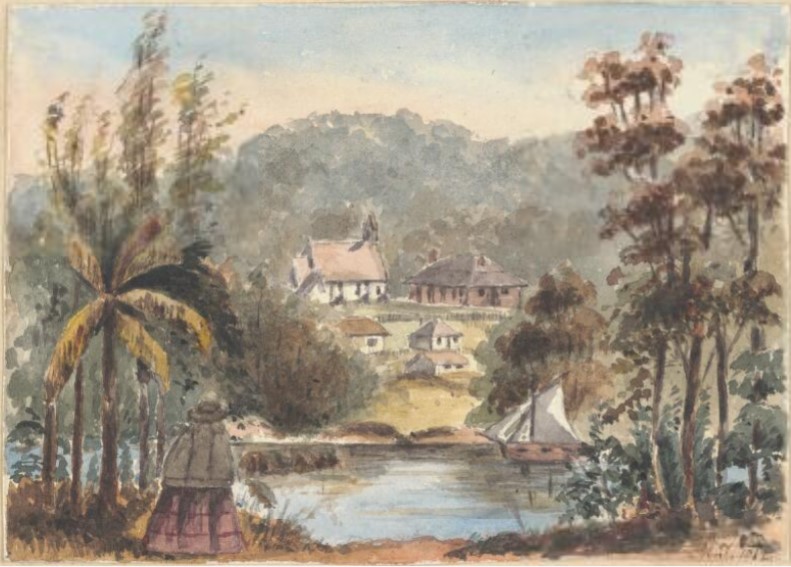
Churches. During the convict period, prisoners were mustered on Sundays and had Divine Service read to them whether they liked it or not. Moreton Bay briefly enjoyed the services of a Reverend Vincent, but he only stayed several months, returning to Sydney after suffering a bad case of Commandant Logan. Once free settlement began, housesContinue reading “The A-Z of Old Brisbane – some “C” stories.”
Women at Work
A small revolution took place in the 19th century workplace. Women started to be admitted into professional and administrative fields – very slowly, and very quietly. The women were quiet about it – the men who faced what they believed to be the erosion of the natural order of things were not quiet. This isContinue reading “Women at Work”
The A-Z of Old Brisbane – Chermside and Clayfield.
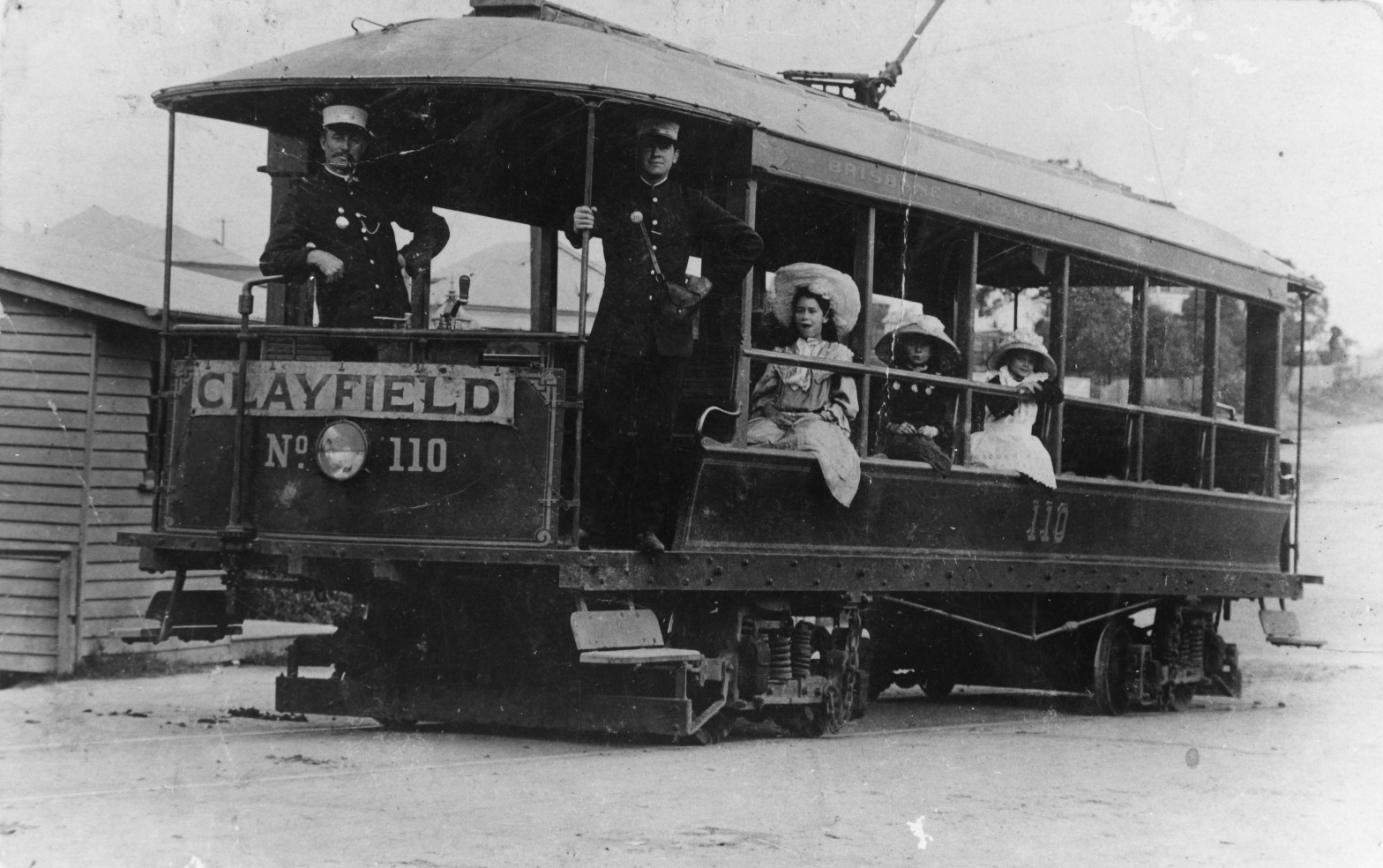
Chermside Chermside, in Brisbane’s north, grew into a suburb because of it’s location on Gympie Road. Gympie Road was the main road to the gold diggings, and gradually became the main road out of town for those heading up to the Sunshine Coast and beyond. Today, Chermside is best known for an enormous and historicalContinue reading “The A-Z of Old Brisbane – Chermside and Clayfield.”
The A-Z of Old Brisbane – Camp Hill, Cannon Hill and Chelmer.
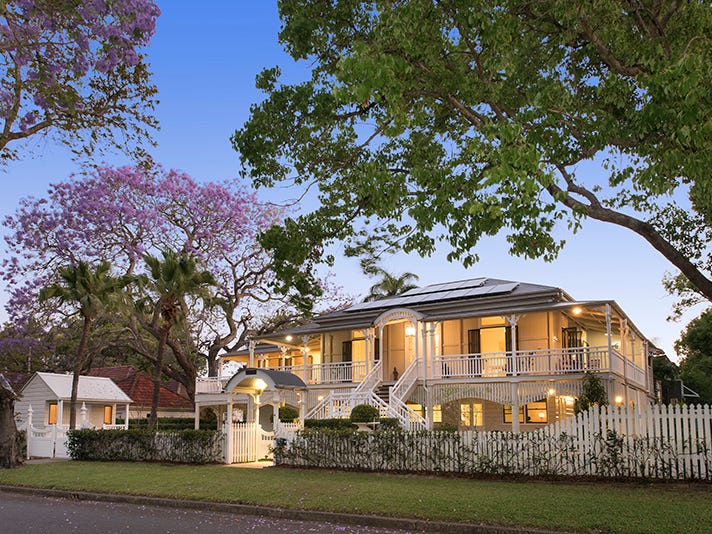
Camp Hill Camp Hill gets its name from either the Four Mile Camp (a stopover on the road to bayside Cleveland), or from a place where bullock teams camped when loaded with supplies for Cleveland. At any rate, people camped there and there were hills. Cannon Hill Cannon Hill, also quite close to the city,Continue reading “The A-Z of Old Brisbane – Camp Hill, Cannon Hill and Chelmer.”
 Moreton Bay and More