
In 1871, a photographer named William Boag arrived in the Colony of Queensland, and took his camera and portable darkroom on the road, exploring Brisbane and surrounds, then venturing south-west to Stanthorpe in 1872.
Boag had previous experience in studio photography in Sydney, but it was out on the road, capturing people and places that had never been photographed before, that he made his mark.
The photos from the Beenleigh district and Stanthorpe show the new settlers trying to tame their environment, make their endeavours a success and establish communities. The buildings, worksites and houses are captured in full in the photos, sometimes dwarfing the people in the foreground, but they still show the enterprise and good humour of the bush families.
Life in the Brisbane Region – Homesteads and Sugar
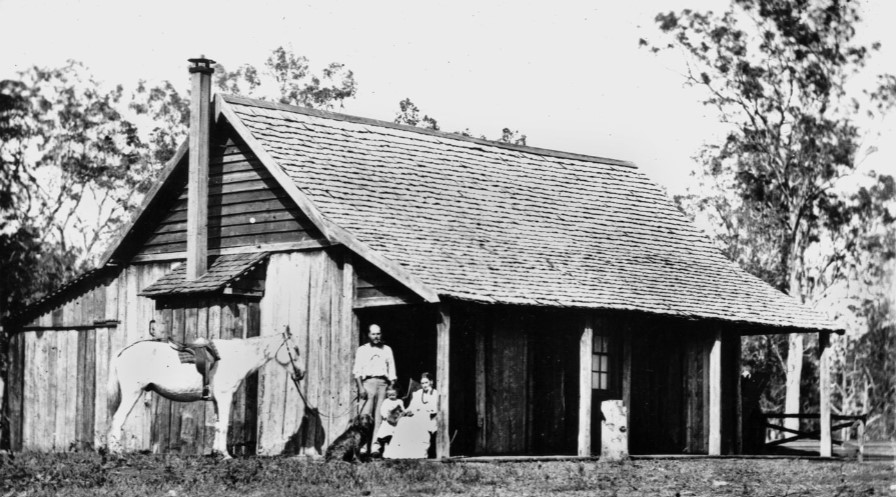
A settler family in the Beenleigh district in the 1870s pose for the travelling photographer, William Boag. The sit at the edge of their verandah, peering out into the sunlight while the stranger captures a photograph of them in front of their house. Their house not particularly pretty or ornate, but it’s a long way from the bark or slab huts some settlers lived in. The house has a good roof, glazed windows and a verandah capable of giving deep shade.
The couple have a little child (probably a girl from the clothing), a remarkably well-behaved dog capable of working as well as being a pet, and a good well-fed horse. Life is not easy, but hard work has borne fruit.
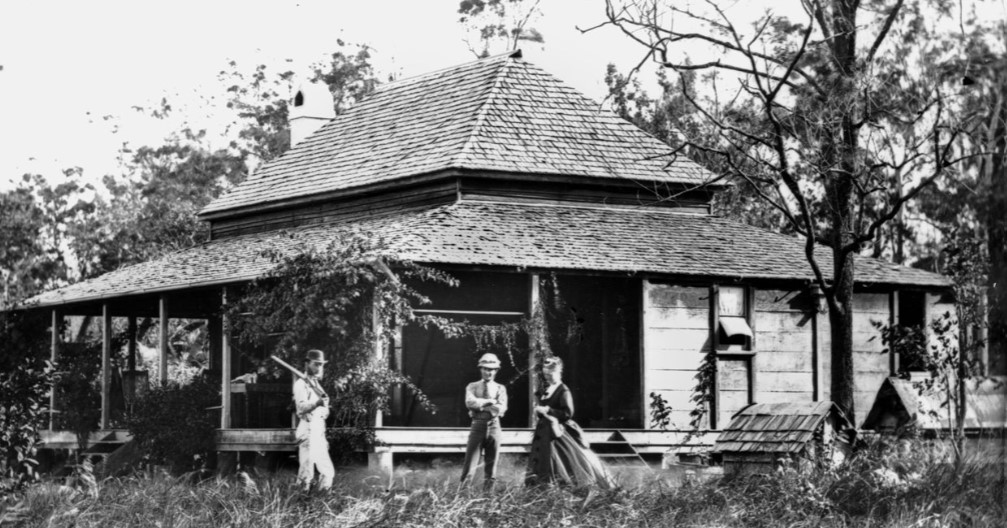
Closer to the coastline at Nerang, settlers pose for Boag outside their home. They are better off than the Beenleigh family, having a more ornate roof and verandah, and clothes that speak of more social status and leisure time. Because of the distance from the subjects, it’s hard to know what relation these people are to each other – possibly husband and wife and grown son. The man at the right is posing with his gun, and the man in the centre seems to be sporting a pith helmet. The presence of firearms in these photos is jarring to the modern eye, but the gun was probably employed for snake control. After all, the grass badly needed cutting, and they were about to have a painful bougainvillea problem. Anything could be lurking in there.
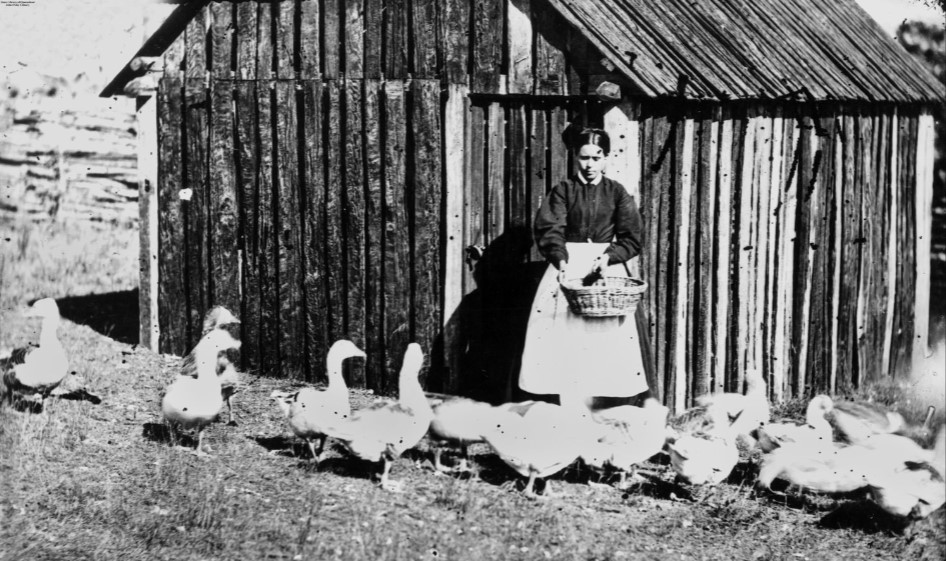
Here, a farm woman tends to a flock of geese outside a rough wooden hut.
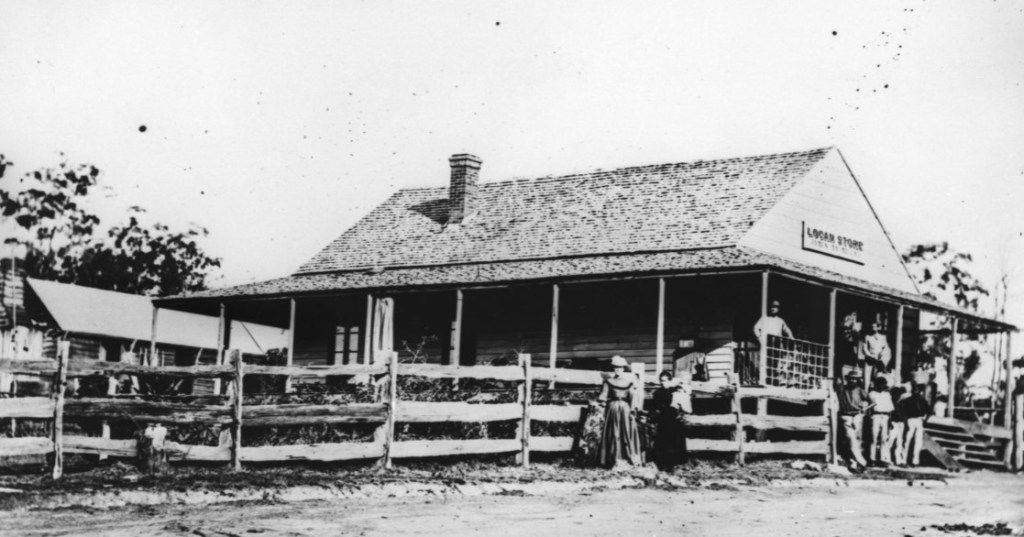
This is the Logan Store in the Beenleigh District in 1871. Note the social distancing being practiced by the matron with nurse and child and the workmen at the entrance to the store. Social class distancing. Stores were few and hard to get to. A family would make infrequent visits to buy what it could not produce, and most of the Brisbane city stores had a mail-order business for those in the outback.
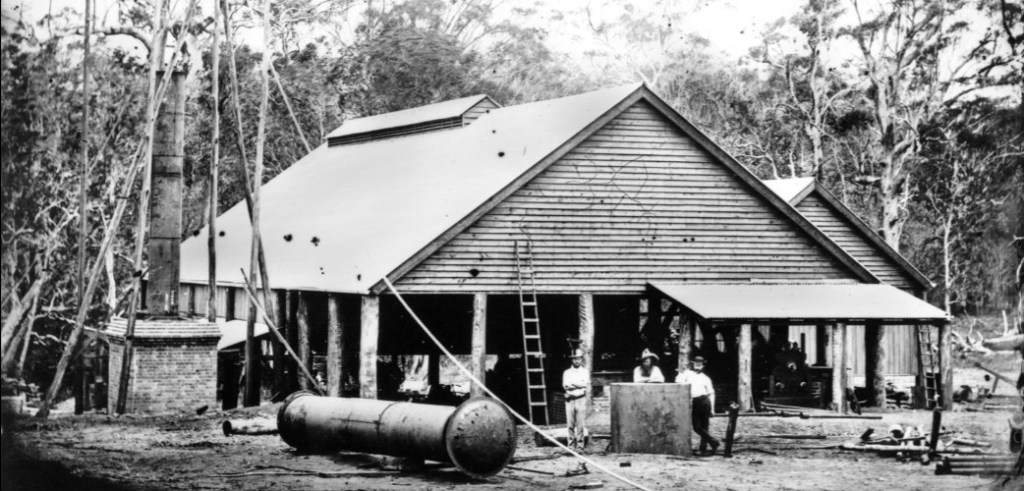
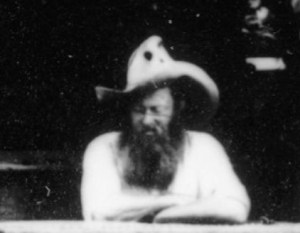
Three men take a smoko – a break – from the hot, hard work of raising a chimney at a property in the Redland district. The gentleman in the centre sports a truly impressive straw hat to keep the sun at bay. This part of the world is now firmly in the Bayside suburbs.
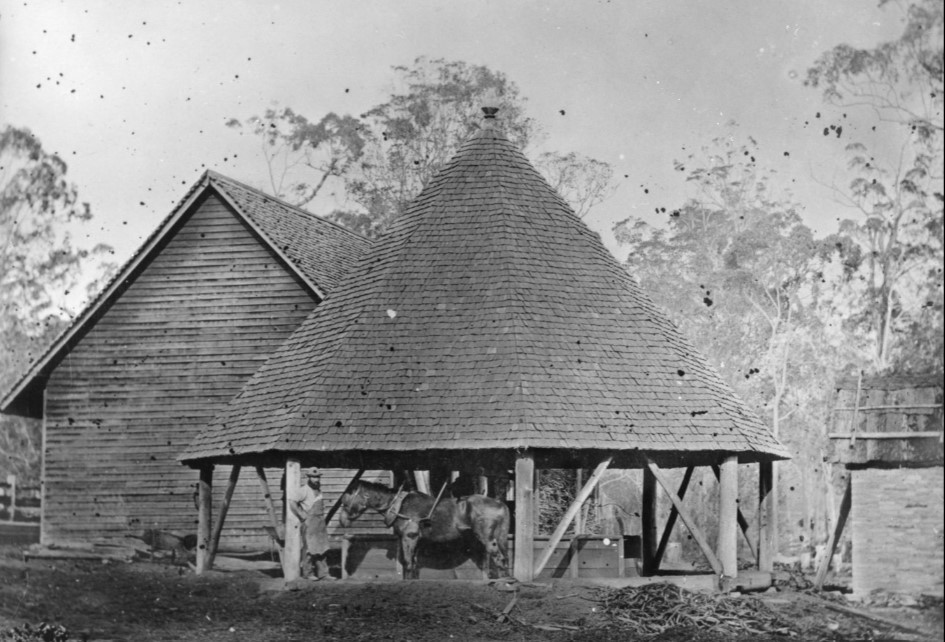
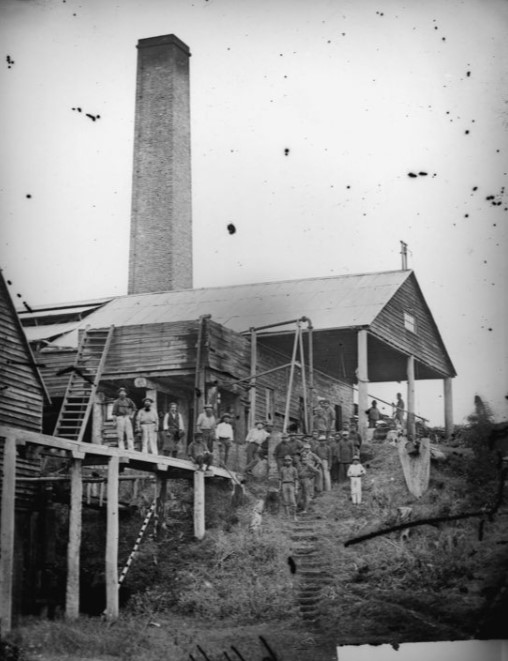
Settlers in the Redlands district saw sugar cane as a suitable crop, due to the quality of the soil and the sub-tropical climate. Major A.J. Boyd had a sugar plantation, with a sugar crushing mill on site, powered by a no doubt very patient and hard-working horse. Below, the Ormiston Sugar Mill in 1871.
Eventually, the Redlands sugar industry could not compete with the vast plantations of the tropical north, which were built and sustained by the slave labour of South Sea Islanders.
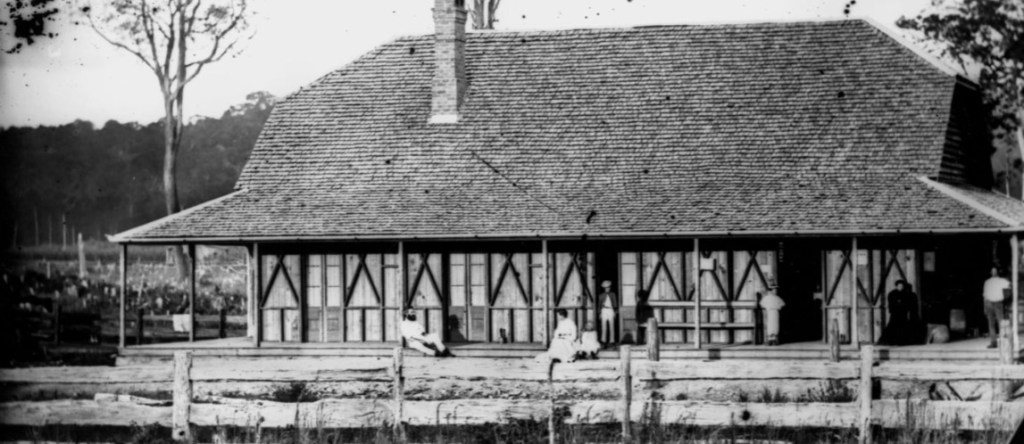
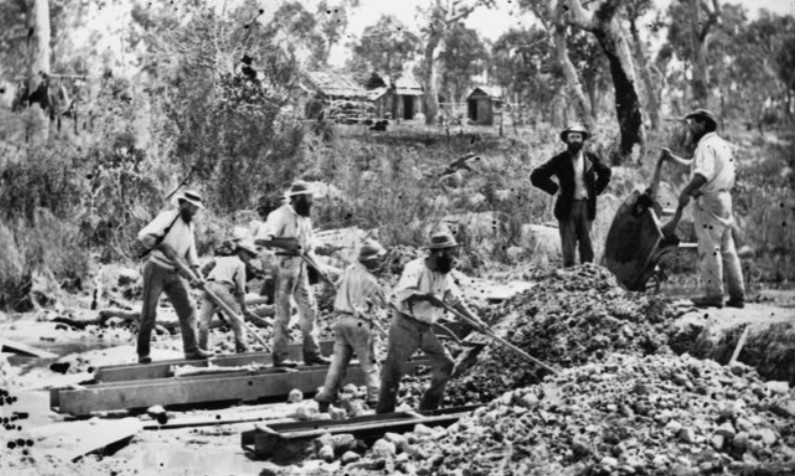
Stanthorpe in the Tin Mining Boom
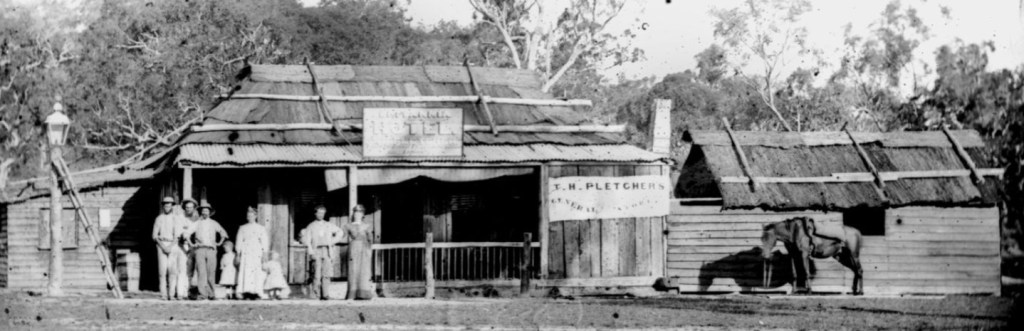
In 1872, Mr Boag and his mobile studio moved from the Logan to the new township of Stanthorpe, close to the Queensland border. At the time, the town was experiencing a growth spurt, due to the tin mining enterprises that had set up nearby. This wondrous establishment is the Britannia Hotel, Stanthorpe. The rough-hewn bark roof and tin awning is offset, slightly, by the street lantern (which is in the process of being repaired or installed, judging by the ladder).
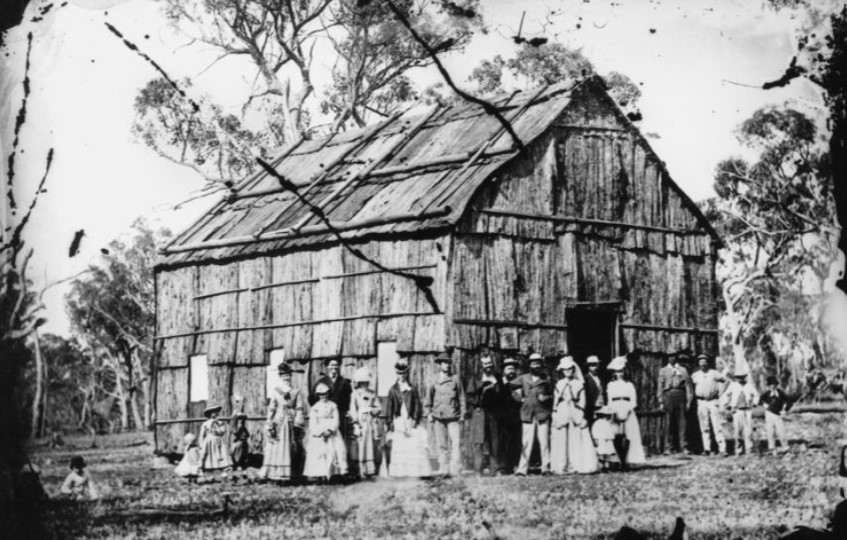
A wedding at the Stanthorpe Presbyterian Church in December 1872. For all the decidedly rustic appearance of the church, the families and guests are turned out in their best, and everyone looks remarkably happy. That’s one of the striking things about these pioneer photos – life is hard, the buildings are rough, but everyone is cheerful and optimistic.
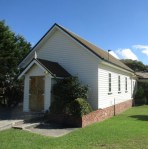
The tin mining boom went down with the price of tin in later years, but the area was found to be superb for vineyards and fruit cultivation. There are now endless opportunities to have a picturesque wedding in the region, and the gorgeous vineyard estates are just begging couples to Instagram the heck out of their happy day. And the Presbyterian Church has improved a touch.
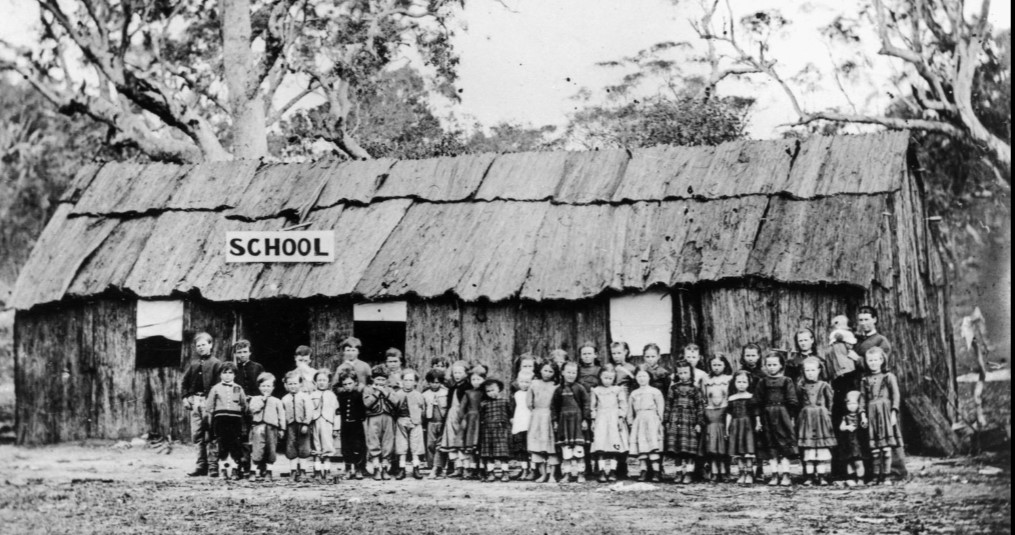
Here’s the Stanthorpe School in 1873, clearly a product of Stanthorpe’s favourite (only?) builders in the 1870s. There are plenty of young students, which shows the number of young families in the town at the time. The building is carefully signed “School,” presumably to distinguish it from the other bark and slab edifices around. You wouldn’t want someone showing up there wanting accommodation or get married.
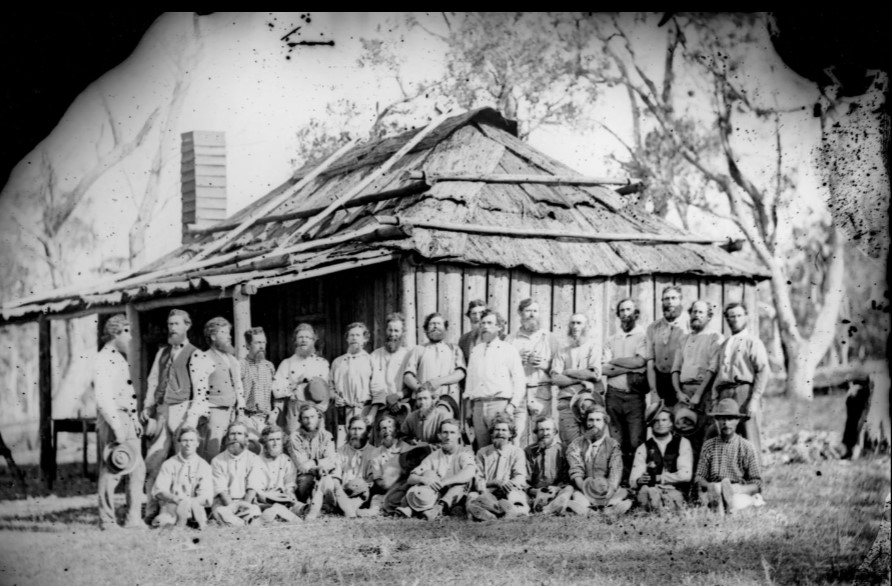
From the tin mines of Stanthorpe, William Boag travelled to the new sugar cane frontier of Mackay, and he then made several excursions to the far north, before passing away in 1878.
All of these photographs are part of the State Library of Queensland’s collection.
 Moreton Bay and More
I believe William Boag is a relative. Of my mother Patricia Boag
LikeLike