
Englishman Richard Daintree joined the Victorian gold rush in the 1850s. He had no success in prospecting, but became a geologist, surveyor and photographer. Here are some of his photos of outback Queensland in the 1860s.
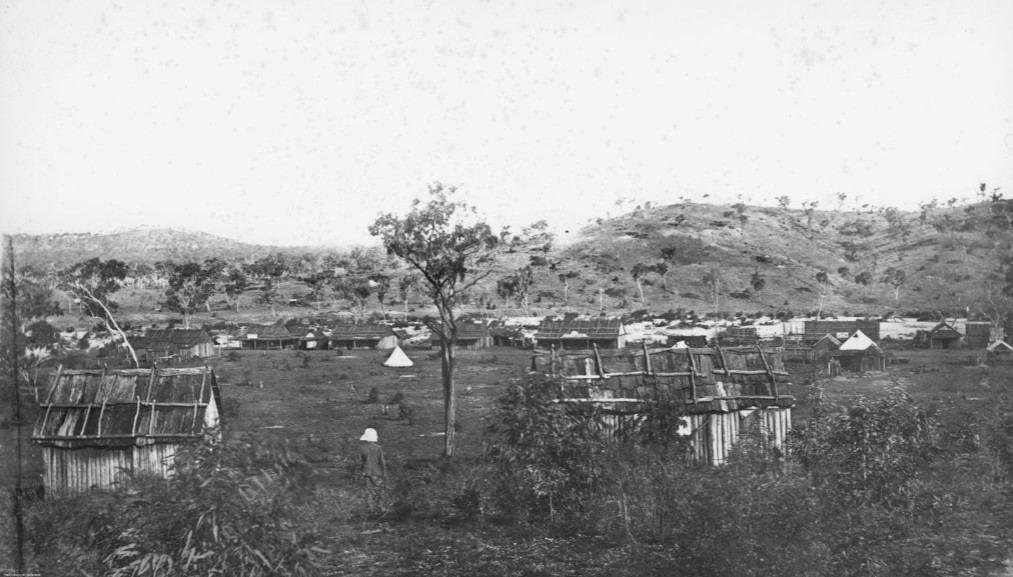
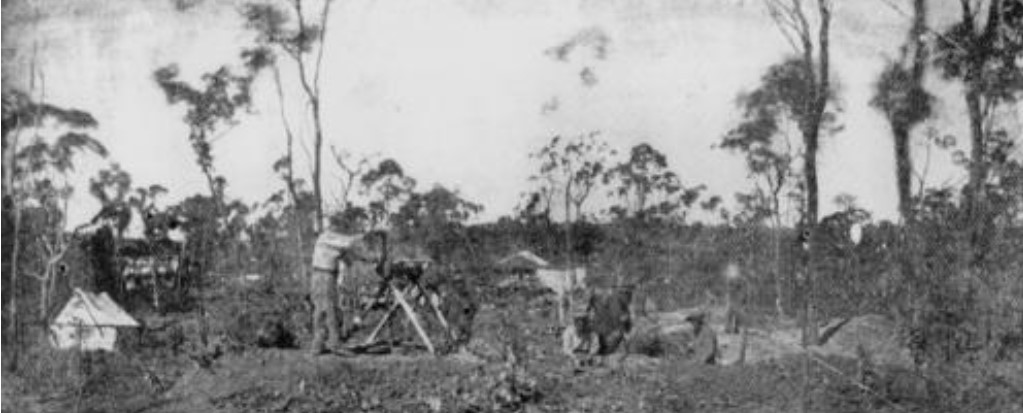
Gold prospecting was a long, hard, often fruitless slog. Daintree’s photographs of the area, and the characters who worked the mines bring that hard, adventurous time to life. The first two photographs are from an album of Daintree’s mining boom photographs at the State Library of Queensland.
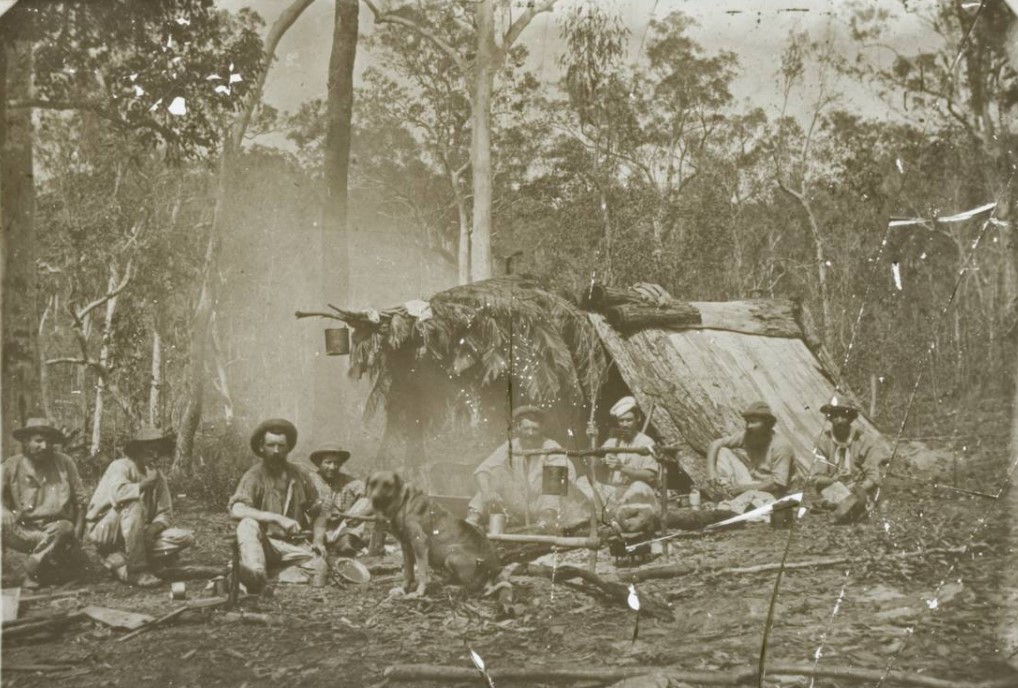
This photograph of men at their campfire with their trusty dog in the foreground is from the collection of the National Museum of Australia. It was originally a broken photographic glass plate, and was restored and repaired by ANM staff. The photo shows a large tent with a leaf bower, the tin pots and billies, and the relaxed demeanour of the subjects. Life is hard, but the camp has been set up, the billy is boiling, and it’s time to relax.
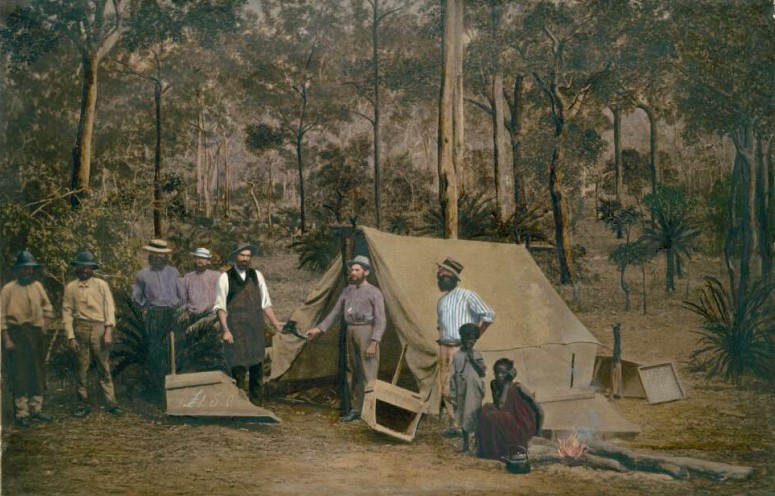
The Gold Sale depicts a group of miners making a deal at their site. It is taken from an original albumen photograph, painted over with oil paints, from the collection at the National Library of Australia. The use of colour on the photo makes it so much more immediate and lifelike to 21st century viewers. The vegetation in the background may place the gold sale in the Rockhampton area.
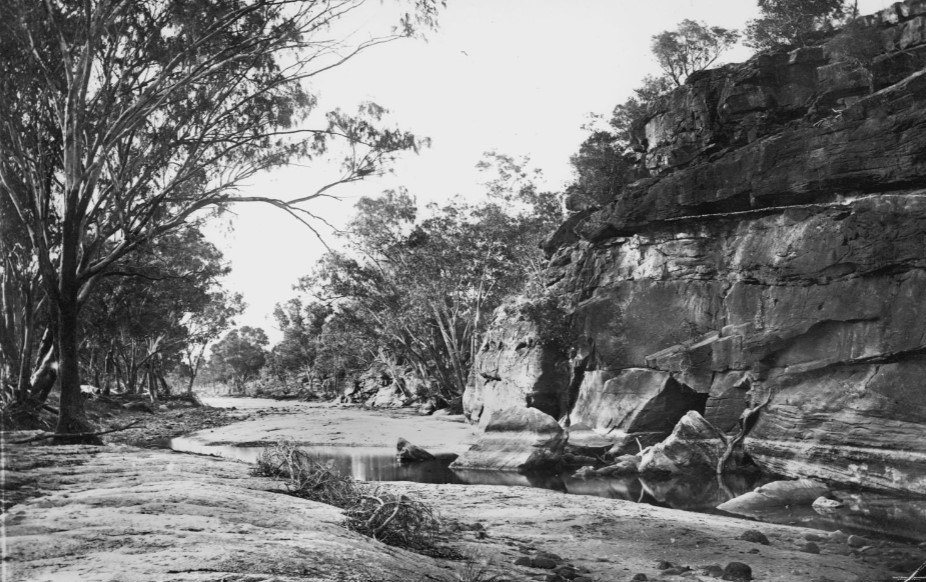
Another photograph from the album at the State Library of Queensland. This is the geologist in Daintree coming out.
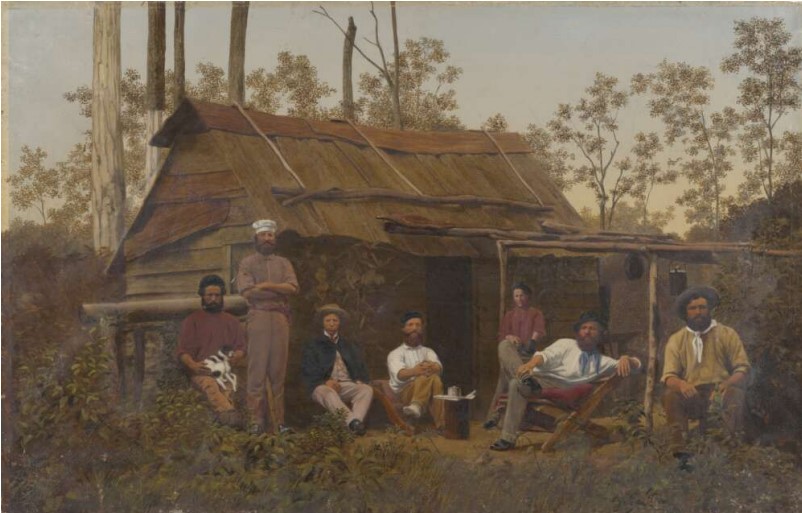
Another oil painting on albumen photograph from the collection at the National Library of Australia. This group has a hut to shelter in, and (of course), there is a dog in the photo. The pots and billy still hang up, this time under a frame that may become a verandah in time.
Daintree survived a shipwreck on his way to the Exhibition of Art and Industry in London. He worked in North Queensland out in the fields until his health failed, and he returned to England. Sadly, he passed away in 1878, just like the other pioneering bush photographer, William Boag.

