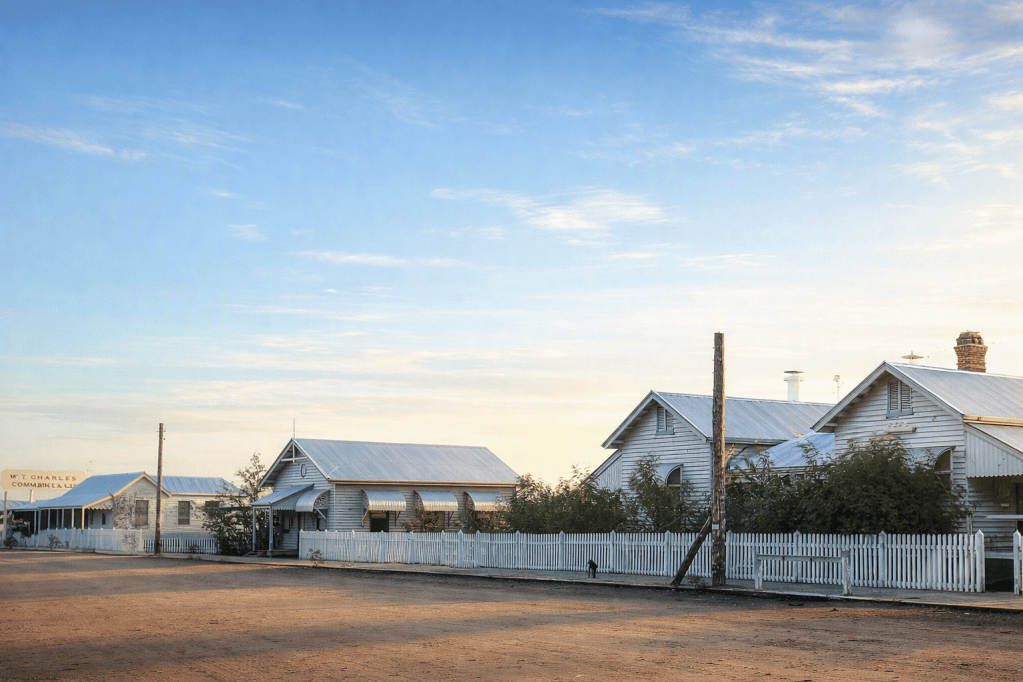
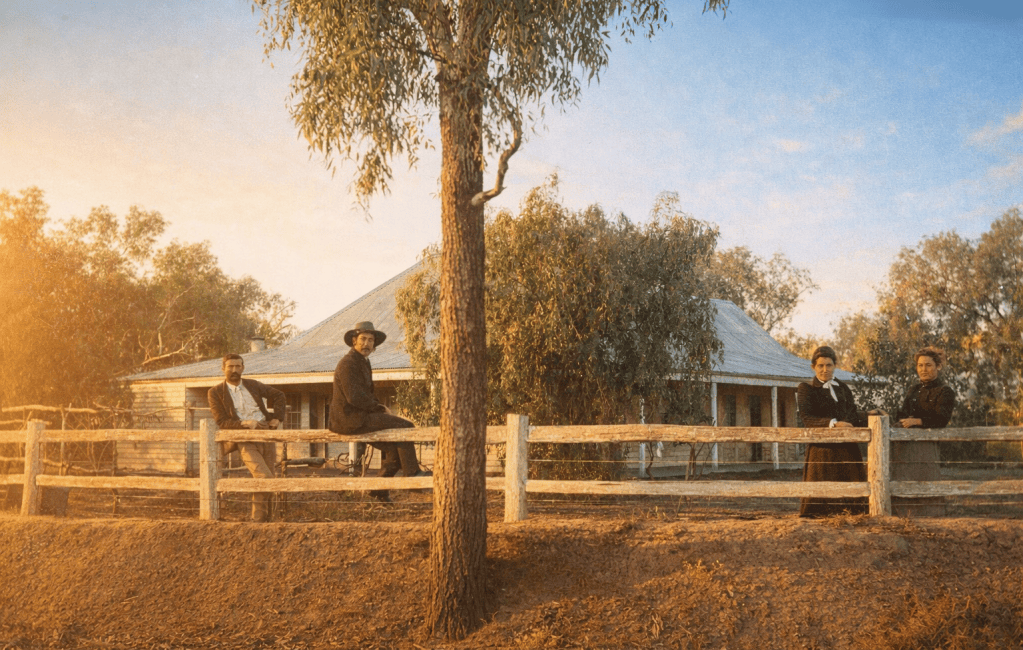
Deep in the southwest of Queensland, a rich stretch of outback grazing land on the Warrego River came to the attention of pastoralists in the 1860s. Speculators swept in, and leases were taken up throughout the area. The town of Cunnamulla grew from this speculation in the 1880s.
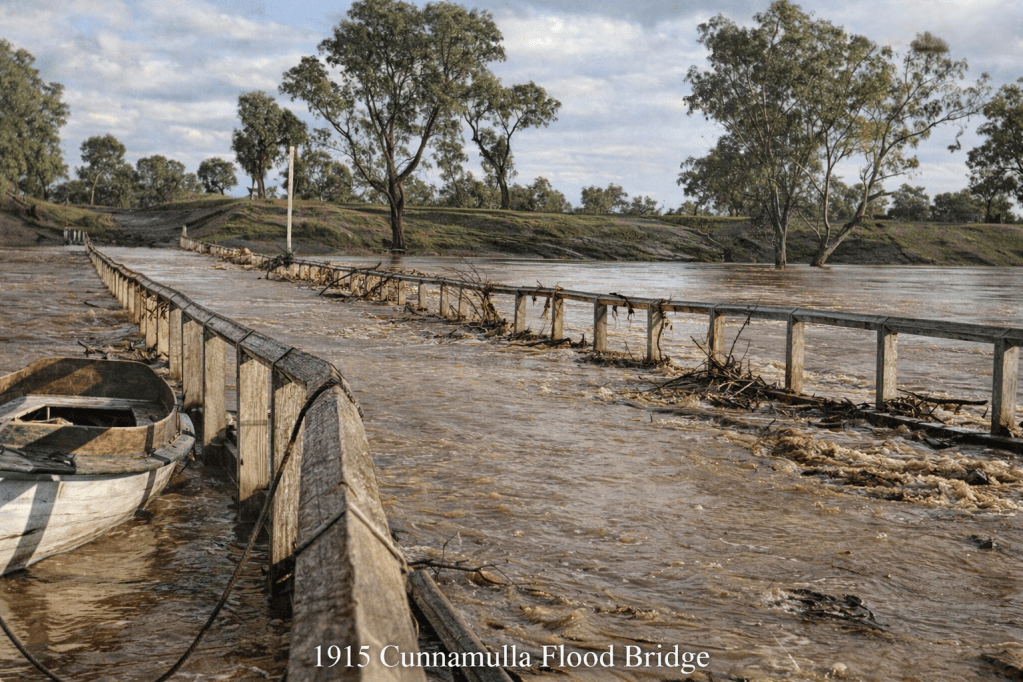
The Warrego River is prone to flooding, and over the last 150 years, Cunnamulla has had to deal with many catastrophic floods. Here’s a look at the town in its early years.
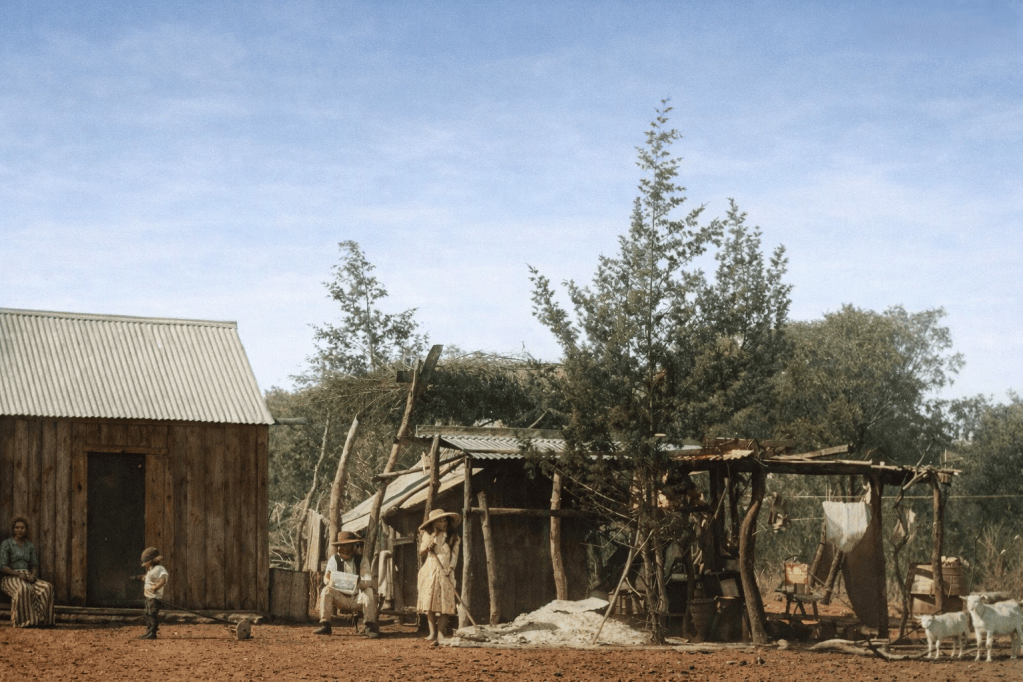
Life in and around Cunnamulla.
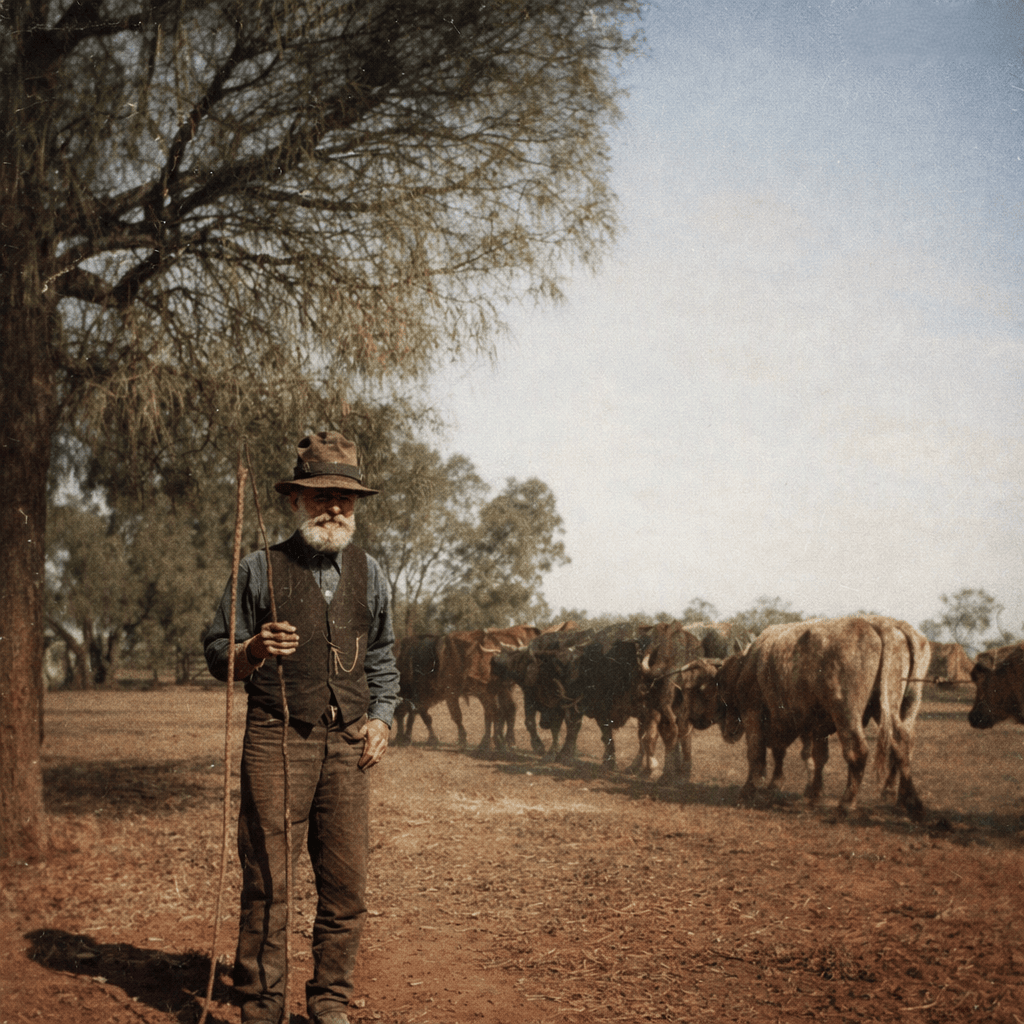
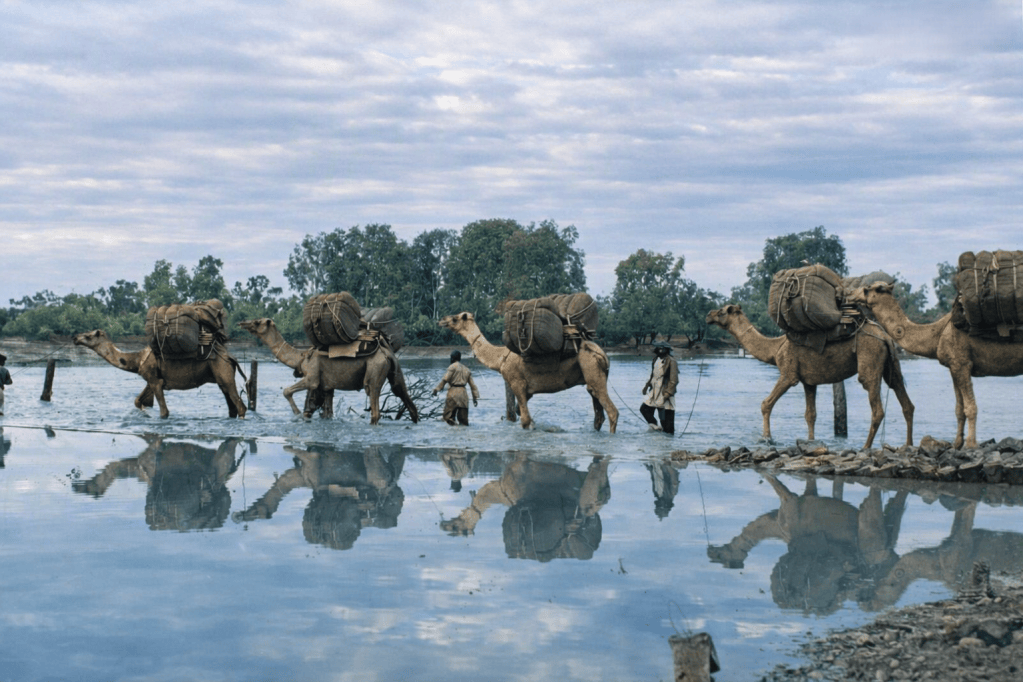
On the camel’s back.
Australia’s wealth was said to be riding on the sheep’s back. Outback cartage definitely rode on the camel’s back. When roads were unpassable, where horse and bullock teams couldn’t cross, camels were relied on to bring supplies to remote and cut-off towns.
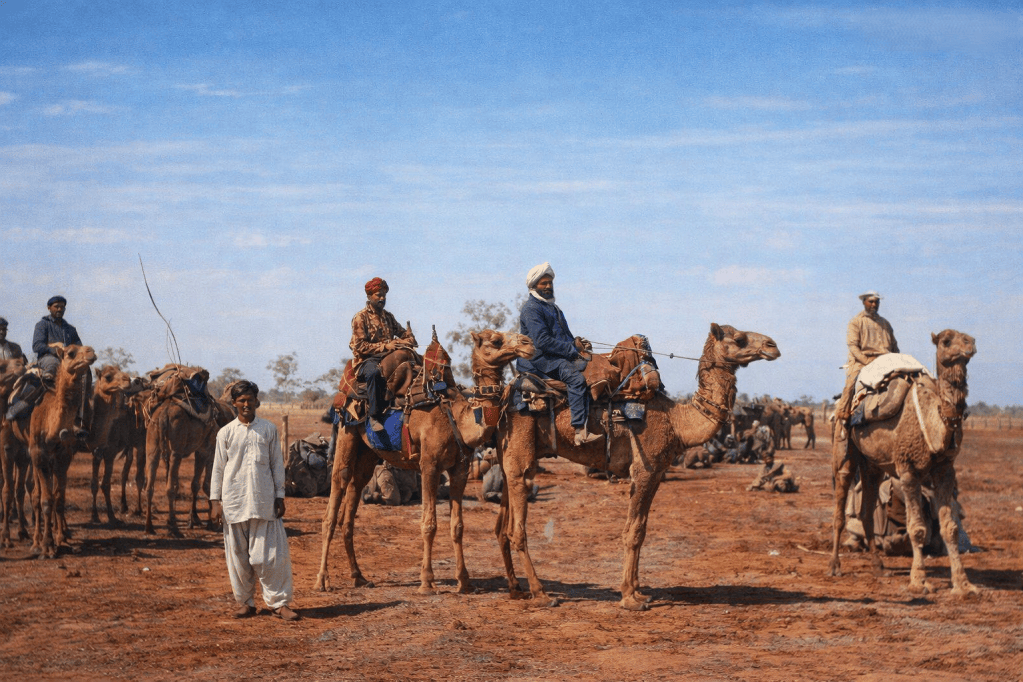
Of course, camel teams in the 19th century were led by Afghans – a catch-all term that covered people of various races and ethnicities from the Middle East to South Asia – and dark-skinned people speaking languages other than English were not always welcome in colonial Australia.
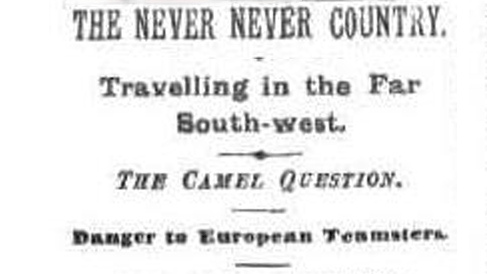
The article from which this headline is taken is could have been a Monty Python script. 05 Jun 1894 – THE NEVER NEVER COUNTRY. – Trove.
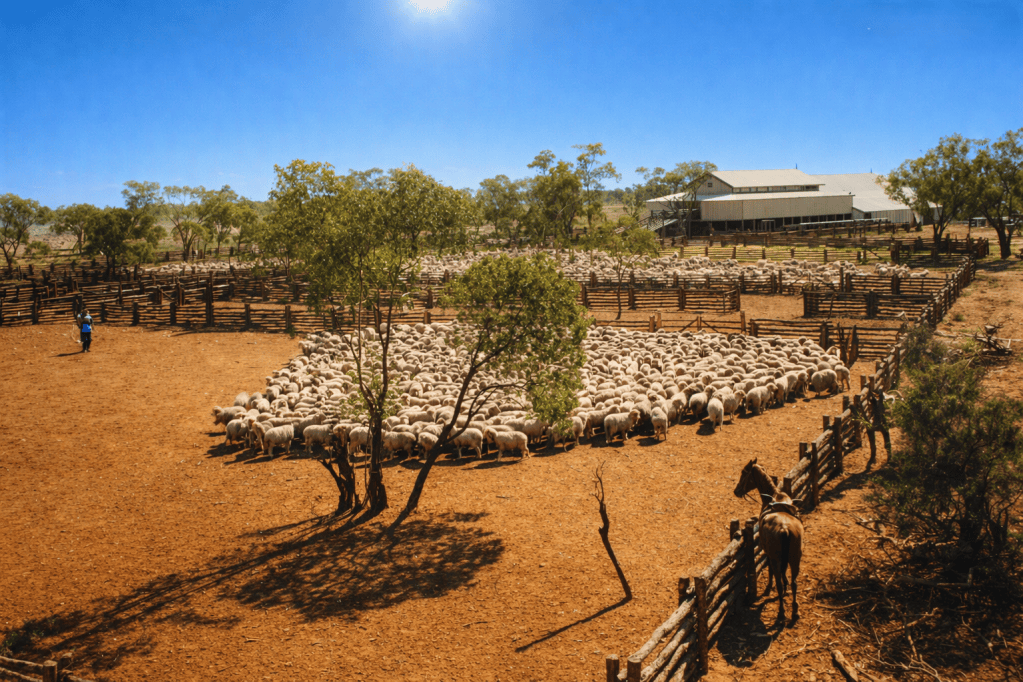
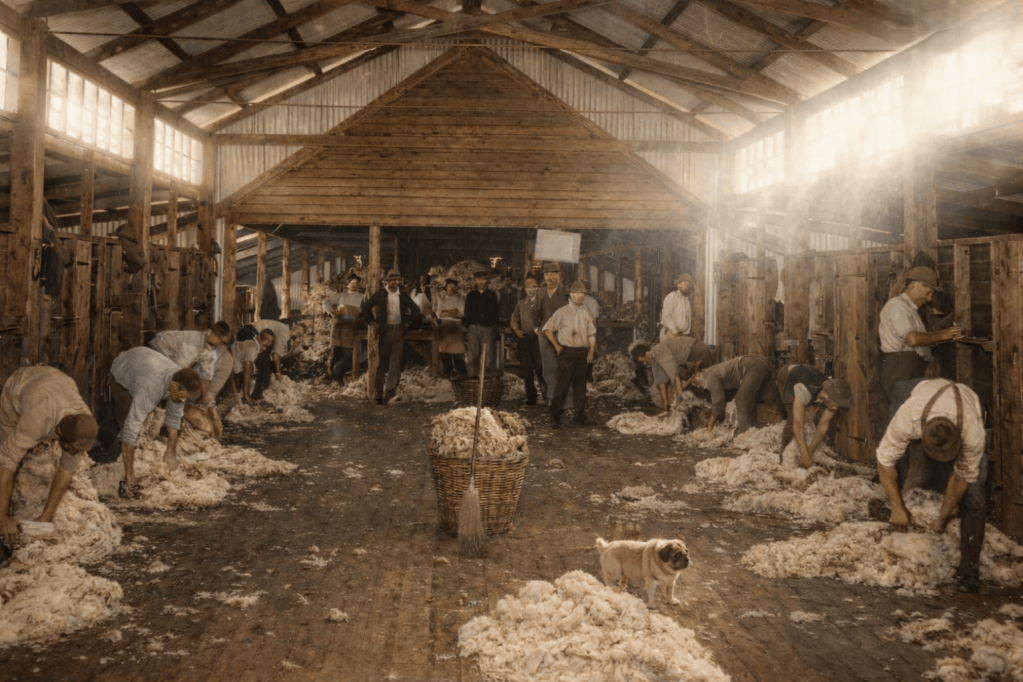
On the sheep’s back.
Kahmoo Station was one of the large grazing concerns in the Cunnamulla district. In 1900, a photographer visited to record its vast flocks, and the work in the shearing shed.
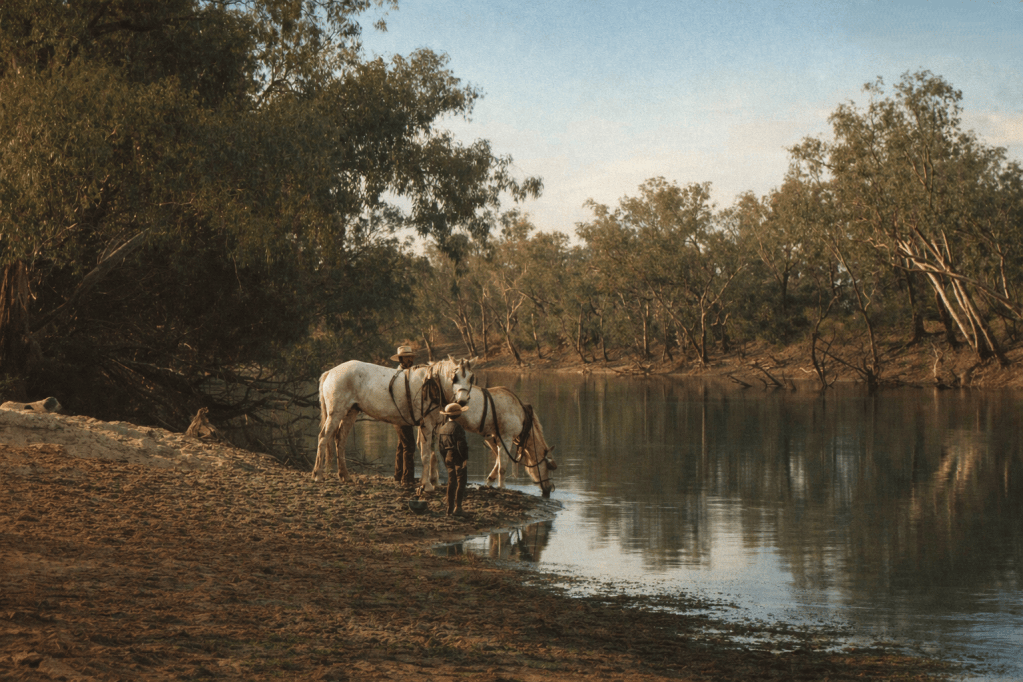
Living on the Warrego.
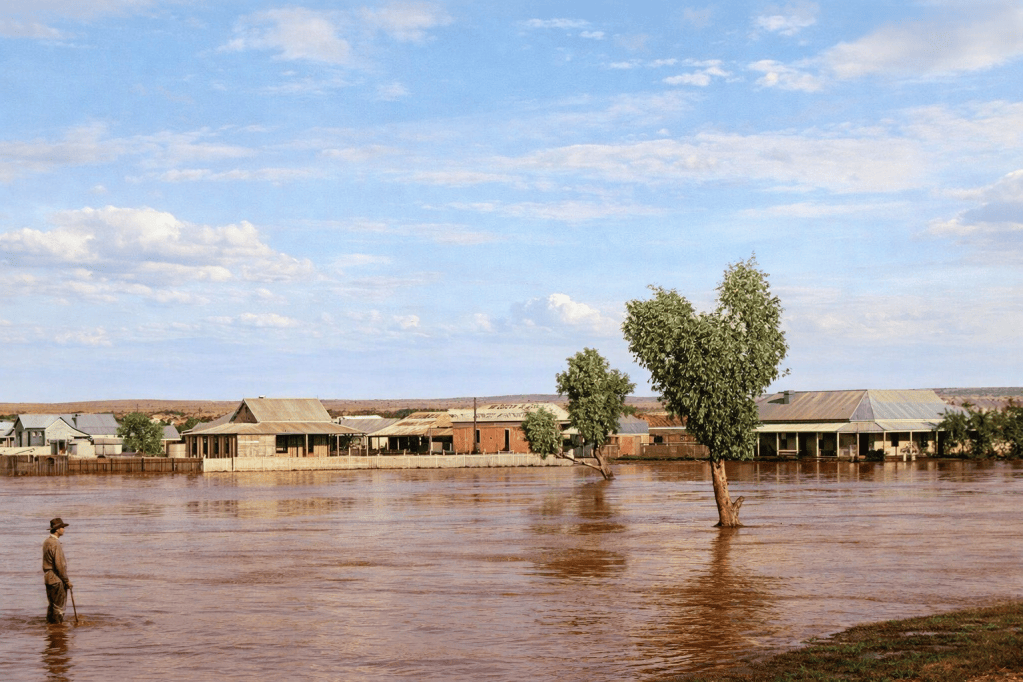
Floods.
The past week has been the most eventful in the history of Cunnamulla. The Warrego began to rise on Thursday last, and by Sunday the water had reached the level of the 1886 flood, with a continuous rising. The country for miles, in all directions, is flooded. This is one of the biggest floods ever seen in the district. Many families had to leave their homes, and are camped on the Sand Hills.
Queensland Times, 1890.
Camels at Cunnamulla.
April 26. A drove of 60 camels, each carrying two bags of flour, besides tea and sugar, arrived here from Bourke today, and now there is plenty of provisions in the town. The weather is delightful, and the river low. The grass is springing up in profusions.Brisbane Telegraph, 1890.
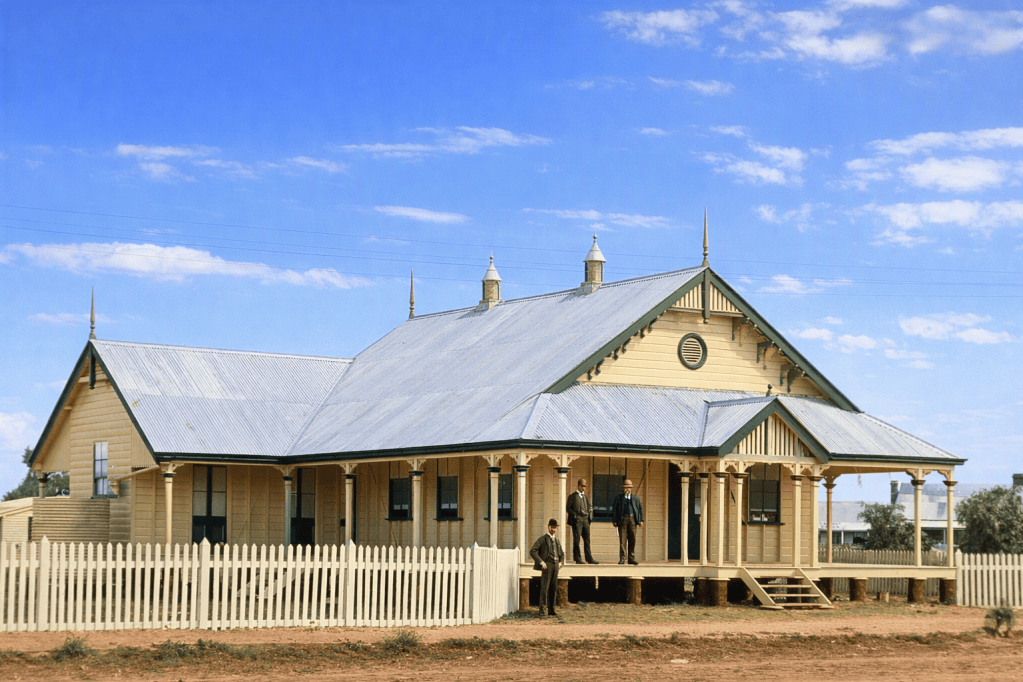
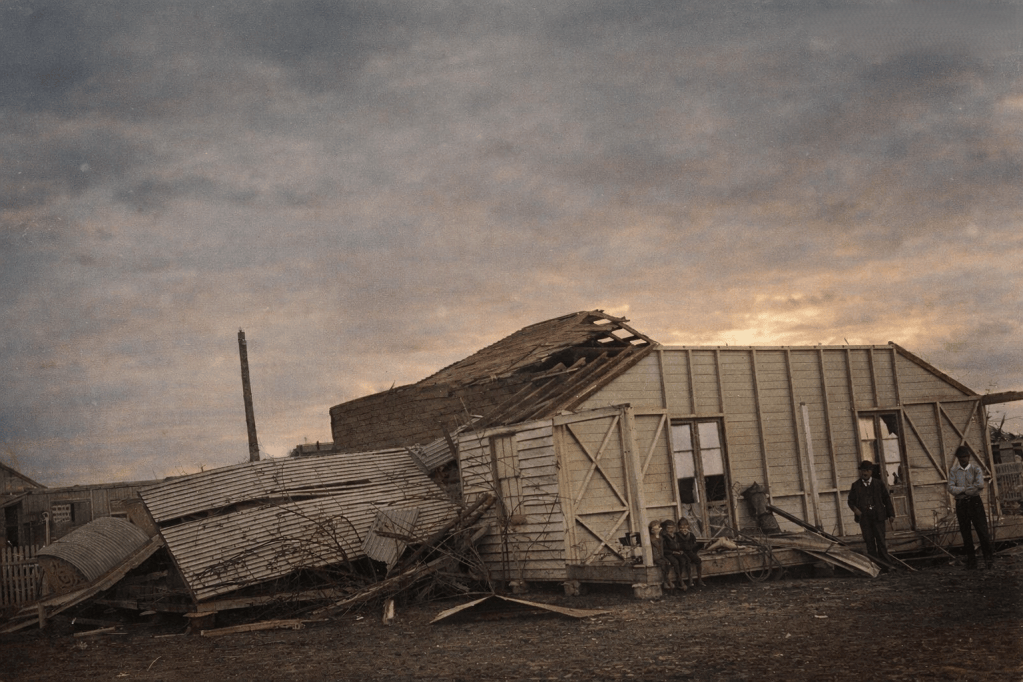
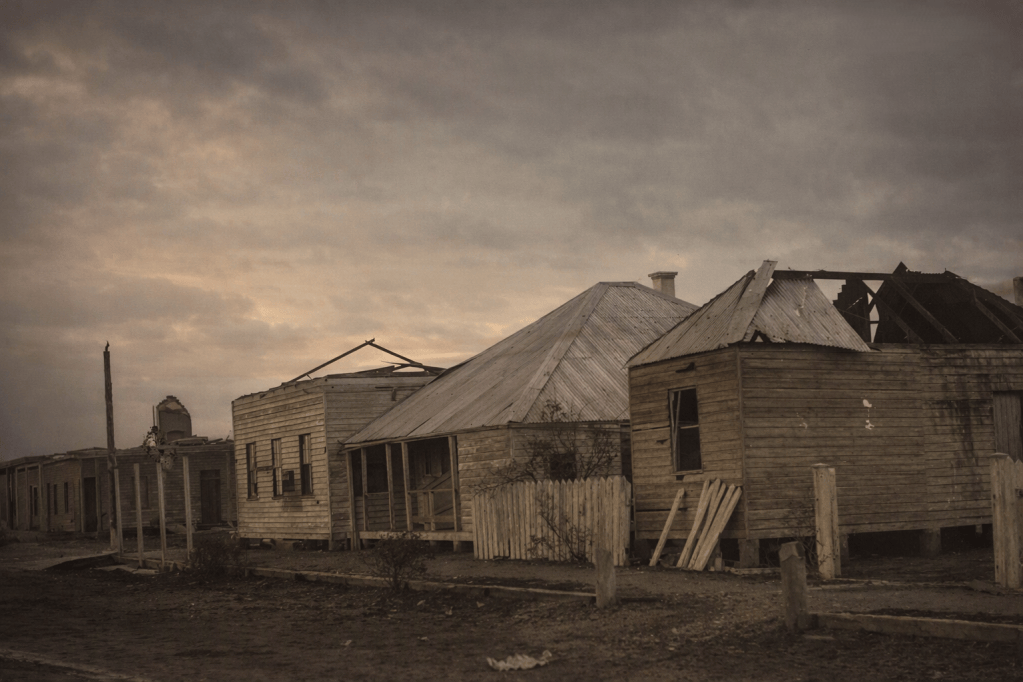
Left: Also the Cunnamulla Courthouse in 1890. Right: The post office from the first image, 1890.
Living on the Warrego.
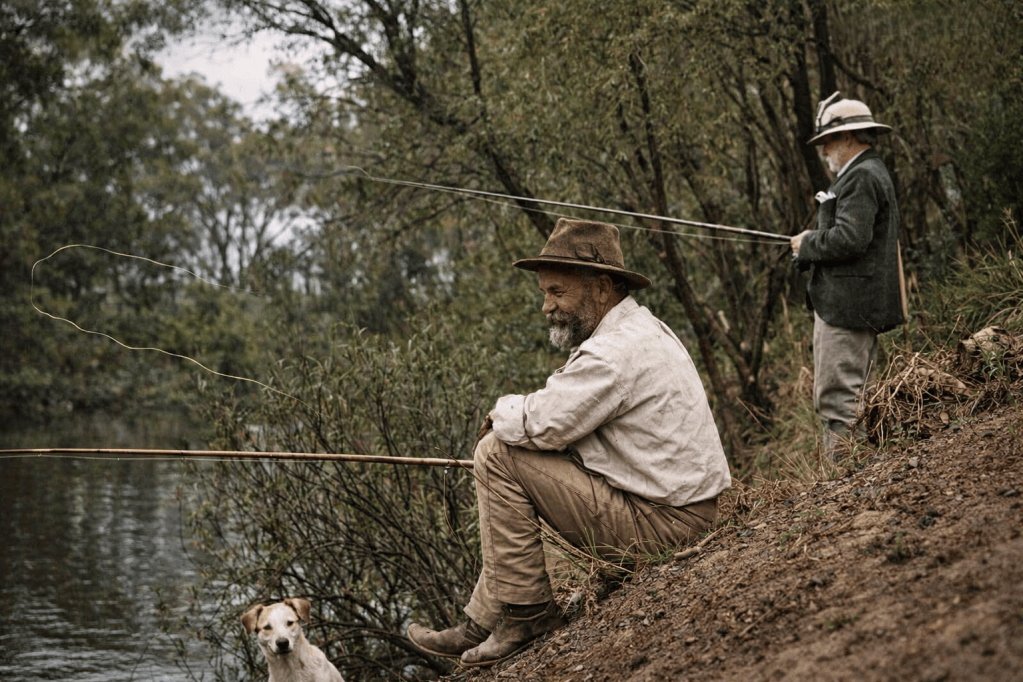
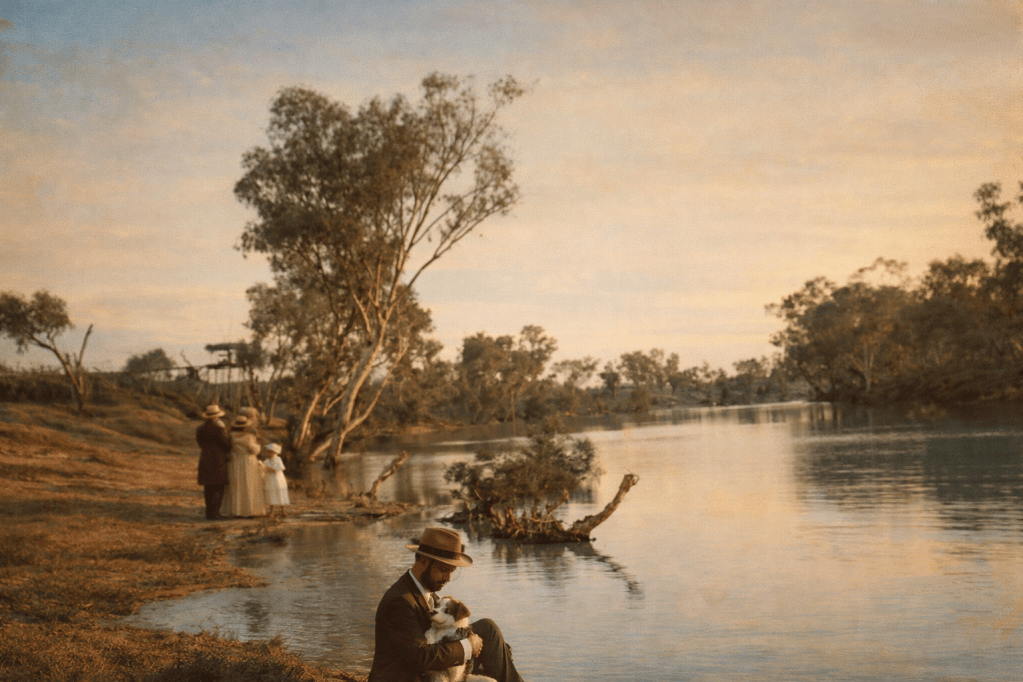
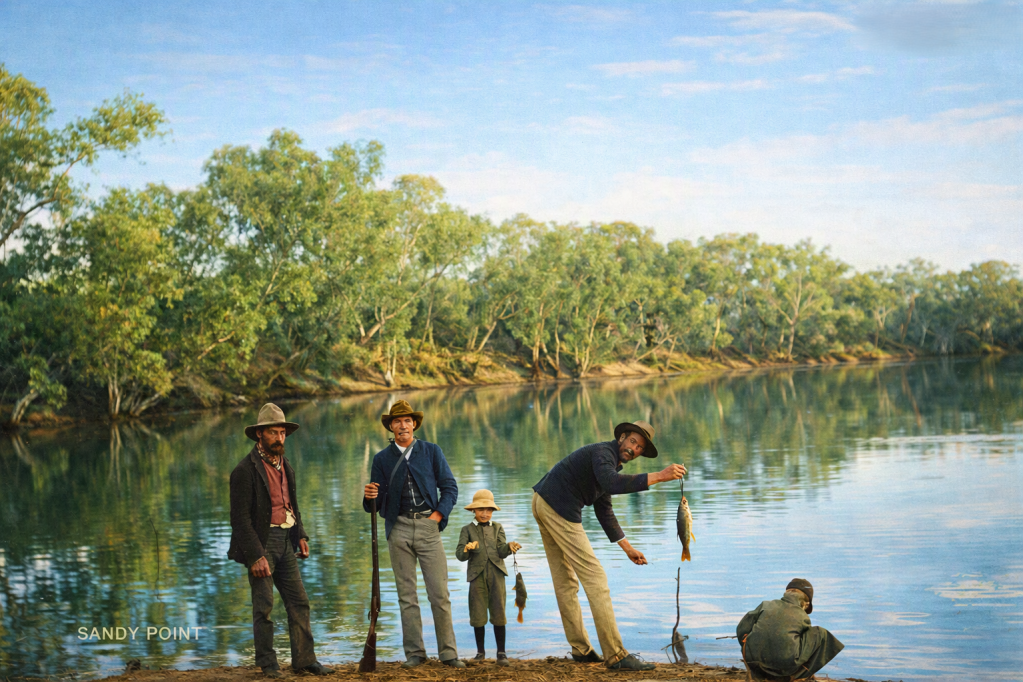
Leisure and fishing.
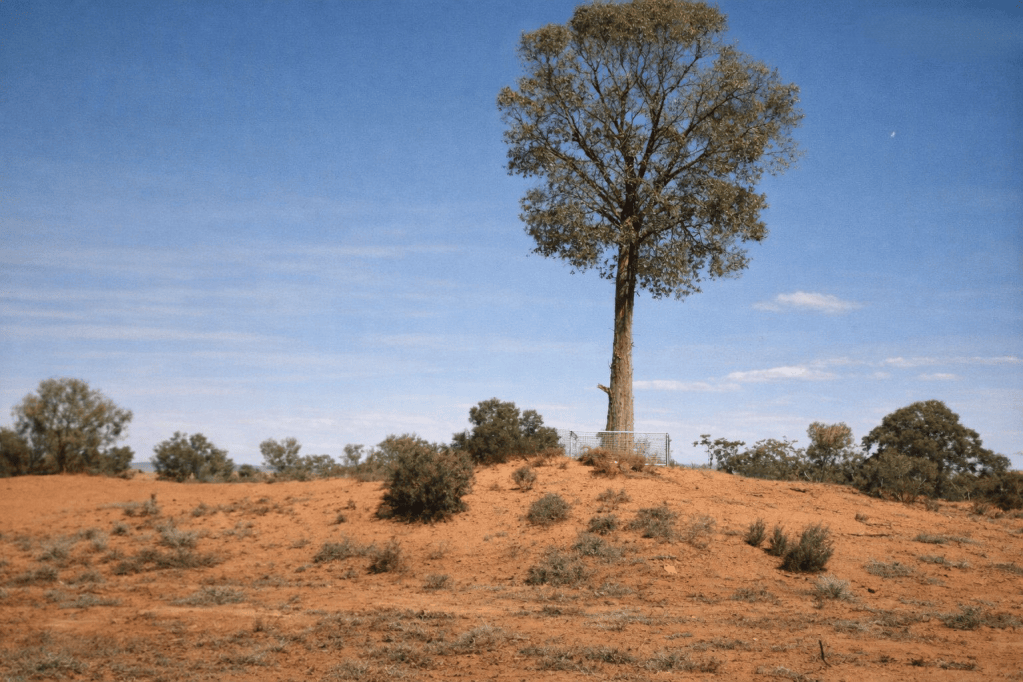
The Robber’s Tree.
The Robber’s Tree stood in Cunnamulla for 140 years after a bank robber hid in its branches. Joseph Wells, young and full of bravado or desperation, held up the Queensland National Bank at Cunnamulla in 1880. In a scuffle as Wells was trying to leave the bank, his gun went off and wounded a shopkeeper in the shoulder. Wells was pursued by townspeople and one very persistent sheepdog who sat at the bottom of a tree Wells was hiding in, and barked until the police came. Wells shouldn’t have tried his hand at armed robbery, but the shooting was an accident, and he barely got to the edge of town in his escape. Despite determined appeals for clemency by legislators and supporters, Wells was executed at Brisbane.