
And a few other “S” things besides.
Samford
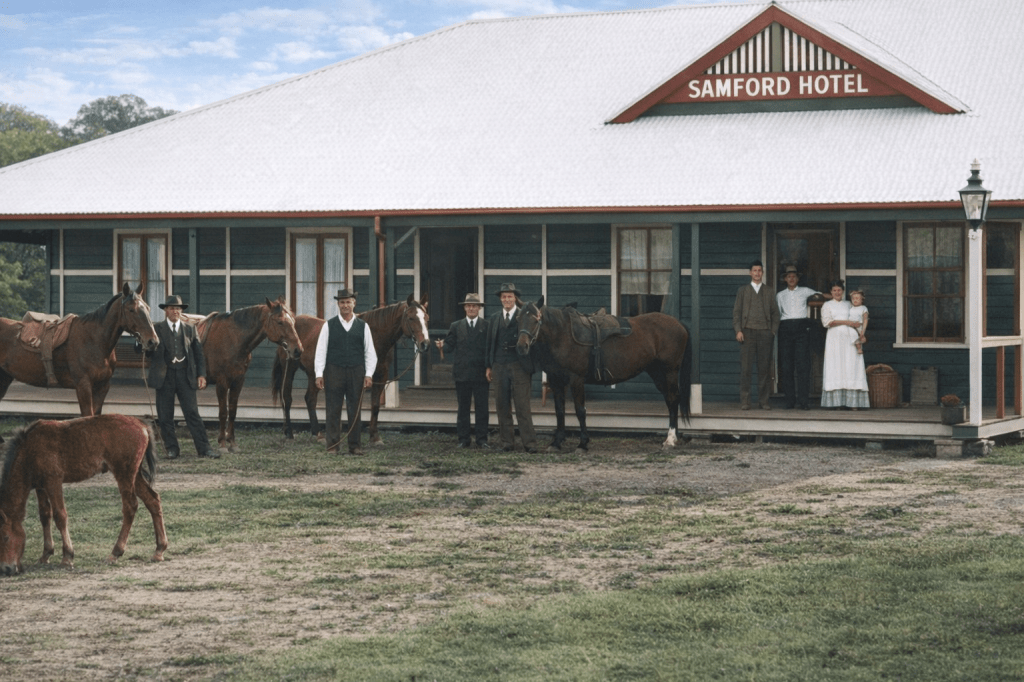
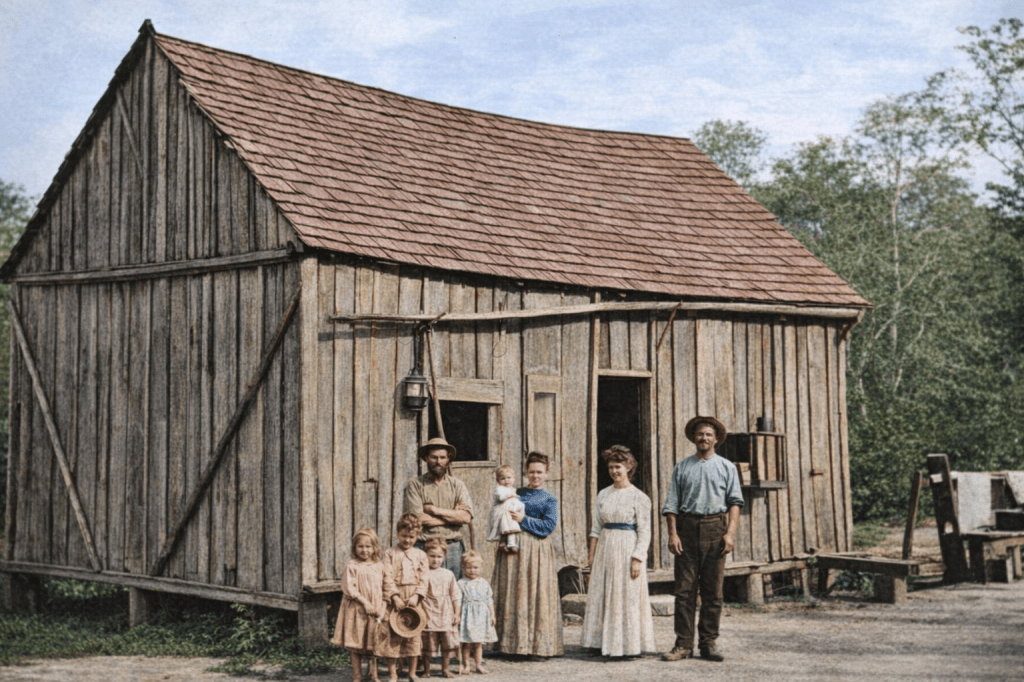
Another place that’s a little outside of Brisbane, but has a lot of historical sites and connections to it. Here are a couple of early views.
Sandgate
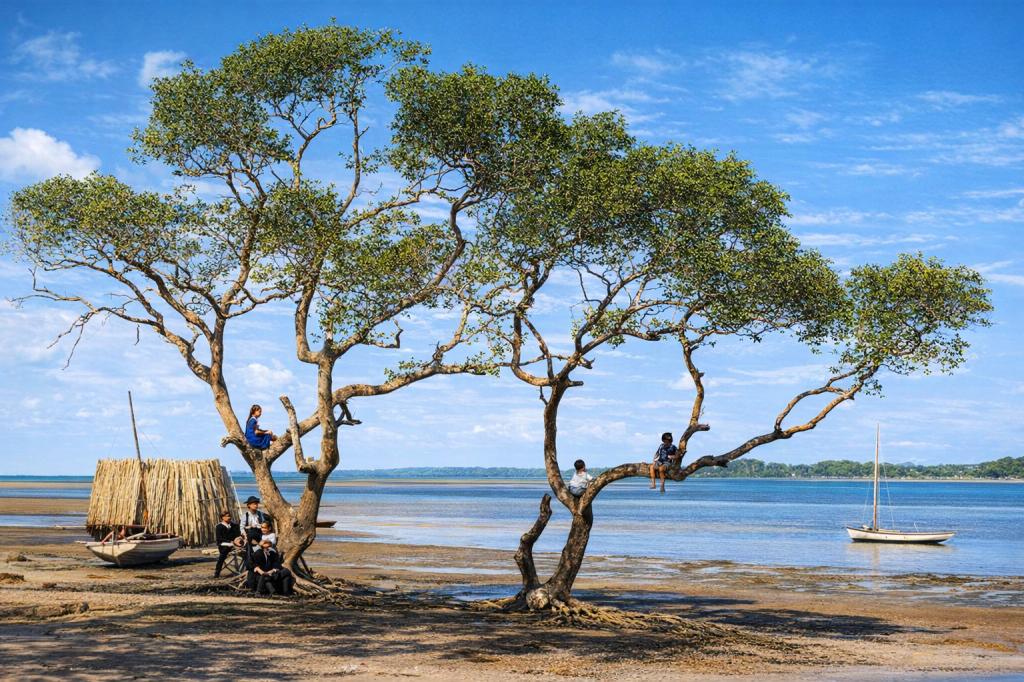
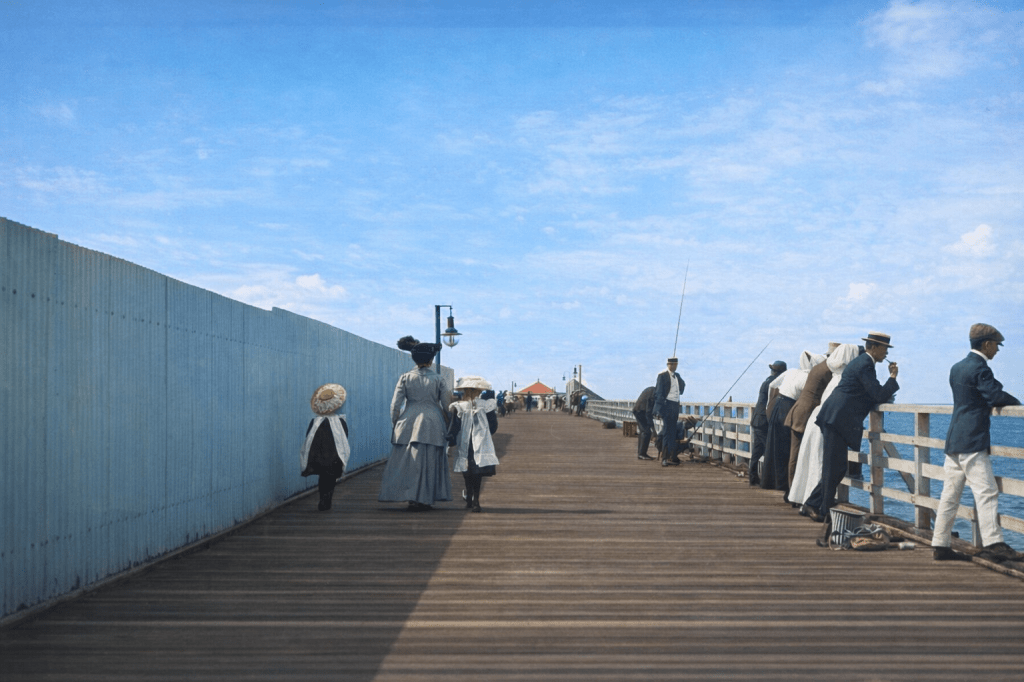
Sandgate and Shorncliffe are a little bit interchangeable, being right next door to each other so to speak. But they do photograph beautifully.
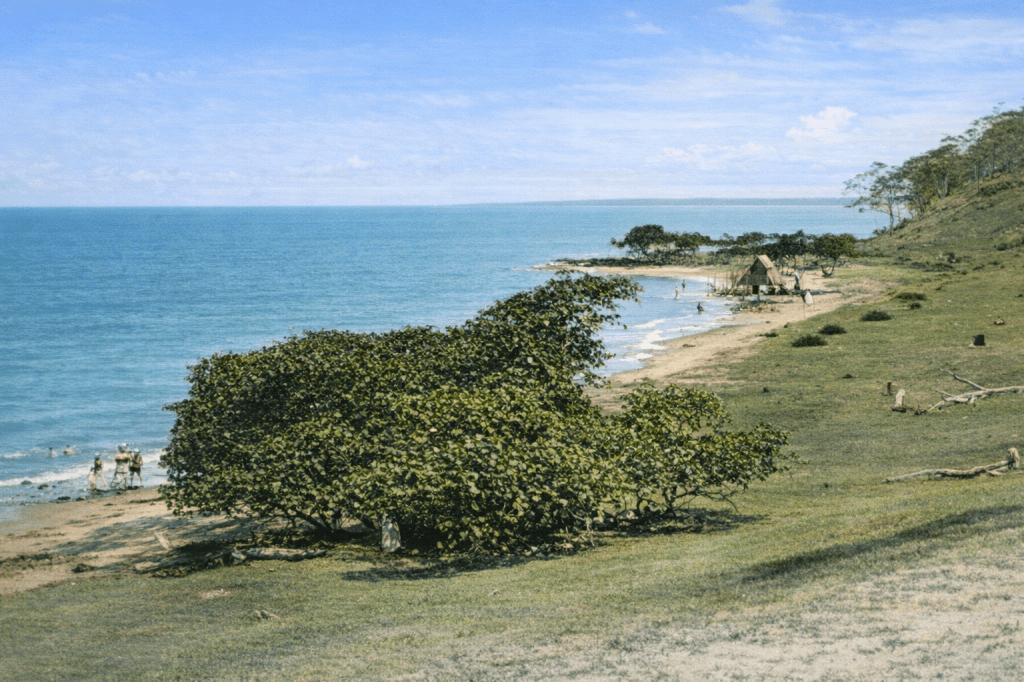
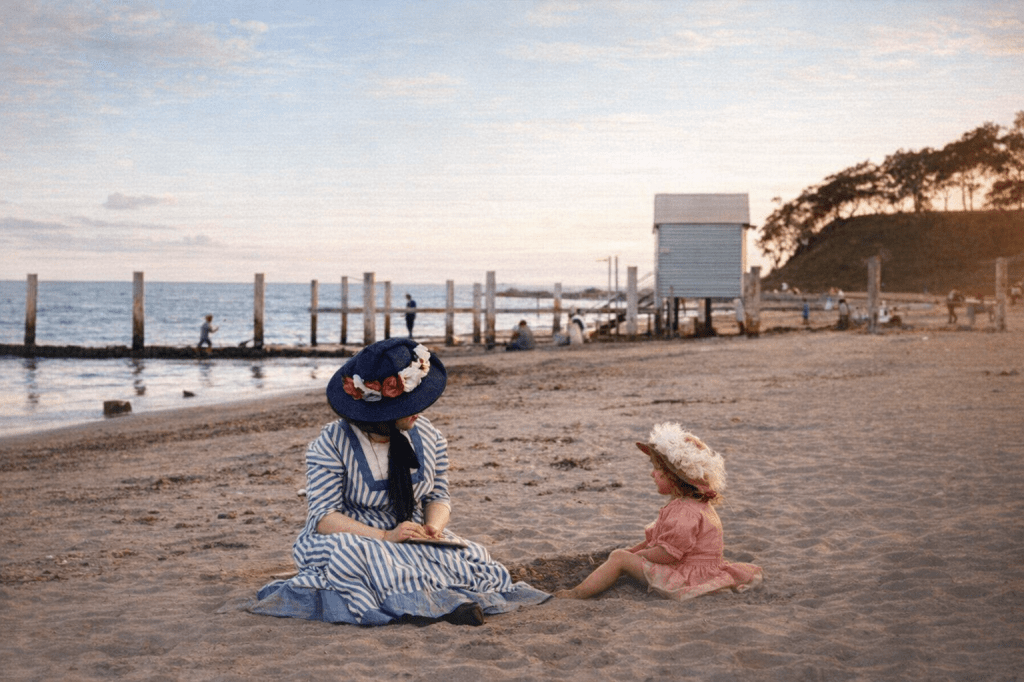
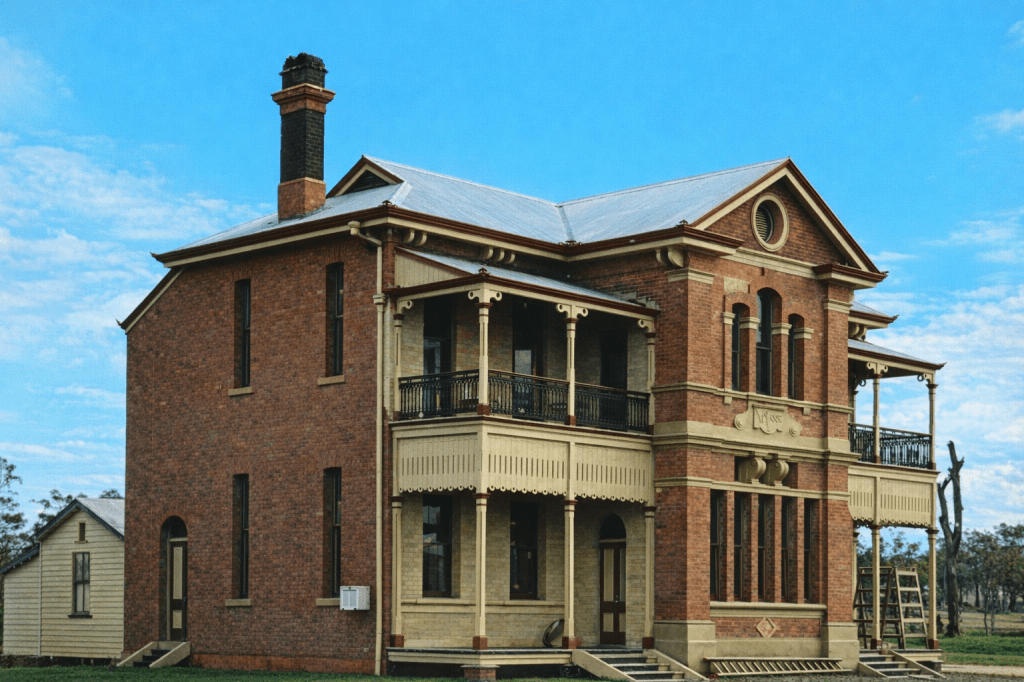
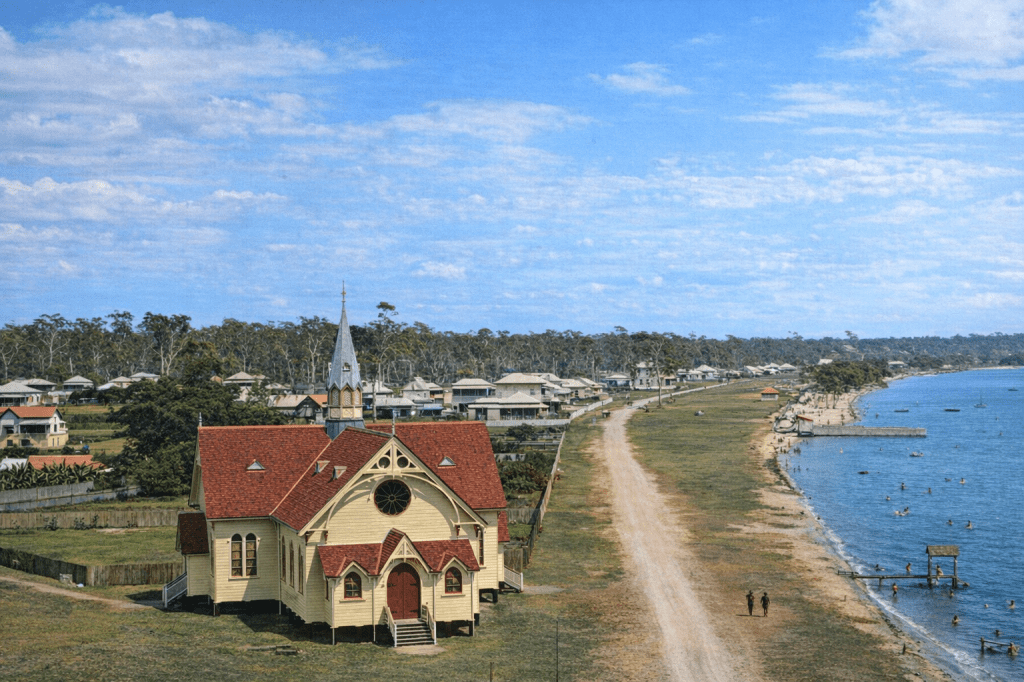
Left: Sandgate Post Office in 1887. Right: Sandgate Baptist Church, 1887.
Sawmills
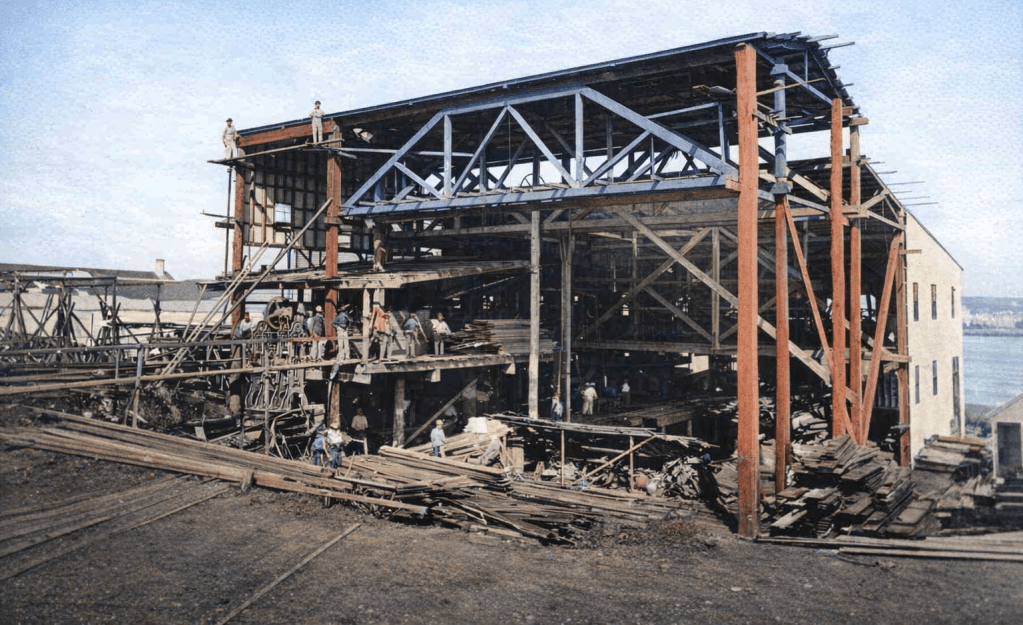
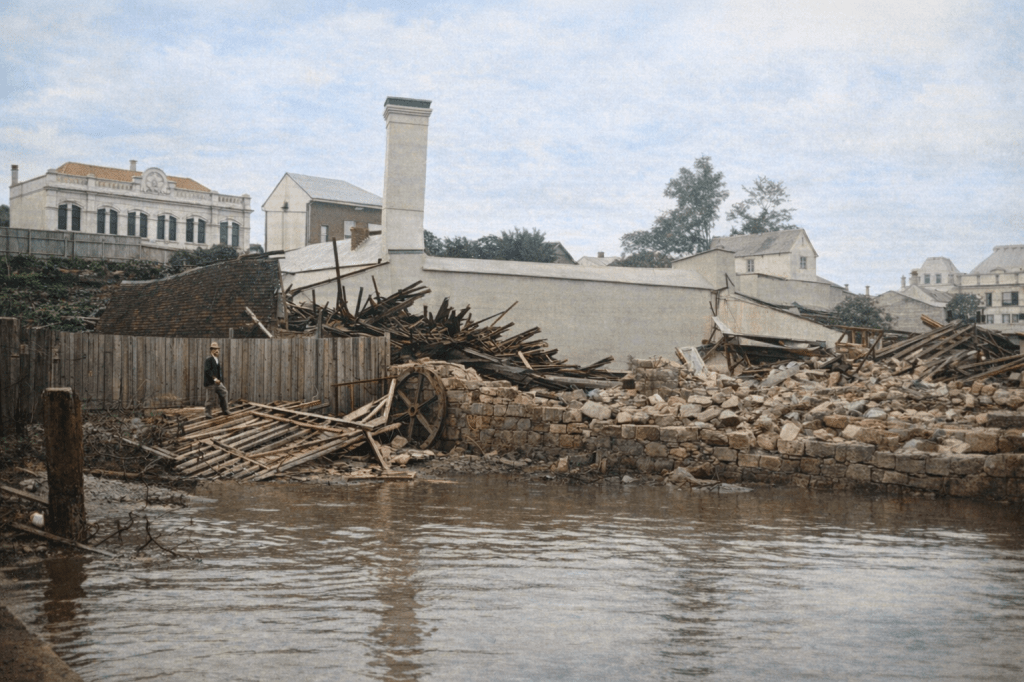
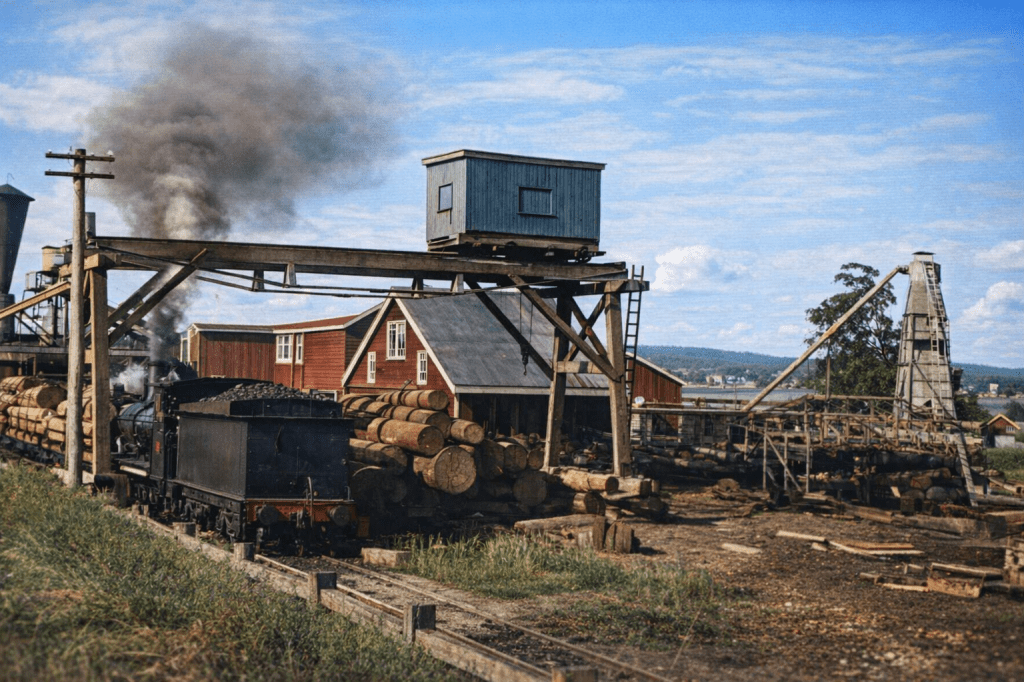
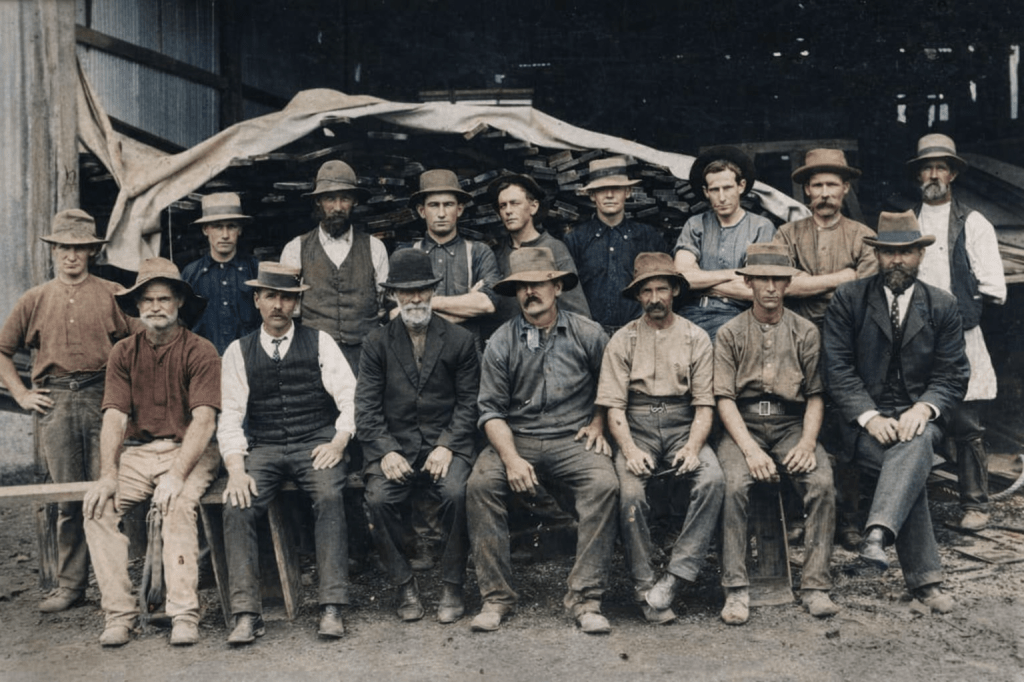
Sawmills were part of the lifeblood of a growing colonial town. The best-known sawmill in Brisbane was Pettigrew’s. William Pettigrew established a wharf and steam sawmill in early Brisbane, in the very heart of town, then expanded to major port towns all over Queensland. Pettigrew’s Brisbane sawmill burned down in 1855, was rebuilt, burned down again in 1874, was rebuilt, and then suffered calamitous damage in the 1893 and 1898 floods. The last flood was the final blow to Pettigrew’s enterprise, and he went insolvent that year.
School of Arts
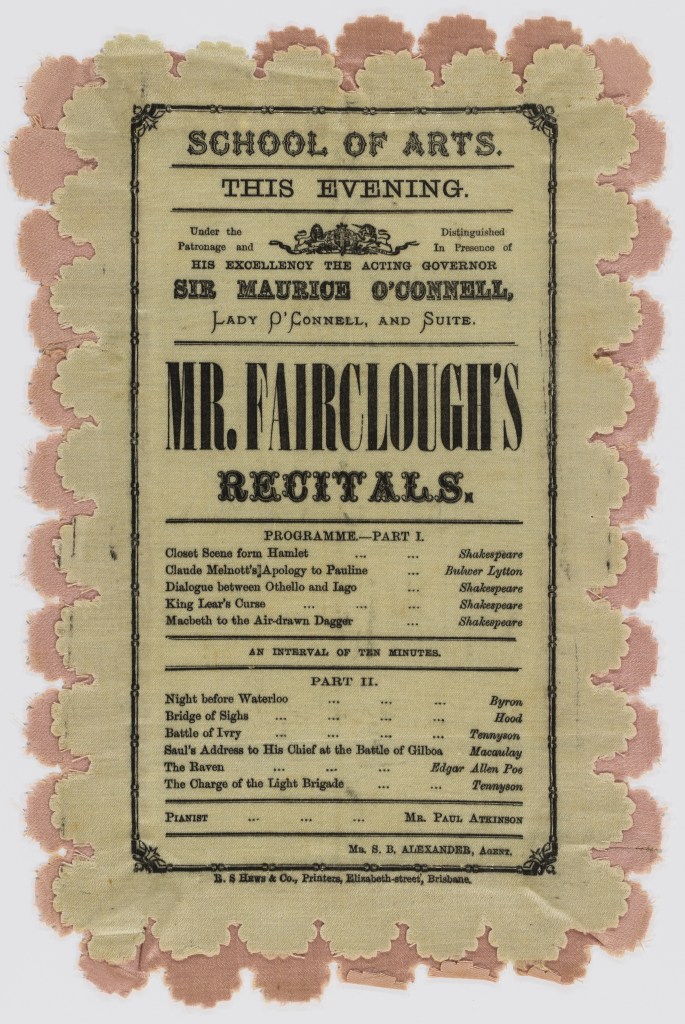
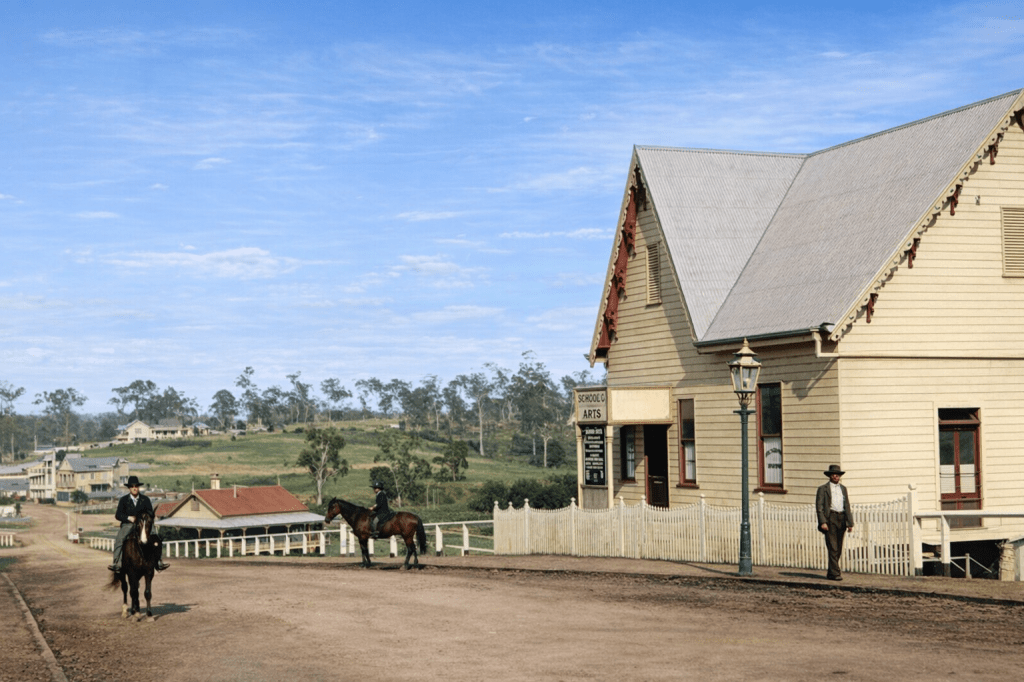
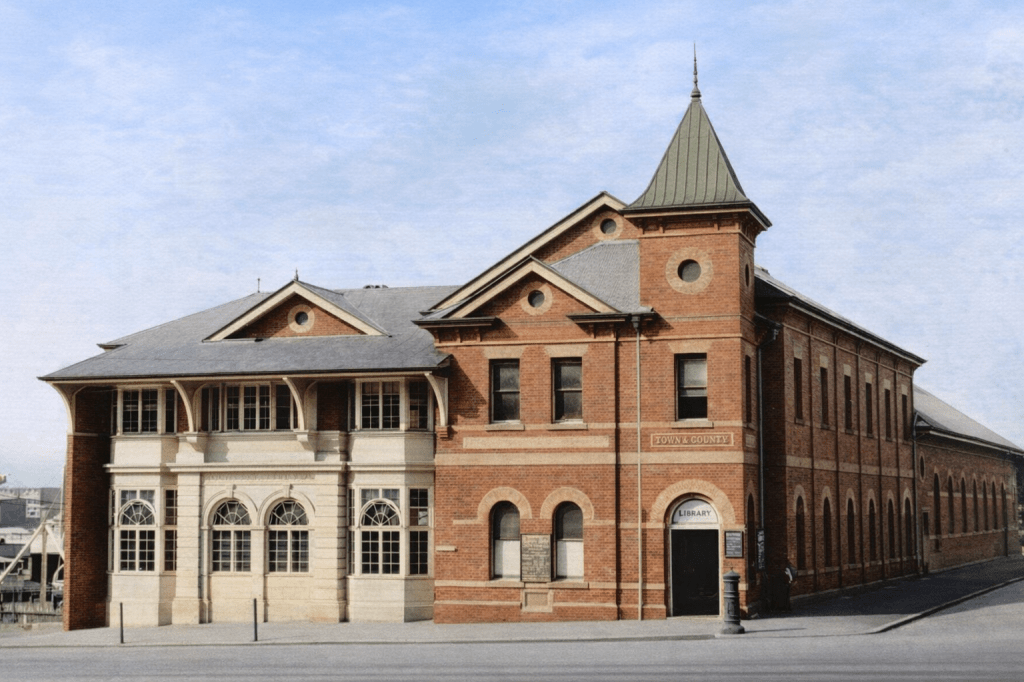
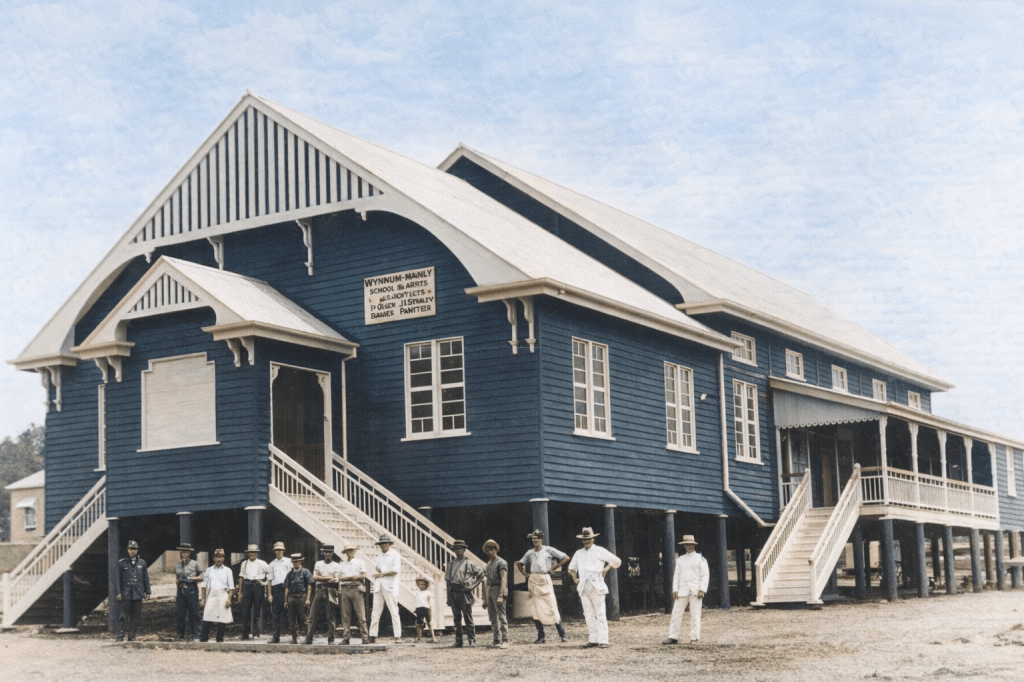
Anywhere that was anywhere in the 19th century had a School of Arts. They were stocked with useful and interesting books, had reading rooms, hosted lectures, classes and theatrical performances. They were run by committees of prominent citizens, and supported by subscriptions. The School of Arts played an important role in a small community, where access to the arts and education beyond the curriculum was limited.
Seventeen Mile Rocks
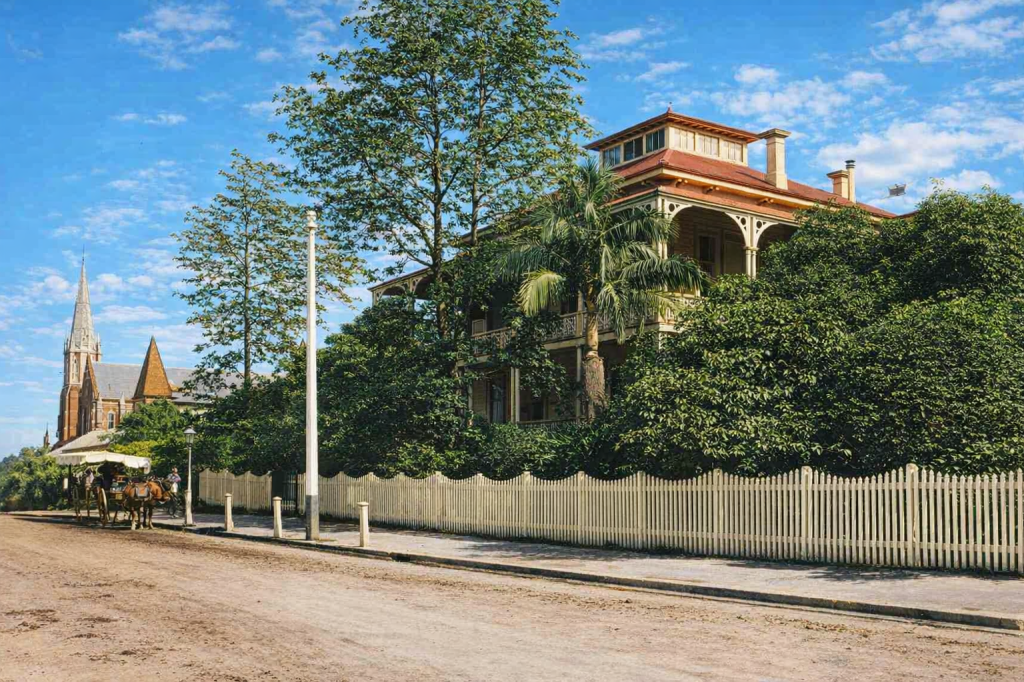
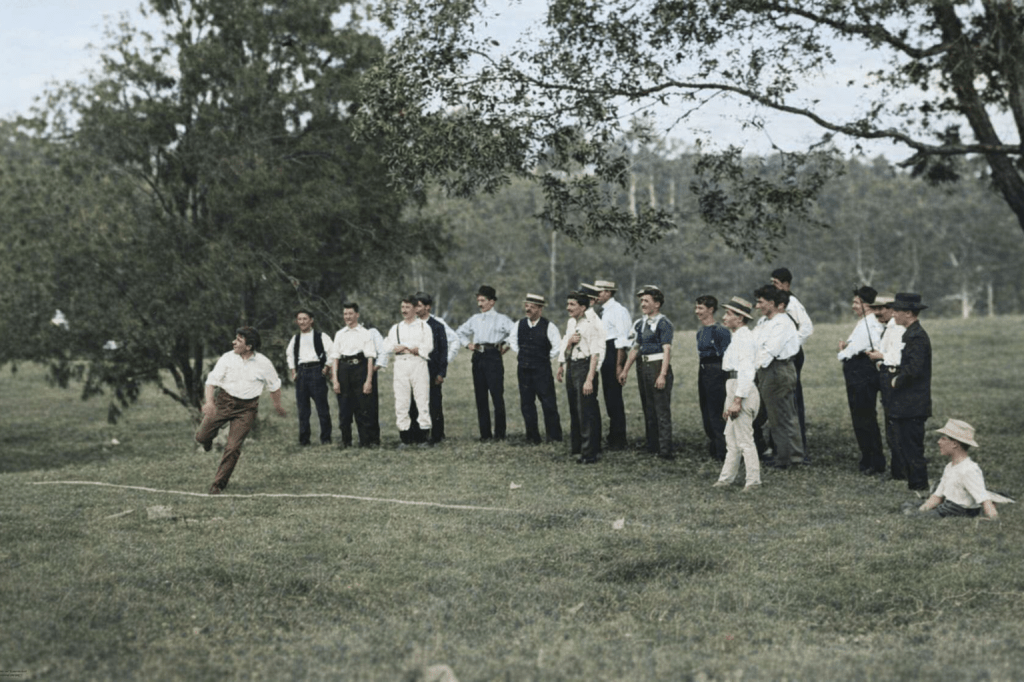
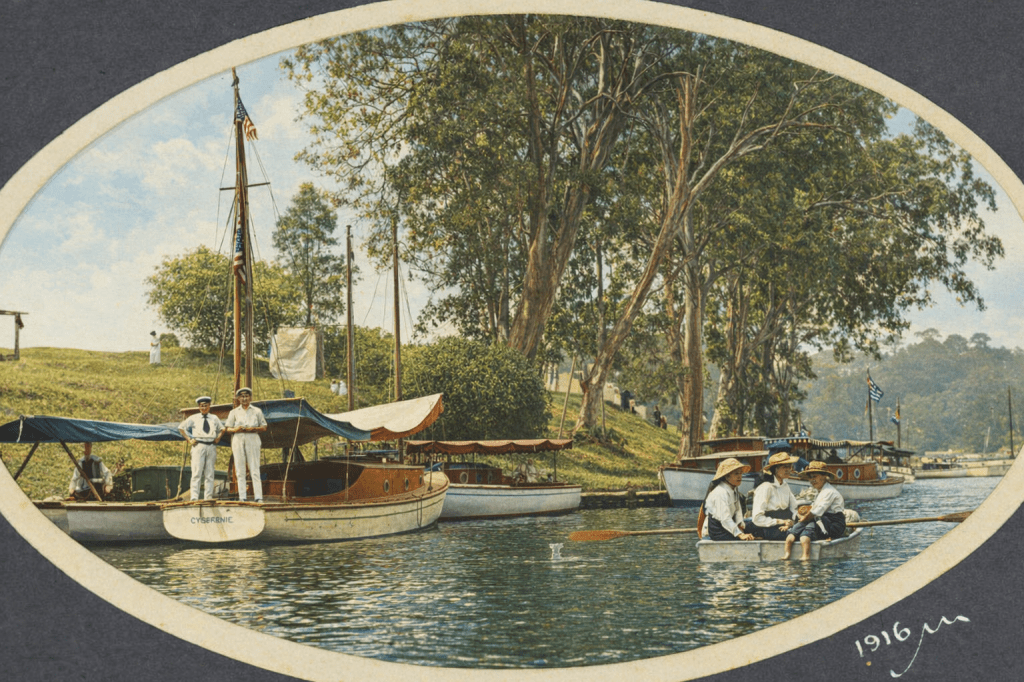
A quiet suburb by the river, host to many a pleasurable picnic or boating party in the early days.
Sherwood
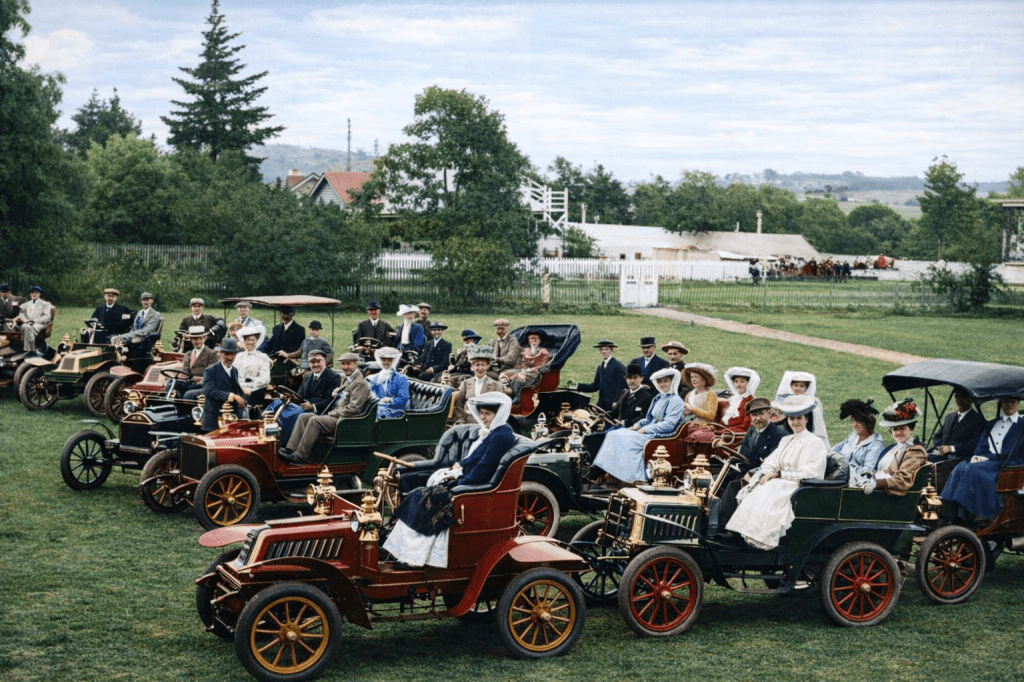
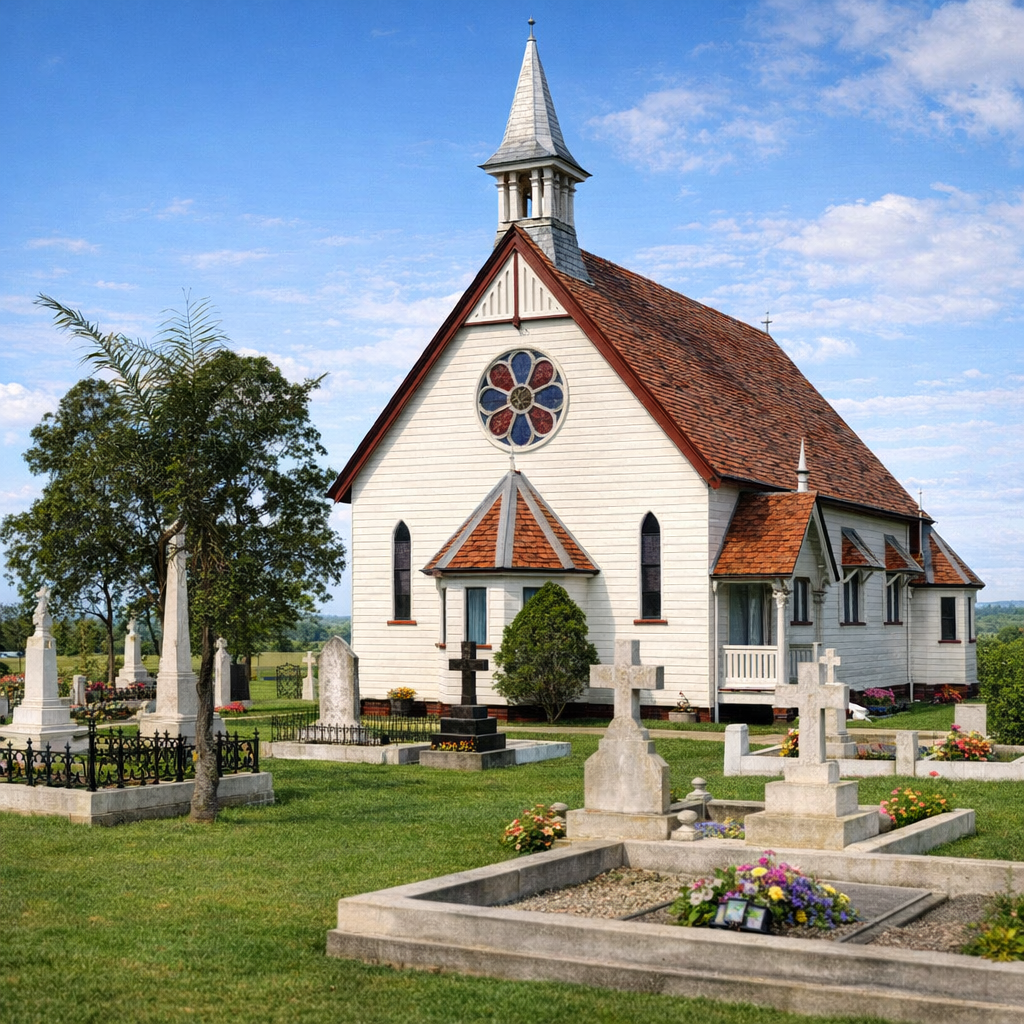
Sherwood’s European history dates back to the late 1860s, when it was a farming area. Looks like it caught up to the times rather quickly.
Shorncliffe
South Brisbane
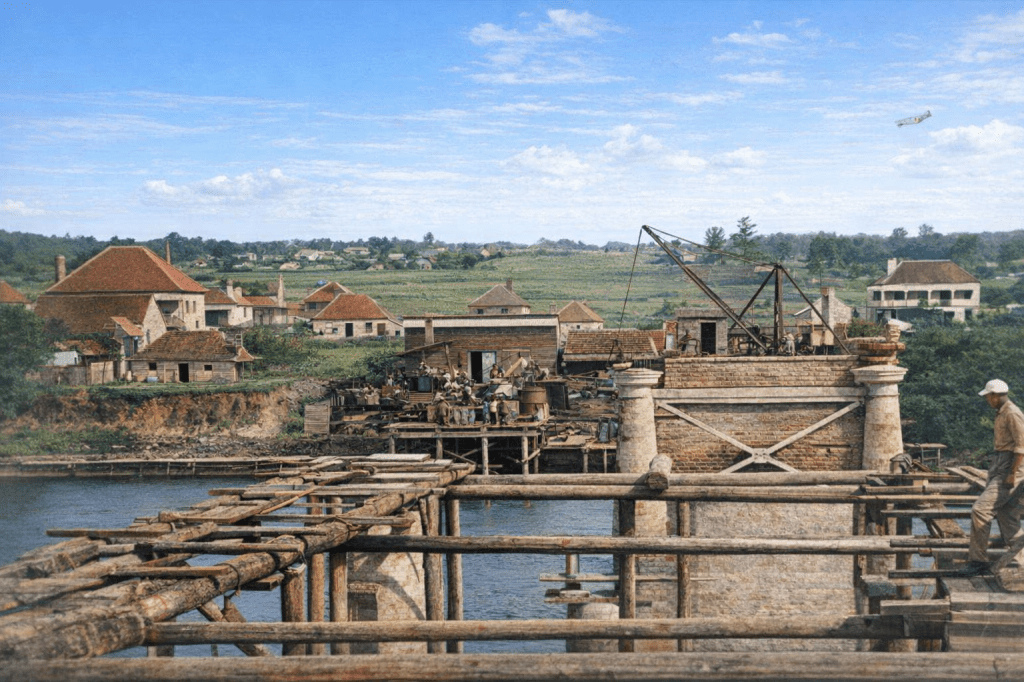
South Brisbane, a suburb (unsurprisingly) on the southern side of the Brisbane River, has a long history of its own. For most of the 19th century, residents relied on ferries to get to and from town. Those ferries boasted famously creative timetables and charging rates, at least in the 1840s and 1850s. The Victoria Bridge was (eventually) constructed, only to be washed away in the 1893 floods.
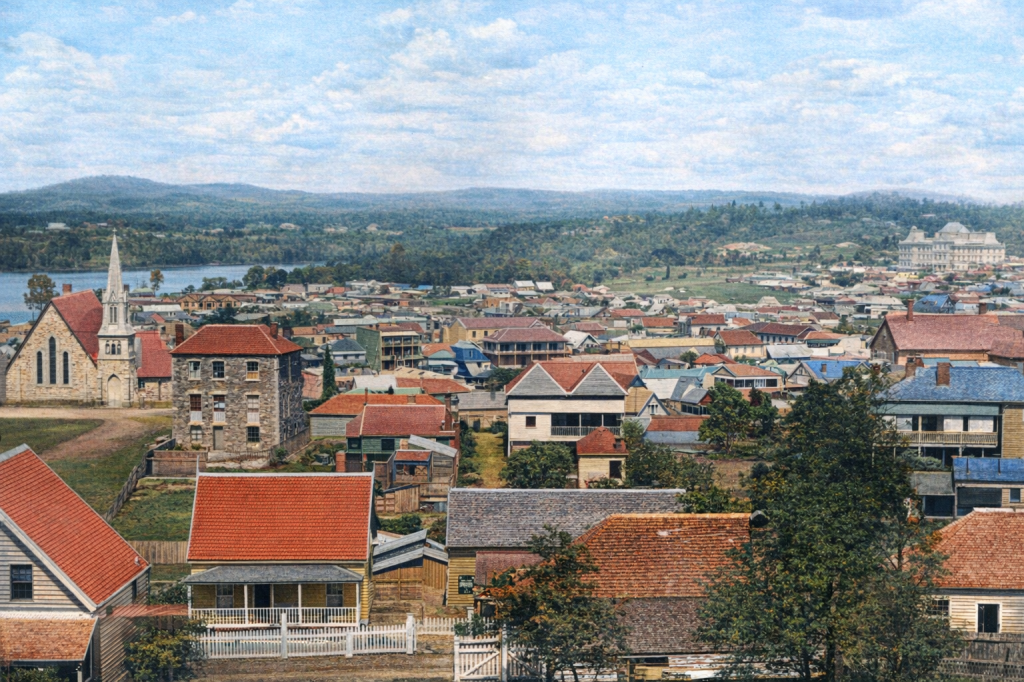
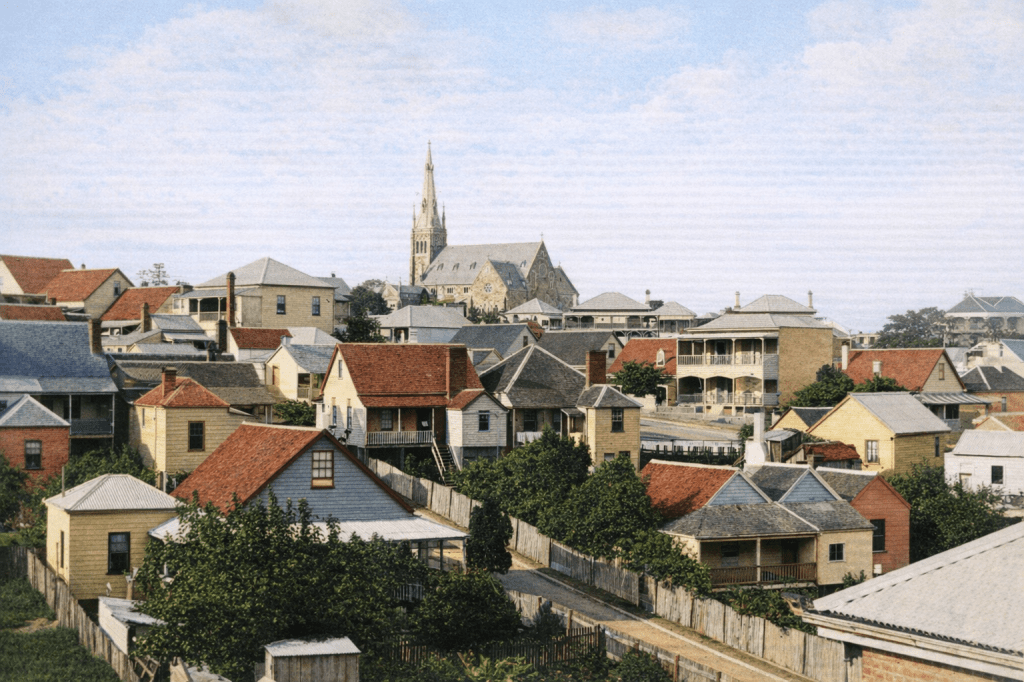
Spring Hill
St John’s Cathedral
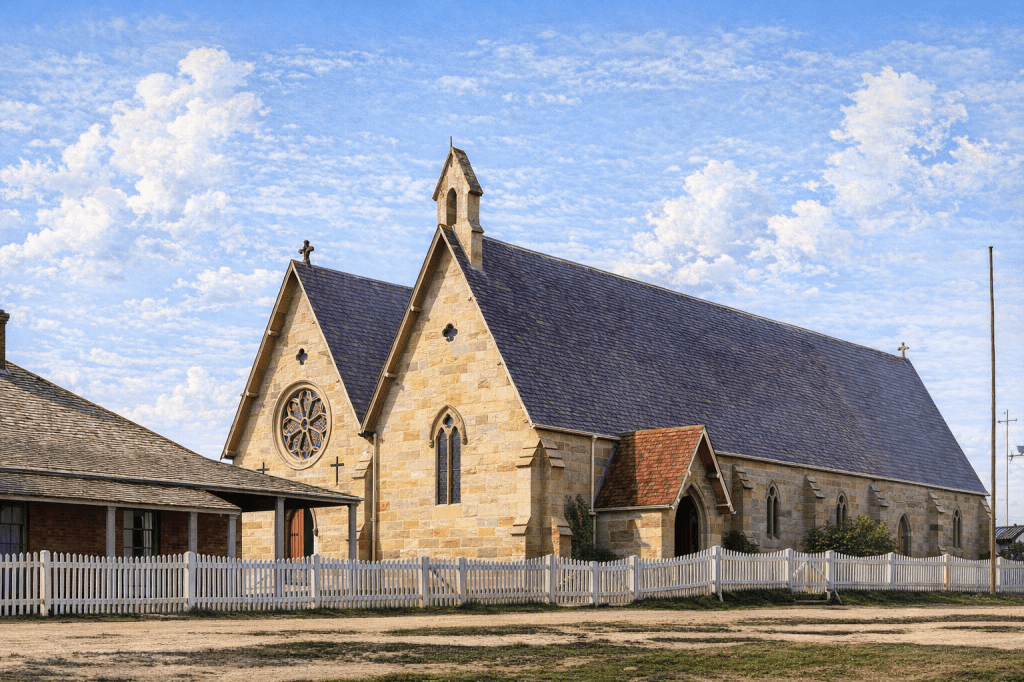
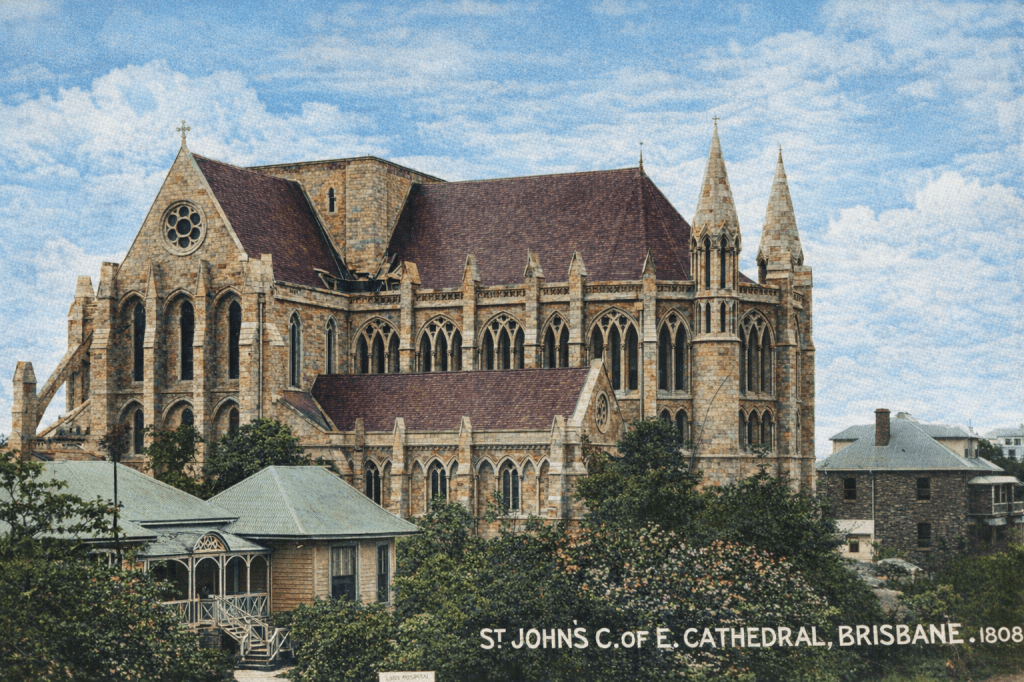
The history of the Anglican Church in Brisbane began in miserable circumstances. In the 1840s, services were held in buildings in the old convict lumber yard. The Rev John Gregor received little support from the diocese, his brother Andrew was murdered in 1846 on the Pine River, and he lacked the personal charisma to draw his flock in. Gregor sought refuge from the hardships he faced in town by staying with the German missionaries at Nundah, where he died by drowning in early 1848. He would scarcely believe the enormous Norman-style cathedral that Brisbane now boasts.
St Lucia
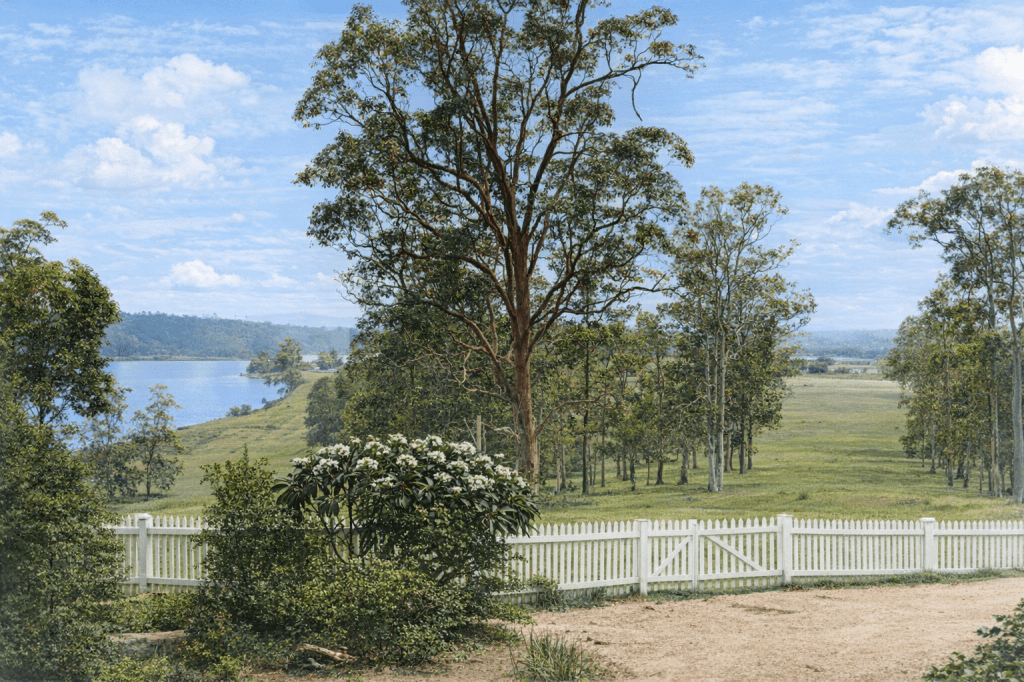
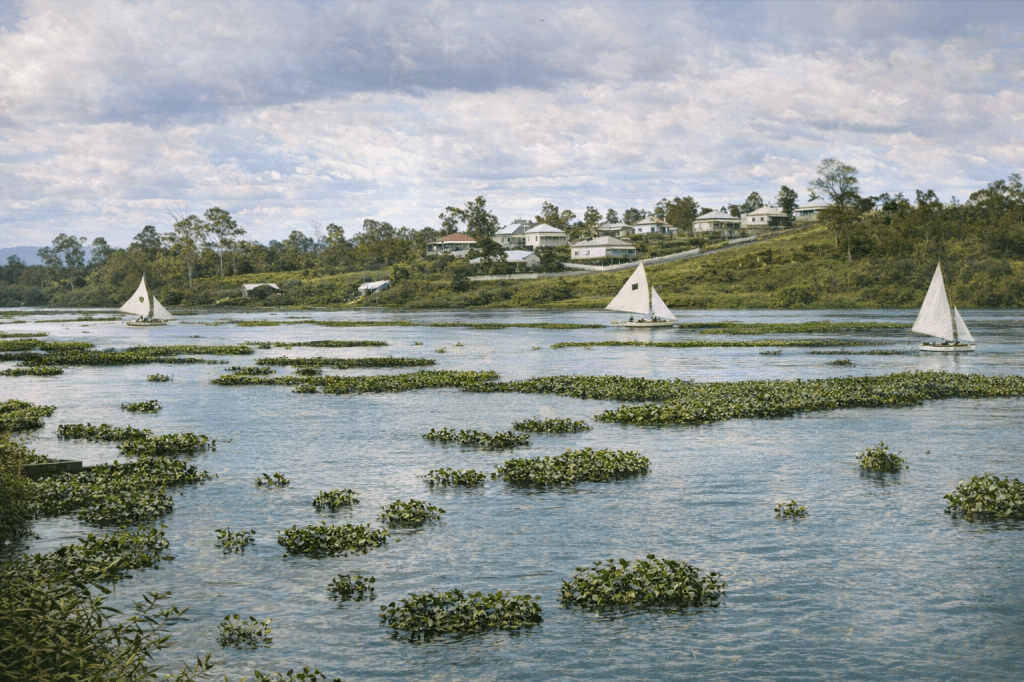
Another riverside suburb, growing out of small farm holdings and country homes. The University of Queensland was established there in 1930s.
St Stephen’s Cathedral
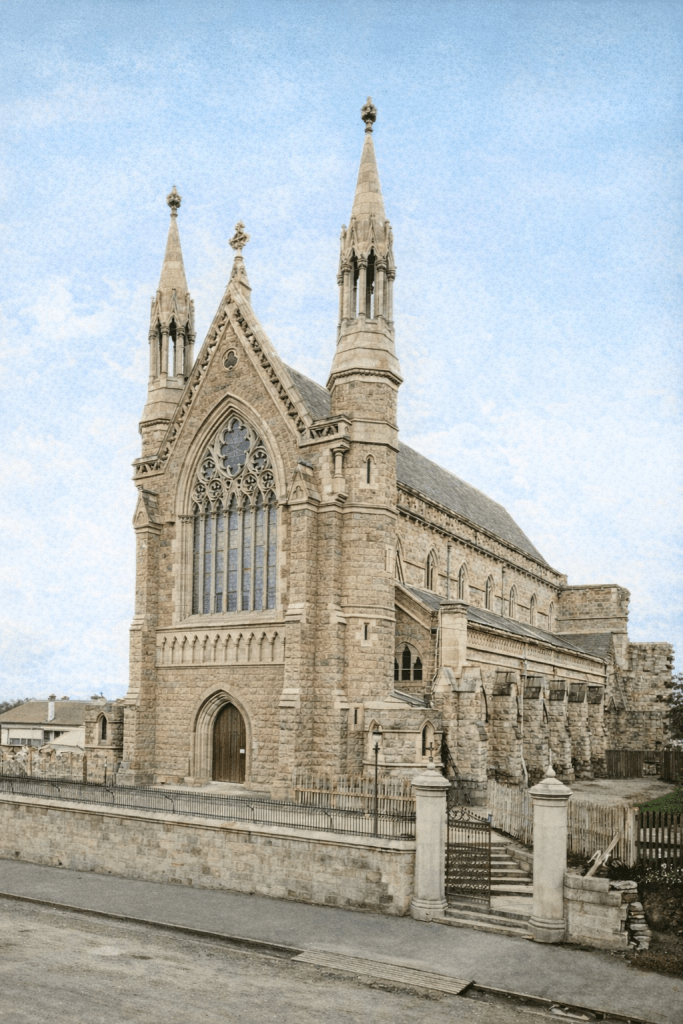
The Catholic Church had much better fortunes in early Brisbane than its Protestant counterpart. There was already a small church building at the time of Gerler’s map (1844), and by 1850 the Old St Stephen’s Church, designed by Augustus Pugin, was opened.
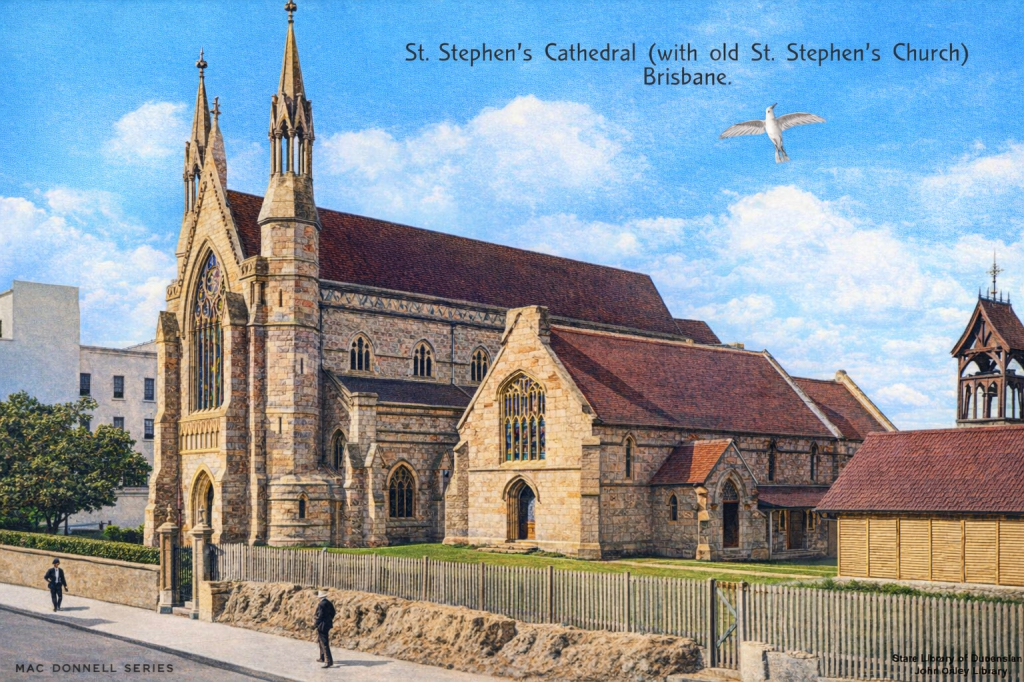
The St Stephen’s that now stands in Brisbane is a Gothic Revival cathedral designed by Benjamin Backhouse, which was started in 1863. Happily, both buildings remain intact.
Stafford
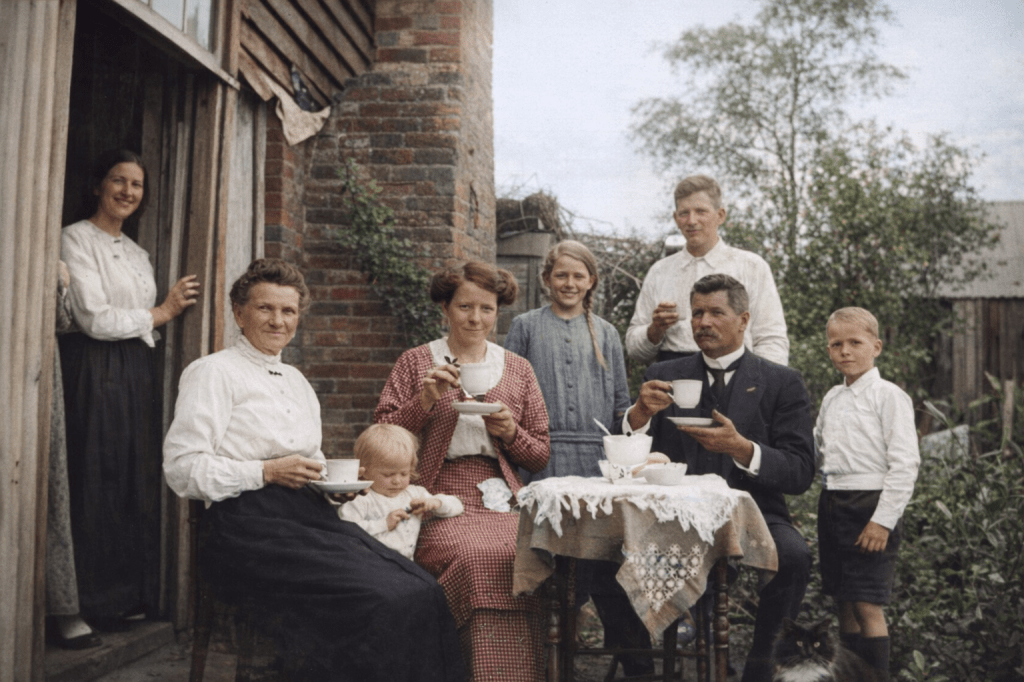
Stafford is the name given to the suburb formerly known as Happy Valley. It was mainly rural and semi-industrial until the early 1900s, and, frustratingly, few thought to photograph the place until many years later.
Stones Corner
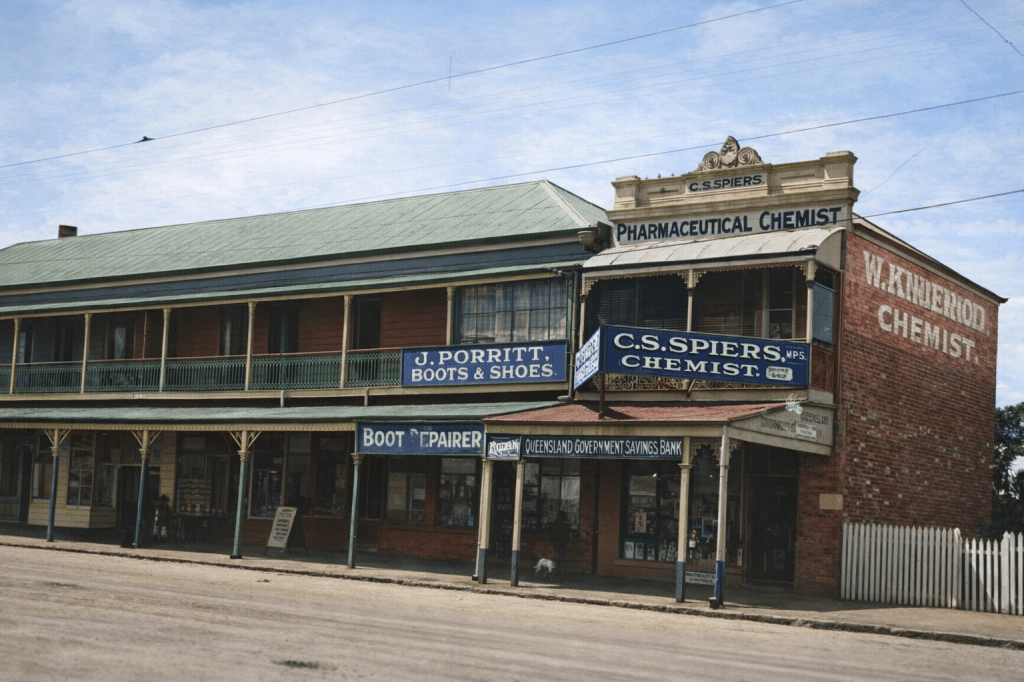
Formerly known as Burnett’s Swamp, the suburb of Stones Corner has been in existence since the 1880s. It is now part of the suburb of Greenslopes.
Sunnybank
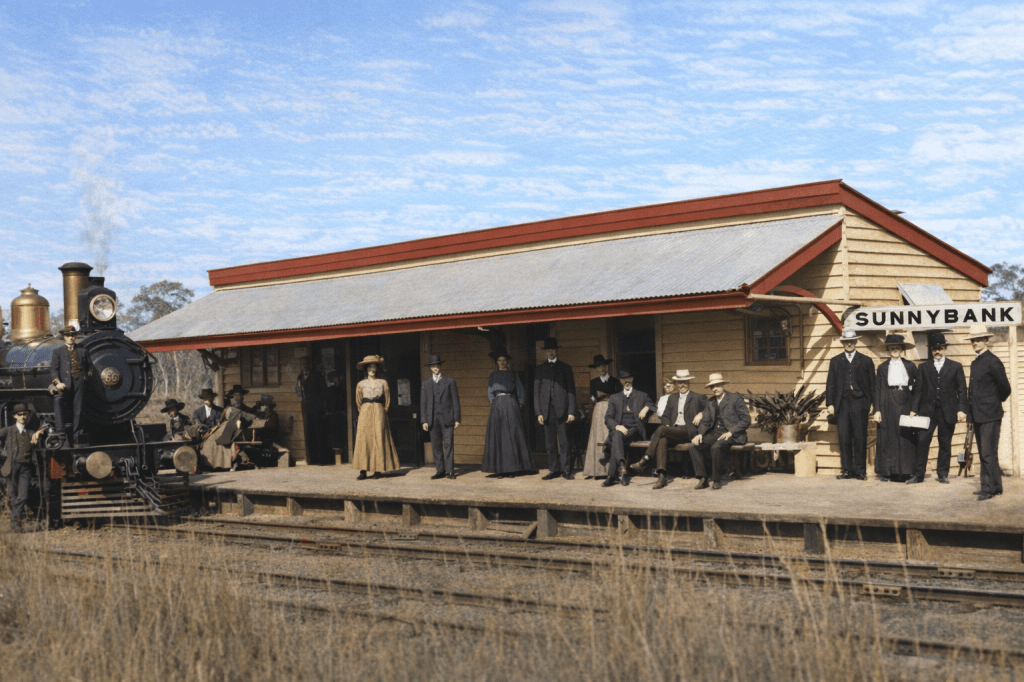
Sunnybank was another suburb that did most of its developing in the 20th century. Named after a family property at Runcorn, the locality at least boasted a named railway station by 1911.
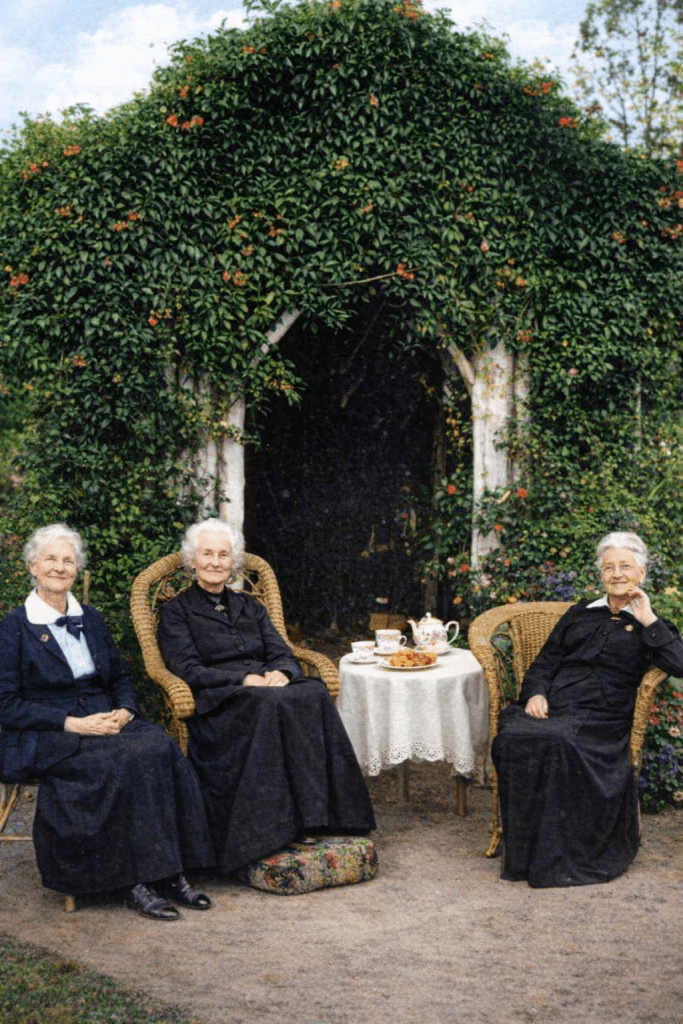
All images are taken from the digital collection of the State Library of Queensland and are out of copyright. AI colourisation by CoPilot.
Information from Queensland Places website, Wikipedia and:
K. Rayner, ‘Gregor, John (1808–1848)’, Australian Dictionary of Biography, National Centre of Biography, Australian National University.
Elaine Brown, ‘Pettigrew, William (1825–1906)’, Australian Dictionary of Biography, National Centre of Biography, Australian National University.

