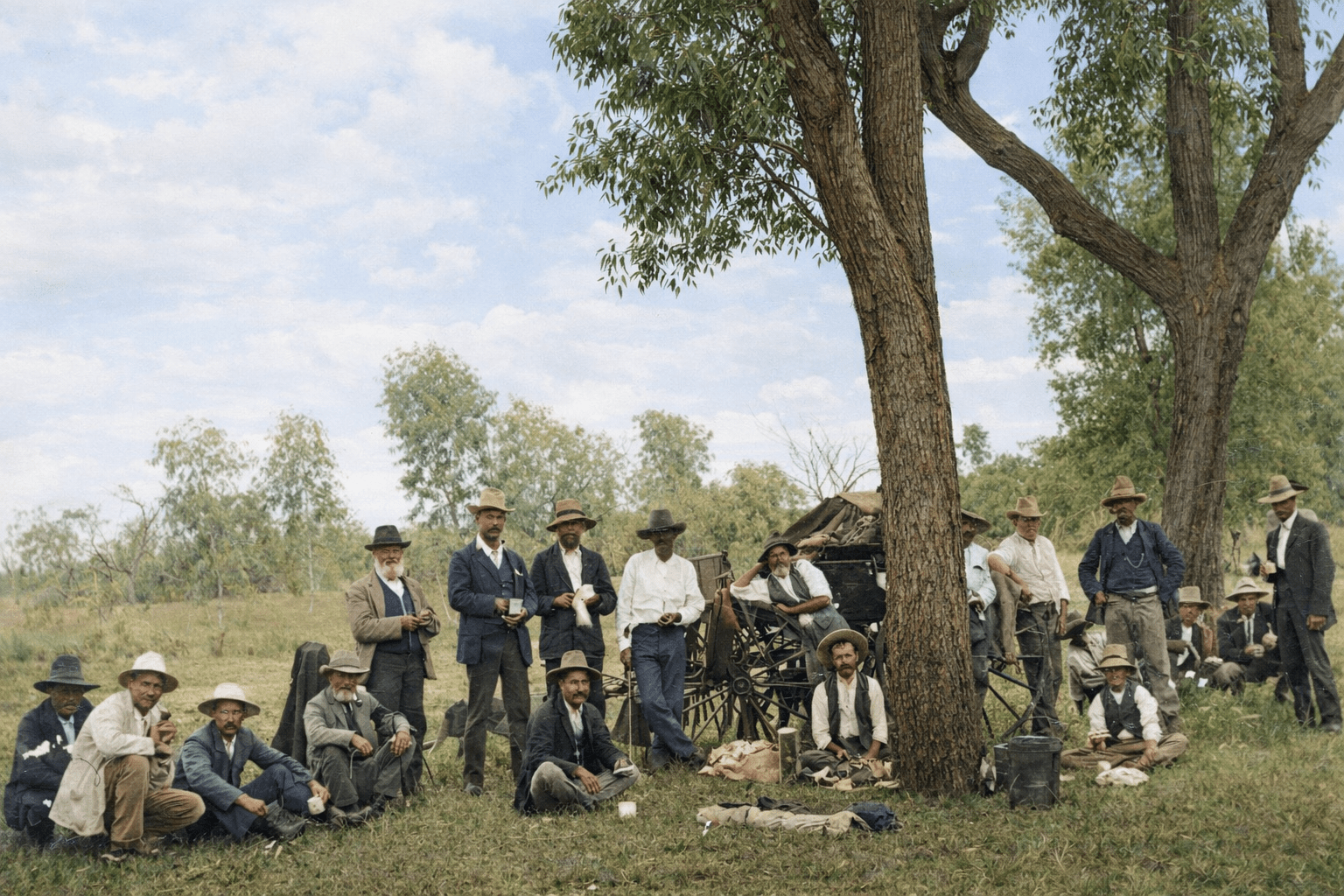
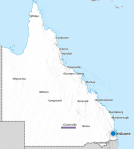
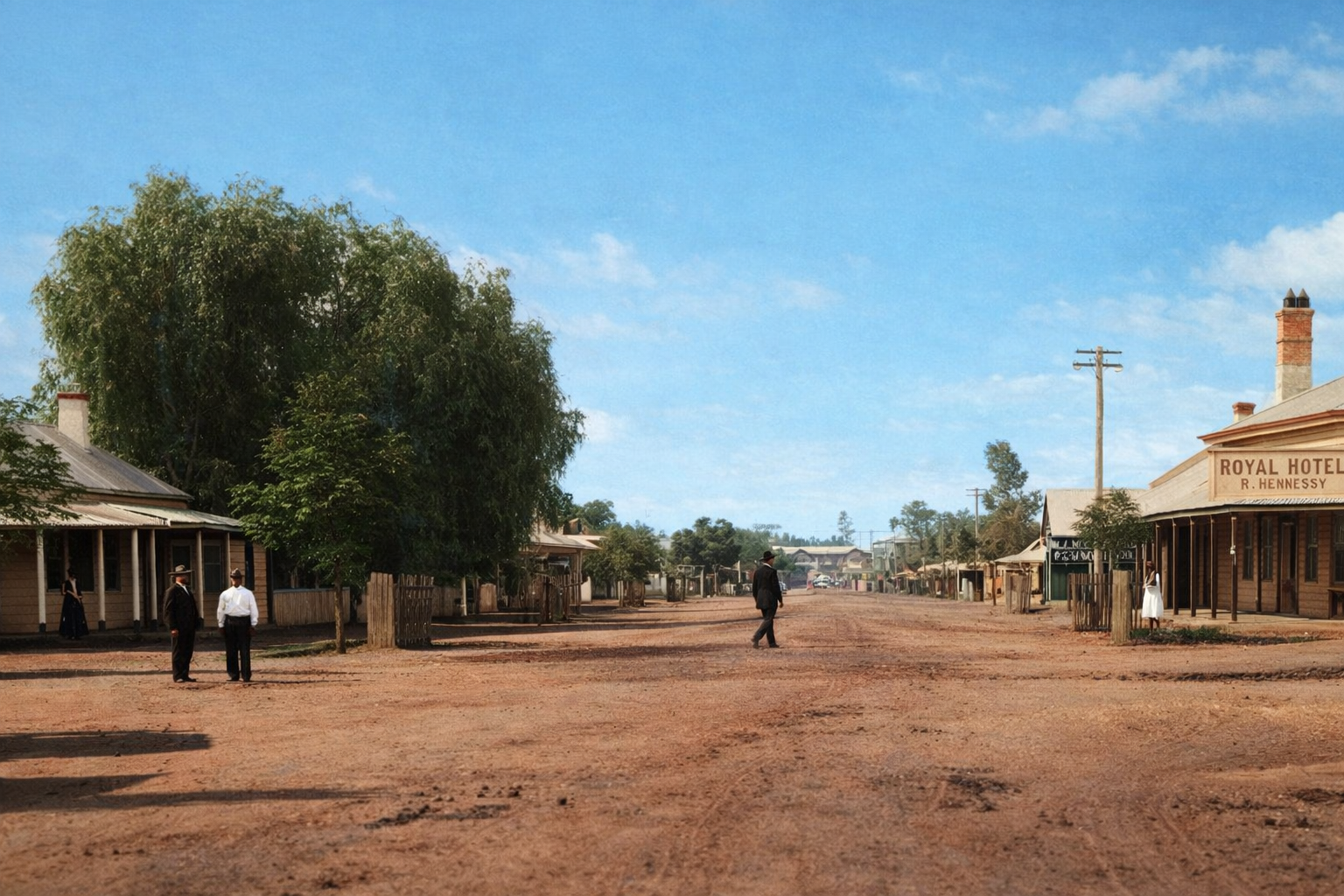
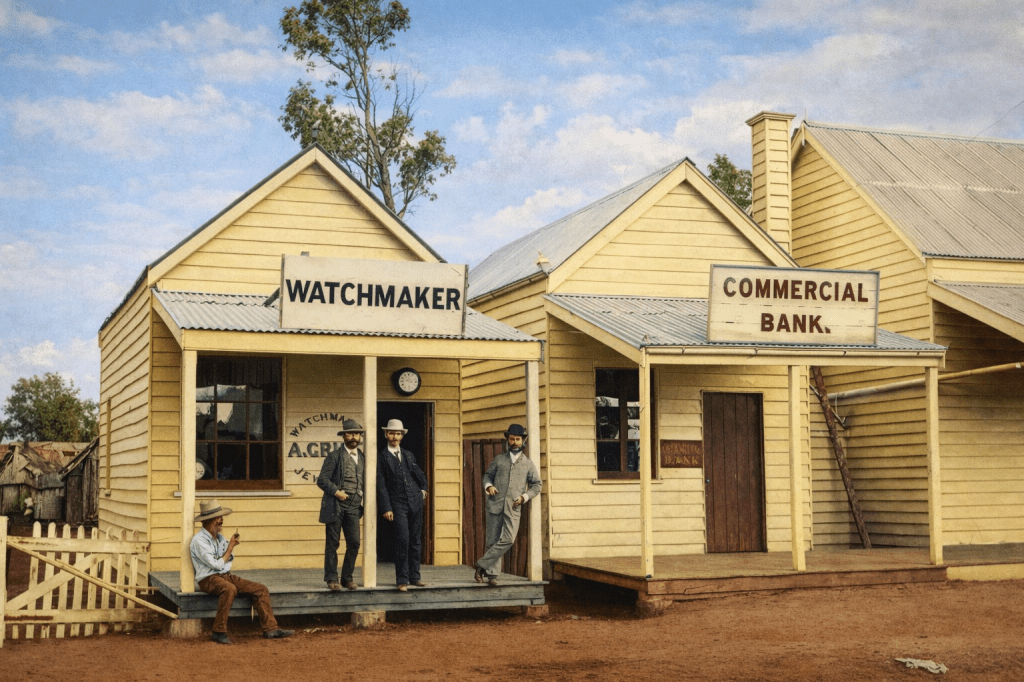
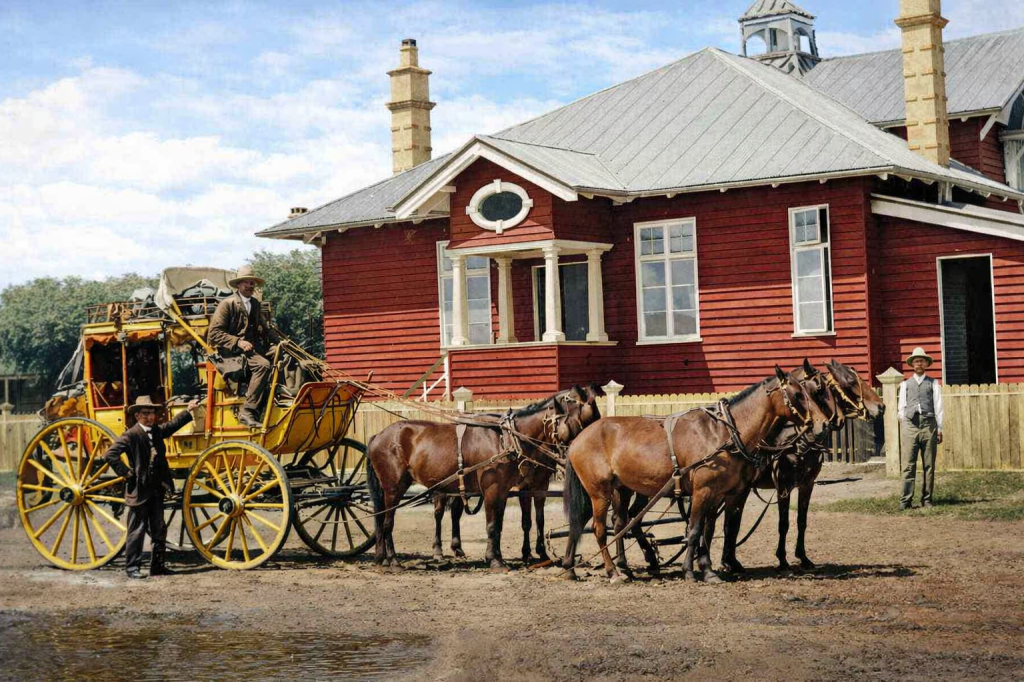
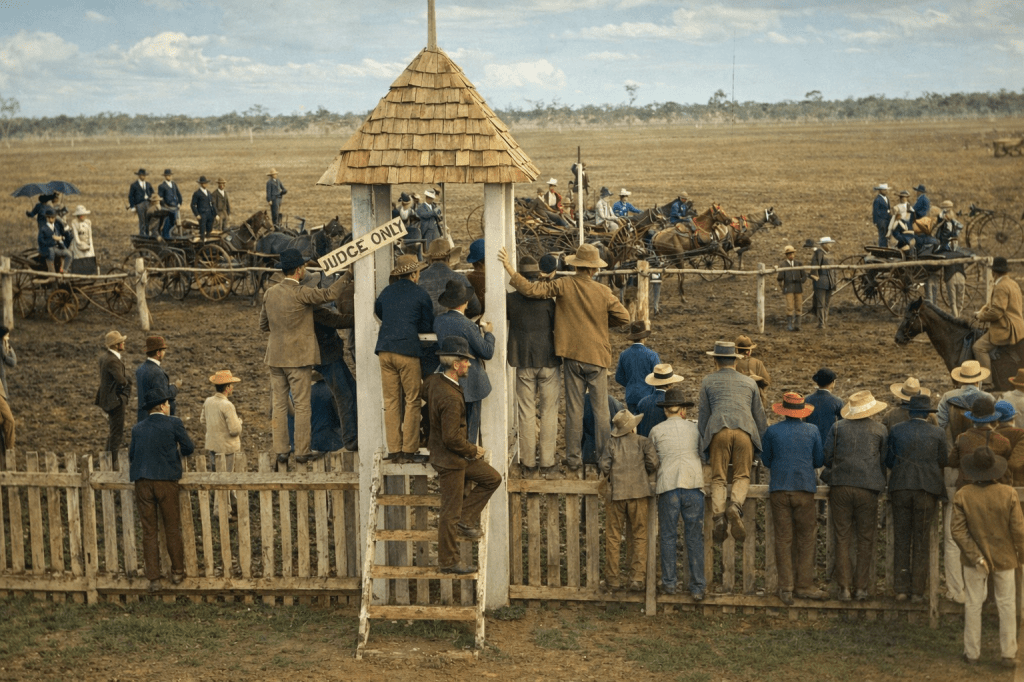
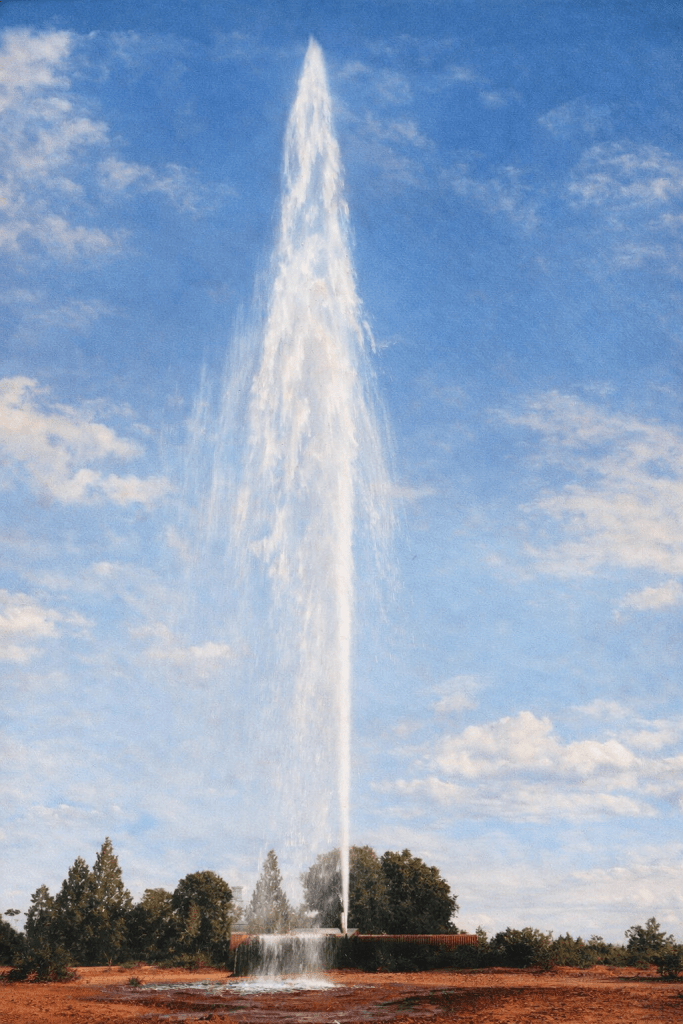
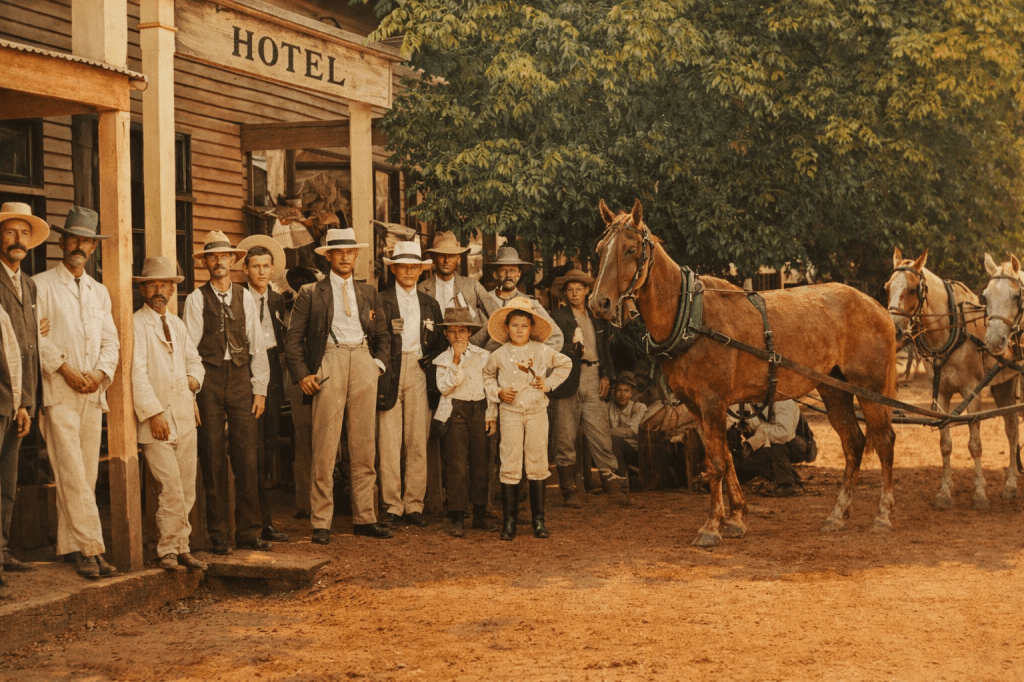
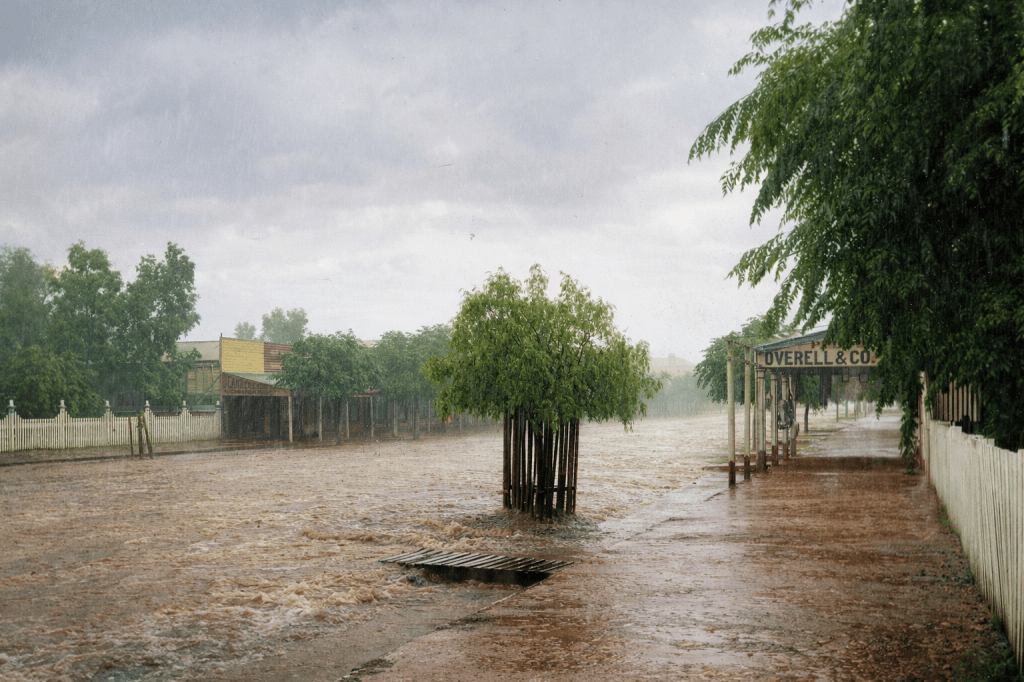
A view of the town of Charleville in 1906. The width of the road reflected both the space needed for coaches and bullock trains, and the particular personal space requirements of outback Queenslanders.The Charleville Commercial Bank office in 1883. Perhaps the bank manager didn’t like the local swells draping themselves all over his verandah.The Mail Coach leaving the Charleville Post Office in 1909. This looks positively luxurious, compared to the dangerous old days on the road, when the likes of Alfred Allwood and the Wild Scotchman made a postie’s life a torment.Clearly the “judge only” sign was viewed as a suggestion, rather than a direction. Just about everyone was checking out the view from the judge’s box at the Charleville racecourse in 1890.When I saw a photograph captioned, “Charleville’s Town Bore,” this was not quite what I was expecting.A group of people outside the Charleville Hotel in 1900. Note the chaps ducking down behind the horses – presumably anxious for their wives to remain unaware of where they were that day.Here’s the rainstorm that broke the 1902 drought in Charleville.
Mr Wragge was a tad eccentric.
Sadly, Clement Lindley Wragge (left) was not involved in the breaking of the drought in 1902. Meteorologist Wragge visited Charleville in September of that year, to fire off some Steiger Vortex Cannons, which he was convinced would draw the rain from the clouds. (If fired directly at said clouds.) Mr Wragge left town after a disagreement with local authorities, and the guns went off without him. Unsurprisingly, nothing happened, beyond a lot of noise. The rains came eventually, without any ballistic intervention.
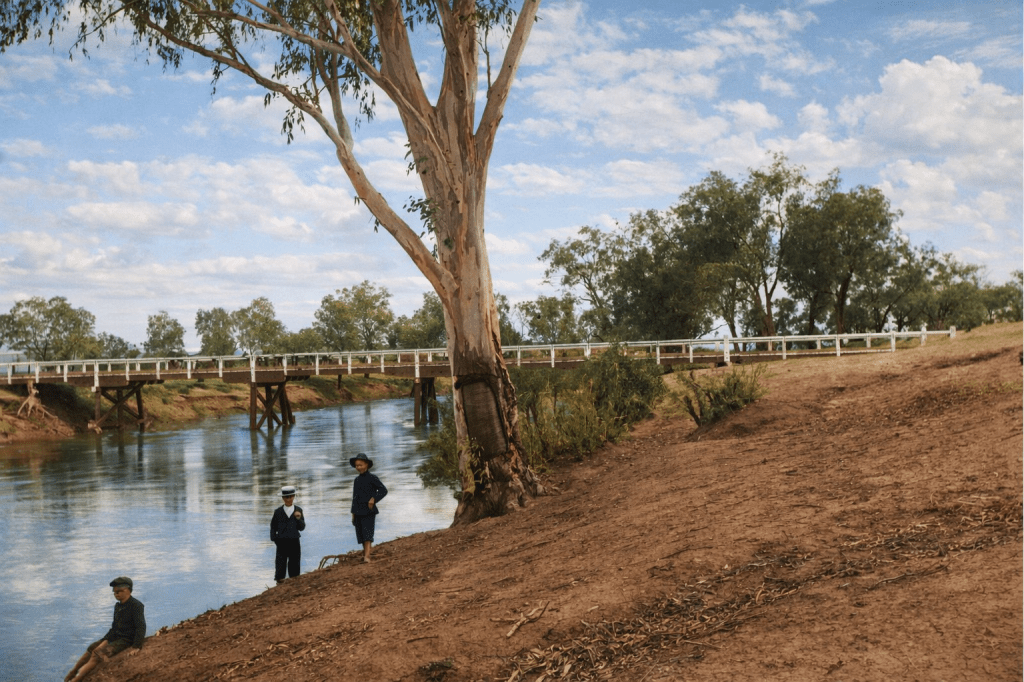
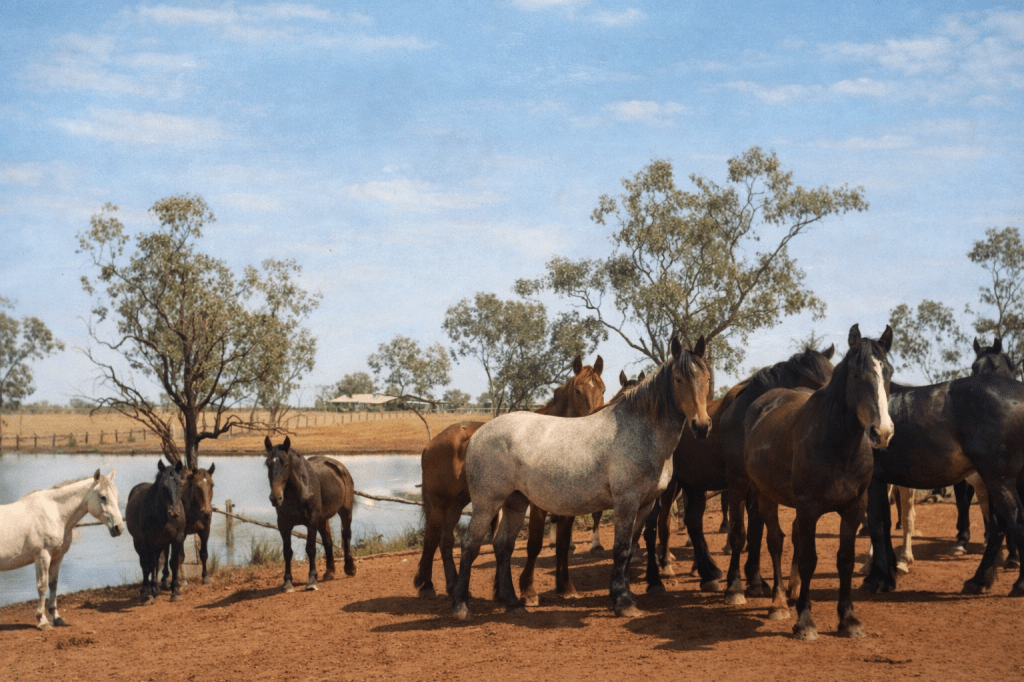
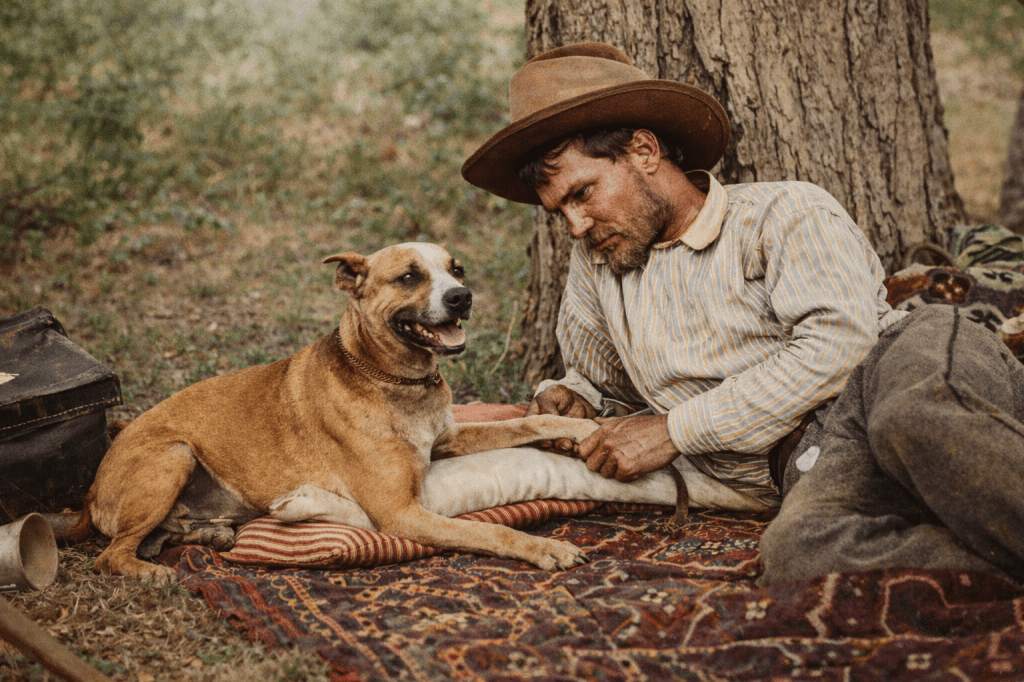
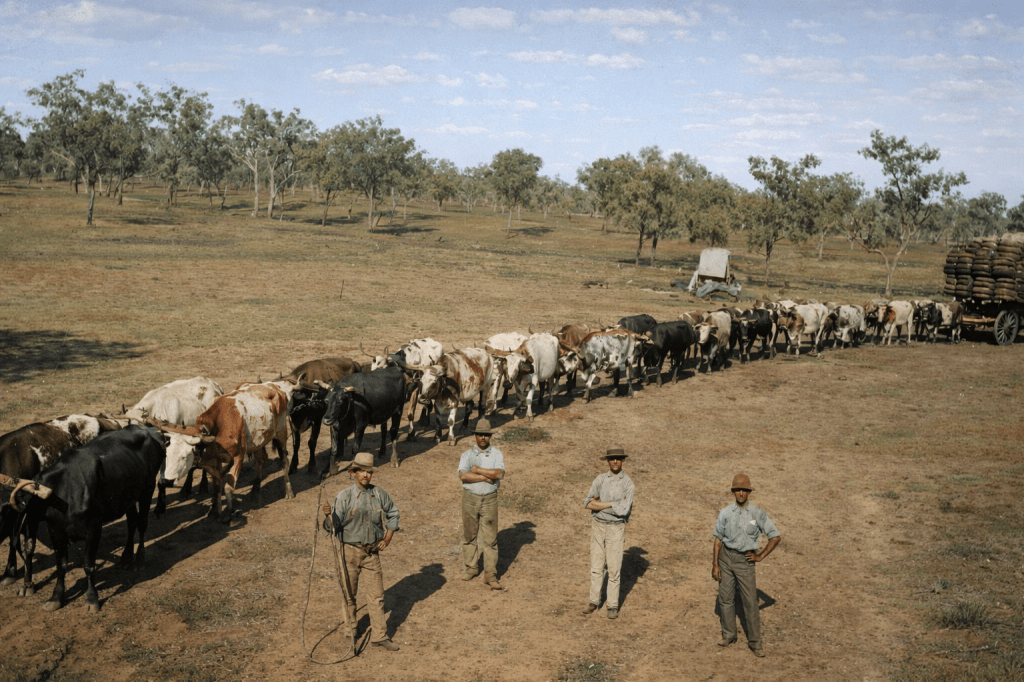
Bridge over the Warrego River at Charleville, 1902-1904Horses spelling at Millie Station, Charleville District, Queensland, ca. 1909. Travelling photographers’ bush camp near Charleville. he Reckitt and Mills Queensland Photo Company travelled around the outback towns with a horse drawn buggy containing all their equipment. Travelling photographer with his dog at his bush camp. Aww.Thirty-two bullocks in a team, Charleville district, 1902-1904. The roads in Charleville were planned to allow bullock teams of up to fourteen pairs to turn around safely, but this would have required a three-point turn at the very least.Singer sewing machine on a cart pulled by six goats, ca. 1910. This was an advertising gimmick, and not the standard size for a sewing machine in the bush. I think.Taking a lunch break at the cattle sale, Charleville, c. 1905
The Wool Industry
Charleville grew from the Gowrie Station on the Warrego River – the town was built on part of the old run. Here are some glimpses of the wool industry that helped build the town.
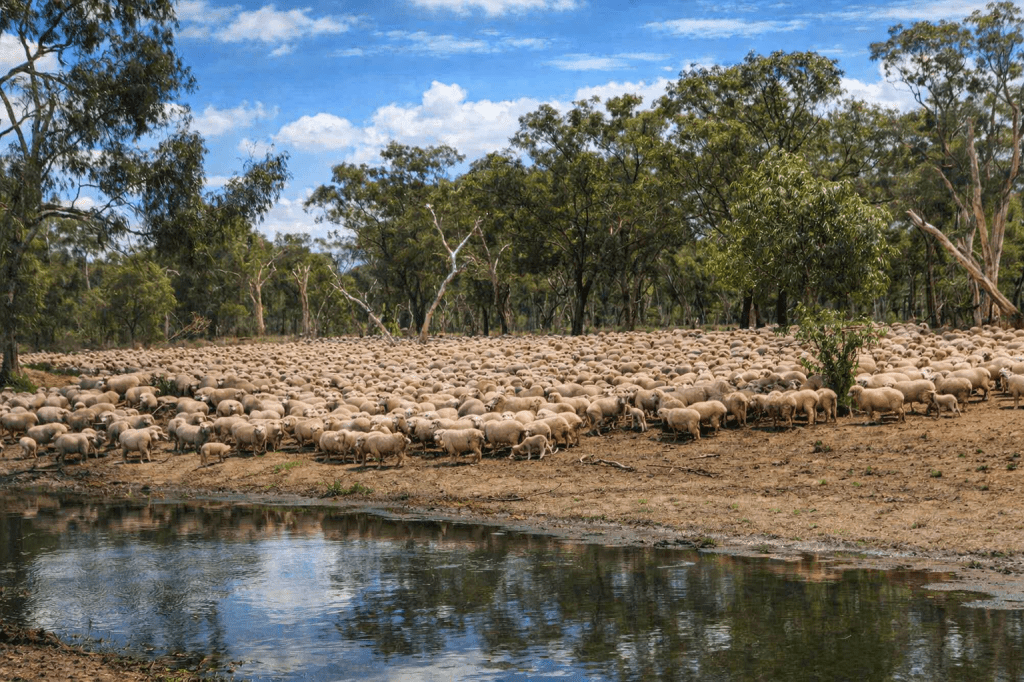
The original caption of this photo of a shepherd at Charleville was “Sixty years a shepherd.” Shepherding was a lonely, ill-paid and thankless job that could endanger a worker’s health and mental well-being. This old stager was clearly made of pretty stern stuff.A mob of sheep near a creek on the Mount Morris station. Imagine shearing that lot.“Wool on the road, showing a good season.”