
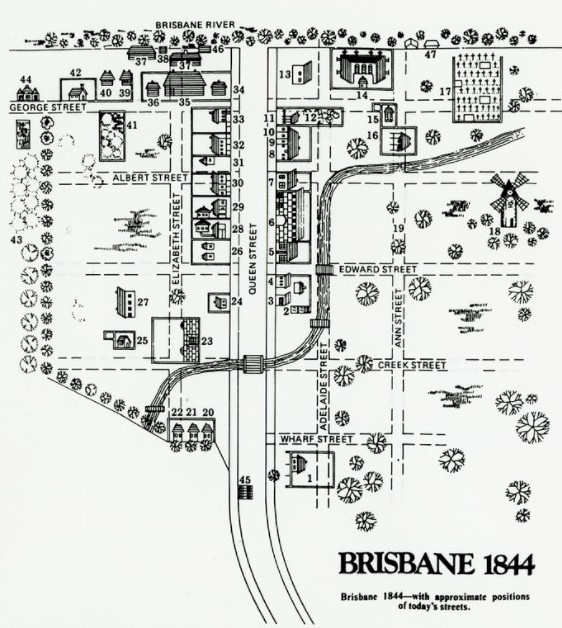
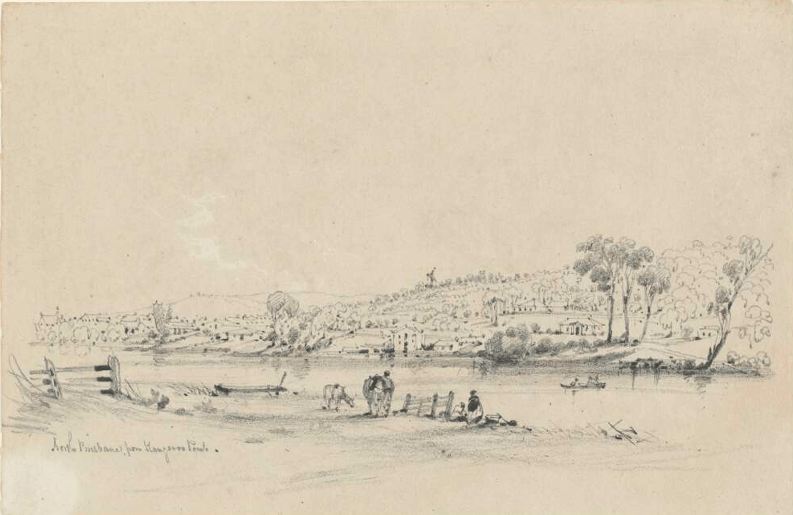
George Milner Slade pops up briefly in early editions of the Moreton Bay Courier, as the postmaster of Brisbane Town. He was known to grow superb pineapples in the little garden attached to the post office. Slade was in poor health, and sought a leave of absence. Then, quite suddenly, he died in early 1848.
A truly extraordinary journey brought George Slade to his little post office cottage and pineapple garden in the twilight of his life.
Respectability.
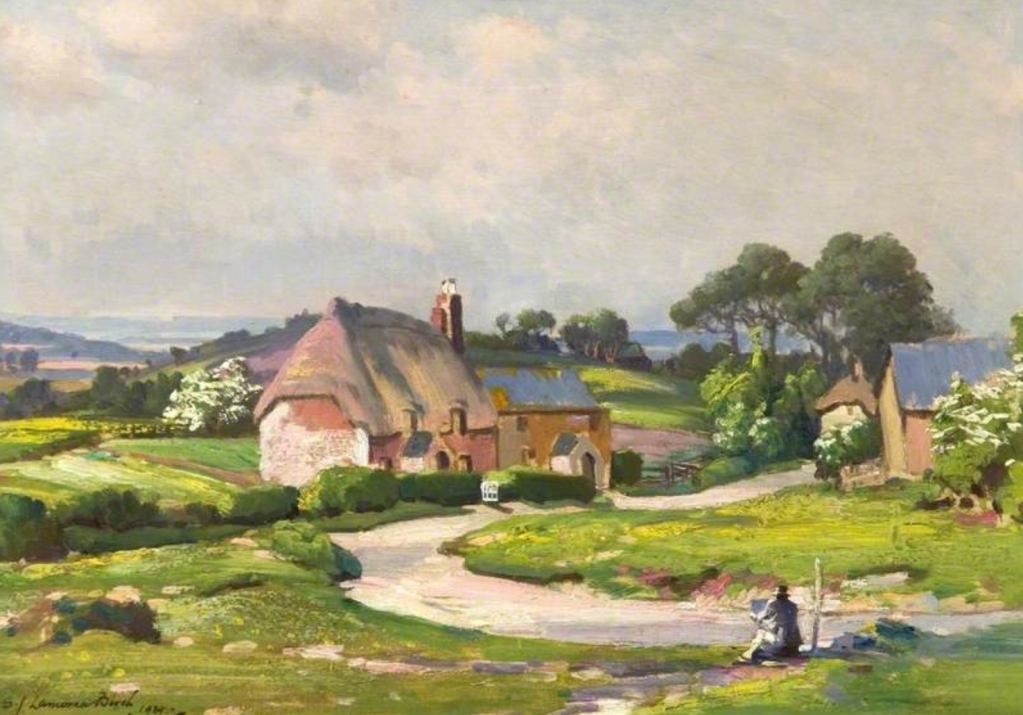
George Milner Slade was born in June 1787 in Wareham, Dorset. He was the fourth of nine children born to George Card Slade and Hannah Margaretta Glover. His sisters married into respectable families – Hannah married George Moger of Bath, and Sarah married Major Anthony Wharton, later Colonel Wharton. George followed Wharton into the army.
Ruin.
George Milner Slade recalled that he was 19 years old when he was commissioned as a paymaster in the 6th battalion of the 60th Regiment, under the auspices of his brother-in-law. Their battalion was stationed in Kingston, Jamaica.
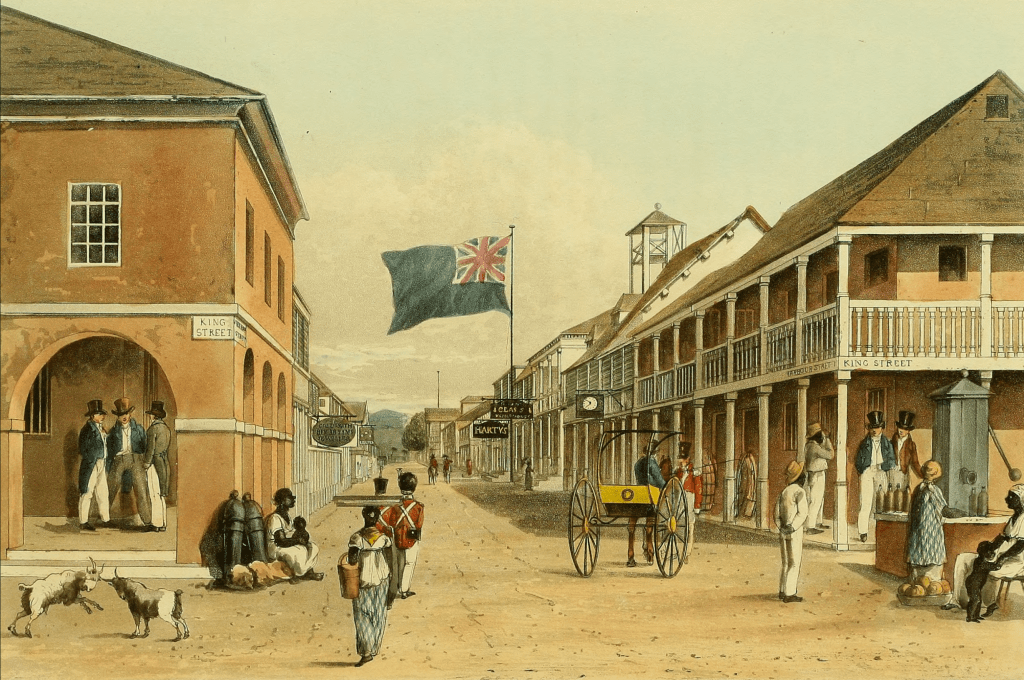
In 1815, £1628 was found to be missing from the payroll books.1 Paymaster Slade was the officer responsible for this deficit. He claimed that he had advanced sums to Lt. Col. Wharton, who had promised to pay him back, but who instead sold his commission and retired from the armed forces before the debt was discovered.
George Slade felt that Wharton should have been a guide and father to him in his impetuous youth, but it could also be argued that he was 28 when the Court Martial took place at Kingston, and had been working in the paymaster role for nearly a decade. He would have known what he was doing, in other words.
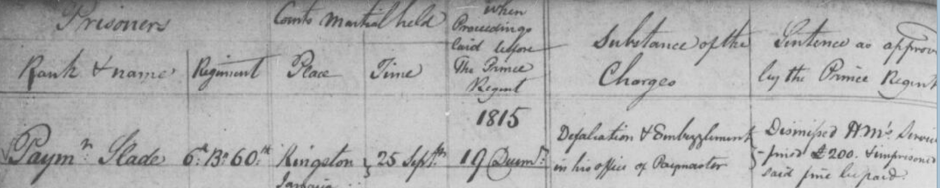
Paymaster Slade was dismissed from His Majesty’s service, and imprisoned until he could pay a fine of £200 in lieu of transportation. He was expected to make good his enormous debt the Crown in the future. His uncle, Robert Slade, and his (other) brother-in-law, George Moger, ended up providing sureties for Slade’s debts – a decision that they would regret bitterly.
(As for Lt. Colonel Wharton, he had retired from service back in 1814 and returned to England. Wharton and his wife lived to grand old ages. One imagines that there were a lot of awkward silences around the various festive tables back at Home.)
The road back to respectability.
In 1819, George Slade was back in England, where he married Anne Cameron at St James’ Paddington. Anne was a Scottish woman from a decent family, who, as it happened, was expecting a small inheritance from a relative. According to the marriage register, George Milner Slade was already a widower when he married Anne. 2
In 1820, George and Anne Slade travelled to New South Wales to start a new life together. Slade didn’t obtain employment until late 1821, when he was appointed to the role of Coroner to the Town of Sydney and the Districts in its Vicinity, following the resignation of future newspaper editor, Edward Smith Hall.
Governor Macquarie was privately aware of Slade’s situation, and gave him a job that held some prestige, and that might hopefully help him pay off the money to his sureties and to the British government without any loss of face.
George Slade set to work immediately, holding inquests on all sorts of people from bushrangers to unfortunate drunks who happened to get in the way of passing carriages. Slade held the role for seven years, with an annual salary ranging from £90 to £118 pounds, and rations for himself and his good lady wife.
Respectability hovering on the brink of ruin.
In July 1826, George Slade was appointed Secretary to the Australian Agricultural Company. It was a lucrative and immensely prestigious role. Three months later, he was under arrest with another official of the company for inciting a riot on board a company steamer. Nothing came of the charges – it seems that a group of female servants were being boarded on the AAC steamer to Port Stephens, when Slade and his colleague, a Mr Dawson, decided to load 32 convicts and their guard as well. The master of the steamer refused to take this surprise party, and Mr Slade and Mr Dawson insisted. High words were exchanged, and the departure of the steamer was delayed until someone in authority disembarked the convicts. Ultimately, the case was not proceeded with.
The secretaryship did not last. Slade claimed that a friend of the owners was brought in as a favour, and the loss of his position came as a huge and unpleasant surprise. Before his departure, there was a court case in which a forged cheque was dishonoured. The handwriting on the cheque “closely imitated” Mr Slade’s. Someone else was blamed and charged, though.
Despite his disappointment with the secretaryship being given to another man, Slade tried opening a store at Port Stephens, on hundreds of pounds of borrowed money. He couldn’t make a go of it, but insisted that was because of the borrowed capital.
We hear little of George Milner Slade in the late 1820s – his wife ran an academy for the education of young ladies on an off for several years. George Slade had been quietly imprisoned for debt for over a year, thanks to the unwise speculation in Port Stephens.
The Assignment Bureau and a shipwrecked boy.
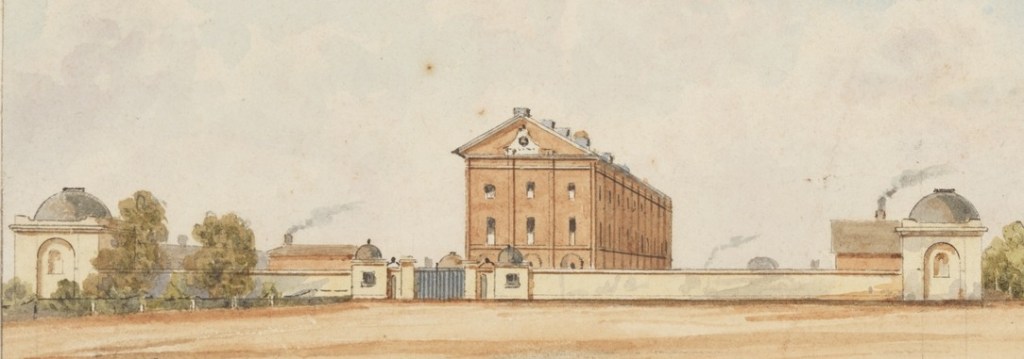
In 1831, the Government employed George Milner Slade once more – giving him a position as Clerk to the Bench for the Assignment of Convicts. Slade worked in that capacity for five years on a fairly low salary, until 1836, when he was made a Commissioner for the Assignment of Convicts, working out of Hyde Park Barracks. This was a well-paid job that he retained until the end of transportation to New South Wales.
The Slades had not been able to have any children of their own, but Mrs Slade adopted her infant niece in 1827, following the death of her brother. The little girl sadly passed away in 1834, leaving the couple bereft.
There were two sensational shipwreck stories in Sydney in 1836. Mrs Eliza Fraser had been rescued after the Stirling Castle was lost on K’gari, off the Queensland coast. She was in Sydney, recovering from her ordeal, and becoming a cause celebre, when news came of a second miraculous rescue.
The Charles Eaton had been wrecked in the Torres Strait in 1834. Searches had been undertaken over the years, and in 1836, two boys from the ship were discovered, still alive, and living with the indigenous people of the Strait. One was an adolescent ship’s boy named John Ireland, and the other a little boy aged around five, named William D’Oyley. William’s family had been killed after the shipwreck, and he had been living in the care of an Islander family. The D’Oyleys were a celebrated English and Colonial family, and one that had a slight connection with Anne Slade.
When the two boys were brought to Sydney, John Ireland told his story, and returned to work for the shipping company. William was taken in by Anne Slade, to allow him to recover his health until arrangements could be made to return the little lad to his other relatives in England.
No doubt Anne doted on little William, as she had on her niece, and she probably delayed his return as long as she could. When William was finally taken back to England in 1838, the Colonist reported heart-rending scenes as he was parted from his adoptive mother, who was also “deeply afflicted.”
Brisbane Town.
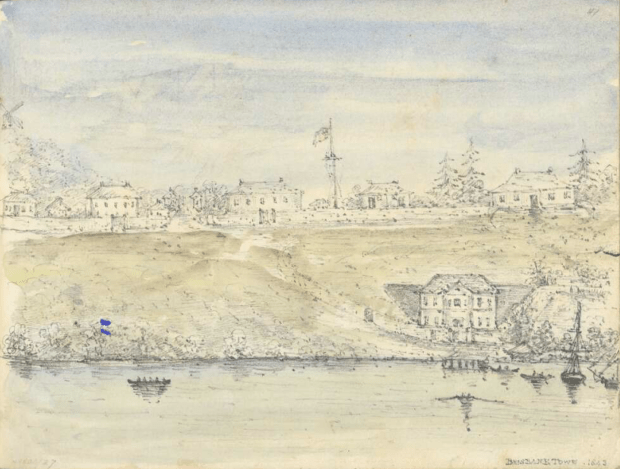
In 1842, transportation to New South Wales had ceased, and this rendered the role of Commissioner for Convict Assignment obsolete. George Slade was once again facing unemployment.
His Excellency, always ready to help, decided to appoint Mr Slade to the position of Clerk of the Bench at Moreton Bay, and shortly afterwards to the Postmaster’s position, replacing William Whyte, who had become too ill to work in any capacity.
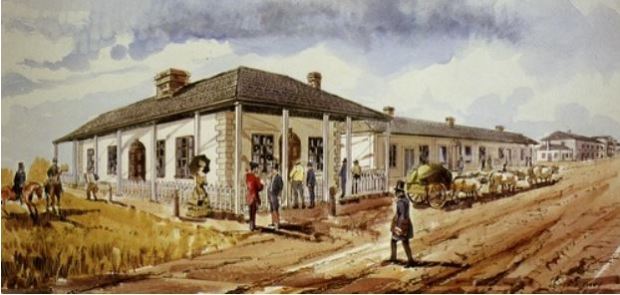
Two years later, Slade was also given the role of Registrar of the Court of Requests at Moreton Bay. The three roles combined gave him an income of just over £200, and the agreeable little cottage and garden.
1845 – at war with St George Gore.
One of Slade’s many duties involved the mustering of convict servants at Moreton Bay. In January 1846, St George Richard Gore went to see Mr Slade to enquire about a ticket of leave for one of his labourers. Mr Slade did not have a record of it. Mr Gore, who had broached the issue before, became irritated, and used the word “neglect” in Mr Slade’s presence. Mr Slade in response, “broke out in a tirade.”
Mr Gore wrote to the Governor, accusing Slade of unbecoming conduct. Mr Slade wrote to the Governor, accusing Mr Gore of high-handed and insulting conduct. Captain Wickham wrote to the Governor, stating that “any warmth of manner” should be tolerated on this occasion, but added,
With respect to Mr. Gore’s assertion of Mr. Slade’s “unfitness for the office which he fills”, – it may easily be supposed that, a younger person, and one more conversant with the duties of a Police office would, in all probability, perform those duties in a more satisfactory manner; but at the same time, we do not conceive that we could reasonably ground any complaints against Mr. Slade on this head, as we believe that, he exerts himself to the utmost of his ability.
J.C. Wickham, March 1845.
Faint praise. Aware of the influence that a wealthy squatter could wield with His Excellency, Mr Slade canvassed the townspeople of Brisbane, and the gentry of the Darling Downs. A memorial in his support gathered 52 signatures. Letters came from Arthur Hodgson, Patrick Leslie, Sir Evan Mackenzie, Gilbert Elliot and more. All supported the sterling work Slade had been doing in the Post Office.
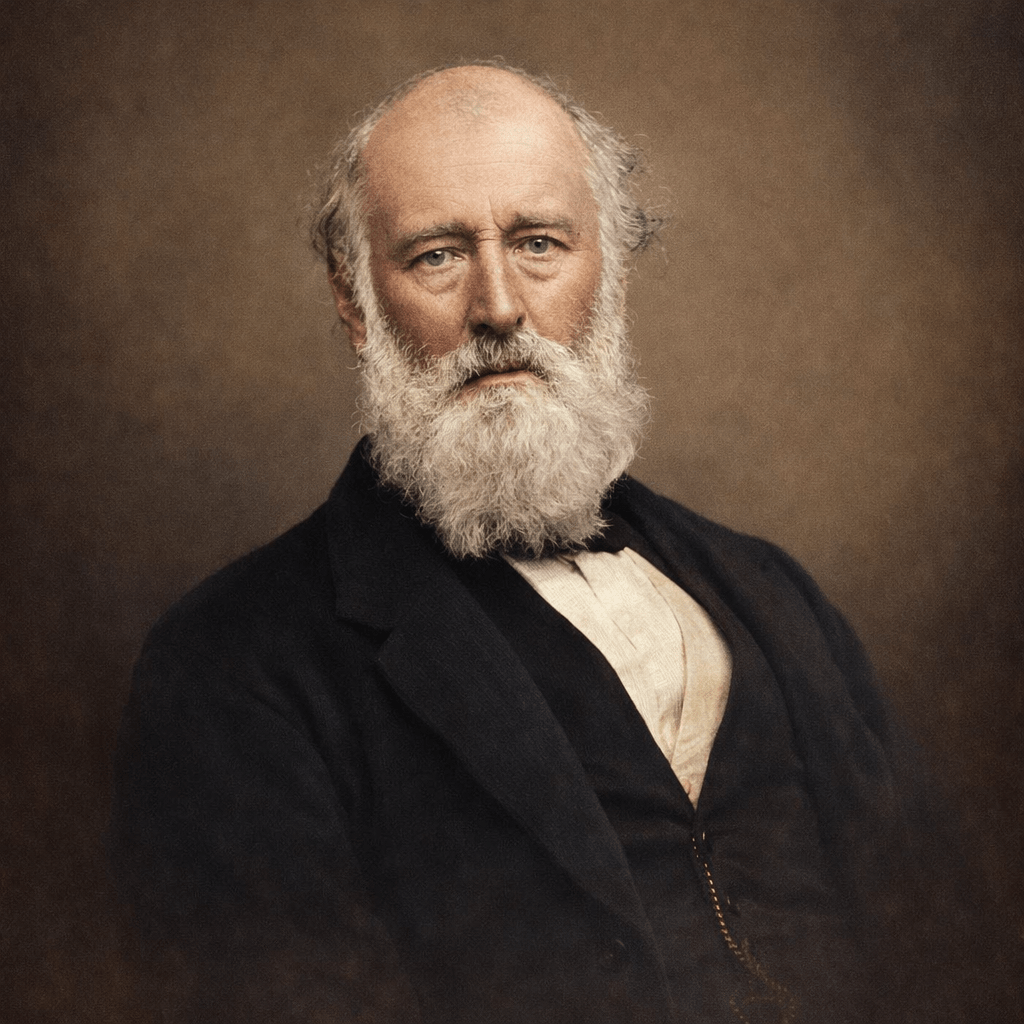
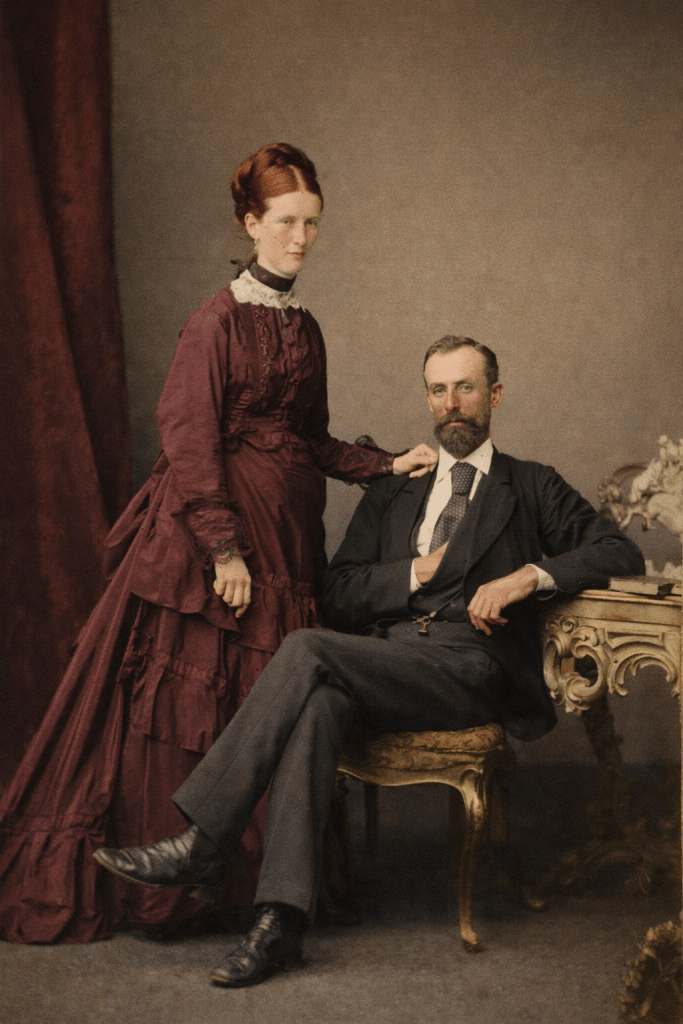
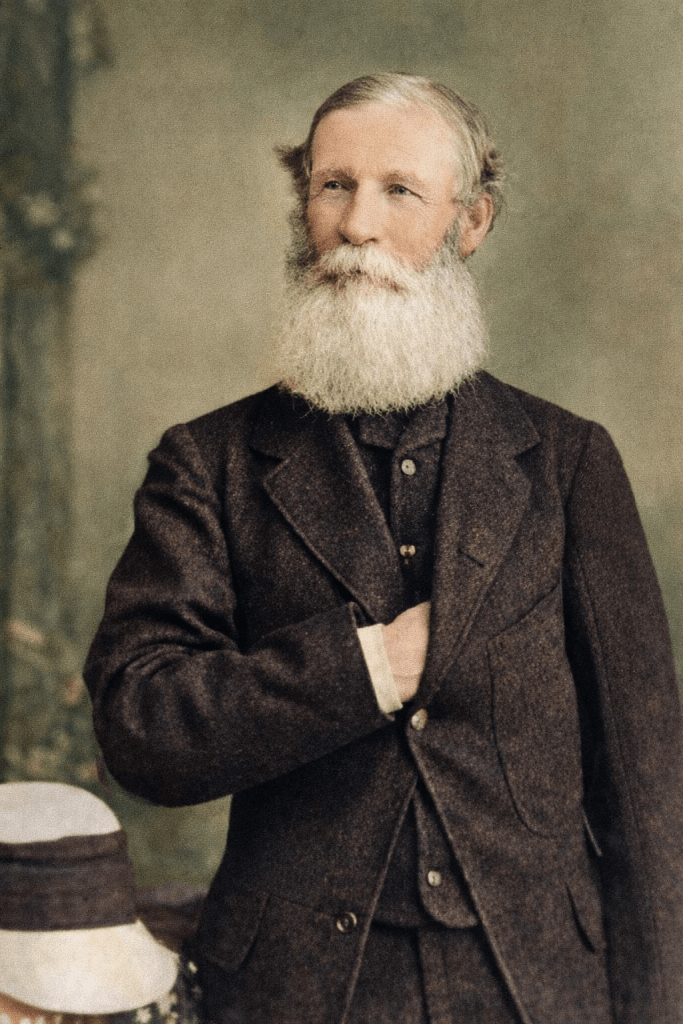
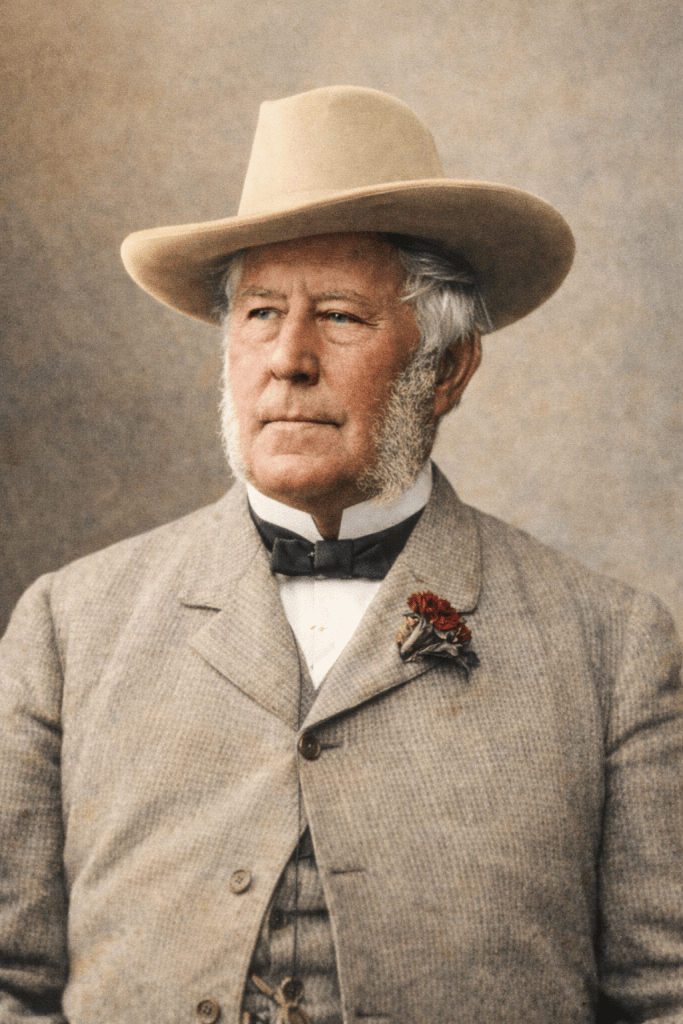
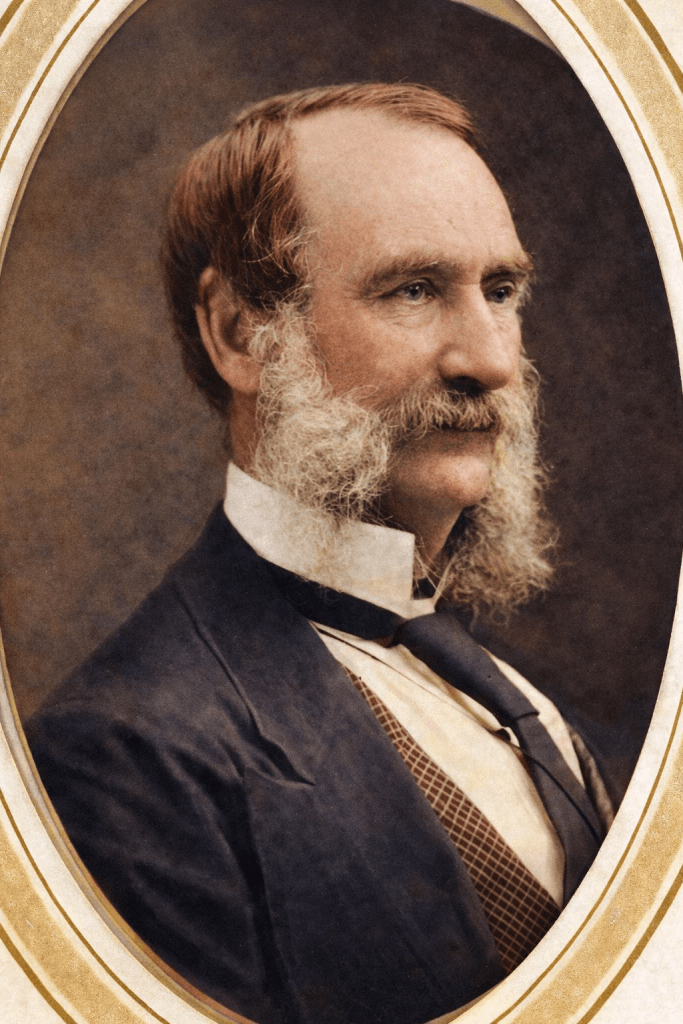
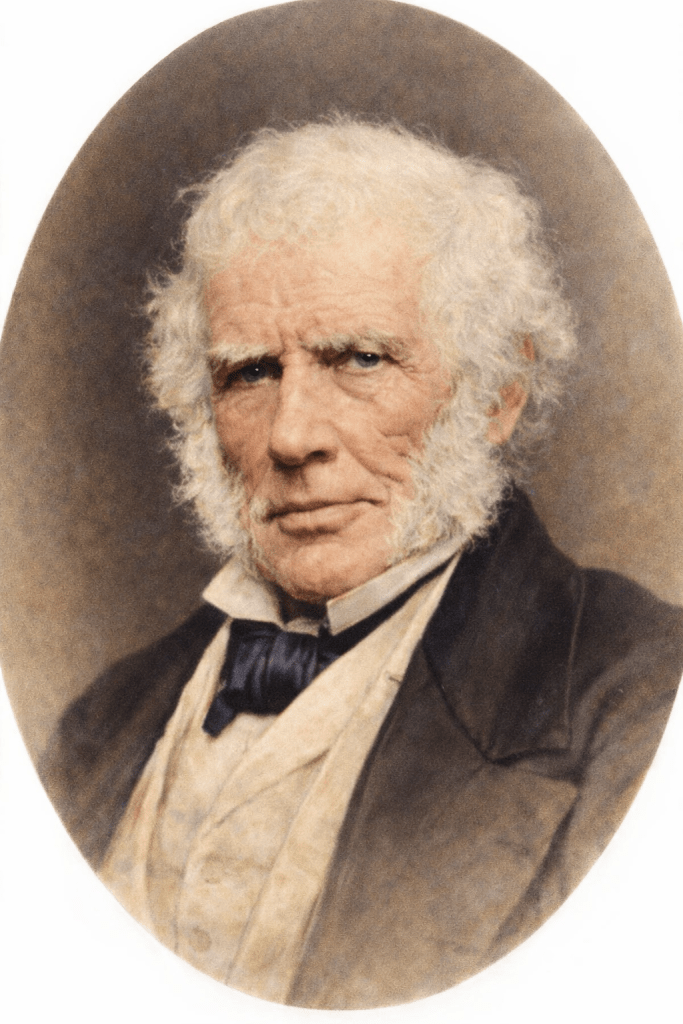
St George Gore noted, with no small irritation, that the great and the good had been asked to testify to Slade’s abilities as a postmaster, not as a Clerk of the Bench in charge of convict musters. Slade had sought their support on an issue about which they had no complaint.
The debt of thirty years’ standing.
The matter of the 1815 Court Martial and the amounts owed to the Government, and to his sureties, came to a head for the last time in 1845. The War Office had written to the Governor of New South Wales on at least three occasions since 1827, seeking answers about the non-payment of the debt. George Moger, Slade’s brother-in-law, wrote to the War Office, to His Excellency and to George Milner Slade himself, requesting details of any property and income.
What had George Milner Slade done to pay back the vast amount of money he owed both the public and his relatives? There had been a bailiff sale of his goods early on, which yielded £170. He had paid the Commissariat Office in Sydney the sum of £67 in 1827, planned to be the first of a series of quarterly payments. His ability to pay any more ended with his job at the Agricultural Company, he said.
Over the years, George Slade went from being apologetic to peevish. After decades of flowery assurances, and tales of unexpected hardship, he decided that everything was his brother-in-law’s fault. Every time he tried to advance, claimed Slade, his past “unfortunate defalcation” was brought to somebody’s attention. Besides, as Slade wrote to His Excellency, “Mr Moger is a rich man, and his family are all grown up, and provided for.”
After three decades of applying pressure and receiving excuses, George Moger made one last pitch. Mr Slade should insure his life, and list the sureties as beneficiaries. The Crown had not excused the sureties in all of this time, despite their pleas to be exempted. Whether Slade took out an insurance policy is unknown, but, given the knotty state of his finances, it seems unlikely.
There were other pressing matters on George Slade’s mind after this. Criticism of his performance as postmaster appeared in the Sydney press, and he wrote a letter to that paper to clarify the matter.
Then, in 1846, the worst blow imaginable befell George Slade. The woman who had stood by him through everything, who had worked to keep a roof over their heads when he was insolvent, passed away.
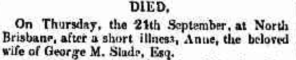
The following month, George Slade instructed Thomas Dowse to sell household furniture and other belongings, and requested a leave of absence due to ill-health. The Moreton Bay Courier noted that Slade had never asked for or taken leave, and hoped that his health would be restored in order to resume his “multifarious duties.” In the meantime, Louis F Layard would serve in locum tenens.
Louis Layard was one of two promising young men seeking a position at Moreton Bay. The other was the impeccably qualified Robert Little (future Crown Solicitor).
As Mr Slade struggled back to work, and Captain Wickham couldn’t help comparing his Clerk of the Bench to the estimable Mr Little.
As I am aware that one of our Brisbane attorneys, Mr. Little, intends to apply to you for the appointment of Clerk of the Peace for this District, I take the liberty of addressing you in his behalf, and to recommend him as a young gentleman who is in every way well suited for such a situation.
He is a perfect gentleman in manner and principle and has gained the goodwill of all in these districts – I sincerely wish he were in the situation now filled by Mr. Slade who I am compelled to say is quite incompetent, and cannot draw up the most simple documents without mistakes.
I take this opportunity of telling you that, Mr. Slade is wholly unfit for it – I am not aware whether he is entitled to any retiring pension, but am quite of opinion that he is due for Superannuation – the duties of Post Master are as much as he can attend to, and with the House and Garden attached to that appointment is a certain provision. I should be extremely sorry to be the means of depriving any person of his situation, but I feel it to be a duty I owe to myself and the Magistrates who occasionally attend this Bench to notice Mr. Slade’s unfitness for that office.
Captain JC Wickham, October 1847.
Captain Wickham’s ardour had to cool for a while, pending a decision on when Quarter Sessions would be held at Moreton Bay. George Slade, widowed and in poor health, struggled along with the post office. On the morning of 14 April 1848, he made up the Sydney mails, and quietly died at his desk.
It is perhaps not surprising that there were issues with the postage accounts, with a deficit in takings to be weighed against the balance of wages owed. It took nearly 12 months to sort out those books.
- (£93,553.88 in 21st century sterling, according to the UK National Archives’ calculator) ↩︎
- There are English records showing that several men named George Slade married various ladies nearly a decade earlier, and a slight similarity in the signatures on one of the marriage certificates, but I’m unable to identify this with any certainty. ↩︎
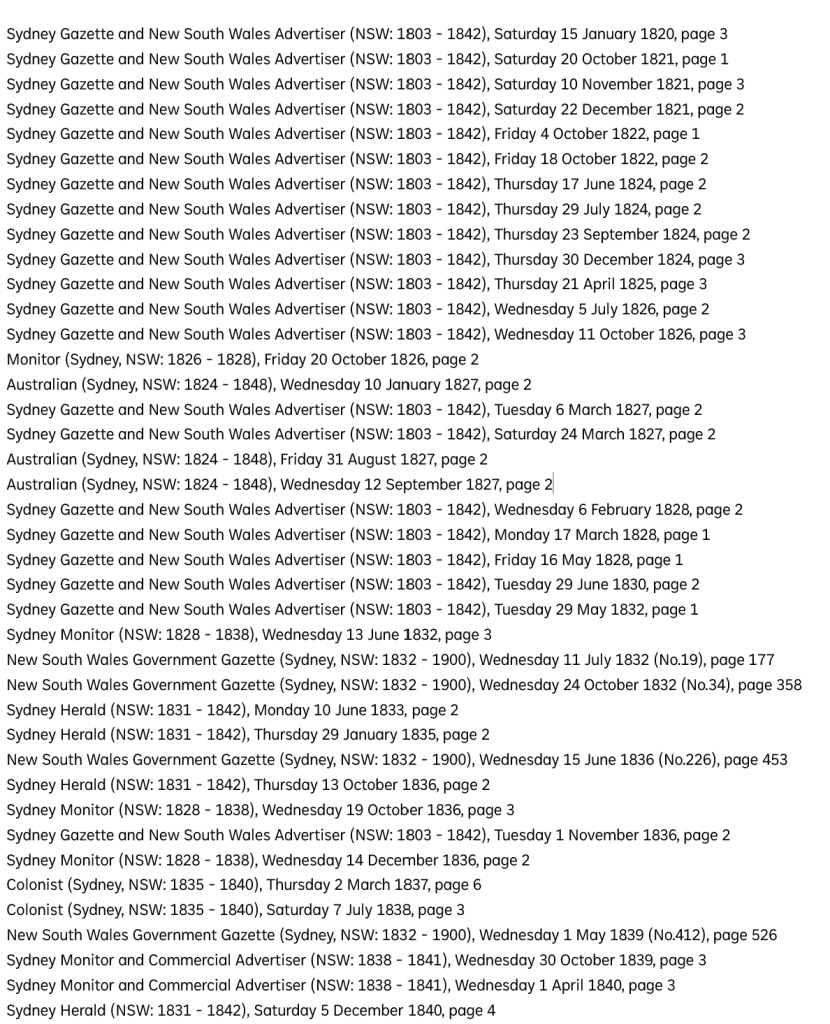
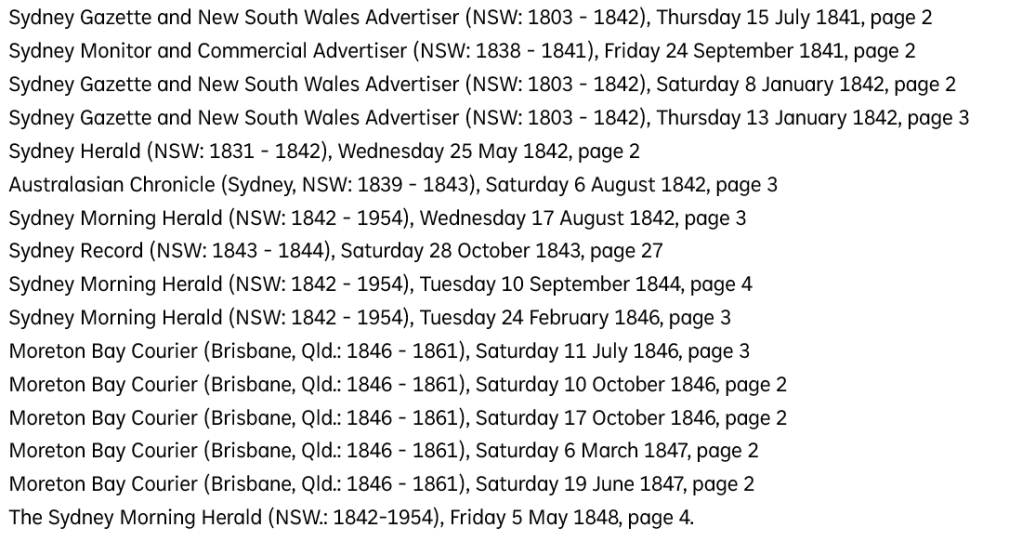
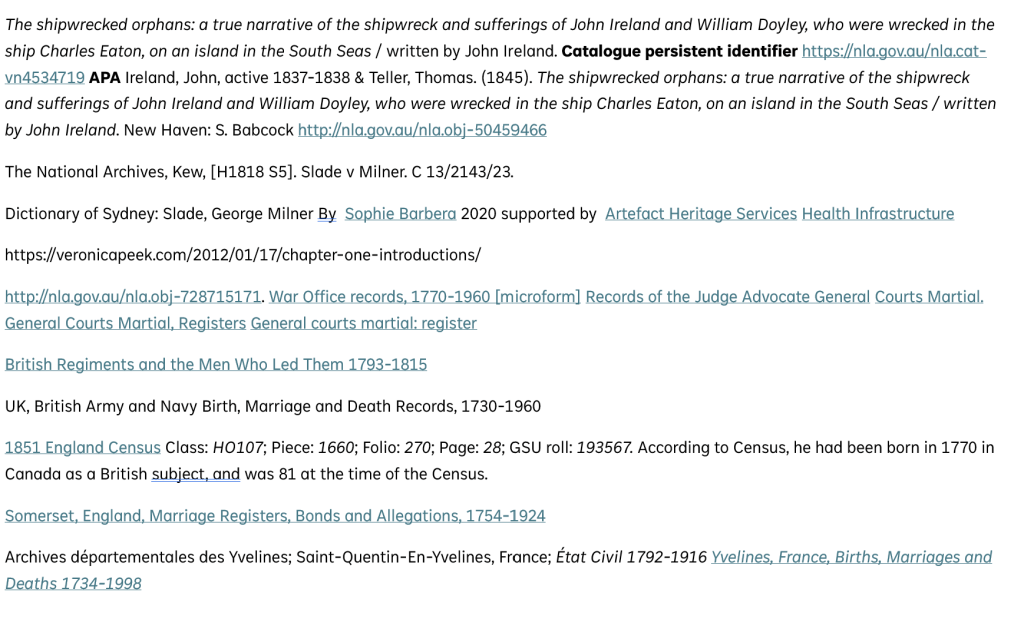
Sources
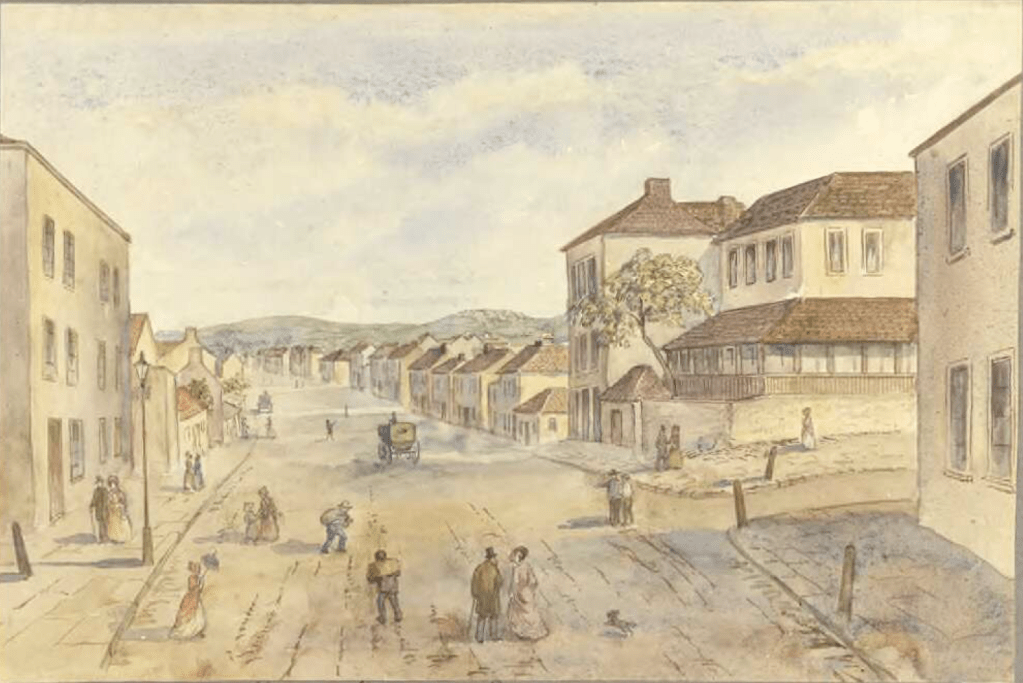
Kingston Jamaica 1820s from Origins OSU Edu website.
Hyde Park Barracks c 1840 from the 1840 Sketchbook of Sydney from the Mitchell Library (State Library of New South Wales).
Image of Gilbert Elliot from the New South Wales Parliament website.
All other images are taken from the digital collection of the State Library of Queensland, and are out of copyright.

