Burketown and Normanton are towns on either side of the Gulf of Carpentaria – Normanton is on the east, and Burketown on the west. Both towns are historically linked to the Victorian Exploring Expedition, led by Robert O’Hara Burke and William Wills in 1860-1861. That expedition left Melbourne in 1860, and reached the Gulf area, forming Camp 119 in February 1861. The return journey took the lives of all but one of the Camp 119 explorers.
Burketown was named after the leader of the expedition, and was started up by Robert Towns, a 19th century merchant whose interests seemed to touch every area of Queensland – from sugar plantations on the Logan, to whaling activities on the coast, and the exploitation of South Sea Islander labourers.
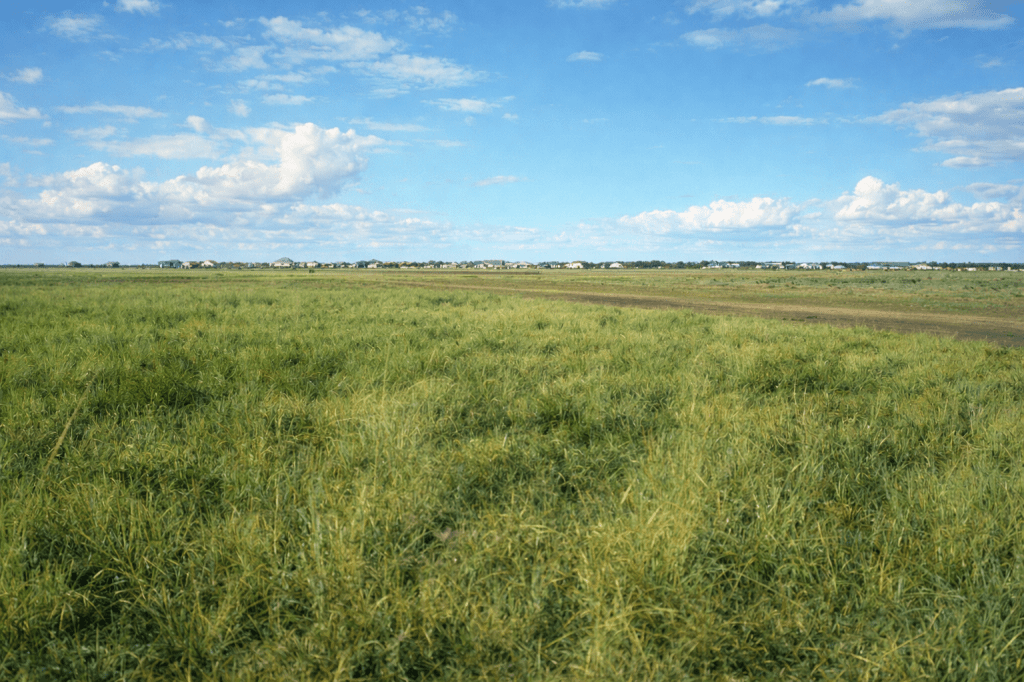
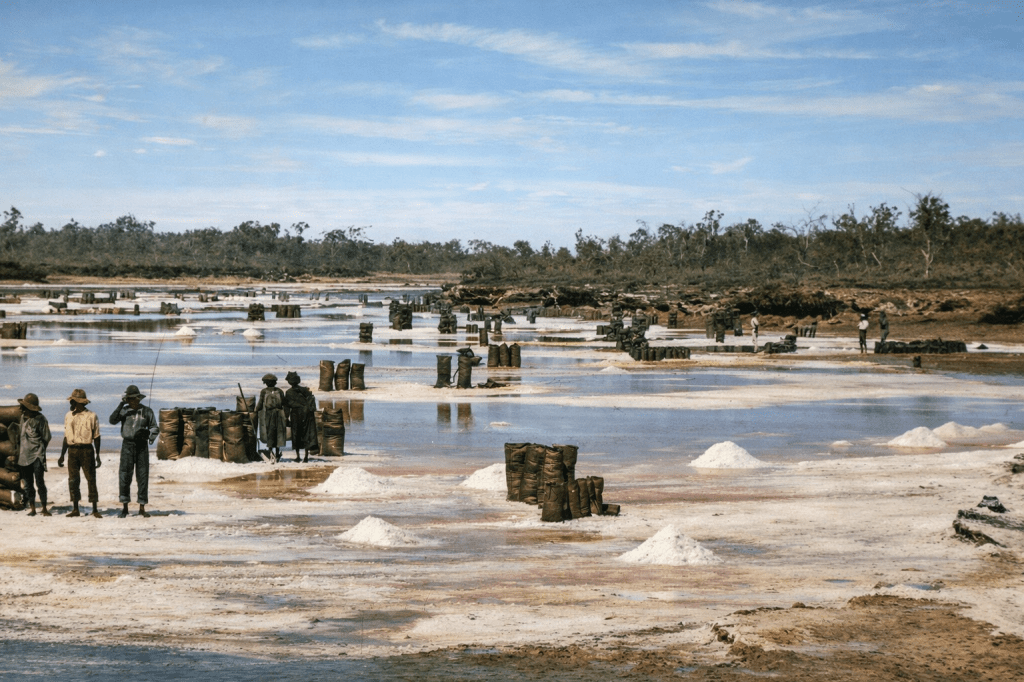
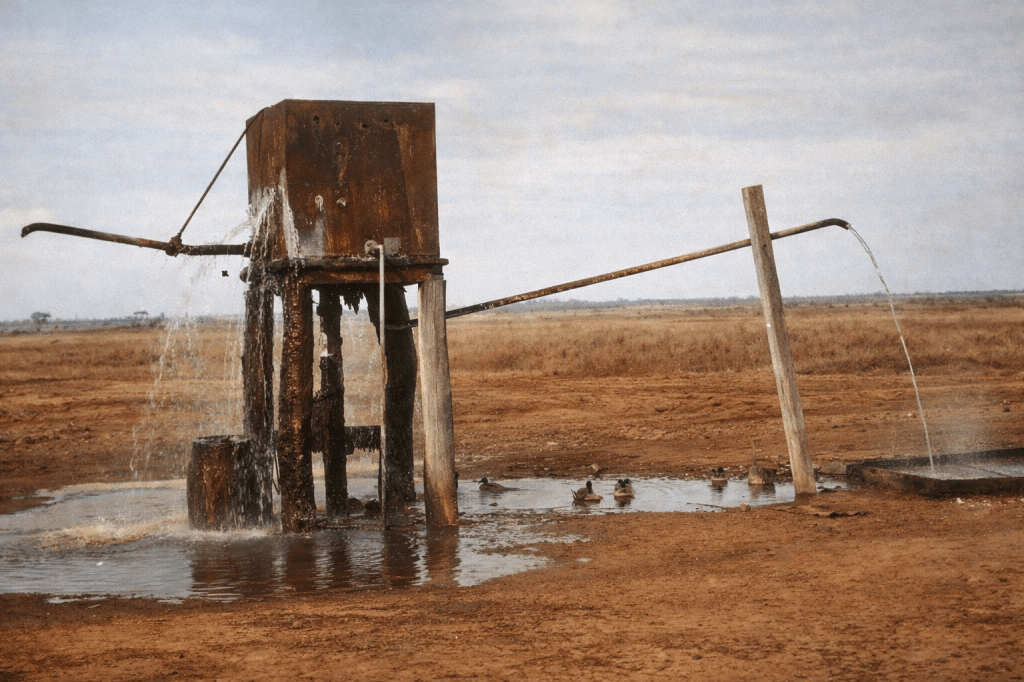
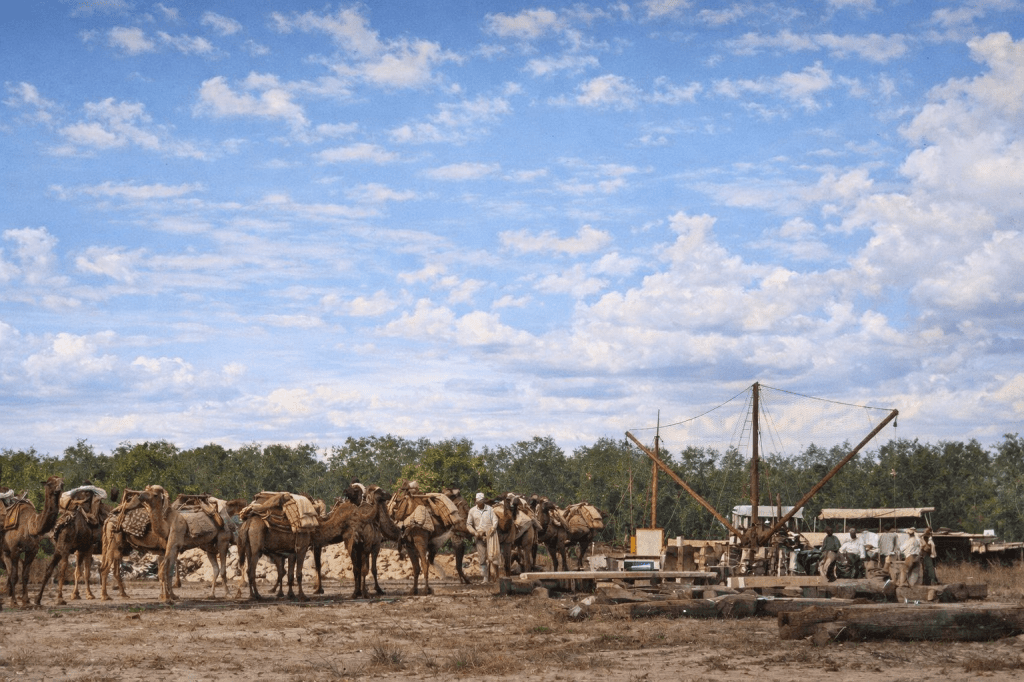
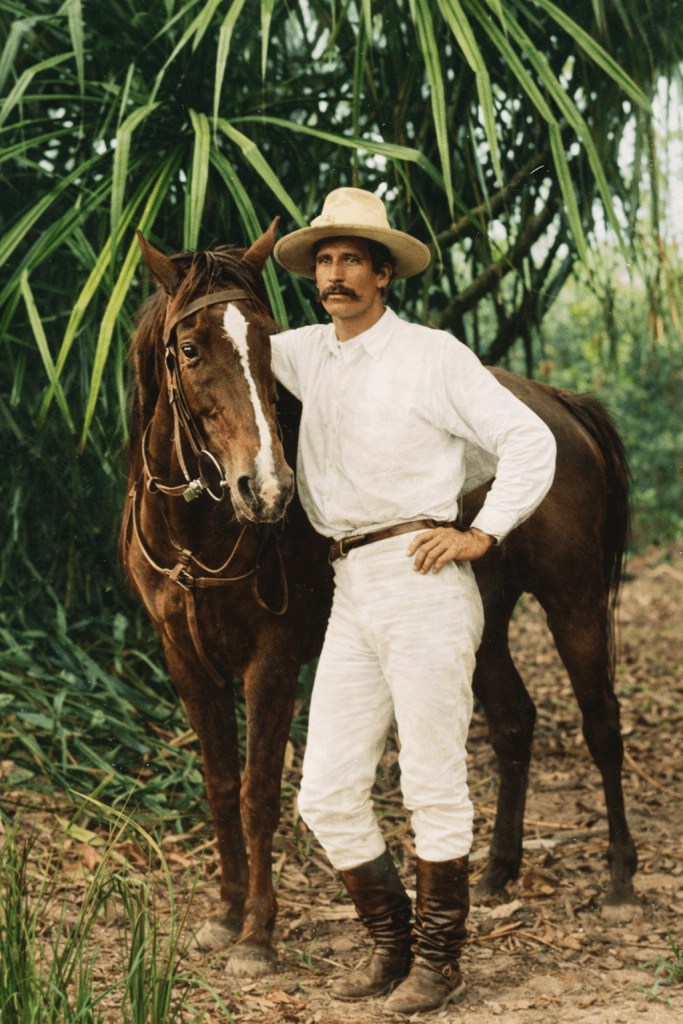
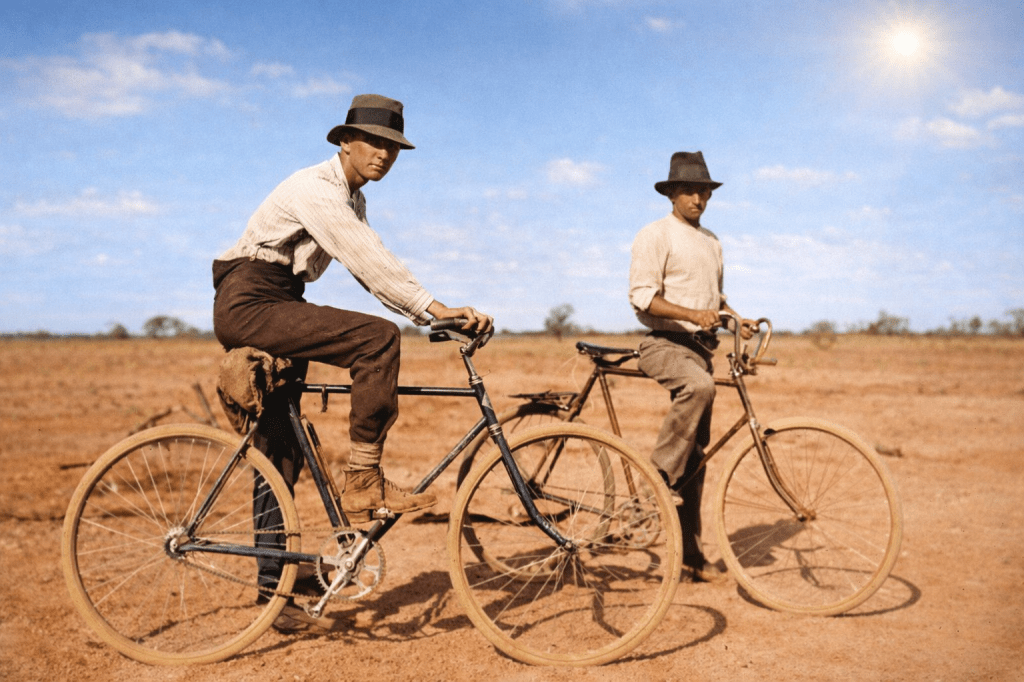
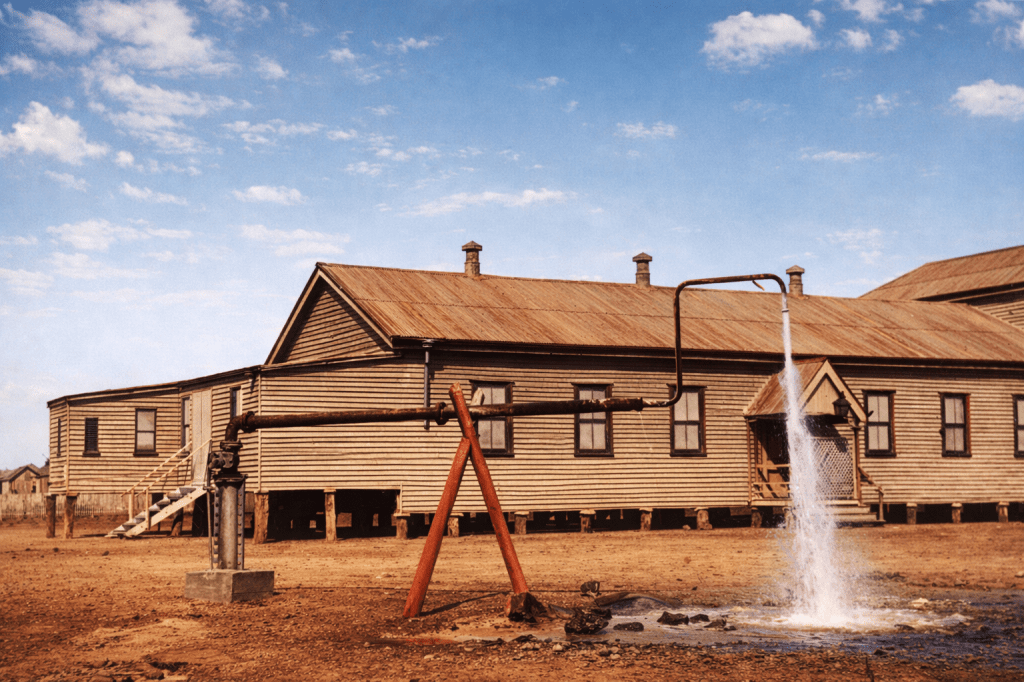
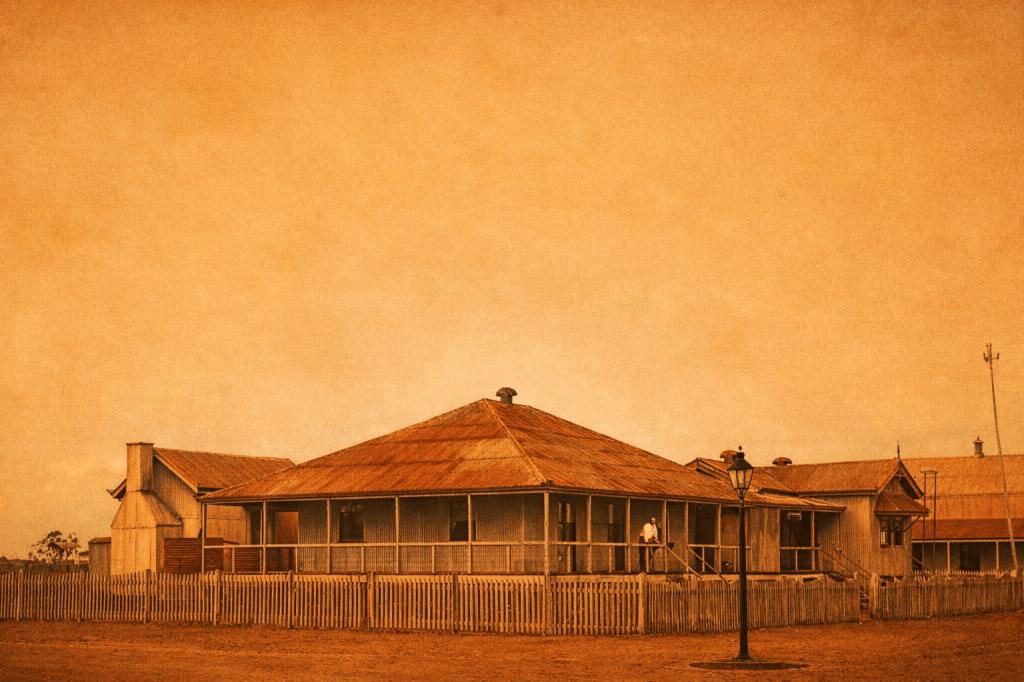
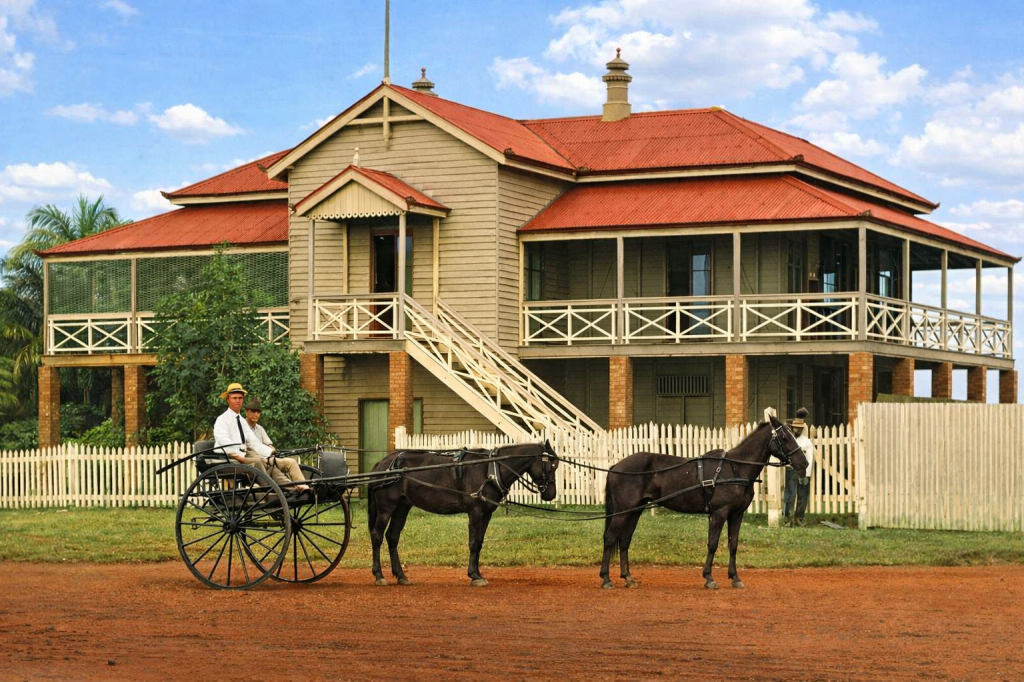
The wet season leaves behind a sea of grassy plains. “A distant view of Burketown, c 1915.”“Salt-getting at Escott Station, Burketown.”The water fowl knew the best spot. “Burketown water supply 1908.”“Afghan camel teams loading at Burketown Wharf, 1918.”One of the most vigorously Far North Queensland 19th century chaps ever photographed. “Bartel Thomas Horace Doyle on Riversleigh Station, c 1895.”“Gregory Downs Hotel, Burketown, 1908.”“Hot ride for cyclists near Burketown in the Gulf of Carpentaria, 1920.” No kidding.
Normanton
Normanton was founded slightly after Burketown, and is the larger of the two places today. Its connection with the Burke and Wills Expedition is even more direct than that of Burketown – the northernmost camp is in the locality.
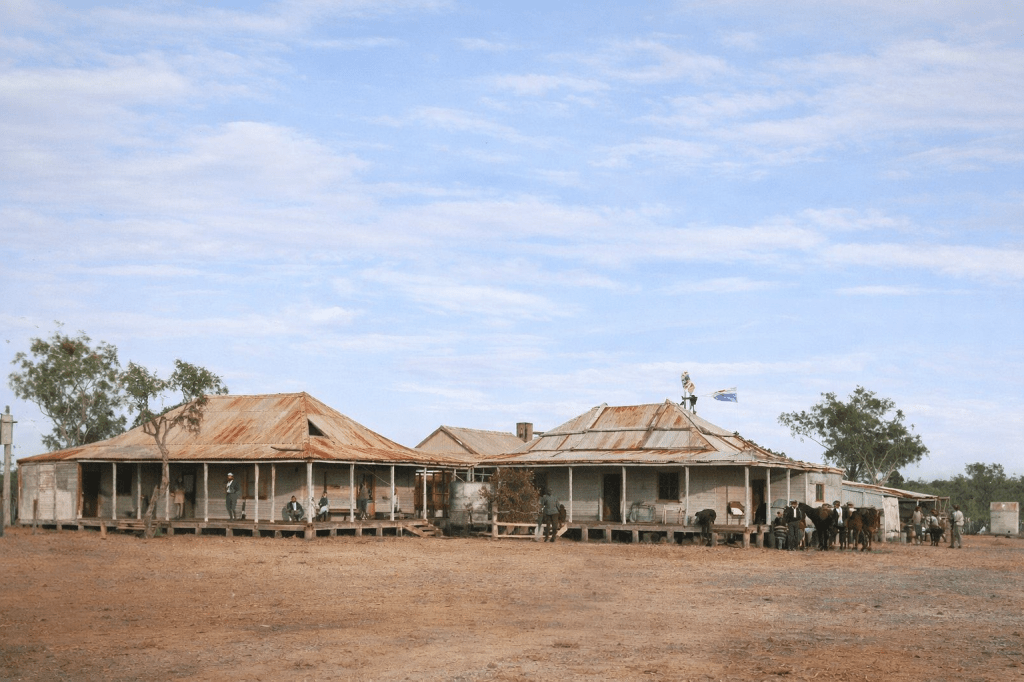
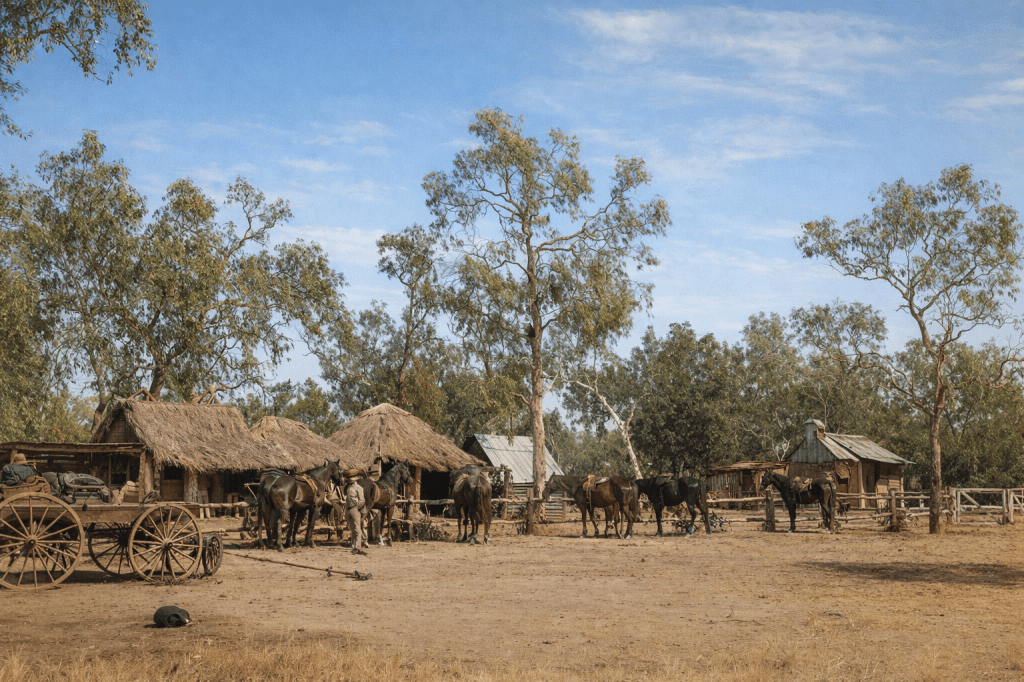
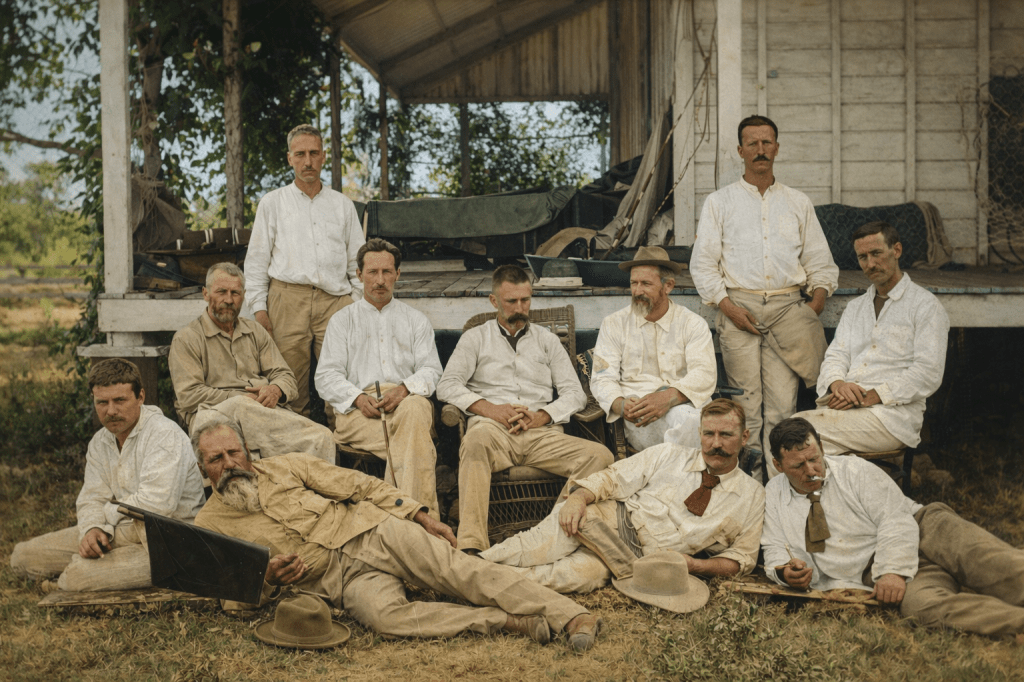
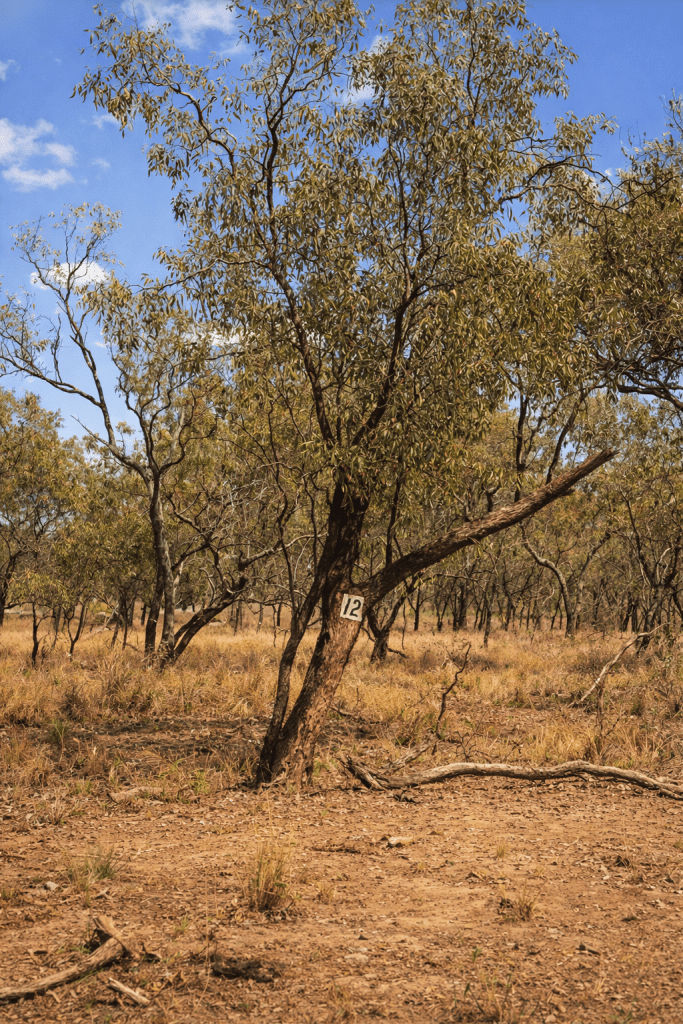
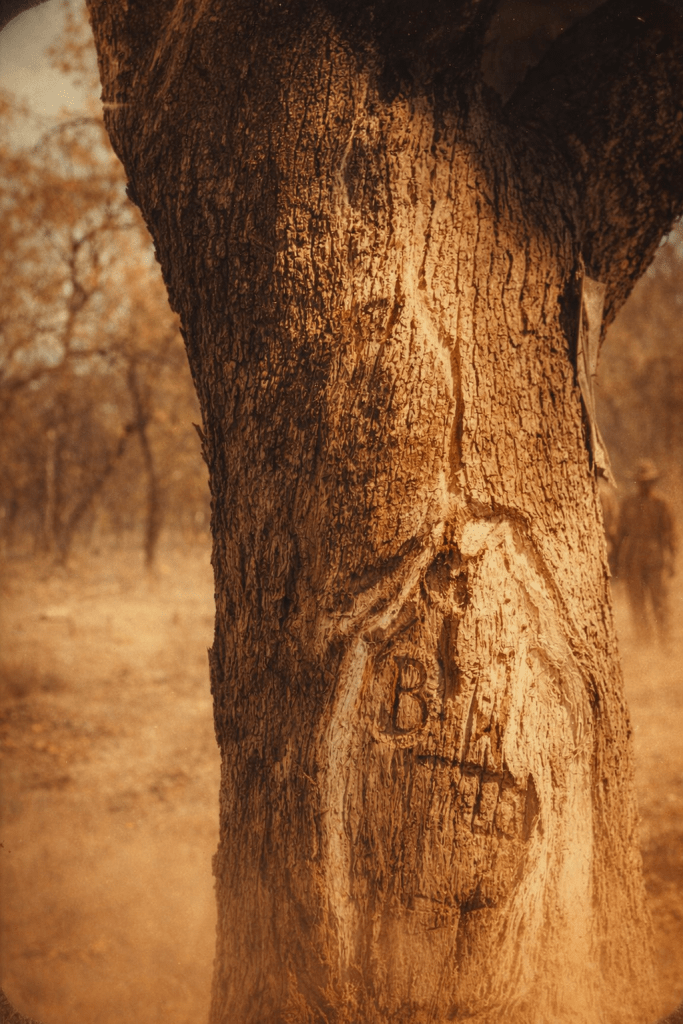
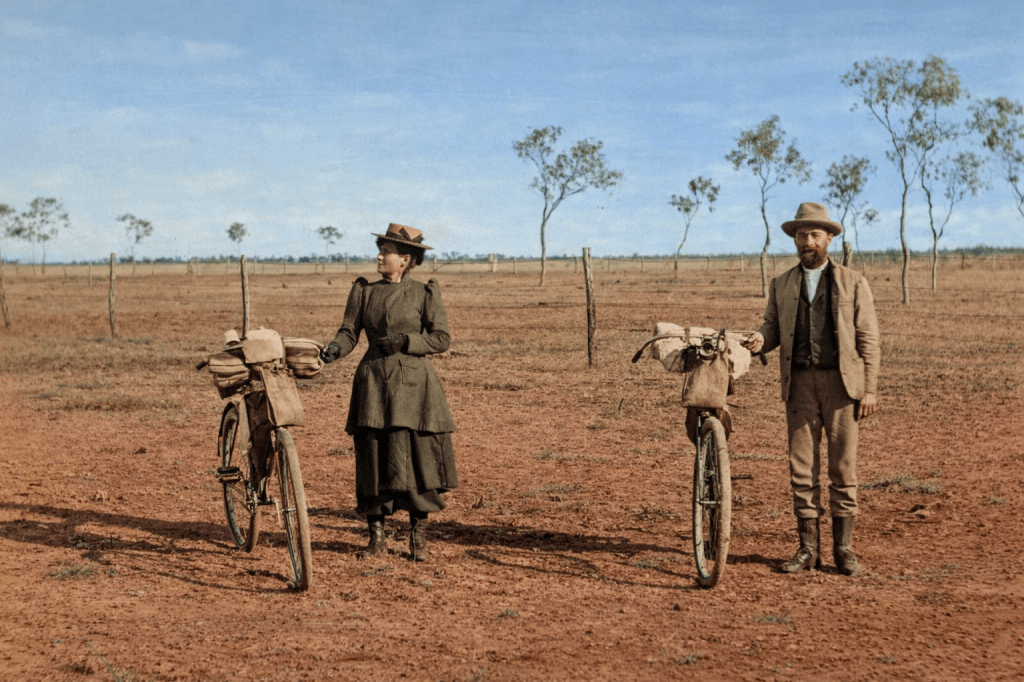
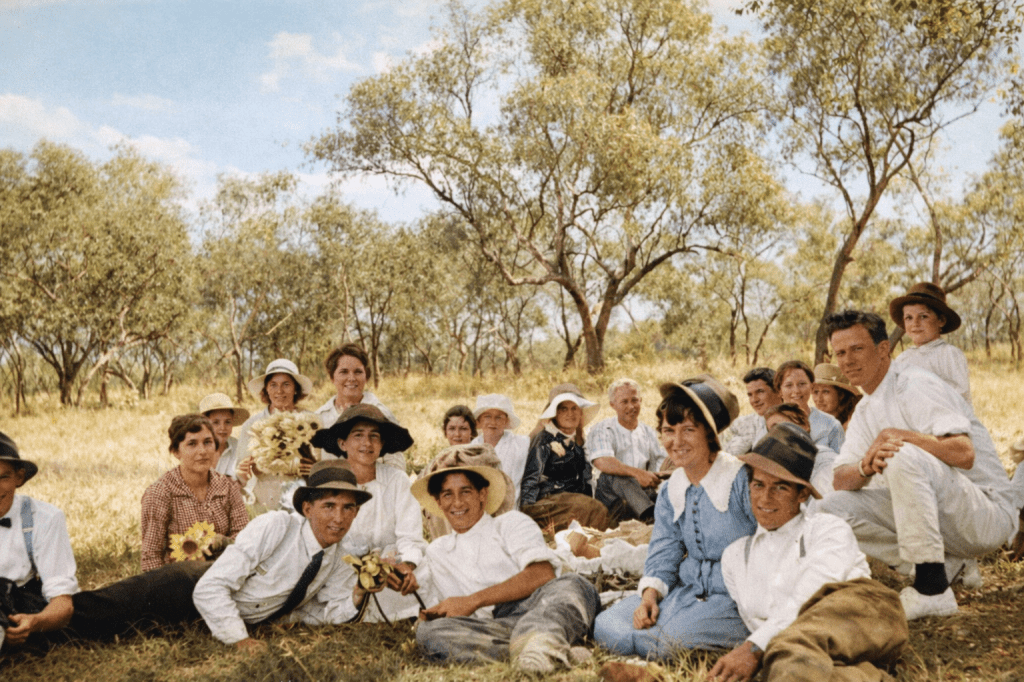
“Delta Downs Station in the Normanton area, c 1895.”Group of men on the verandah of Van Rook Station, Normanton, 1895. After a hard day’s work, Victorian men liked a good lounging session.Blazed coolabah tree marking the position of Burke and Wills camp 119, Magowra Station, near Normanton, 1909Detail of the blaze on the tree – now a heritage listed site. After this was carved, sadly, everything went downhill for the explorers.The early Europeans of the district were gluttons for punishment. Seizing opportunities for advancement, they ventured into blisteringly hot lands, and then dressed in heavy garments and did exhausting things. Like cycling great distances. “Mr and Mrs Lowther with their bicycles on a trip from Aramac to Normanton.”So many jokes, so little time. “Government bore in Normanton, 1904.” At least that government bore looks vaguely useful, and does not appear to be part of a committee.“Man leaning on verandah railing of the Post and Telegraph Office in Normanton, 1904.”“Old Customs House, Normanton, c 1913.”Lots of flowers and a nice spot in the shade. “Picnic group at the Four Mile, Normanton, 1920.”