
The Torres Strait saw a lot of foreign ships passing by and through it from the early 17th century to the Victorian era, which is when the passers-by started to stay. The Strait was named after Luis Vaz de Torres, the first European to have officially recorded its presence, in 1606. After suspecting that the French might have been through the Strait just before him, Captain Cook hastily amended his record to show that he claimed the Eastern Coast of Australia for His Majesty the King. Of England. Not those French scoundrels, and their King.
Cape York was visited by Willem Janszoon in 1606, although he chose not to linger there. Edmund Kennedy led an ill-fated expedition there in 1846, and the tip of the Cape was at last reached by the Jardine brothers on an overland journey in 1864. It is unknown exactly how many indigenous people lost their lives during encounters with the various travellers, although Wikipedia indicates that the Jardine brothers amassed a death toll of over 200 First Nations people on their way North.
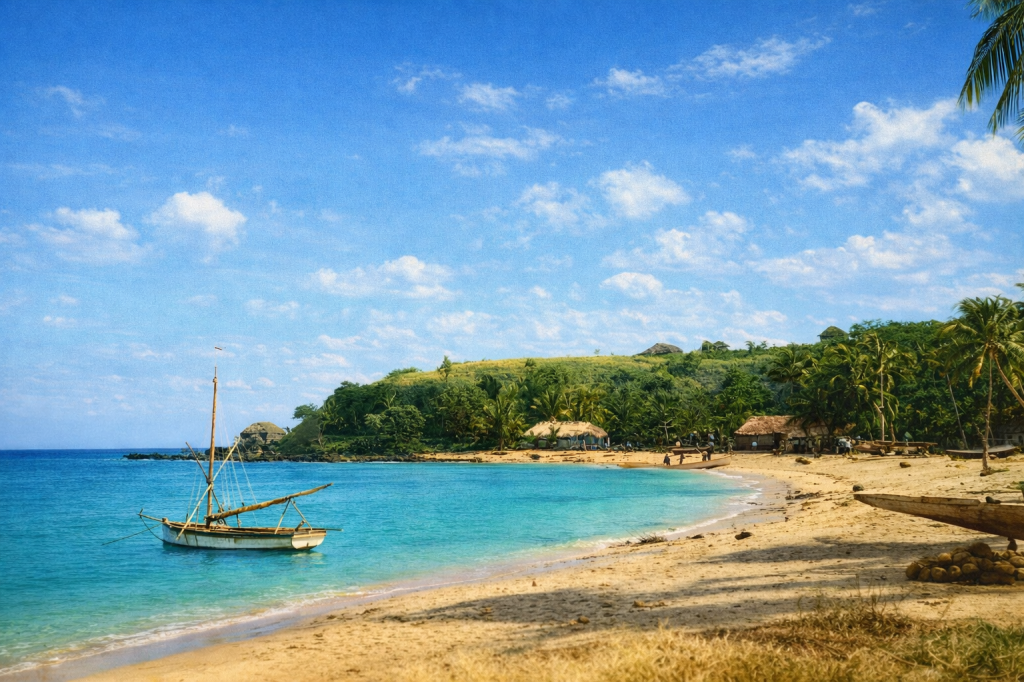
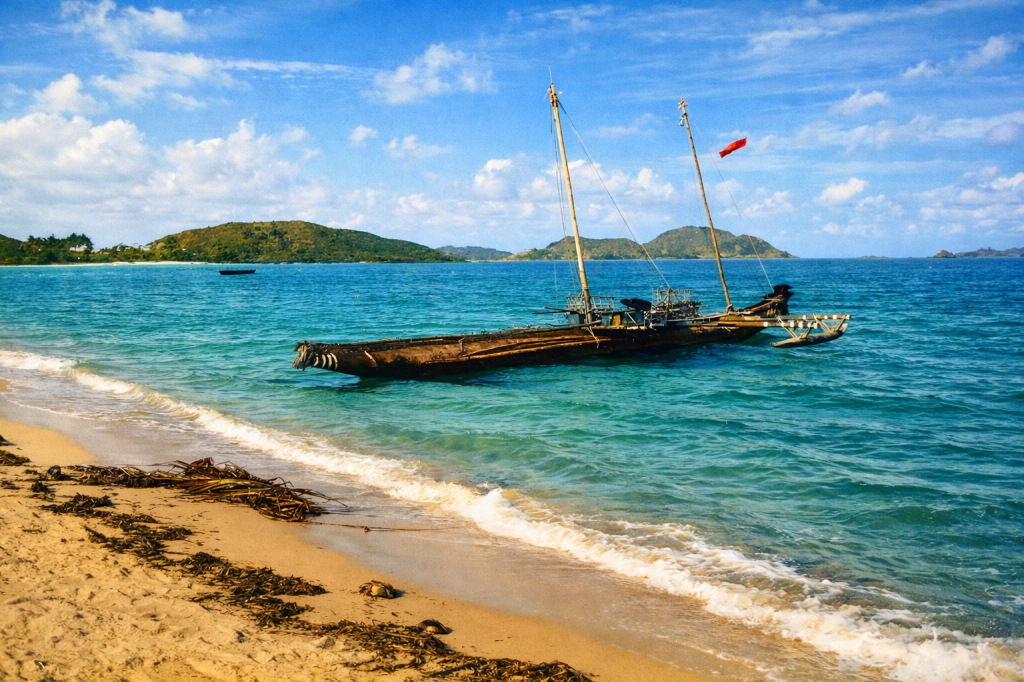
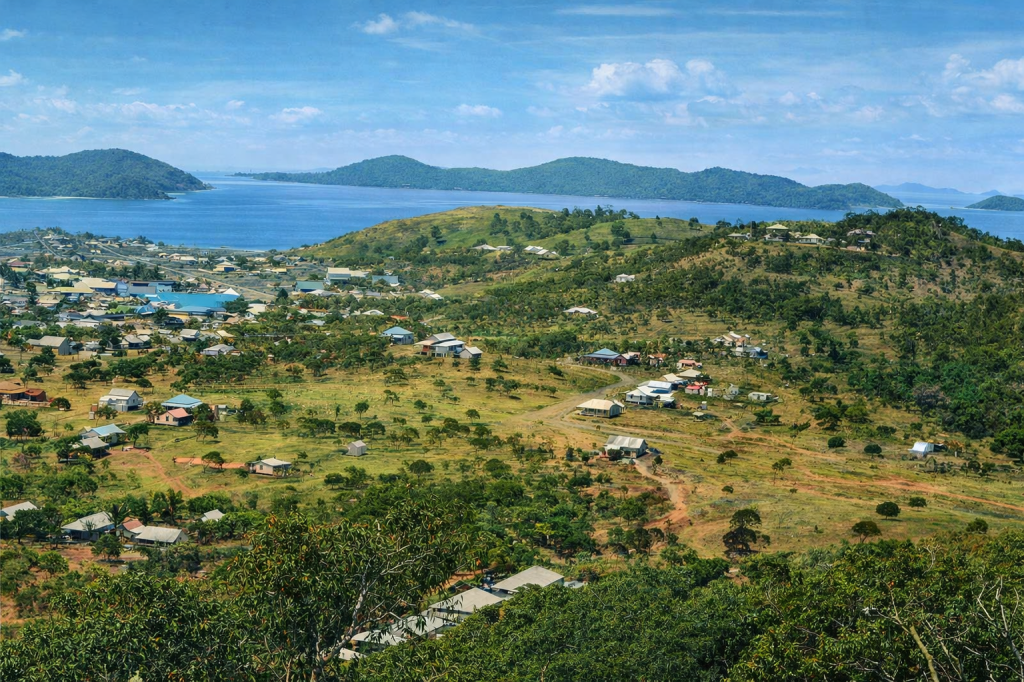
There is a remarkable collection of photographs in the State Library from the early years of European settlement in the Cape and the Strait, and they lend themselves beautifully to being recreated in colour.
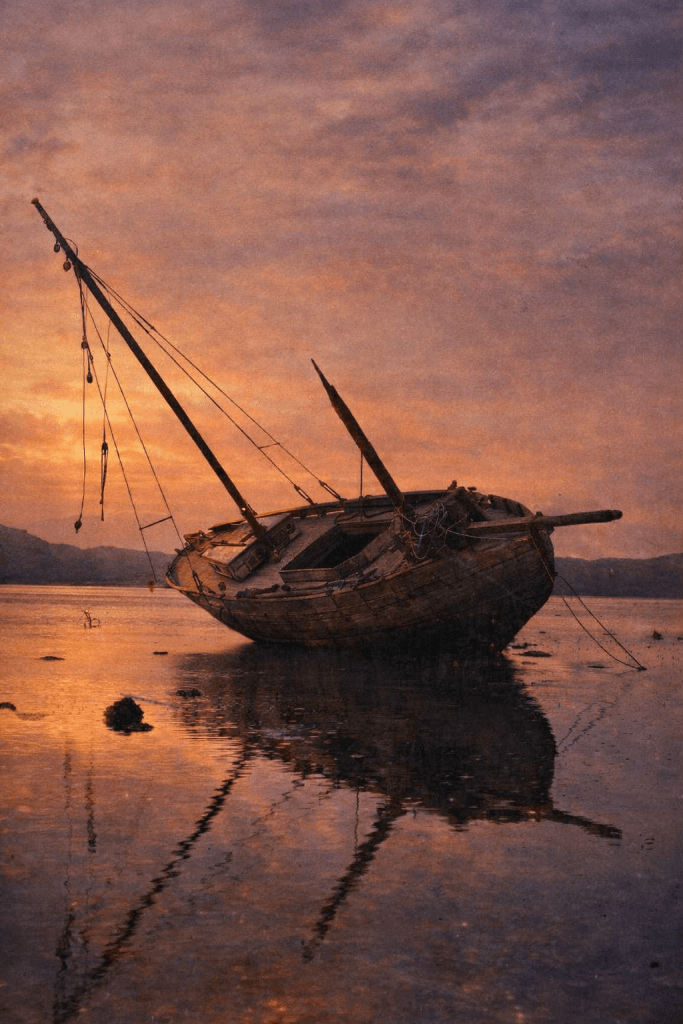
Cyclone Mahina, 1899.
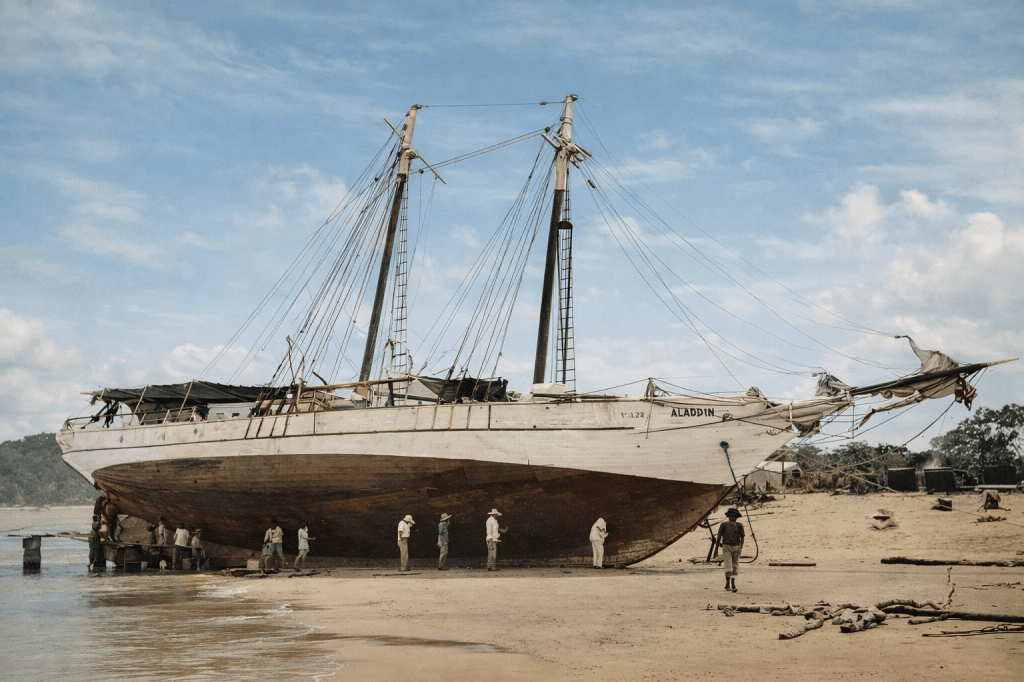
The deadliest cyclone on record in Australia struck in March 1899. Over 300 people died, most of whom were working on pearling boats. Here are some images taken after this event.
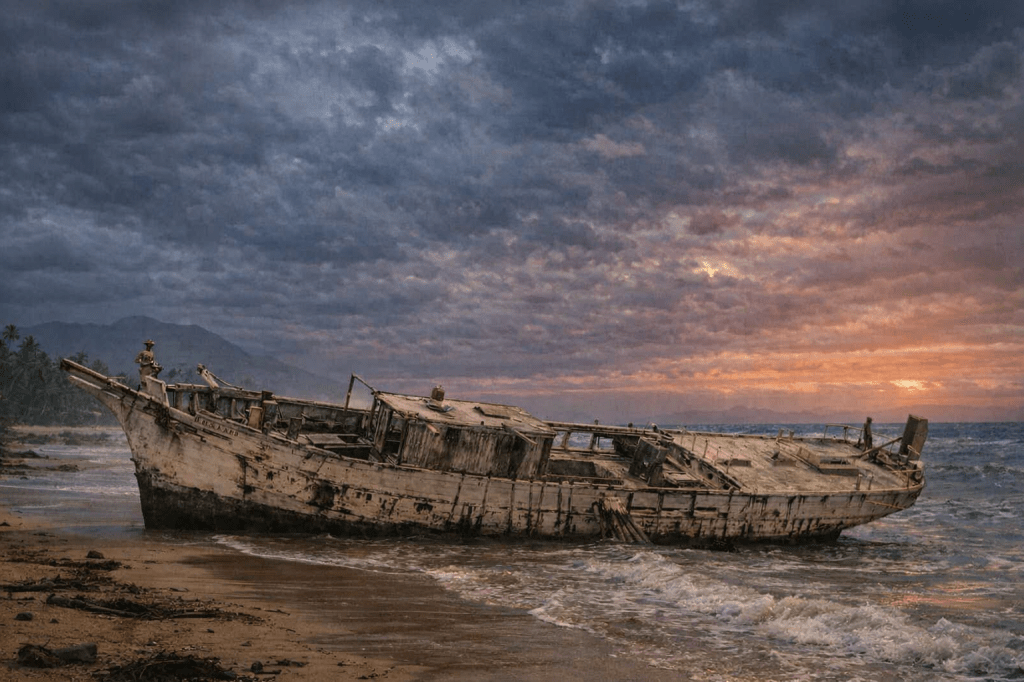
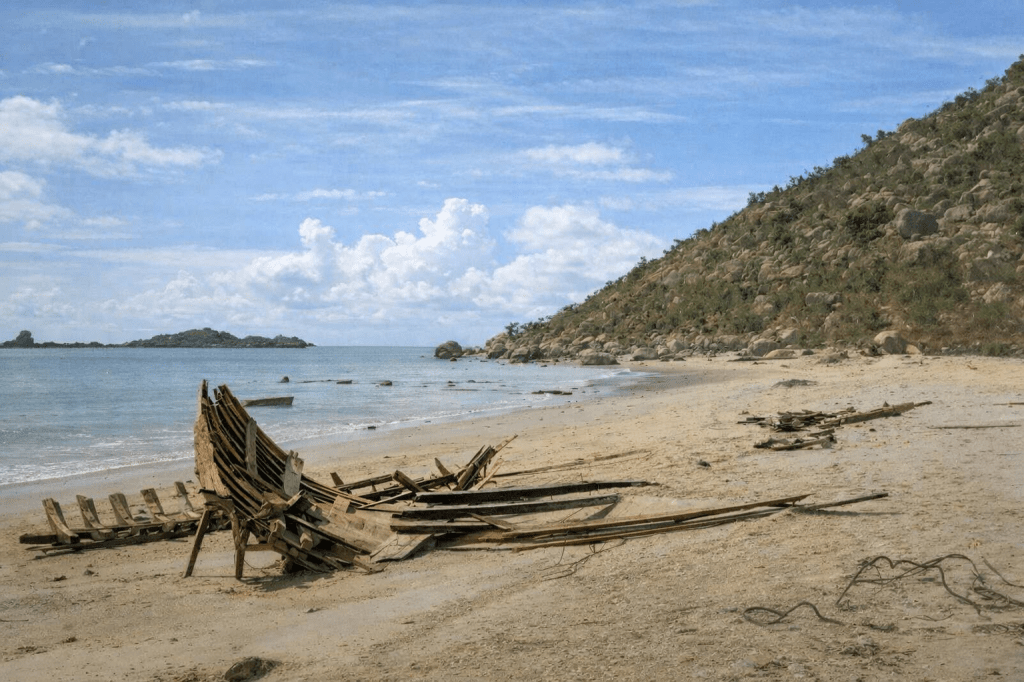
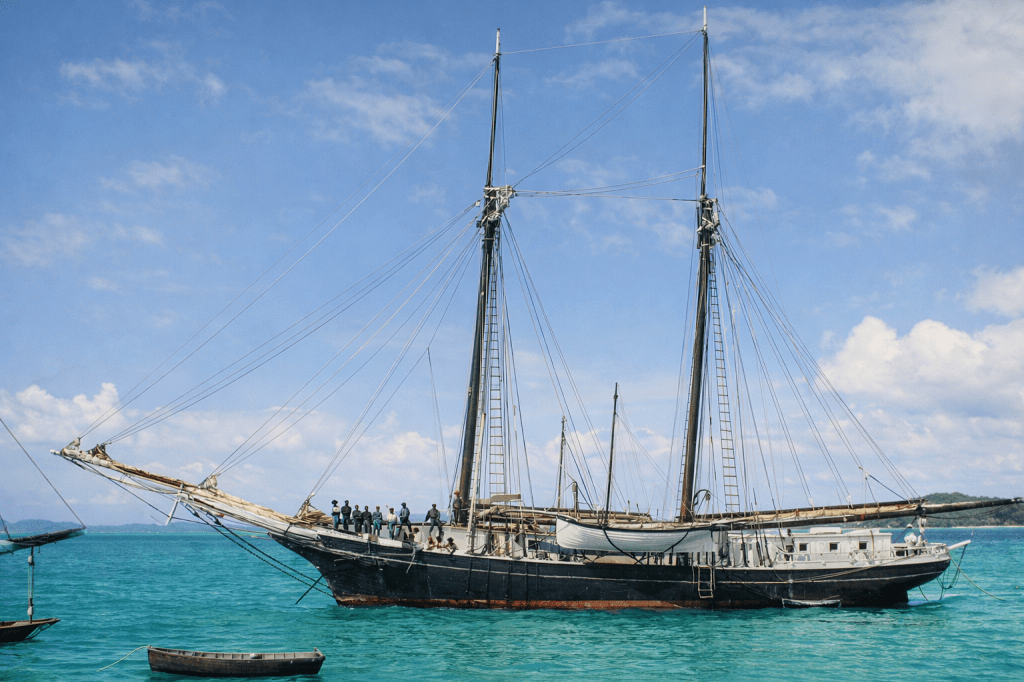
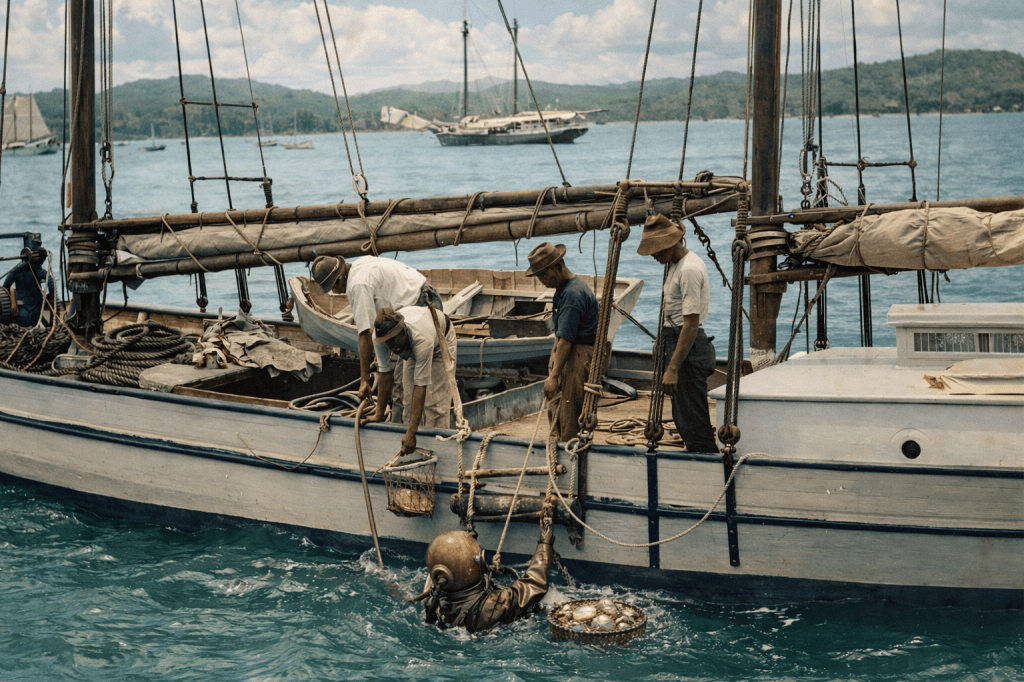
The Pearling trade.
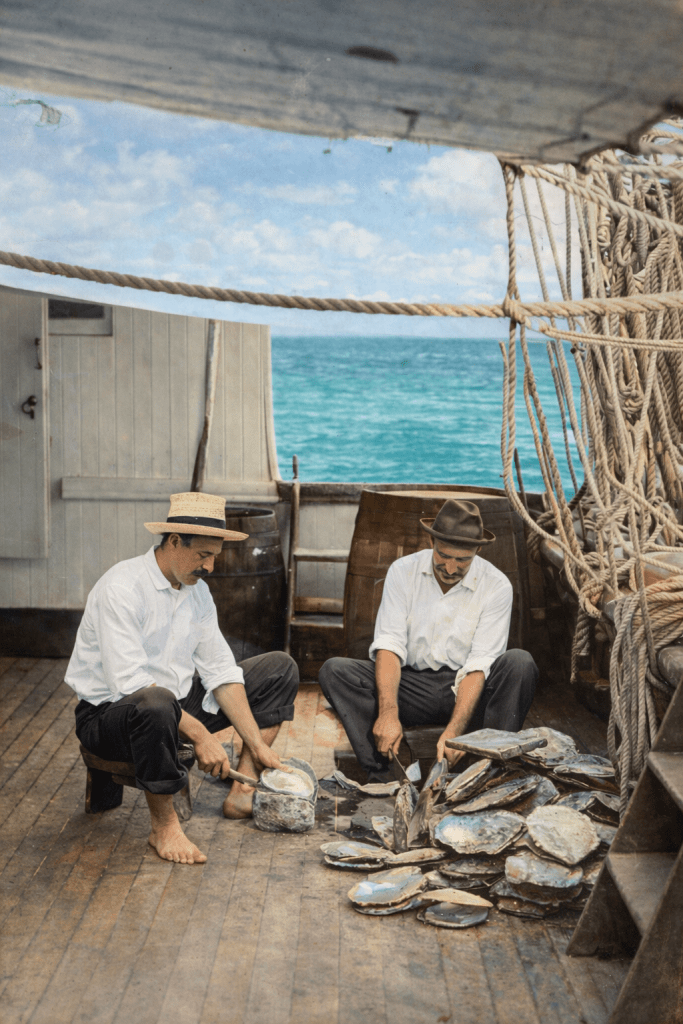
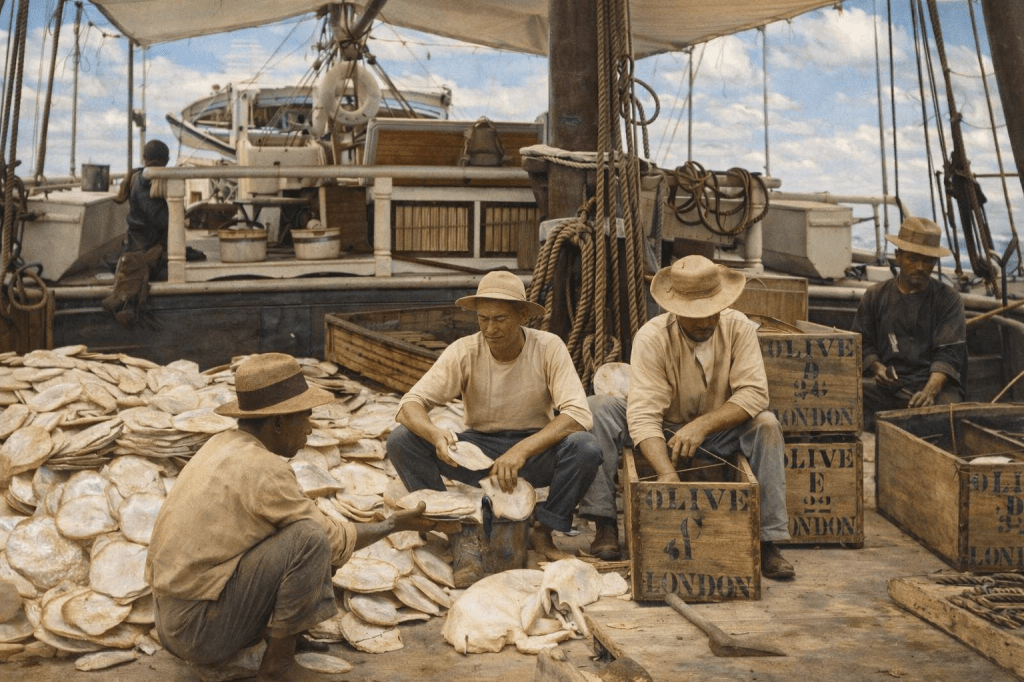
The pearling trade was the basis for the economy of the Strait and the north for many years. It was a lucrative business, but incredibly dangerous, with many divers lost in those days before oxygen tanks and modern diving apparatus.
The people of the Cape and the Straits.
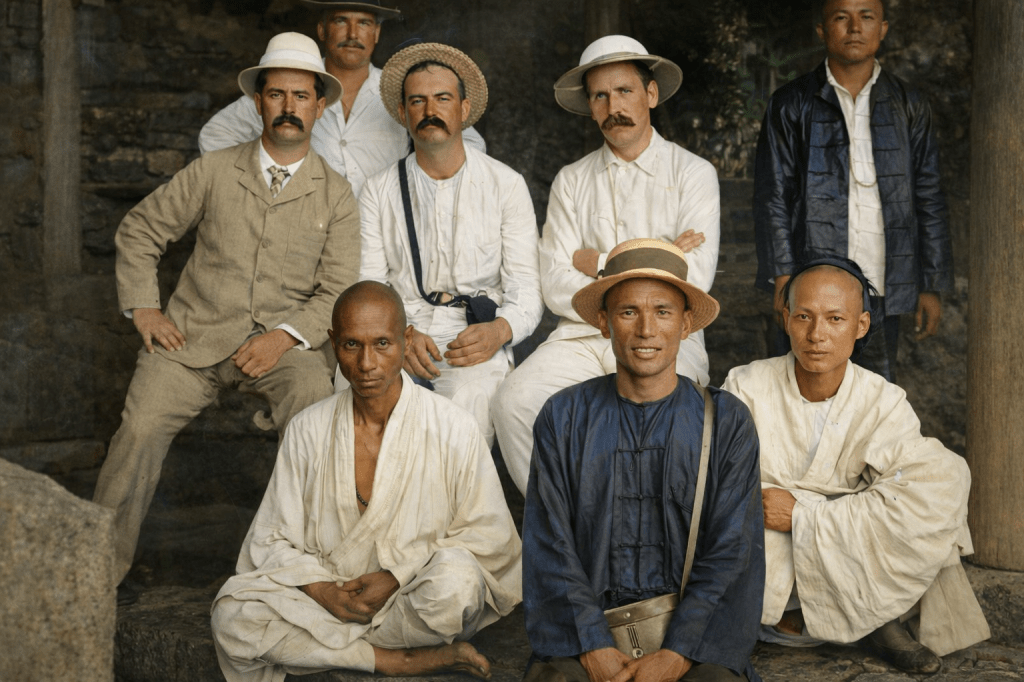
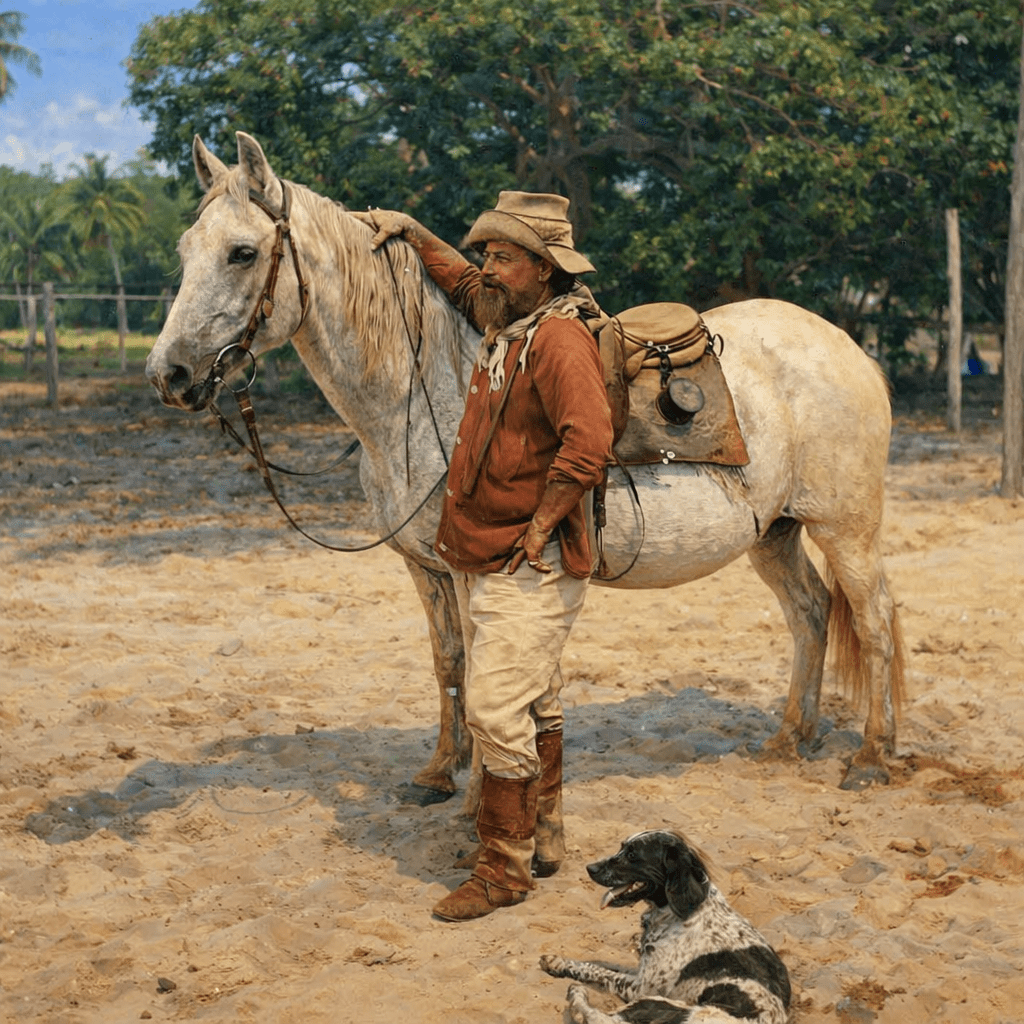
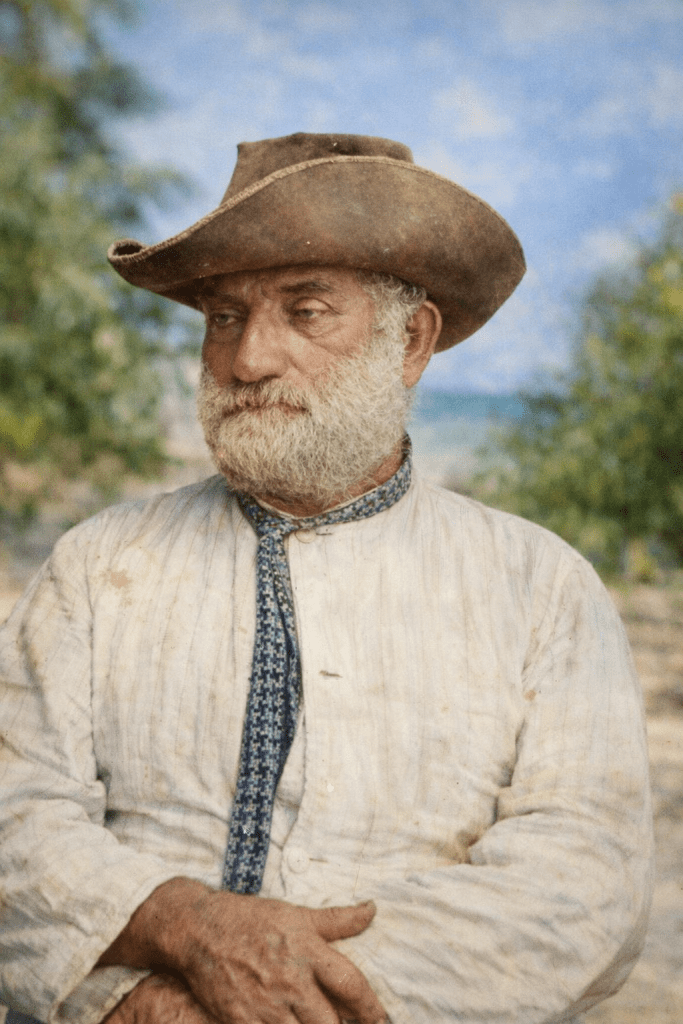
From the digital collection of the State Library of Queensland, out of copyright:
Harbour at Darnley Island in 1899.
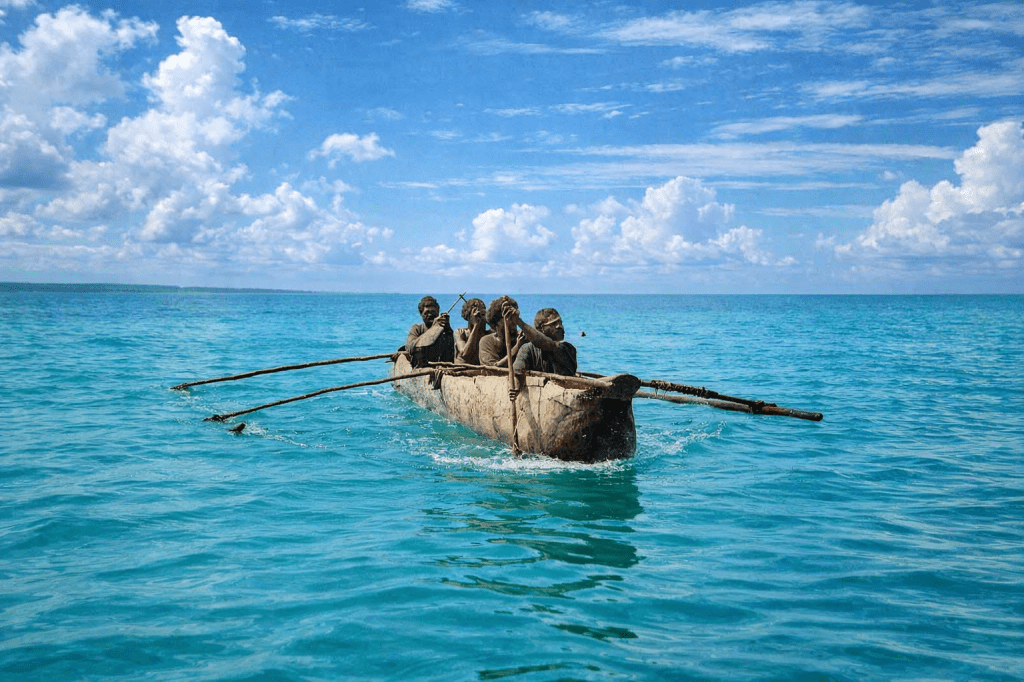
Sailing boat with outriggers at Mabuiag Island in the Torres Strait.
From the North Queensland, Torres Strait and New Guinea photograph album 1890-1941. 31725, John Oxley Library, State Library of Queensland. Contains 68 loose pages, with 162 images. Out of copyright:
Thursday Island
After the cyclone 1899
Boat ashore after the cyclone 1899
“After the blow”
Pearling schooner
Diver returning to the surface with pearl shells
Opening pearl shells
Packing pearl shells
Boat on shore
Indigenous canoeists
The Clough engineers
Francis Jardine
Yankee Ned.
Information on the early European visitors to the Straits and the Cape: Wikipedia.
AI colourisation by Copilot.

